
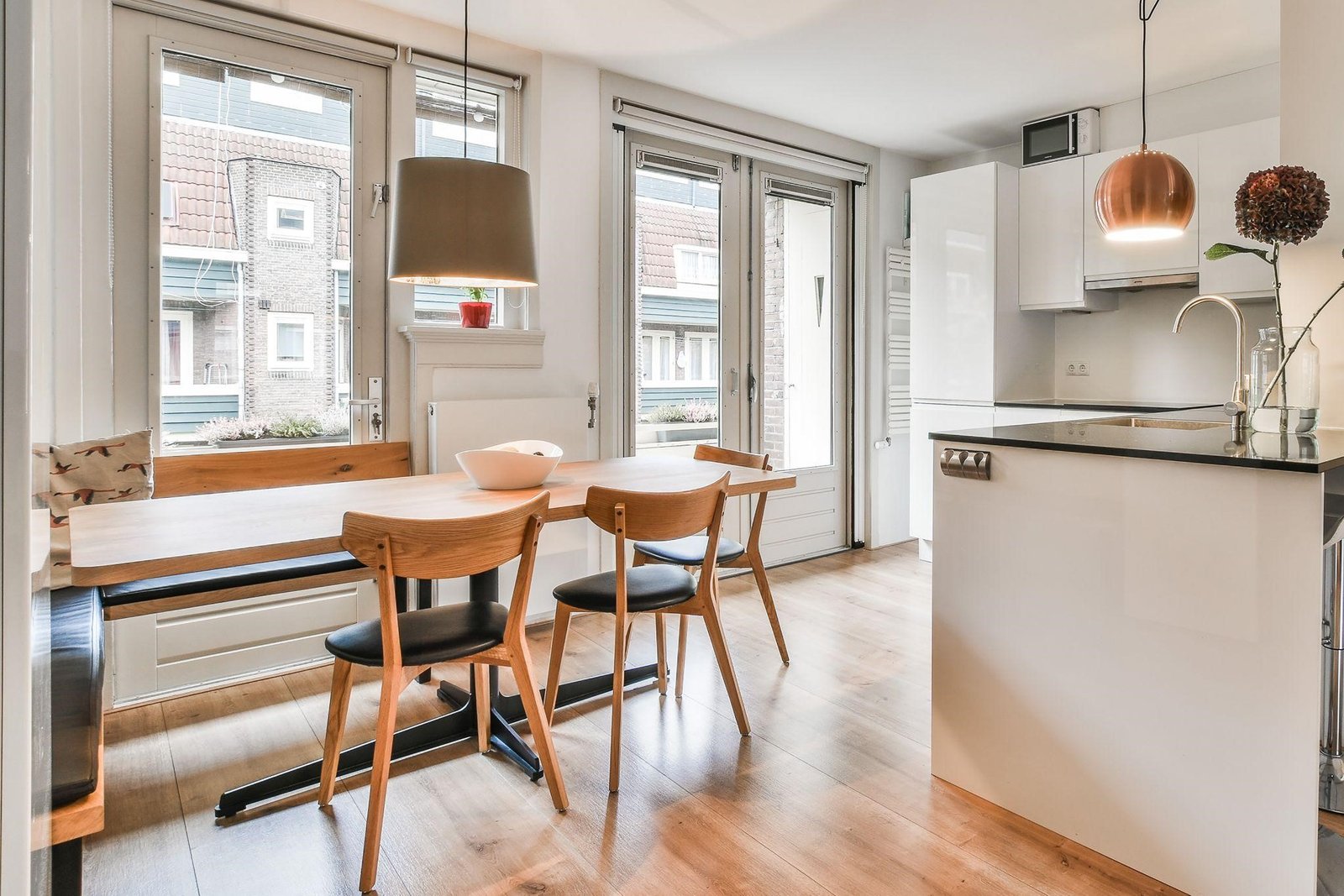
Choosing the right kitchen lighting fixtures can completely change the way your kitchen looks and feels. You want lights that brighten your space, highlight your best features, and make cooking enjoyable.
But with so many options out there, it’s easy to feel overwhelmed. What if you could pick lighting that not only looks great but also works perfectly for your needs? Keep reading, and you’ll discover simple tips that help you choose kitchen lighting fixtures that match your style, improve your kitchen’s function, and create the perfect atmosphere every time.
Your dream kitchen lighting is closer than you think!
Types Of Kitchen Lighting
Choosing the right kitchen lighting is important for both function and style. Different types of lighting serve different purposes.
Understanding these types helps you pick fixtures that work best in your kitchen space.
Ambient Lighting
Ambient lighting provides overall light in the kitchen. It helps you see clearly in the whole room.
Common fixtures for ambient lighting include ceiling lights and recessed lights. They create a soft, even light.
- Ceiling-mounted fixtures
- Flush mount lights
- Recessed lighting
- Track lighting
Task Lighting
Task lighting focuses light on specific work areas. It helps with cooking, chopping, and reading recipes.
Under-cabinet lights and pendant lights are popular choices for task lighting. They reduce shadows on counters.
- Under-cabinet LED strips
- Pendant lights over islands
- Adjustable spotlights
Accent Lighting
Accent lighting highlights features or decor in the kitchen. It adds depth and style to the space.
Use accent lights to show off artwork, plants, or architectural details. They create a warm, inviting feel.
- Strip lights inside glass cabinets
- Spotlights on artwork
- Small LED puck lights
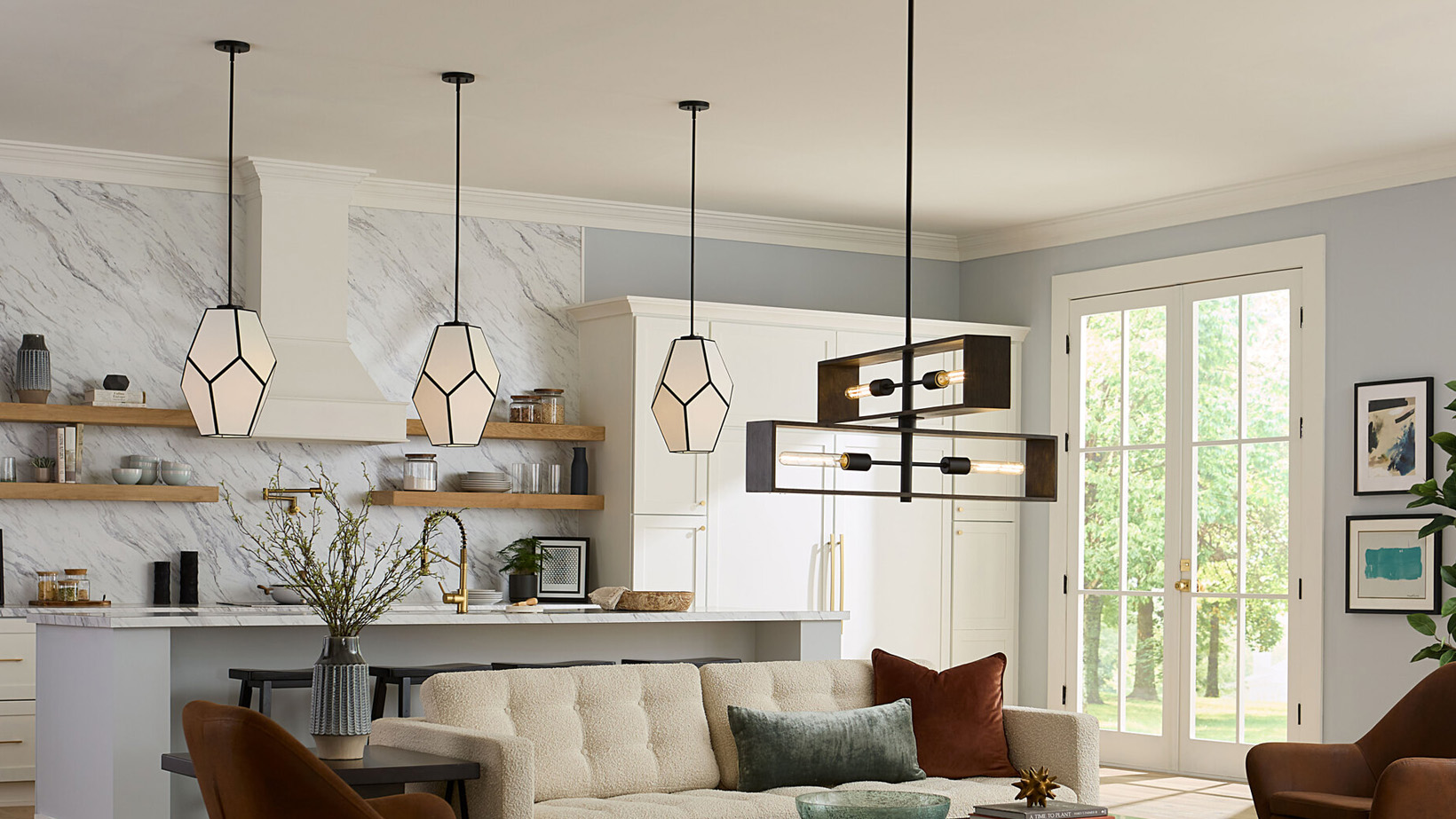
Credit: trisupplyhome.com
Choosing The Right Light Bulbs
Choosing the right light bulbs is important for kitchen lighting. The bulbs affect brightness, color, and energy use.
Understanding bulb types, color temperature, and brightness helps you pick the best option for your kitchen.
Led Vs. Incandescent
LED bulbs use less energy and last longer than incandescent bulbs. Incandescent bulbs give a warm light but waste more power.
- LED bulbs are energy efficient.
- Incandescent bulbs have a warm, soft glow.
- LEDs last much longer than incandescents.
- LEDs cost more at first but save money over time.
Color Temperature
Color temperature shows how warm or cool the light looks. It is measured in Kelvins (K).
| Color Temperature (Kelvin) | Light Appearance |
| 2700K – 3000K | Warm, cozy light |
| 3500K – 4100K | Neutral white light |
| 5000K – 6500K | Cool, daylight-like light |
Lumens And Brightness
Lumens measure how bright a bulb is. Higher lumens mean more light.
- 500 lumens is like a low light bulb.
- 800 lumens works well for general kitchen lighting.
- 1100 lumens or more is good for task lighting.
- Check lumens instead of watts to find brightness.
Design Considerations
Choosing the right kitchen lighting fixtures is important. Good lighting makes your kitchen safe and welcoming.
Think about the style, materials, and size of your fixtures. These affect the look and feel of the space.
Fixture Styles
Kitchen lighting comes in many styles. Pick one that fits your kitchen’s design and your taste.
Popular styles include modern, traditional, rustic, and industrial. Each style creates a different mood.
- Modern lights have clean lines and simple shapes
- Traditional lights often feature classic details and curves
- Rustic styles use natural or worn looks
- Industrial fixtures show metal and exposed bulbs
Material Choices
Materials affect the fixture’s durability and style. Choose materials that match your kitchen’s theme.
Common materials include metal, glass, wood, and plastic. Each has its own look and care needs.
- Metal is strong and works well in modern or industrial kitchens
- Glass adds elegance and spreads light softly
- Wood gives a warm, natural feel, ideal for rustic kitchens
- Plastic is affordable and comes in many colors
Size And Scale
Choose lighting fixtures that fit the size of your kitchen and its features. Too big or small can look odd.
Measure the space and consider ceiling height. Balance large fixtures with open spaces and small lights with small areas.
- Small kitchens work best with compact fixtures
- Large kitchens can handle bigger or multiple lights
- Low ceilings need flush or semi-flush lights
- High ceilings allow for hanging or pendant lights
Credit: www.lemon8-app.com
Placement And Positioning
Choosing the right placement and position for kitchen lighting helps create a bright and functional space.
Good lighting improves visibility and highlights important areas in the kitchen.
Ceiling Lights
Ceiling lights provide general illumination in the kitchen. Place them evenly to avoid shadows.
- Center ceiling fixtures to light the whole room
- Use multiple lights for larger kitchens
- Choose flush mounts if the ceiling is low
- Consider dimmers for adjustable brightness
Under-cabinet Lighting
Under-cabinet lights brighten countertops and reduce shadows while cooking.
| Type | Placement | Best Use |
|---|---|---|
| LED strips | Along the underside of cabinets | Task lighting for chopping and prep |
| Puck lights | Mounted under cabinets in small groups | Spot lighting for specific areas |
| Fluorescent bars | Under cabinets with diffusers | Even light for longer counters |
Island And Countertop Illumination
Lights above islands or countertops focus on workspaces and add style.
- Hang pendant lights 30 to 36 inches above the surface
- Space pendants evenly if using more than one
- Use bright bulbs for clear task lighting
- Match light style to kitchen décor
Energy Efficiency Tips
Choosing the right kitchen lighting can save energy and lower bills. Energy-efficient lights use less power and last longer.
Planning your kitchen lighting with energy in mind helps the environment. It also gives you good light for cooking and cleaning.
Smart Lighting Solutions
Smart lighting systems let you control lights with your phone or voice. You can turn lights off when not needed.
These systems often include motion sensors. Lights turn on only when someone is in the kitchen. This saves energy by avoiding wasted light.
- Control lights remotely to avoid leaving them on
- Use motion sensors to light only when needed
- Set schedules to match your daily routine
Dimmers And Controls
Dimmers let you adjust the light level. You use only the light you need, which saves energy.
Using dimmers and smart controls extends the life of your bulbs. It also creates a comfortable kitchen atmosphere.
- Lower light levels use less electricity
- Extend bulb life with dimmer use
- Match light to tasks for better energy use
Safety And Installation
Choosing the right kitchen lighting fixtures is important for safety and ease of use. Proper installation ensures the lights work well and avoid accidents.
Understanding how to install lighting safely helps prevent electrical hazards. You can hire a professional or try some simple DIY tips.
Hiring A Professional
Hiring a professional electrician is the safest way to install kitchen lighting. They follow electrical codes and use the right tools.
- Professionals check your home wiring for safety.
- They install fixtures securely and correctly.
- They reduce risk of electrical fires or shocks.
- Professionals save time and avoid installation errors.
Diy Installation Tips
If you decide to install lighting yourself, follow safety rules and prepare well. Use the right tools and switch off power first.
- Turn off the circuit breaker to cut electricity.
- Use a voltage tester to confirm power is off.
- Read the fixture instructions carefully before starting.
- Use a sturdy ladder and wear safety glasses.
- Secure all wires with wire nuts and electrical tape.
- Check that the fixture is firmly mounted and stable.
- Turn power back on and test the light.
Budget-friendly Options
Choosing kitchen lighting does not need to be costly. You can find good fixtures that fit your budget.
Smart choices help you save money and still light up your kitchen well.
Cost-effective Fixtures
Look for LED lights. They use less energy and last longer than other bulbs.
- Choose simple designs that are easy to install.
- Buy fixtures with built-in LEDs to cut replacement costs.
- Shop during sales or clearance events for discounts.
- Use multi-light fixtures to cover more area with fewer bulbs.
Maximizing Natural Light
Use daylight to reduce the need for artificial lighting. This saves money on electricity.
| Tip | How to Apply |
| Use light-colored walls | Reflect natural light to brighten the room |
| Keep windows clean | Allow more sunlight to enter the kitchen |
| Choose sheer curtains | Let light pass through while keeping privacy |
| Arrange furniture wisely | Avoid blocking windows or light paths |
Trends In Kitchen Lighting
Kitchen lighting has become an important part of home design. It helps create a warm and inviting space.
Many new styles and ideas are shaping how kitchens look and feel today. Choosing the right lighting can improve your kitchen’s function and style.
Modern Design Trends
Modern kitchen lighting often features clean lines and simple shapes. It focuses on both beauty and function.
Popular choices include pendant lights, recessed lighting, and under-cabinet lights. These options add style and brighten work areas.
- Pendant lights over islands or dining tables
- Recessed lights for a sleek ceiling look
- Under-cabinet lights to brighten countertops
- Mix of warm and cool light tones
Eco-friendly Innovations
Eco-friendly lighting uses less energy and lasts longer. LED bulbs are the most popular choice now.
Smart lighting systems can save power by adjusting brightness automatically. They help reduce electricity bills and protect the environment.
- LED bulbs use 75% less energy than traditional bulbs
- Smart sensors turn lights off when not needed
- Recyclable materials used in modern fixtures
- Solar-powered lighting options for some kitchens
:max_bytes(150000):strip_icc()/Margaret-Wright-Photography-Interior-Architectural-Charleston-SC-Photographer-2024-24-e784b3f1297c465bb56a5c6ac24a6f36.jpg)
Credit: www.thespruce.com
Frequently Asked Questions
What Types Of Kitchen Lighting Fixtures Are Best?
The best kitchen lighting fixtures include pendant lights, recessed lights, and under-cabinet lights. These provide task, ambient, and accent lighting, enhancing both function and style.
How To Choose The Right Brightness For Kitchen Lights?
Choose kitchen lighting brightness based on tasks. Use brighter lights (4000-5000K) for cooking areas and softer lights (2700-3000K) for dining spaces.
Can Kitchen Lighting Improve Energy Efficiency?
Yes, using LED fixtures in kitchens reduces energy use. LEDs last longer and consume less power than traditional bulbs.
What Style Of Lighting Suits Modern Kitchens?
Modern kitchens benefit from sleek, minimalist fixtures like linear pendants or recessed lighting. These complement clean lines and contemporary designs.
Conclusion
Choosing the right kitchen lighting can change how your space feels. Bright lights help with cooking and cleaning. Soft lights create a warm, cozy mood. Think about your kitchen’s size and style first. Mix different lights for the best effect.
Don’t forget energy-saving bulbs to save money. Take your time and plan carefully. Good lighting makes your kitchen both useful and beautiful. Simple steps lead to great results. Enjoy your bright and inviting kitchen every day.