
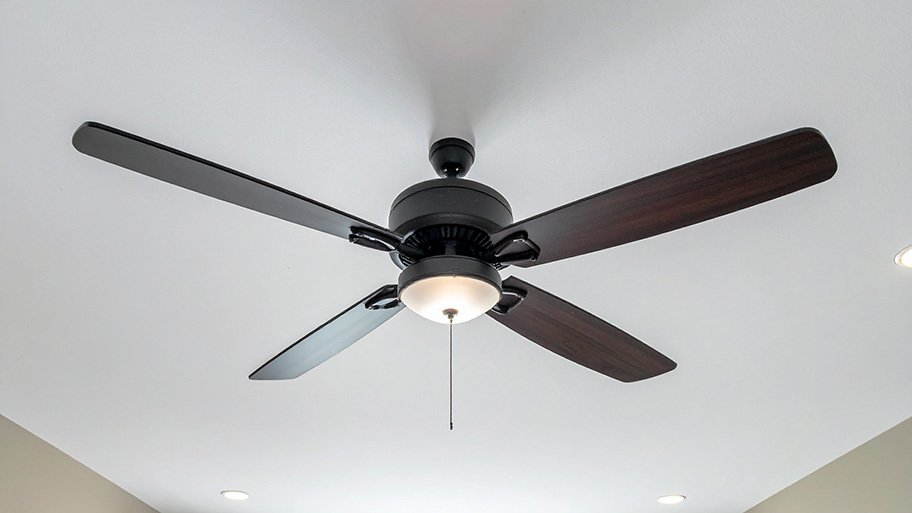
Are your ceiling fans dusty and slowing down your room’s fresh feel? Cleaning them might seem like a hassle, but it doesn’t have to be.
With the right tips, you can make the job quick, easy, and even satisfying. Imagine enjoying cool air without worrying about dust swirling around. Keep reading, and you’ll discover simple tricks that save your time and effort while making your ceiling fans look and work like new.
Your home deserves that fresh breeze—let’s get started!
Gathering Necessary Supplies
Cleaning ceiling fans needs the right tools to work well. Getting supplies ready saves time and effort.
Using proper items helps remove dust and dirt safely from fan blades and parts.
Cleaning Cloths And Dusting Tools
Soft cloths and dusters help wipe fan blades without scratching. Microfiber cloths trap dust better than regular rags.
- Microfiber cloths
- Feather or microfiber dusters
- Old pillowcases for covering blades
Cleaning Solutions
Choose gentle cleaners that remove grease and dust. Avoid harsh chemicals that can damage fan finish.
| Cleaning Solution | Use |
| Mild dish soap with water | General cleaning |
| White vinegar diluted with water | Grease removal |
| Commercial fan cleaner | Stubborn dirt |
Safety And Support Items
Use tools that keep you safe and steady while cleaning. These items help prevent accidents.
- Sturdy step ladder
- Protective gloves
- Safety glasses
- Old newspapers or drop cloth

Credit: www.gmmodular.com
Safety Precautions
Cleaning ceiling fans can be tricky because they are high up and have moving parts. Taking safety steps helps prevent accidents and injuries.
Use the right tools and prepare the area before you start cleaning. This keeps you safe and makes the job easier.
Turn Off The Fan And Power
Always switch off the ceiling fan before cleaning. Turn off the power at the circuit breaker for extra safety.
This prevents the fan from starting while you clean. It also reduces the risk of electric shock.
Use A Stable Ladder Or Step Stool
Choose a strong ladder or step stool to reach the fan safely. Do not stand on chairs or unstable surfaces.
Make sure the ladder is on a flat surface and locked in place before climbing up.
Protect Your Eyes And Face
Wear safety glasses or goggles to keep dust and debris out of your eyes. A mask can protect you from inhaling dust.
Cover your face with a cloth or mask if you are sensitive to dust or allergens.
Avoid Using Wet Cloths On Electrical Parts
Do not use wet cloths or sprays on the motor or electrical parts. Moisture can cause damage or electric shock.
Use dry or slightly damp cloths only on the fan blades and non-electrical areas.
Clear The Area Below The Fan
Remove furniture and objects from under the fan. This prevents damage if dust or cleaning tools fall.
It also gives you space to move safely while cleaning.
Preparation Steps
Cleaning ceiling fans can be tricky without the right preparation. Taking a few simple steps makes the process safer and easier.
Prepare your space and tools before you start. This helps you clean efficiently and avoid messes.
Turn Off The Power
Always switch off the ceiling fan and the room light before cleaning. This prevents accidents and saves energy.
If possible, turn off the fan’s power at the circuit breaker. This ensures full safety while you clean.
Gather Cleaning Supplies
Collect all needed tools before you start. This stops you from running around during the job.
- A ladder or step stool for reaching the fan
- A microfiber cloth or duster
- Mild cleaning spray or soapy water
- Old newspapers or drop cloth to catch dust
- Gloves to protect your hands
Protect Your Surroundings
Cover furniture and floors with old sheets or newspapers. This stops dust and dirt from falling everywhere.
Clear the area under the fan. Remove small items that could get dirty or broken during cleaning.
Check Fan Blades And Fixtures
Look at the fan blades and light fixtures for dust build-up or damage. Knowing the condition helps you clean better.
Note any loose screws or parts. Tighten or fix these before cleaning to avoid further damage.
Dusting Blades
Cleaning ceiling fan blades is important to keep air fresh and reduce dust. Dust on blades can spread allergens and dirt around the room.
Using the right tools and techniques makes dusting blades easier and faster. You can clean without damaging the blades or making a bigger mess.
Prepare Your Cleaning Tools
Gather soft cloths, a vacuum cleaner with a brush, and a mild cleaner. Avoid harsh chemicals that can damage the blade surface.
Use A Pillowcase For Dusting
Slip a pillowcase over each blade and gently wipe. This traps dust inside the pillowcase and stops it from falling on furniture or floor.
- Hold the blade firmly
- Slide the pillowcase over it
- Wipe from one end to the other
- Shake out the pillowcase outside
Dusting With A Microfiber Cloth
Microfiber cloths attract dust and hold it well. Use a dry or slightly damp cloth to clean each blade carefully.
| Tip | Reason |
| Use a dry cloth first | Removes loose dust quickly |
| Lightly dampen cloth if needed | Removes sticky dirt without damage |
| Clean both sides of blades | Ensures full dust removal |
Avoid Dust Falling On Furniture
Cover nearby furniture with a sheet or towel before dusting. This protects your items from dust and makes clean up easier.
Bonus Tip:Turn the fan off and wait until the blades stop moving before you start cleaning to avoid injury.
Deep Cleaning Techniques
Ceiling fans collect dust and dirt over time. Deep cleaning keeps them running smoothly. It also improves air quality in your home.
Using the right tools and methods makes cleaning easier. Here are some effective deep cleaning techniques for ceiling fans.
Using A Pillowcase
A pillowcase traps dust and prevents it from falling. It is a simple tool for cleaning fan blades without making a mess.
- Slip the pillowcase over a fan blade.
- Gently wipe the blade inside the case.
- Shake out the pillowcase outside to remove dust.
- Repeat for each blade to clean all surfaces.
Vinegar And Water Solution
This natural solution cuts grease and grime from fan blades. It is safe and easy to make with household items.
| Ingredient | Amount |
|---|---|
| White vinegar | 1 cup |
| Water | 1 cup |
| Spray bottle | 1 |
Mix equal parts vinegar and water in the spray bottle. Spray the solution on a cloth and wipe each blade. Avoid spraying directly on electrical parts.
Microfiber Cloth Method
Microfiber cloths pick up dust without scratching surfaces. They are reusable and easy to wash.
- Turn off the fan before cleaning.
- Lightly dampen the microfiber cloth with water.
- Wipe each blade from top to bottom.
- Use a dry cloth to remove moisture.
- Wash the cloth after use for next time.

Credit: www.tothetplumbingandheating.com
Cleaning Fan Motor And Housing
Cleaning the fan motor and housing keeps your ceiling fan running well. Dust and dirt can build up and cause problems.
Regular cleaning helps avoid damage and keeps the fan quiet. Use safe tools and follow simple steps.
Turn Off Power Before Cleaning
Always switch off the fan and power at the circuit breaker. This stops accidents and electric shocks.
Do not start cleaning until you are sure the fan is completely off.
Use A Soft Brush Or Cloth
Use a soft brush or microfiber cloth to remove dust from the motor and housing. Avoid wet cloths on motor parts.
- Do not use water or sprays directly on the motor
- Gently brush dust without pressing hard
- Clean housing surfaces with a damp cloth if needed
Check For Loose Screws And Parts
After cleaning, check if screws or parts are loose. Tighten them carefully to avoid noise or wobbling.
Loose parts can cause the fan to work poorly and wear out faster.
Avoid Using Harsh Chemicals
Do not use strong cleaners or solvents on the motor or housing. They can damage the fan’s finish and parts.
Stick to mild soap and water for the housing and dry the motor area carefully.
Clean The Fan Motor Vents
Use a soft brush or a vacuum cleaner with a brush attachment to clean vents. This helps the motor stay cool.
Blocked vents can cause the motor to overheat and reduce fan life.
Tackling Stubborn Grime
Ceiling fans often collect dust and grime that is hard to remove. Stubborn dirt can build up over time on blades and motor parts.
Using the right tools and techniques makes cleaning easier and faster. This guide shows how to clean tough grime safely.
Use A Mild Cleaning Solution
Mix warm water with a few drops of dish soap. This solution helps break down oily grime without damaging the fan.
Dip a soft cloth or sponge in the solution. Wring out extra water to avoid drips on the fan motor.
Scrub Gently With A Soft Brush
Use a soft-bristle brush to scrub the blades and motor covers. This loosens dirt without scratching surfaces.
Focus on edges and corners where grime hides. Brush in gentle circles for best results.
Use A Vacuum Cleaner With Brush Attachment
A vacuum cleaner with a soft brush can remove loose dust and dirt from hard-to-reach areas. It reduces airborne dust during cleaning.
Run the brush attachment over blades and motor vents before wiping to remove debris.
Try Baking Soda Paste For Tough Stains
Make a paste with baking soda and water. Apply it to stubborn grime spots and let it sit for 10 minutes.
Wipe off with a damp cloth. Baking soda gently lifts grease and dirt without harsh chemicals.
Dry Thoroughly To Prevent Damage
After cleaning, dry all parts with a clean cloth. Moisture can damage electrical parts or cause rust.
Make sure blades and motor covers are fully dry before turning the fan back on.
Regular Maintenance Tips
Cleaning ceiling fans regularly keeps them running smoothly. It also improves air quality and reduces dust buildup.
Following simple maintenance steps saves time and effort in the long run. It also helps avoid damage to the fan parts.
Dust Fan Blades Often
Use a soft cloth or microfiber duster to wipe each blade. Dusting once a week prevents thick layers from forming.
Use A Gentle Cleaner
Mix mild soap with water to clean the blades. Avoid harsh chemicals that can damage the finish.
Check Screws And Connections
Loose screws cause wobbling and noise. Tighten all screws on the fan and mounting bracket regularly.
Balance Fan Blades
- Inspect blades for warping or damage
- Use a blade balancing kit if the fan wobbles
- Replace damaged blades promptly
Lubricate Moving Parts
Apply a few drops of light machine oil to the motor bearings. This reduces friction and noise.
Set Cleaning Schedule
| Task | Frequency |
| Dusting blades | Weekly |
| Cleaning with mild soap | Monthly |
| Checking screws | Every 3 months |
| Lubricating parts | Every 6 months |
Common Mistakes To Avoid
Cleaning ceiling fans seems easy but often people make mistakes. These errors can cause more dust or damage the fan.
Knowing what to avoid helps clean fans faster and keeps them working well.
Using A Dry Cloth Only
Many people use a dry cloth to clean fan blades. This can spread dust into the air instead of removing it.
Ignoring Safety Precautions
Cleaning fans without turning off the power is risky. It can cause injury or damage to the fan motor.
Skipping The Ladder Or Proper Support
Standing on unstable surfaces or chairs can cause falls. Always use a sturdy ladder or step stool for safety.
Using Harsh Cleaners
Strong chemicals can harm the fan’s finish or parts. Use mild soap and water instead.
Not Cleaning The Motor And Light Fixtures
Only cleaning the blades leaves dust on other parts. Dust buildup can affect fan performance.
- Unplug or turn off the fan before cleaning
- Use a damp cloth with mild soap for blades
- Wipe motor housing gently with a dry cloth
- Clean light fixtures carefully to avoid damage
- Check screws and parts for tightness during cleaning
Forgetting Regular Cleaning
Waiting too long between cleanings makes dust harder to remove. Clean fans every few weeks for best results.
| Mistake | Why It’s a Problem | How to Avoid |
| Using dry cloth only | Spreads dust into the air | Use a damp cloth or microfiber |
| Ignoring safety | Risk of injury or fan damage | Turn off power before cleaning |
| Unstable support | Risk of falling | Use a sturdy ladder |
| Harsh cleaners | Damage finish or parts | Use mild soap and water |
| Skipping motor and lights | Dust buildup affects performance | Clean all parts gently |
| Irregular cleaning | Dust hard to remove | Clean regularly every few weeks |
Credit: www.selecthomewarranty.com
Frequently Asked Questions
How Often Should I Clean Ceiling Fans?
Ceiling fans should be cleaned every 1-2 months to prevent dust buildup. Regular cleaning improves air quality and fan efficiency. Frequent cleaning also extends the fan’s lifespan and reduces allergens in your home environment.
What Is The Safest Way To Clean Ceiling Fans?
Use a microfiber cloth or a pillowcase to trap dust safely. Avoid harsh chemicals; a mild detergent with water works best. Always turn off the fan and use a stable ladder for safety.
Can I Use A Vacuum To Clean Ceiling Fans?
Yes, a vacuum with a brush attachment effectively removes dust. This method prevents dust from falling onto furniture or floors. Use low suction to avoid damaging fan blades.
Should I Clean Ceiling Fans Before Or After Dusting The Room?
Clean ceiling fans before dusting the room to avoid spreading dust. Fan cleaning dislodges dust that settles on other surfaces. This approach keeps your entire room cleaner for longer.
Conclusion
Cleaning ceiling fans does not have to be hard or time-consuming. Use the right tools and clean regularly to keep fans dust-free. A clean fan works better and lasts longer. Remember to stay safe by turning off the fan before cleaning.
Small efforts make a big difference in your home’s air quality. Keep these tips in mind for easy and fast cleaning. Your ceiling fans will stay fresh and help your room feel comfortable all year. Simple steps, great results.