
Are you ready to transform your kitchen into a bright, welcoming space that flows seamlessly with the rest of your home? Designing a kitchen with an open-plan concept can do just that.
It not only makes your home feel bigger but also creates the perfect spot for cooking, dining, and spending quality time with family and friends. You’ll discover simple steps and smart ideas to design an open-plan kitchen that fits your lifestyle and looks amazing.
Let’s dive in and unlock the secrets to your dream kitchen!
Benefits Of An Open-plan Kitchen
An open-plan kitchen combines the cooking area with living or dining spaces. This design creates a large, shared space.
This style is popular because it improves how people use their homes every day.
Improved Social Interaction
Open-plan kitchens let family and guests talk while cooking. You can watch children or join conversations easily.
This layout makes the kitchen a social hub, not just a workspace.
More Natural Light
Without walls blocking light, sunlight spreads across the kitchen and living areas. This makes rooms feel bright and fresh.
Natural light improves mood and saves energy by reducing the need for lamps during the day.
Better Space Utilization
Open layouts make small homes feel larger. The space looks open and less crowded without dividing walls.
You can arrange furniture freely and create flexible zones for cooking, eating, and relaxing.
Easier Entertaining
Open kitchens help hosts cook and serve guests at the same time. You can prepare food without missing the party.
This design keeps everyone connected and creates a lively atmosphere for gatherings.
Modern And Stylish Look
Open-plan kitchens give homes a clean, modern feel. The space looks neat and organized with fewer walls.
This design fits many home styles and helps show off your kitchen’s best features.
Key Elements Of Open-plan Design
Designing a kitchen with an open-plan concept creates a bright and spacious area. It combines cooking, dining, and living spaces into one. This style encourages social interaction and easy movement.
To make the most of an open-plan kitchen, focus on space, lighting, and colors. These elements work together to create a balanced and welcoming environment.
Space And Layout
Plan the layout to allow clear paths and zones. Use furniture and counters to separate areas without walls. Keep the space open and flexible for easy use.
- Arrange kitchen work zones in a triangle for efficiency
- Use islands or peninsulas to define spaces
- Choose furniture that suits both cooking and socializing
- Keep walkways at least 36 inches wide
- Store items neatly to reduce clutter
Lighting Considerations
Good lighting makes the kitchen feel open and inviting. Combine natural and artificial light sources. Use layers of light for different tasks and moods.
| Lighting Type | Purpose |
| Ambient | General room light |
| Task | Focused light for cooking and prep |
| Accent | Highlight features or decor |
| Natural | Daylight to brighten space |
Color Schemes
Choose colors that blend the kitchen with the rest of the open space. Light shades make the area feel larger. Use bold colors as accents to add interest.
Popular Color Ideas for Open-Plan Kitchens:
- White and soft gray for a clean look
- Warm beige or cream for coziness
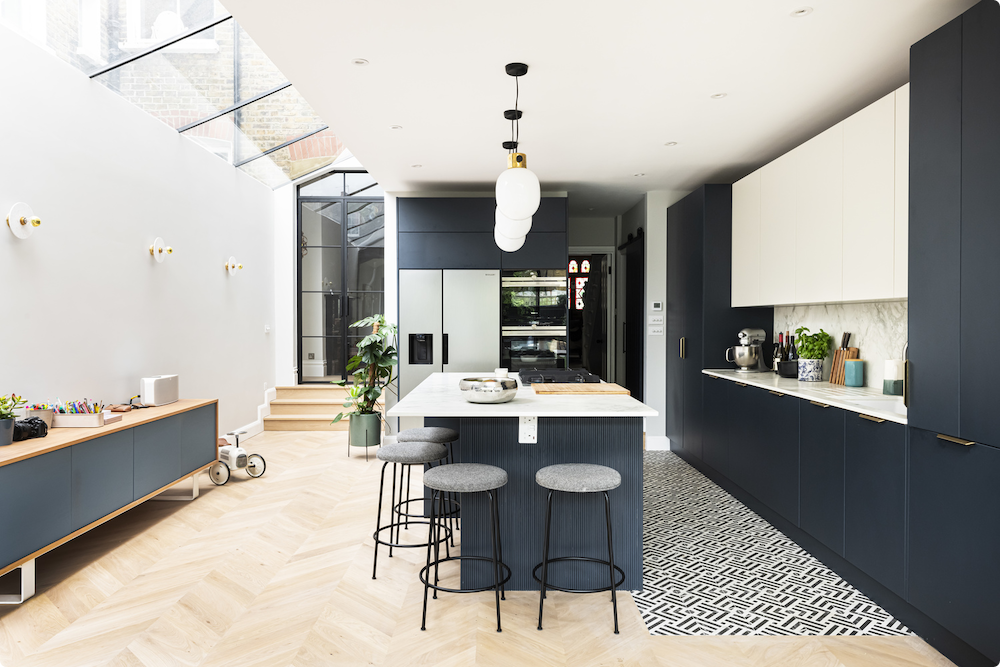
- Bold blues or greens as accent walls or cabinets
- Natural wood tones for warmth and texture
Incorporating Functional Zones
Designing an open-plan kitchen means creating clear zones for different activities. This helps keep the space organized and easy to use. Each zone should support its main function without interrupting others.
Functional zones make cooking, dining, and storage smooth and efficient. Thoughtful layout and design will improve the flow and comfort in the kitchen.
Cooking And Preparation Area
This area needs good lighting and enough counter space. Place the stove, sink, and fridge close to each other to save time while cooking. Make sure there is room for chopping and mixing.
- Install bright overhead and task lighting
- Use durable, easy-to-clean countertops
- Keep essential utensils and appliances within reach
- Arrange stove, sink, and fridge in a triangle for flow
- Include a clear workspace for food preparation
Dining And Socializing Space
This zone should encourage comfort and conversation. Use a table or island with seating to invite family and guests to gather. Keep enough space for moving around without bumping into cooking zones.
| Feature | Purpose | Tip |
| Dining Table or Island | Gathering and eating | Choose size to fit space and people |
| Comfortable Seating | Encourage long stays | Use cushioned chairs or stools |
| Open Space | Easy movement | Keep pathways clear around seating |
| Lighting | Set mood | Use warm, adjustable lights |
Storage Solutions
Good storage keeps the kitchen tidy and functional. Use cabinets, shelves, and drawers to store items by use. Group similar items together to find them easily.
- Place pots and pans near the stove
- Store dishes close to the dining area
- Use pull-out drawers for easy access
- Incorporate vertical storage to save floor space
- Keep pantry items in clear containers

Credit: www.tilemountain.co.uk
Choosing The Right Materials
Designing a kitchen with an open-plan concept needs smart material choices. The right materials make the space look stylish and work well.
Materials should be durable and easy to clean. They must also match the overall style of your home.
Flooring Options
Flooring connects your kitchen to the rest of the open space. Choose floors that look good and handle kitchen messes.
Hardwood floors add warmth but can scratch easily. Tiles are strong and water-resistant. Vinyl is soft underfoot and budget-friendly.
- Hardwood: classic, warm, needs care
- Ceramic or porcelain tile: durable, water-proof
- Vinyl plank: soft, affordable, easy to clean
- Stone: natural look, very strong
Countertop Choices
Countertops are a key part of kitchen design. Pick materials that resist stains and heat in an open space.
Quartz is popular for its durability and low care. Granite offers a natural look but needs sealing. Laminate is budget-friendly and comes in many colors.
- Quartz: strong, low maintenance
- Granite: natural, needs sealing
- Laminate: affordable, many styles
- Marble: elegant but stains easily
Cabinetry And Finishes
Cabinets define the kitchen’s look and storage. Choose finishes that match your style and handle open-plan use.
Matte finishes hide fingerprints better than glossy. Wood cabinets add warmth. Painted cabinets offer many color choices.
- Wood: warm, classic feel
- Painted: flexible color options
- Matte finish: hides smudges
- Glossy finish: modern, reflective
Enhancing Aesthetics
Designing a kitchen with an open-plan concept means making the space look beautiful and inviting. The goal is to create a smooth flow between the kitchen and other areas.
Using design tricks can improve the room’s look while keeping it functional. Small details make a big difference in open-plan kitchens.
Decorative Elements
Decorative elements add personality to your kitchen. Choose items that match the style of your home and create harmony with the open space.
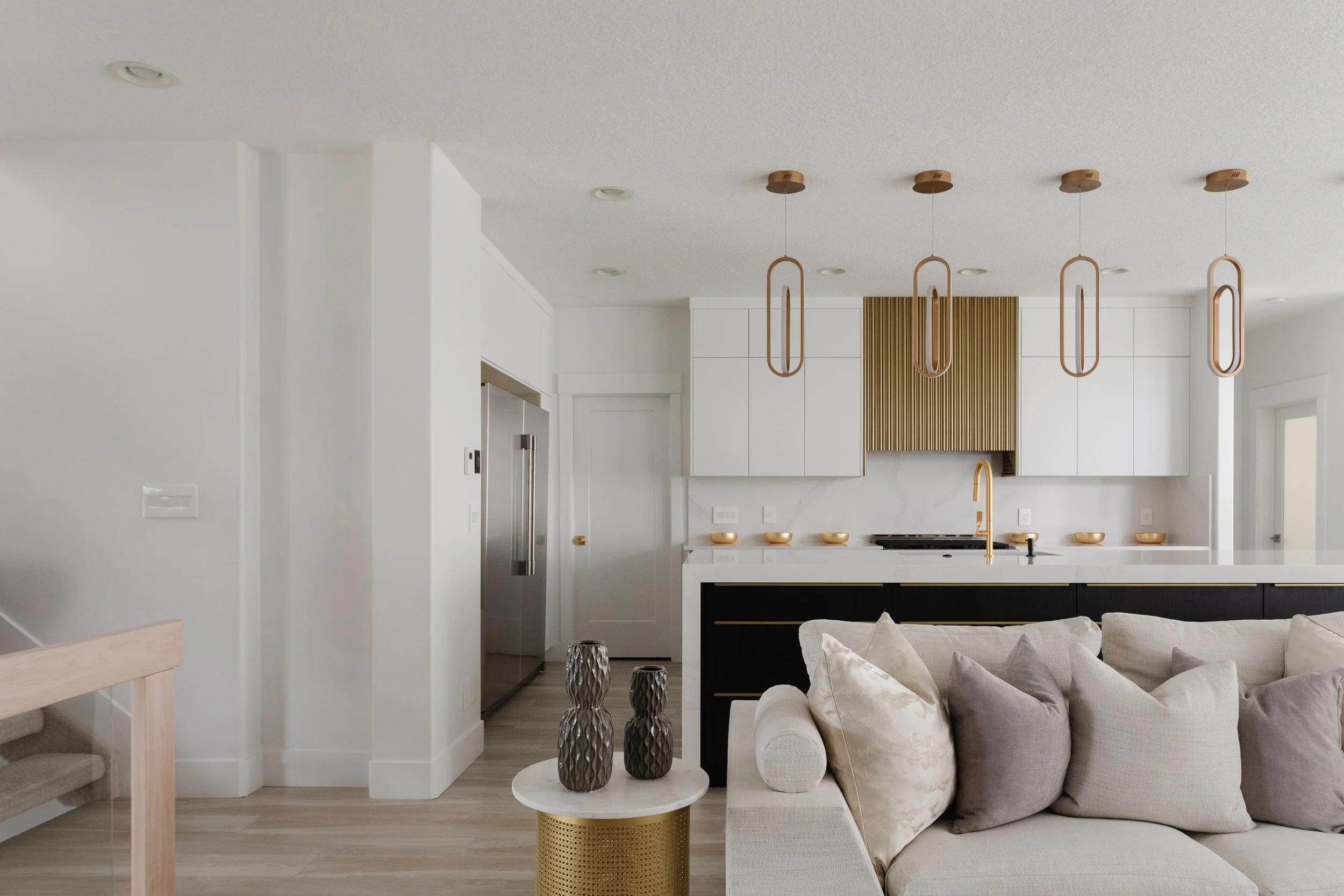
Materials like wood, metal, and glass create texture and interest. Light fixtures and backsplashes can also become focal points.
- Use pendant lights over the kitchen island
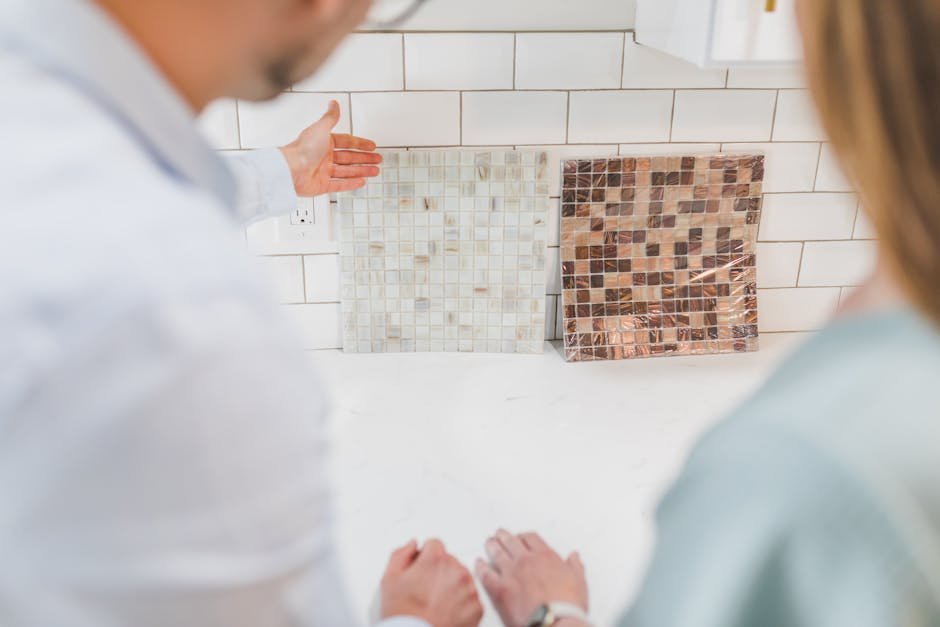
- Add a stylish backsplash with unique patterns
- Include open shelves with decorative jars or plants
- Choose a rug that ties the kitchen and living area
Integrating Art And Accessories
Art and accessories bring color and style to the open-plan kitchen. They help connect the kitchen with the rest of the home.
Pick pieces that reflect your taste but keep a balance. Avoid clutter to keep the space open and airy.
- Hang simple paintings or prints on nearby walls
- Use decorative bowls or trays on countertops
- Add fresh flowers or potted herbs for life and color
- Include stylish storage containers that look nice
Seamless Indoor-outdoor Transition
Connecting the kitchen to outdoor areas makes the space feel larger and brighter. This transition improves the room’s flow and use.
Use similar colors and materials inside and outside. Large windows or glass doors help blend the two spaces smoothly.
- Install sliding or folding glass doors
- Match flooring materials between indoor and outdoor areas
- Use outdoor furniture that complements indoor style
- Add plants near entrances to link spaces naturally
Credit: www.tailoredinterior.ca
Maximizing Natural Light
Natural light makes a kitchen feel bright and open. It helps save energy and improves mood.
Designing with natural light in mind creates a welcoming space for cooking and gathering.
Window Placement
Place windows where they catch the most sunlight during the day. South-facing windows bring steady light.
Use large windows near the cooking and dining areas to brighten the space. Avoid blocking windows with cabinets.
- Install windows above the sink for natural light while working
- Choose windows that open to fresh air
- Keep window frames slim to allow more light
Skylights And Glass Doors
Skylights bring light from above. They brighten areas that windows cannot reach.
Glass doors let in light and connect the kitchen to outdoor spaces. They make the room look larger.
- Choose energy-efficient skylights to reduce heat loss
- Use sliding or French glass doors for easy access outside
- Keep glass clean to maintain clear light flow
Creating A Cohesive Look
Designing a kitchen with an open-plan layout needs a clear style. A cohesive look helps the kitchen blend well with the rest of the home.
Using matching colors, materials, and styles creates harmony in the space. This makes the kitchen feel part of the whole area.
Consistent Design Theme
Choose one design theme and use it throughout the kitchen and adjoining rooms. This keeps the space connected and balanced.
For example, a modern kitchen with clean lines looks best with modern furniture and simple decor. Avoid mixing too many styles.
- Pick a style like rustic, modern, or minimalist
- Use similar colors and materials in all areas
- Keep patterns and textures consistent
Coordinated Furniture And Decor
Select furniture and decor pieces that match the design theme. Coordinated items help the kitchen and living space feel united.
Use similar colors or materials in chairs, tables, lighting, and accessories. This creates a smooth flow from one area to another.
- Choose furniture with matching colors or finishes
- Use decor items that share shapes or styles
- Keep lighting simple and uniform across spaces
Addressing Acoustics
Open-plan kitchens are popular for their spacious feel. But sound can travel easily in these areas.
Good acoustics help keep noise under control. This makes the space more comfortable for everyone.
Soundproofing Techniques
Use materials that absorb sound to reduce noise. Adding barriers can stop sound from spreading.
- Install acoustic panels on walls or ceilings
- Use double-glazed windows to block outside noise
- Add a thick, solid door between kitchen and other rooms
- Place rugs or mats on hard floors to soften sound
- Use cabinetry with solid doors to reduce noise from appliances
Soft Furnishings And Textiles
Soft items help absorb sound waves. They reduce echoes and make the room quieter.
- Choose curtains made of thick fabric for windows
- Add cushions or upholstered chairs around the kitchen island
- Use fabric-covered seat pads on stools
- Place rugs in walking areas to lower footstep noise
- Consider wall hangings or tapestries to reduce sound reflection
Incorporating Smart Technology
Designing a kitchen with an open-plan concept allows for a smooth flow between spaces. Adding smart technology can improve both function and style.
Smart devices make your kitchen easier to use. They help save time and energy while keeping the space modern.
Smart Appliances
Smart appliances connect to your phone or voice assistant. This lets you control them from anywhere.
Examples include refrigerators with touchscreens, ovens that you can preheat remotely, and dishwashers with sensors.
- Refrigerators that track groceries and suggest recipes
- Ovens with timers and temperature controls via apps
- Dishwashers that adjust water use based on load size
- Smart coffee makers that start brewing on schedule
Integrated Lighting Systems
Lighting can set the mood and make cooking easier. Smart lighting systems offer many options to control brightness and color.
You can program lights to turn on or off automatically. Use voice commands or apps to change lighting without leaving your spot.
- Under-cabinet lights to brighten work areas
- Color-changing lights for different moods
- Motion sensors to save energy
- Scheduling features for convenience
Credit: resi.co.uk
Frequently Asked Questions
What Is An Open-plan Kitchen Design?
An open-plan kitchen design integrates the kitchen with living or dining areas. It creates a spacious, airy feel and encourages social interaction. This layout enhances natural light and offers flexible use of space. It’s ideal for modern, family-friendly homes.
How To Choose The Best Layout For Open-plan Kitchens?
Choose layouts like L-shaped, U-shaped, or island designs. Consider traffic flow and work triangle efficiency. Prioritize space for cooking, dining, and socializing. Customize according to your room size and lifestyle needs for optimal functionality and comfort.
What Materials Work Best For Open-plan Kitchen Surfaces?
Use durable, easy-to-clean materials like quartz, granite, or laminate. These surfaces resist stains and scratches. They complement the open-plan’s modern look and maintain a cohesive aesthetic. Choose colors that blend with adjoining living spaces for harmony.
How To Maintain Privacy In An Open-plan Kitchen?
Use partial dividers, islands, or furniture placement to create zones. Incorporate rugs or lighting to define areas visually. Choose smart storage to hide clutter. These methods maintain openness while offering subtle privacy and organization.
Conclusion
Designing an open-plan kitchen brings light and space together. It creates a friendly place for cooking and talking. Choose clear layouts to keep the area neat. Use colors and materials that match your style. Add smart storage to avoid clutter.
Let natural light fill the room. Keep paths clear for easy movement. This design fits many home styles well. It makes your kitchen feel larger and brighter. Open-plan kitchens invite family and friends to gather easily. Simple steps can make a big difference in your home.