
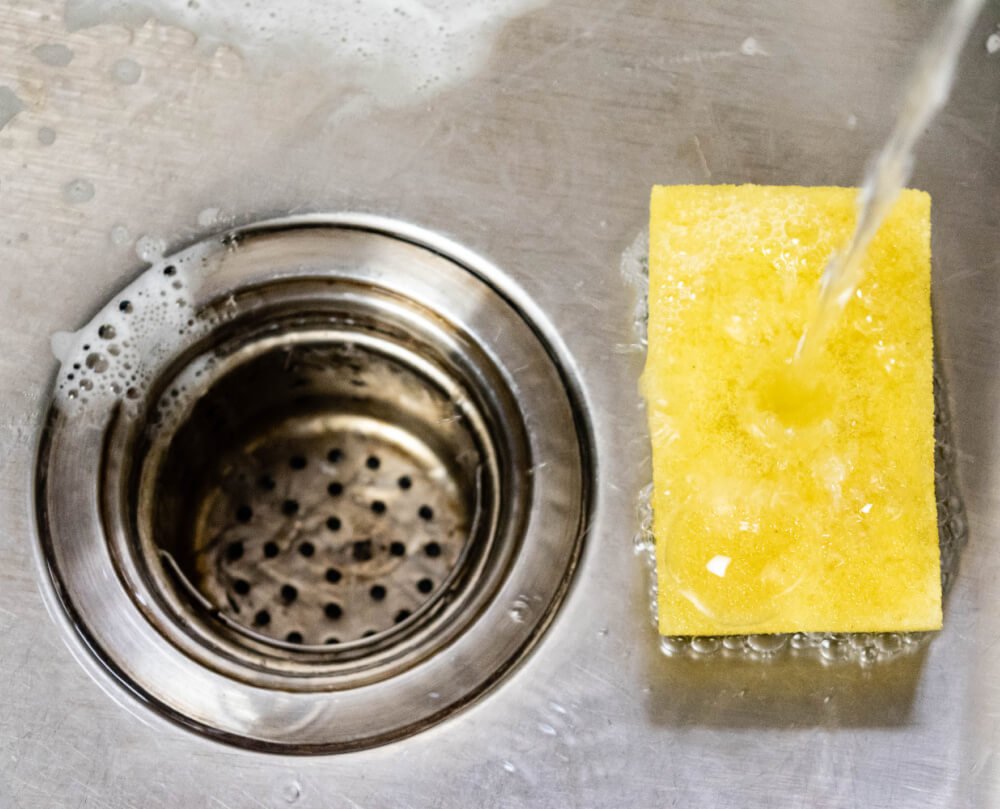
Is your sink looking dull or clogged with stubborn stains? You don’t need harsh chemicals or expensive cleaners to get it sparkling clean.
Baking soda, a simple and natural ingredient found in most kitchens, can transform your sink with ease. Imagine a fresh, spotless sink that feels almost new—without extra effort or harmful substances. Keep reading, and you’ll discover easy steps to clean your sink effectively using baking soda.
Your kitchen or bathroom will thank you!
Benefits Of Baking Soda For Cleaning
Baking soda is a common and safe cleaner for sinks. It helps remove dirt and stains without harsh chemicals.
This natural cleaner is easy to use and works well on many types of sink materials.
Non-toxic And Safe
Baking soda is safe for people and pets. It does not release harmful fumes or chemicals.
You can clean your sink without worrying about toxic residues or allergic reactions.
Deodorizes And Removes Odors
Baking soda neutralizes bad smells in your sink. It stops odors from lingering after cleaning.
Using baking soda keeps your sink smelling fresh and clean for longer periods.
Acts As A Mild Abrasive
Baking soda gently scrubs away grime without scratching sink surfaces. It is perfect for everyday cleaning.
This mild abrasive property helps remove stains and buildup effectively and safely.
Affordable And Easy To Find
Baking soda is cheap and available in most stores. You can buy it without spending much money.
This makes baking soda a practical choice for regular sink cleaning at home.
Environmentally Friendly
Baking soda is biodegradable and safe for the environment. It does not pollute water or soil.
Using baking soda reduces the need for harsh chemical cleaners that harm nature.
Credit: www.rd.com
Materials Needed
Cleaning your sink with baking soda is simple and safe. You only need a few common items.
Gather these materials before you start. This will make the cleaning process faster and easier.
Baking Soda
Baking soda acts as a gentle abrasive to remove stains and grime. It also neutralizes odors in your sink.
Water
Use water to make a paste with baking soda or to rinse the sink after cleaning. Warm water works best for dissolving residues.
Scrubbing Tool
A scrubbing tool helps remove stubborn dirt. Choose a soft sponge, brush, or cloth to avoid scratching the sink surface.
Optional Cleaning Add-ons
- White vinegar to boost cleaning power
- Dish soap for extra grease removal
- Rubber gloves to protect your hands
| Material | Purpose |
| Baking Soda | Remove stains and odors |
| Water | Make paste and rinse sink |
| Scrubbing Tool | Clean sink surface |
| White Vinegar | Enhance cleaning effect |
| Dish Soap | Remove grease |
| Rubber Gloves | Protect hands |
Preparation Steps
Cleaning sinks with baking soda is simple and effective. Proper preparation makes the process easier.
Gathering the right tools and preparing the sink helps remove stains and odors better.
Clear The Sink Area
Remove all dishes, soap, and other items from the sink and countertop. A clear area prevents dirt from spreading back.
Gather Cleaning Supplies
- Baking soda
- White vinegar
- Soft sponge or cloth
- Old toothbrush for tight spots
- Rubber gloves to protect your hands
- Warm water
Check Sink Material
Know your sink’s material before cleaning. Baking soda is safe for most sinks but may scratch delicate surfaces.
| Sink Material | Safe to Use Baking Soda? |
| Stainless Steel | Yes |
| Ceramic | Yes |
| Porcelain | Yes |
| Natural Stone | No, can damage surface |
| Composite | Check manufacturer advice |
Prepare The Sink Surface
Rinse the sink with warm water to remove loose debris. This helps baking soda stick better and work effectively.
Cleaning Stainless Steel Sinks
Stainless steel sinks look great but need regular cleaning. Baking soda is a safe and easy way to clean them. It helps remove stains and grime without scratching the surface.
This guide shows how to clean your stainless steel sink using baking soda in simple steps. Follow these tips to keep your sink shiny and fresh.
Applying Baking Soda
Start by rinsing the sink with warm water. Then sprinkle baking soda evenly over the wet surface. The baking soda will stick and work as a gentle scrubber for dirt and stains.
Scrubbing Techniques
Use a soft sponge or cloth to scrub the sink. Move in small circles to avoid scratches. Focus on stained or dirty areas, but cover the entire sink for even cleaning.
- Apply gentle pressure while scrubbing
- Scrub around drain and corners carefully
- Use an old toothbrush for tight spots
- Do not use steel wool or hard brushes
Rinsing And Drying
After scrubbing, rinse the sink well with warm water. Make sure to remove all baking soda to prevent residue. Dry the sink with a clean towel to stop water spots and keep the shine.
| Tip | Reason |
| Use warm water for rinsing | It dissolves baking soda easily |
| Dry the sink after rinsing | Prevents water spots and streaks |
| Clean regularly | Keeps sink shiny and stain-free |
Cleaning Porcelain Sinks
Porcelain sinks look clean and shiny when cared for properly. Baking soda is a safe cleaner for these sinks.
It helps remove dirt and stains without damaging the surface. Use simple ingredients you already have at home.
Baking Soda And Vinegar Mix
Sprinkle baking soda all over the sink surface. Then spray or pour white vinegar onto the baking soda.
The mix will fizz and help break down grime. Let it sit for five to ten minutes before scrubbing gently.
- Sprinkle baking soda evenly
- Pour or spray white vinegar
- Wait 5 to 10 minutes
- Scrub with a soft sponge
Handling Stubborn Stains
For tough stains, make a thick paste with baking soda and water. Apply it directly on the stain.
Let the paste sit for 15 minutes. Then scrub the area gently with a soft cloth or sponge to avoid scratches.
- Mix baking soda with a little water
- Apply paste on stains
- Leave for 15 minutes
- Scrub gently and rinse
Finishing Touches
Rinse the sink thoroughly with warm water to remove all residue. Dry the sink with a clean towel.
This step prevents water spots and keeps your porcelain sink shiny for longer. Repeat cleaning once a week.
Tips For Maintaining Clean Sinks
Keeping your sink clean is important for a fresh kitchen or bathroom. Baking soda is a safe, easy cleaner that helps remove stains and smells.
Regular cleaning with baking soda keeps your sink looking new and prevents buildup. Here are simple tips to maintain a clean sink every day.
Daily Cleaning Routine
Clean your sink every day to stop dirt and grime from building up. Use baking soda to scrub the surface gently.
- Sprinkle baking soda all over the sink.
- Use a soft sponge to scrub in circles.
- Rinse with warm water to wash away residue.
- Dry the sink with a clean cloth to prevent water spots.
Dealing With Stains And Odors
Baking soda removes stains and neutralizes bad smells. For tough stains, make a paste with baking soda and water.
Apply the paste to the stain and let it sit for 15 minutes. Then scrub and rinse well to see better results.
Preventing Clogs And Buildup
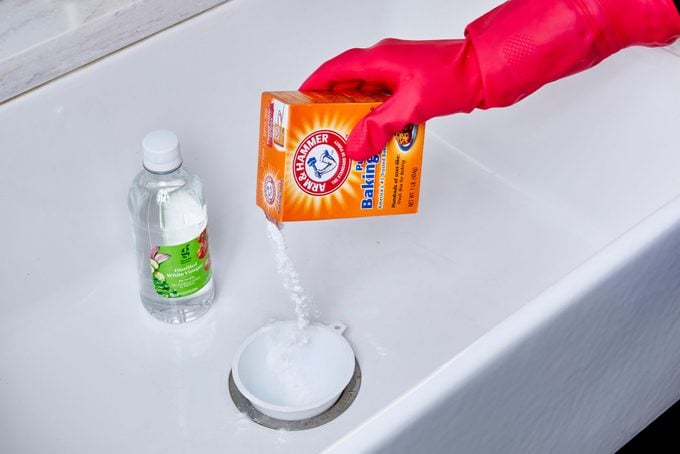
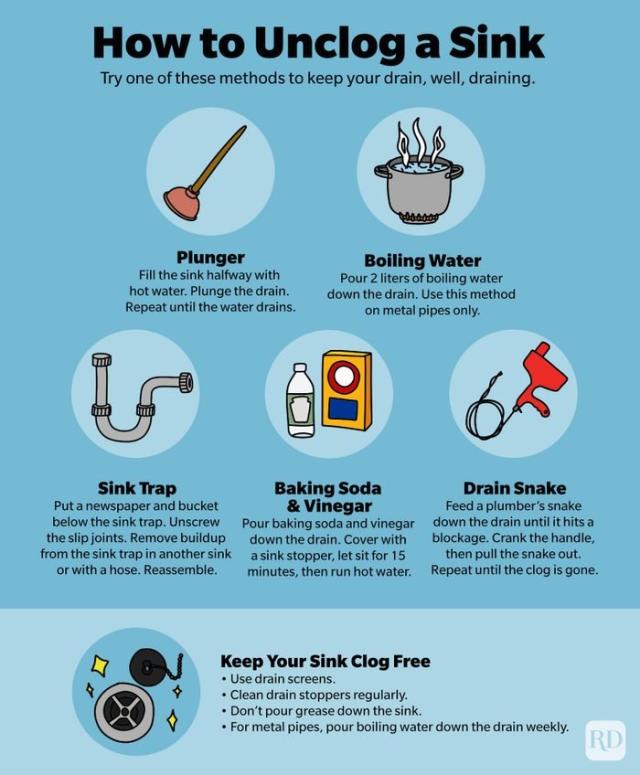
Use baking soda with vinegar to keep drains clear. This combination breaks down grease and stops clogs.
Try this simple drain cleaning method weekly:
- Pour half a cup of baking soda down the drain.
- Follow with half a cup of white vinegar.
- Wait 10 minutes for fizzing action.
- Flush with hot water to clear the pipes.
Protecting Sink Surfaces
Avoid harsh chemicals that can damage your sink. Baking soda is gentle and safe for most surfaces.
| Sink Type | Cleaning Tip |
| Stainless Steel | Use baking soda paste and soft cloth |
| Ceramic | Scrub with baking soda and sponge |
| Porcelain | Apply baking soda paste, rinse gently |
| Granite | Wipe with baking soda solution, avoid scrubbing |
Common Mistakes To Avoid
Cleaning sinks with baking soda is simple and effective. Many people make mistakes that reduce its power. Avoid these errors to get the best results.
Knowing what not to do helps keep your sink clean and fresh without damage. Read on to learn common mistakes and how to avoid them.
Using Too Much Baking Soda
Some think more baking soda cleans better. This is false. Using too much can leave a gritty residue that is hard to rinse away.
Mixing Baking Soda With Harsh Chemicals
Do not mix baking soda with bleach or ammonia. This can cause dangerous fumes. Stick to using baking soda with water or vinegar only.
Ignoring The Right Tools
Scrubbing with a rough brush or steel wool can scratch your sink. Use a soft sponge or cloth for gentle cleaning.
Not Rinsing Properly
Leaving baking soda on the sink without rinsing can cause buildup. Always rinse well with warm water after cleaning.
Using Baking Soda On Delicate Sink Materials
Baking soda is safe for most sinks but can harm delicate materials like natural stone. Test a small area first or avoid use on sensitive surfaces.
- Granite sinks may dull with baking soda
- Marble sinks can stain or scratch
- Porcelain sinks are usually safe
- Stainless steel works well with baking soda
Leaving Baking Soda And Vinegar To Sit Too Long
Some let the baking soda and vinegar fizz for too long. This can weaken the effect and waste time. Let it sit for 5 to 10 minutes only.
Skipping Regular Cleaning
Cleaning once in a long while will not keep your sink fresh. Regular cleaning with baking soda prevents stains and bad smells.
Credit: www.aol.com
Safety Considerations
Cleaning sinks with baking soda is safe and effective. Still, you should follow some safety tips to avoid problems.
Understanding safety helps protect your skin, eyes, and surfaces in your home.
Protect Your Skin And Eyes
Baking soda is mild but can irritate sensitive skin or eyes. Wear gloves and avoid rubbing your eyes when cleaning.
Avoid Mixing With Other Chemicals
Do not mix baking soda with bleach or vinegar at the same time. This can cause harmful fumes or reactions.
Use Proper Ventilation
Open windows or turn on fans while cleaning. Good airflow prevents breathing in dust or any smell from other cleaners.
Safe Storage Of Baking Soda
- Keep baking soda in a dry, cool place.
- Store it away from children and pets.
- Use a tightly sealed container to avoid moisture.
Test On Small Area First
Try cleaning a small, hidden part of your sink first. This test shows if baking soda will harm the surface.
| Sink Material | Test Recommendation |
|---|---|
| Stainless Steel | Safe to test with baking soda paste |
| Porcelain | Test in a corner to check for scratches |
| Natural Stone | Avoid baking soda; use special cleaners |
:max_bytes(150000):strip_icc()/cleaning-a-garbage-disposal-2718863-20-ca02806e899940a982a72bc86fa1e42f.jpg)
Credit: www.thespruce.com
Frequently Asked Questions
How Does Baking Soda Clean Sinks Effectively?
Baking soda acts as a mild abrasive that removes grime and stains. It deodorizes by neutralizing odors, leaving sinks fresh and clean. Its natural, non-toxic properties make it safe for all sink types and eco-friendly.
Can Baking Soda Remove Sink Stains Completely?
Yes, baking soda can remove most sink stains. Its gentle abrasiveness breaks down grime without scratching surfaces. For tough stains, combine baking soda with vinegar or lemon juice for enhanced cleaning power.
Is Baking Soda Safe For All Sink Materials?
Baking soda is safe for stainless steel, porcelain, and ceramic sinks. It won’t damage or discolor surfaces. Avoid using baking soda on delicate or unfinished stone sinks without testing a small area first.
How Often Should I Clean My Sink With Baking Soda?
For best results, clean your sink with baking soda once a week. Regular use prevents buildup, stains, and odors. It maintains a fresh, shiny sink with minimal effort.
Conclusion
Cleaning sinks with baking soda is simple and effective. It removes stains and odors without harsh chemicals. Just sprinkle, scrub, and rinse for a fresh sink. This method saves money and helps the environment. Regular cleaning keeps your sink looking new longer.
Give baking soda a try for a clean, bright sink every time. Easy, safe, and natural—what more could you want?