
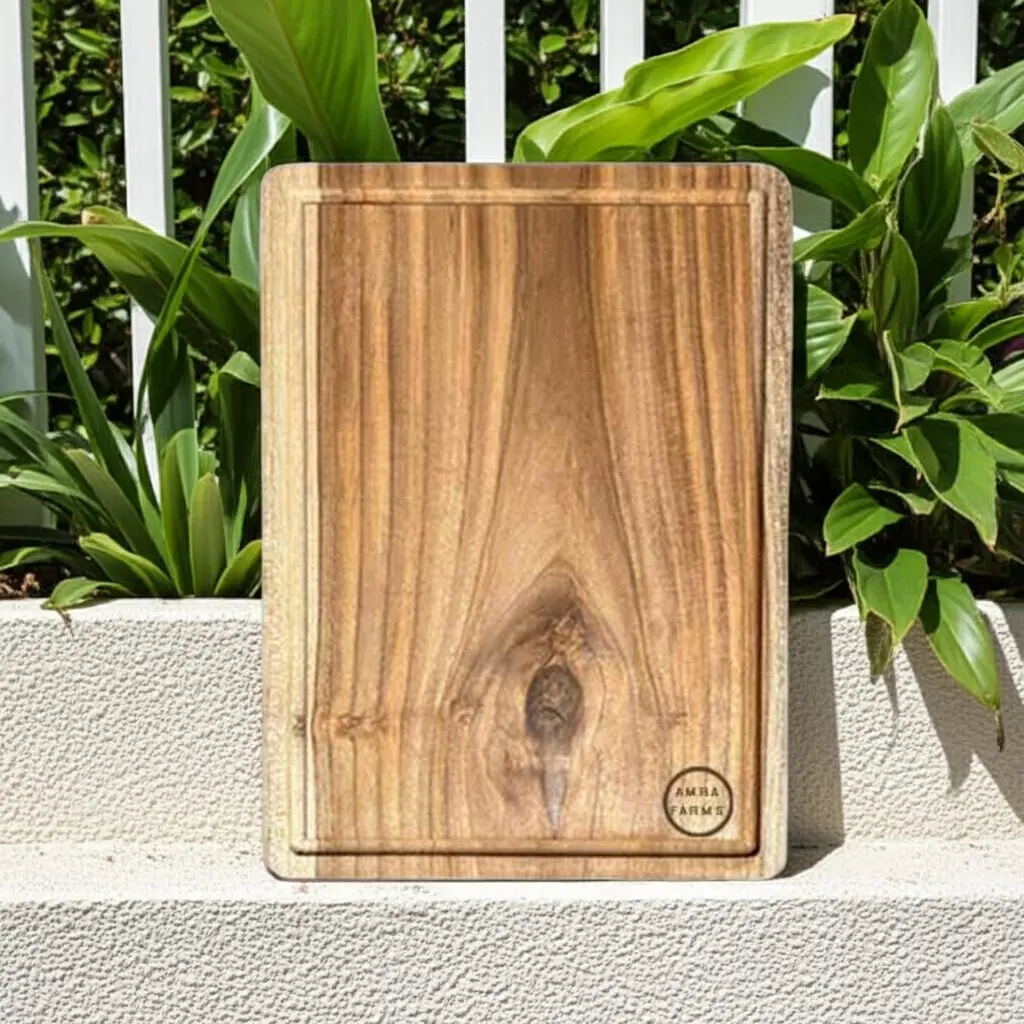
Are your cutting boards covered in stubborn knife marks that make them look worn out and unhygienic? You might think those grooves are impossible to clean, but there’s an easy way to restore your board’s smooth surface and keep it safe for food prep.
You’ll discover simple, effective methods to remove knife marks and keep your cutting boards looking fresh and lasting longer. Keep reading—you’ll be amazed at how quickly your kitchen tool can look like new again!
Choosing The Right Cutting Board Material
Choosing the right cutting board helps keep your kitchen clean and safe. It also affects how your knives stay sharp.
Different materials handle knife marks and cleaning in different ways. Knowing the pros and cons helps you pick the best one.
Wood Vs. Plastic
Wood and plastic are common cutting board materials. Each has benefits and drawbacks for cleaning and knife marks.
| Material | Pros | Cons |
| Wood | Gentle on knives, self-healing surface | Needs more care, can absorb liquids |
| Plastic | Easy to clean, dishwasher safe | Shows knife marks, can warp |
Pros And Cons Of Bamboo
Bamboo is a popular alternative to wood and plastic. It is eco-friendly but has unique features to consider.
- Bamboo is harder than many woods, which can dull knives faster.
- It resists water better than traditional wood boards.
- Bamboo boards are lightweight and easy to clean.
- They can develop knife marks, but these are less visible than on plastic.
- Requires regular oiling to keep the surface smooth and safe.
Essential Cleaning Tools And Supplies
Cleaning cutting boards is important to keep them safe and looking good. Knife marks can trap food and germs. Using the right tools helps clean these grooves well.
This guide explains useful cleaning agents and brushes that work best on cutting boards with knife marks.
Natural Cleaning Agents
Natural cleaning agents remove stains and odors from cutting boards. They are safe and easy to find at home. These agents help clean deep knife marks without harsh chemicals.
Common natural cleaners include vinegar, lemon, and baking soda. They work by breaking down food residue and killing bacteria.
- White Vinegar:Kills germs and deodorizes the board.
- Lemon Juice:Fights stains and adds a fresh scent.
- Baking Soda:Acts as a gentle scrub to remove stuck particles.
- Salt:Helps scrub tough marks when combined with lemon.
Specialized Cleaning Brushes
Specialized brushes reach into knife marks and grooves better than regular sponges. They clean without damaging the board’s surface.
Look for brushes with firm but flexible bristles. Wooden-handled brushes or silicone ones are good choices for durability and ease of use.
- Nylon Bristle Brushes:Remove dirt from deep grooves effectively.
- Silicone Brushes:Easy to clean and gentle on wood.
- Wood Handle Brushes:Provide a good grip and last long.
Daily Maintenance Practices
Keeping your cutting board clean helps avoid knife marks and bacteria. Daily care keeps it safe and looking good.
Simple habits can protect your board from damage. Clean it well after each use to keep it smooth.
Rinsing And Drying Techniques
Rinse your cutting board with warm water right after use. This helps remove food particles stuck in knife marks.
Dry your board completely with a clean towel. Leaving it wet can cause warping or mold growth.
- Use warm water for rinsing, not hot water
- Pat dry with a towel, don’t air dry only
- Stand the board upright to dry fully
- Clean both sides to avoid moisture buildup
Avoiding Common Mistakes
Do not soak your cutting board in water. Soaking can cause the wood to crack or split.
Avoid using harsh chemicals or abrasive scrubbers. They can damage the board’s surface and deepen knife marks.
- Never put wooden boards in the dishwasher
- Skip bleach or strong detergents
- Do not use steel wool or rough sponges
- Avoid cutting on the same spot repeatedly

Credit: www.reddit.com
Removing Stubborn Knife Marks
Cutting boards often get deep knife marks after use. These marks can trap bacteria and make cleaning harder. Removing them keeps your board safe and looking good.
Simple household items can help remove these marks. They restore the board surface without damage.
Using Baking Soda Paste
Baking soda is mildly abrasive and helps lift knife marks. Make a thick paste by mixing baking soda with water. Apply it on the marks and scrub gently.
- Mix 3 parts baking soda with 1 part water to form paste.
- Spread the paste on knife marks evenly.
- Use a soft brush or sponge to scrub in circular motions.
- Rinse with warm water and dry the board well.
Benefits Of Lemon And Salt
Lemon and salt work together to clean and brighten cutting boards. Lemon’s acid removes stains. Salt scrubs away knife marks and kills germs.
| Ingredient | Purpose | How to Use |
| Lemon | Removes stains and odor | Cut lemon in half and rub on board |
| Salt | Scrubs knife marks and kills bacteria | Sprinkle salt on board, then rub with lemon |
After rubbing, let the mixture sit for five minutes. Then rinse and dry the board. This method keeps the board fresh and smooth.
Deep Cleaning Methods
Cutting boards get knife marks that can trap bacteria. Deep cleaning helps remove stains and germs. Use natural products for safe and effective cleaning.
This guide shows two strong methods to clean cutting boards deeply. Both are easy to do at home with common items.
Vinegar Soak For Disinfection
White vinegar is a natural disinfectant. Soaking your cutting board in vinegar kills many types of bacteria. It also helps remove odors from the board.
- Fill a container with white vinegar and water (1:1 ratio).
- Place the cutting board in the solution so it is fully covered.
- Let it soak for 5 to 10 minutes.
- Rinse the board well with clean water.
- Dry the board with a clean towel or air dry.
Hydrogen Peroxide For Tough Stains
Hydrogen peroxide removes deep stains and kills germs. It is safe for cutting boards if used correctly. Avoid using strong concentrations to protect wood and plastic boards.
| Step | Action | Note |
| 1 | Pour 3% hydrogen peroxide over the stained areas. | Use just enough to cover the marks. |
| 2 | Let it sit for 10 minutes. | Do not let it dry out. |
| 3 | Scrub gently with a soft brush or sponge. | Be gentle to avoid damage. |
| 4 | Rinse well with water. | Remove all peroxide residues. |
| 5 | Dry the board completely. | Use a towel or air dry. |

Credit: ca.style.yahoo.com
Restoring Surface Smoothness
Cutting board knife marks can make your board rough and unsafe. Restoring smoothness helps keep your board clean and easy to use.
This guide explains two simple ways to fix knife marks and protect your board for longer use.
Sanding For Wood Boards
Sanding removes knife marks and smooths the surface of wooden boards. Use fine sandpaper for best results.
- Start with medium-grit sandpaper to remove deep cuts.
- Switch to fine-grit sandpaper to smooth the surface.
- Sand in the direction of the wood grain.
- Wipe the board clean with a damp cloth.
Oil Treatments For Longevity
Oiling wood boards helps keep them strong and protects against moisture. Use food-safe oils like mineral oil or beeswax.
| Type of Oil | Benefits | Application Tips |
| Mineral Oil | Non-toxic, easy to apply, prevents drying | Apply with a cloth and let soak overnight |
| Beeswax | Seals surface, adds shine, water resistant | Mix with oil and rub onto board |
| Coconut Oil (Refined) | Natural and safe, resists rancidity | Apply sparingly and wipe excess |
Preventive Measures For Longer Lifespan
Cutting boards get knife marks that can reduce their lifespan. Taking care of them helps keep them strong and safe to use. Simple habits can prevent deep cuts and damage.
Two important ways to protect your cutting board are regular oil conditioning and proper storage. These methods keep the wood healthy and stop it from cracking or warping.
Regular Oil Conditioning
Applying oil keeps the cutting board from drying out. It fills the knife marks and protects the wood from water damage. Use food-safe mineral oil or beeswax for best results.
- Clean the board before oiling it
- Apply a thin layer of oil with a soft cloth
- Let the oil soak for a few hours or overnight
- Wipe off any extra oil with a clean cloth
- Repeat the process once a month or when the wood looks dry
Proper Storage Tips
Storing the cutting board correctly helps avoid warping and mold. Keep it in a dry place with good air flow. Avoid stacking heavy items on top of it.
| Storage Tip | Reason |
| Store upright or on edge | Allows air circulation |
| Keep away from heat sources | Prevents drying and cracking |
| Do not soak in water | Stops swelling and damage |
| Use a clean, dry cloth to cover | Keeps dust off without trapping moisture |
Credit: www.rnz.co.nz
Frequently Asked Questions
How Can I Remove Knife Marks From A Wooden Cutting Board?
To remove knife marks from a wooden cutting board, sand the surface gently with fine-grit sandpaper. Clean the board thoroughly and apply mineral oil to restore its finish and protect the wood.
What Is The Best Cleaning Method For Cutting Board Grooves?
Use a mixture of coarse salt and lemon juice to scrub the grooves. This natural abrasive cleans and deodorizes without damaging the wood.
Can Vinegar Help Sanitize Cutting Boards With Knife Marks?
Yes, vinegar is a natural sanitizer. Spray white vinegar on the board, let it sit for a few minutes, then rinse with water to kill bacteria in knife grooves.
How Often Should I Oil My Cutting Board To Prevent Knife Marks?
Oil your cutting board once a month or when it looks dry. Regular oiling keeps the wood hydrated and reduces deep knife marks.
Conclusion
Cleaning knife marks on your cutting board keeps it safe and fresh. Use gentle scrubbing with baking soda or lemon for best results. Regular care stops bacteria from growing in grooves. Avoid harsh chemicals that can damage the wood or plastic.
Dry the board well after cleaning to prevent warping. A clean cutting board makes cooking safer and more enjoyable. Small steps bring big results in kitchen hygiene. Keep your tools ready for every meal. Simple habits protect your board and your health.