
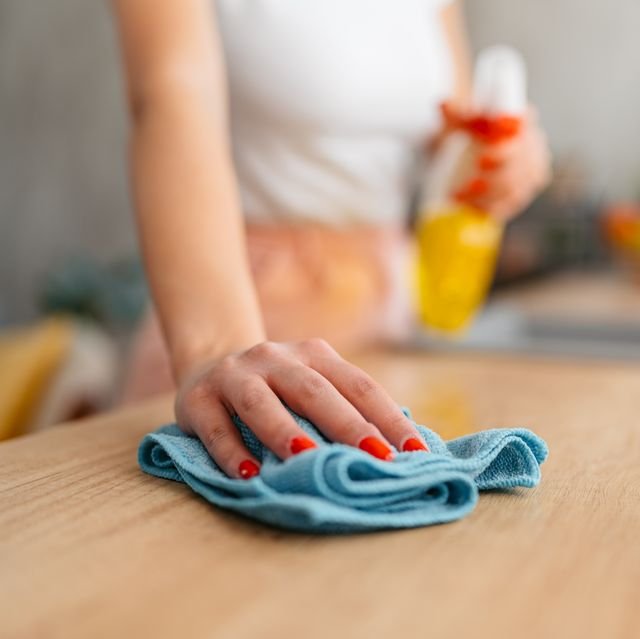
Your cleaning cloths work hard every day to keep your home spotless. But are you treating them the right way to make sure they last long and stay effective?
How you maintain your cleaning cloths can save you money, reduce waste, and keep your space truly clean. You’ll discover simple, practical tips that will transform how you care for your cloths. Stick with me, and you’ll never look at a cleaning cloth the same way again.
Choosing The Right Cloths
Choosing the right cleaning cloth is key for good results. The right cloth helps clean surfaces well and lasts longer.
Think about the cloth’s material, size, and thickness before buying. These factors affect how you use and care for the cloth.
Material Matters
Different materials suit different cleaning tasks. Cotton is soft and absorbs well. Microfiber picks up dust and dirt better. Synthetic blends dry quickly and resist stains.
- Cotton: best for gentle cleaning and drying
- Microfiber: good for dusting and polishing
- Polyester blends: durable and quick drying
- Linen: great for streak-free glass cleaning
Size And Thickness
| Size | Best Use | Notes |
| Small (12×12 inches) | Detail cleaning | Easy to handle in tight spaces |
| Medium (16×16 inches) | General cleaning | Good balance of coverage and control |
| Large (20×20 inches or more) | Large surfaces | Cover more area quickly |
| Thin cloths | Light dusting | Dries fast, but less absorbent |
| Thick cloths | Heavy spills | Absorbs more liquid, but dries slower |

Credit: www.delish.com
Proper Washing Techniques
Cleaning cloths need proper care to stay fresh and effective. Washing them the right way removes dirt and germs.
Using correct washing methods helps cloths last longer and keeps them safe for daily use.
Sorting By Color And Type
Separate cloths by color to prevent color bleeding. Also, group cloths by fabric type to avoid damage.
- Wash white cloths separately from colored ones
- Keep delicate fabrics apart from heavy-duty cloths
- Separate lint-producing cloths from lint-attracting ones
Selecting The Right Detergent
Choose detergents made for the cloth type. Some detergents work better for delicate fabrics, others for heavy soil.
| Detergent Type | Best For | Notes |
| Gentle Detergent | Delicate cloths | Prevents damage and keeps softness |
| Heavy-Duty Detergent | Heavily soiled cloths | Removes tough stains and dirt |
| Color-Safe Detergent | Colored cloths | Protects colors from fading |
Optimal Water Temperature
Water temperature affects cleaning and cloth care. Use the right temperature to protect fibers and kill germs.
- Cold water for delicate and colored cloths to prevent shrinkage and fading
- Warm water for lightly soiled cloths for gentle cleaning
- Hot water for white or heavily soiled cloths to kill bacteria
Drying Methods
Cleaning cloths need proper drying to last longer. Drying removes moisture and stops bacteria growth.
Choosing the right drying method keeps cloths soft and effective for cleaning tasks.
Air Drying Vs. Machine Drying
Air drying uses natural air to dry cloths slowly. It is gentle and saves energy.
Machine drying is faster but uses heat. It can make cloths dry quickly but may wear them out.
- Air drying keeps fibers soft and strong
- Machine drying is good for quick drying needs
- Air drying helps avoid shrinking or damage
- Machine drying may cause fading or stiffness
Avoiding Overheating
Too much heat can damage cleaning cloths. It breaks fibers and reduces their cleaning power.
Use low heat settings or air dry to protect the cloths from overheating.
- Check dryer settings before starting
- Use low or medium heat for machine drying
- Remove cloths promptly to avoid extra heat exposure
- Air dry in a shaded, well-ventilated area
Storage Solutions
Keeping cleaning cloths neat helps them last longer. Proper storage stops damage and dirt buildup.
Good storage also makes cloths easy to find. It saves time and keeps your space tidy.
Folding For Space Efficiency
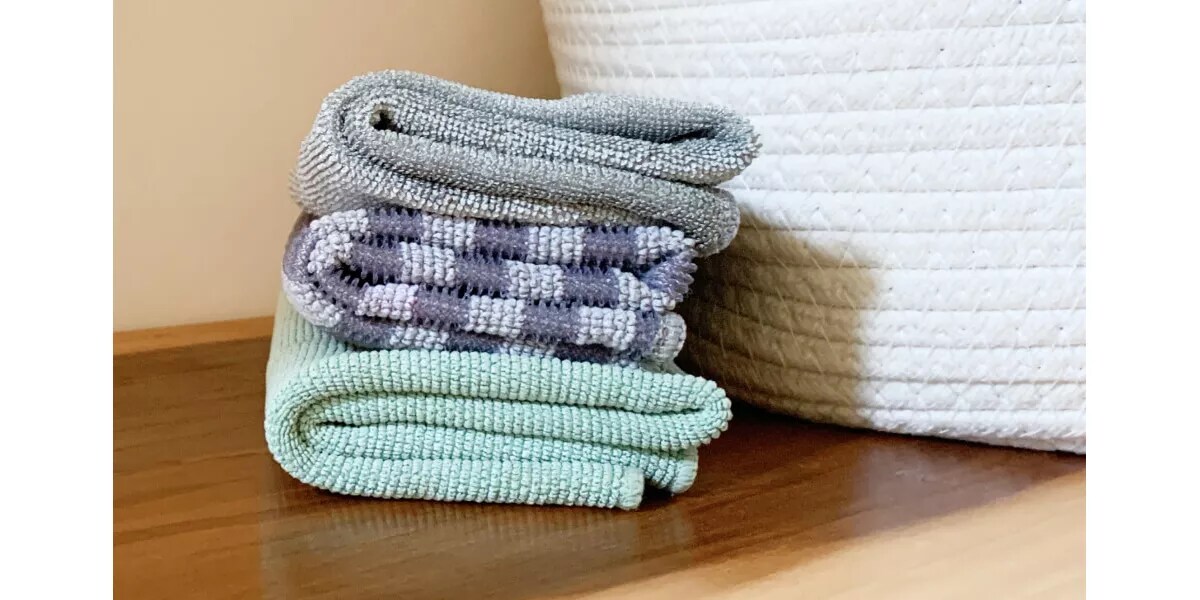
Folding cloths neatly saves space in drawers or shelves. It stops cloths from getting wrinkled.
Use simple folds like squares or rectangles. Stack folded cloths to keep them organized.
- Fold cloths in half, then in half again
- Stack cloths by size or type
- Use dividers or small boxes for separation
Preventing Musty Odors
Musty smells come from damp or closed storage. Keep cloths dry before storing.
Store cloths in well-ventilated areas. Avoid plastic bags that trap moisture.
- Air out cloths after use and washing
- Use breathable storage bins or baskets
- Add moisture absorbers like silica packets
Dealing With Stubborn Stains
Cleaning cloths often get tough stains that are hard to remove. Proper care helps keep them clean and usable.
Using the right methods can make stubborn stains disappear without damaging the cloth.
Pre-treatment Solutions
Pre-treating stains helps break down dirt before washing. This step makes stain removal easier.
Use gentle solutions to soak or rub on the stain. Avoid harsh chemicals that can harm the fabric.
- Mix equal parts water and white vinegar for soaking
- Apply a small amount of mild detergent directly on stains
- Use baking soda paste for oily or greasy spots
- Let the solution sit for 10-15 minutes before washing
Effective Stain Removal Techniques
Use the right techniques to remove stains without spreading them. Work from the outside toward the center.
Repeat treatments if needed, but do not scrub too hard to protect the cloth fibers.
- Blot stains gently with a clean cloth or sponge
- Rinse with cold water to avoid setting protein stains
- Use enzyme-based stain removers for food or blood stains
- Wash cloths separately from other laundry to avoid transfer
- Air dry cloths after washing to check if the stain is gone
Credit: www.maytag.com
Extending Cloth Lifespan
Cleaning cloths help keep your space tidy. Taking care of them can save money.
Proper care stops cloths from wearing out fast. You get better cleaning results for longer.
Regular Maintenance Tips
Wash cloths often to remove dirt and germs. Use warm water and mild detergent for best results.
Avoid bleach and fabric softeners. They can damage cloth fibers and reduce cleaning power.
- Rinse cloths well after each use
- Air dry to keep fibers strong
- Store cloths in a clean, dry place
- Separate cloths by use to avoid cross-contamination
When To Replace Your Cloths
Replace cloths if they lose softness or tear easily. Old cloths clean less well.
Discolored or smelly cloths may carry germs. It’s safer to get new ones in these cases.
- Check for holes and frayed edges
- Notice if cloth feels stiff or rough
- Replace after heavy use or many washes
- Switch cloths if they smell bad even after washing
Eco-friendly Practices
Keeping cleaning cloths in good shape helps reduce waste. Choosing eco-friendly methods protects the environment. Simple changes can make a big difference.
Using natural products and disposing of cloths responsibly supports a cleaner planet. This guide shares easy tips to follow.
Using Natural Cleaning Agents
Natural cleaning agents avoid harsh chemicals that harm the earth. They are gentle on cloths and skin. Common options include vinegar, baking soda, and lemon juice.
- Use white vinegar to remove stains and odors.
- Mix baking soda with water for a mild scrub.
- Lemon juice helps brighten cloths and kill germs.
- Avoid bleach and synthetic detergents.
Sustainable Disposal Options
When cloths become worn out, dispose of them in eco-friendly ways. Reuse or recycle cloths to reduce landfill waste.
| Disposal Method | Description |
| Repurpose | Cut old cloths into rags for dusting or car cleaning |
| Compost | Natural fiber cloths can be composted if free from chemicals |
| Recycle | Check local recycling centers for textile programs |
| Donate | Give usable cloths to animal shelters or community groups |

Credit: insights.made-in-china.com
Frequently Asked Questions
How Often Should I Wash Cleaning Cloths?
Wash cleaning cloths after each use to prevent bacteria buildup. Frequent washing maintains hygiene and prolongs cloth life. Use warm water and mild detergent for effective cleaning.
What Is The Best Way To Dry Cleaning Cloths?
Air drying is ideal to preserve cloth fibers and prevent shrinkage. Avoid high heat in dryers as it can damage the material. Hang cloths in a well-ventilated area for thorough drying.
Can I Use Bleach On Cleaning Cloths?
Use bleach sparingly as it can weaken fabric fibers over time. For disinfecting, dilute bleach properly and rinse cloths thoroughly. Always follow care labels to avoid damage.
How Do I Remove Stubborn Stains From Cleaning Cloths?
Pre-treat stains with a stain remover or soak in warm soapy water. Gently scrub before washing as usual. Avoid harsh chemicals that may degrade the fabric.
Conclusion
Keeping cleaning cloths fresh and effective takes small daily steps. Wash them often with mild detergent to avoid damage. Dry them completely before storing to prevent mold and bad smells. Use cloths for the right tasks to keep fibers strong.
Clean cloths save time and make your home shine. Follow these simple tips, and your cloths will last longer. Easy care means better cleaning every day.