
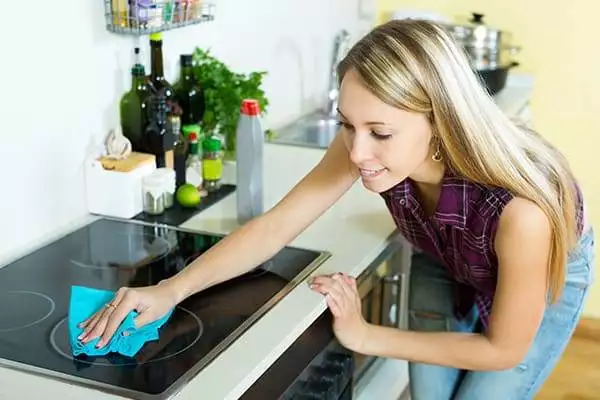
Your stove top is one of the busiest spots in your kitchen, but it’s also one of the hardest to keep clean. Grease, spills, and burnt-on food can quickly turn it into a tough mess.
But don’t worry—cleaning your stove top doesn’t have to be a dreaded chore. With the right tips, you can make the process quicker, easier, and even satisfying. Keep reading to discover simple, effective ways to get your stove top sparkling again.
You’ll wonder why you didn’t try these tricks sooner!
Types Of Stove Tops
Stove tops come in different types based on how they heat food. Each type needs different cleaning methods.
Knowing your stove top type helps you clean it safely and keep it working well.
Gas Stove Tops
Gas stove tops have burners that use flames to cook food. They have grates and drip pans below the burners.
Clean the grates and pans with warm, soapy water. Use a brush to remove stuck food. Wipe the surface with a damp cloth.
- Remove grates before cleaning
- Soak drip pans to loosen grease
- Use a mild cleaner for burner caps
- Dry all parts before putting back
Electric Stove Tops
Electric stove tops have coil or smooth glass surfaces. Coils heat up to cook food, while glass tops look flat.
For coil stoves, lift coils gently and clean underneath. For glass tops, use a soft cloth and special cleaner to avoid scratches.
- Unplug coils before cleaning
- Use baking soda paste for tough stains
- Wipe spills quickly on glass tops
- Avoid abrasive scrubbers on glass
Induction Stove Tops
Induction stove tops have smooth glass surfaces. They use magnets to heat pots and pans directly.
Clean induction tops with a soft cloth and mild cleaner. Avoid harsh chemicals or metal scrubbers that can damage the surface.
- Use a scraper for burnt food carefully
- Wipe with damp microfiber cloth
- Dry surface to prevent streaks
- Do not use steel wool or rough pads
Essential Cleaning Tools
Cleaning your stove top is easier with the right tools. Using proper items helps remove grease and food spills.
Choosing the correct tools keeps your stove looking fresh and working well for a long time.
Cleaning Solutions
Good cleaning solutions break down grease and stuck-on food. You can use store-bought cleaners or make your own.
Natural options like vinegar and baking soda work well and are safe for most stove tops.
- Dish soap mixed with warm water
- White vinegar for cutting grease
- Baking soda paste for tough stains
- Commercial stove cleaners for deep cleaning
Scrubbers And Brushes
Scrubbers and brushes help remove hard stains without scratching the surface. Use gentle ones for glass or ceramic tops.
Stiff brushes work best on metal grates and burners to clear away stuck food.
- Non-scratch sponges for delicate surfaces
- Soft-bristle brushes for light scrubbing
- Steel wool for heavy-duty cleaning on metal parts
- Small brushes to clean tight spaces
Microfiber Cloths
Microfiber cloths are great for wiping down the stove top after cleaning. They trap dirt and absorb liquids well.
Use clean, dry microfiber cloths to polish the surface and avoid streaks.
- Soft on surfaces to prevent scratches
- Washable and reusable
- Good for drying and polishing
- Can be used with or without cleaning solution
Daily Maintenance Tips
Keeping your stove top clean every day helps it last longer. Daily care stops dirt and grease from building up. This makes cooking safer and easier.
Simple actions each day keep your stove looking fresh. Use the tips below to maintain your stove top well.
Wiping Spills Immediately
Clean spills as soon as they happen. Hot spills can harden and become tough to remove later. Use a soft cloth or sponge with warm water.
- Turn off the stove before cleaning
- Use a damp cloth to wipe spills
- Avoid abrasive cleaners that can scratch
- Dry the area after wiping
Using Protective Covers
Protective covers reduce damage and mess on your stove top. They catch spills and crumbs before they reach the surface. Choose covers made for your stove type.
| Cover Type | Use | Cleaning Method |
| Silicone mats | Heat resistant, reusable | Wash with soap and water |
| Aluminum foil | Disposable, fits burner areas | Replace after heavy use |
| Glass stove top covers | Protect flat surfaces | Wipe with soft cloth |
Regular Surface Polishing
Polish your stove top to keep its shine and protect the surface. Use cleaners made for your stove material. Polishing removes stains and light scratches.
Follow these polishing tips:
- Apply a small amount of polish on a soft cloth
- Rub gently in circular motions
- Let the polish sit for a few minutes
- Buff with a clean cloth until shiny
- Polish once a week for best results

Credit: www.reddit.com
Deep Cleaning Techniques
Cleaning your stove top deeply keeps it looking good and working well. Dirt and grease build up over time and need strong cleaning.
Use simple tools and safe cleaners to remove tough stains and burnt food. Regular deep cleaning stops damage and smells.
Removing Burnt-on Residue
Burnt-on residue is hard to remove with quick wipes. Soak the area with warm soapy water to soften it first.
Use a plastic scraper or a sponge with baking soda paste to gently lift the residue. Avoid metal scrapers to protect the surface.
- Mix baking soda and water to make a thick paste
- Apply paste on burnt spots and let sit for 15 minutes
- Scrape softly with a plastic tool or scrub with a sponge
- Wipe clean with a damp cloth
Cleaning Grates And Burners
Grates and burners collect grease and food bits. Remove them from the stove before cleaning.
Soak grates and burners in hot water mixed with dish soap for 30 minutes. Use a brush to scrub off stuck dirt.
- Take off grates and burner caps carefully
- Soak parts in warm, soapy water
- Scrub with a stiff brush or old toothbrush
- Rinse with clean water and dry completely
- Put parts back on the stove after drying
Handling Stubborn Stains
Stubborn stains need stronger cleaning agents. Use vinegar or a commercial stove cleaner for tough grease.
Spray the cleaner and let it sit a few minutes. Wipe with a soft cloth or sponge. Repeat if needed for deep stains.
- Spray white vinegar on stained areas
- Let it sit for 5 to 10 minutes
- Wipe with a clean cloth or sponge
- Use a commercial cleaner for very tough stains
- Always rinse the area with water after cleaning
Natural Cleaning Solutions
Cleaning your stove top can be simple with natural ingredients. These solutions are safe and effective.
Using natural cleaners helps avoid harsh chemicals. It keeps your kitchen fresh and clean.
Baking Soda And Vinegar
Baking soda and vinegar form a powerful duo for cleaning. Baking soda acts as a gentle scrub.
Vinegar helps break down grease and grime. Together, they remove tough stove stains easily.
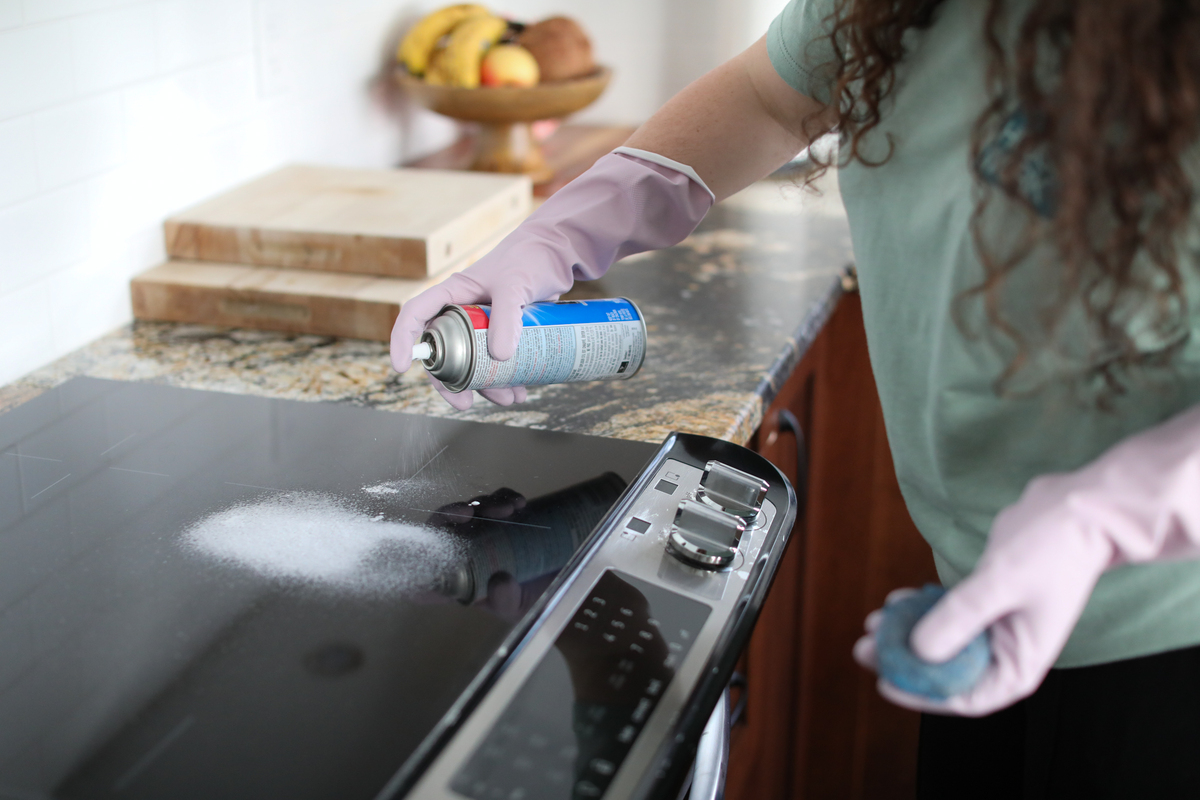
- Sprinkle baking soda over the stove top.
- Spray vinegar on top of the baking soda.
- Let it fizz and sit for 10 minutes.
- Wipe clean with a damp cloth.
Lemon Juice Mixtures
Lemon juice is natural and smells fresh. It helps cut through grease and adds shine.
Mix lemon juice with water for a gentle cleaner. It works well on light stains and spills.
- Mix equal parts lemon juice and water in a spray bottle.
- Spray the mixture on the stove top.
- Let it sit for 5 minutes.
- Wipe clean with a soft cloth.
Essential Oils For Freshness
Essential oils add a pleasant scent to your cleaning routine. They also have antibacterial properties.
Add a few drops of oils like tea tree or lavender to your cleaning mix. This helps keep your kitchen smelling fresh.
- Add 5 drops of essential oil to 1 cup of water.
- Mix with 1/2 cup white vinegar or lemon juice.
- Spray on the stove top and wipe clean.
- Enjoy a fresh and clean kitchen.

Credit: www.aol.com
Preventing Future Messes
Keeping your stove top clean is easier when you prevent messes before they happen. Small habits and tools help reduce spills and stains. This saves time and effort in cleaning.
Try these tips to keep your stove top looking neat and fresh every day.
Using Drip Pans
Drip pans catch spills and food crumbs before they reach the stove surface. They protect your stove and make cleaning quick.
- Check drip pans often for cracks or holes.
- Replace damaged drip pans to avoid leaks.
- Clean drip pans weekly with warm soapy water.
- Use aluminum foil to cover drip pans for extra protection.
Regular Surface Inspections
Look at your stove top every day to spot spills or stains early. Quick action stops messes from hardening.
| Check Area | What to Look For | Action |
| Burner Rings | Food particles, grease | Wipe with damp cloth |
| Control Knobs | Sticky spots, spills | Clean with mild soap |
| Stove Surface | Burn marks, stains | Use gentle cleaner |
| Drip Pans | Overflow, rust | Replace or clean |
Encouraging Clean Cooking Habits
Good cooking habits help keep the stove top clean. Teach family or housemates to follow simple rules.
- Use lids on pots and pans to reduce splatters.
- Clean spills right after cooking ends.
- Wipe stove top before starting a new meal.
- Keep paper towels or cloth nearby for quick cleaning.
- Avoid overfilling pots to stop boil-overs.
Safety Precautions
Cleaning your stove top is important for safety and hygiene. Taking precautions helps prevent accidents and damage.
Follow simple safety steps to keep yourself and your kitchen safe during cleaning.
Avoiding Harsh Chemicals
Harsh chemicals can harm your stove top surface and your health. Use gentle cleaners or natural solutions instead.
- Choose mild dish soap mixed with warm water
- Avoid bleach or ammonia-based cleaners
- Test new cleaners on a small area first
- Wear gloves to protect your skin
Ensuring Proper Ventilation
Good airflow helps clear fumes and keeps the air fresh when you clean your stove top.
- Open windows in your kitchen
- Turn on the exhaust fan or range hood
- Avoid using spray cleaners in closed rooms
- Take breaks if you feel dizzy or uncomfortable
Handling Electrical Components
Electrical parts need careful cleaning to avoid shocks or damage. Always disconnect power first.
| Do’s | Don’ts |
| Unplug the stove before cleaning | Use water directly on electrical parts |
| Use a dry cloth for knobs and buttons | Pull cords or wires forcefully |
| Check for damaged cables before cleaning | Attempt repairs if you are not trained |
Credit: www.housework.com
Frequently Asked Questions
How Often Should I Clean My Stove Top?
Cleaning your stove top after every use prevents buildup. For deep cleaning, aim for once a week. Regular cleaning keeps your stove efficient and hygienic, reducing the risk of stains and grease.
What Is The Best Cleaner For Stove Tops?
Use a mild dish soap mixed with warm water for daily cleaning. For tough stains, baking soda and vinegar work well. Avoid harsh chemicals that can damage the stove’s surface.
How Do I Remove Burnt-on Food From Stove Tops?
Soak the area with warm soapy water to soften burnt food. Then gently scrub with a non-abrasive sponge or cloth. For stubborn spots, a paste of baking soda and water helps lift residue.
Can I Use Homemade Cleaners On My Stove Top?
Yes, homemade cleaners like baking soda and vinegar are effective and safe. They remove grease and grime without harsh chemicals. Always test a small area first to ensure no damage.
Conclusion
Cleaning your stove top does not have to be hard. Use the right tools and cleaner for the job. Clean spills quickly to avoid tough stains later. Regular cleaning keeps your stove looking nice and working well. Small daily efforts save you time and stress.
Keep your kitchen fresh and safe by staying on top of cleaning. A clean stove top makes cooking more enjoyable and healthy. Try these tips and see the difference yourself. Simple steps bring big results.