
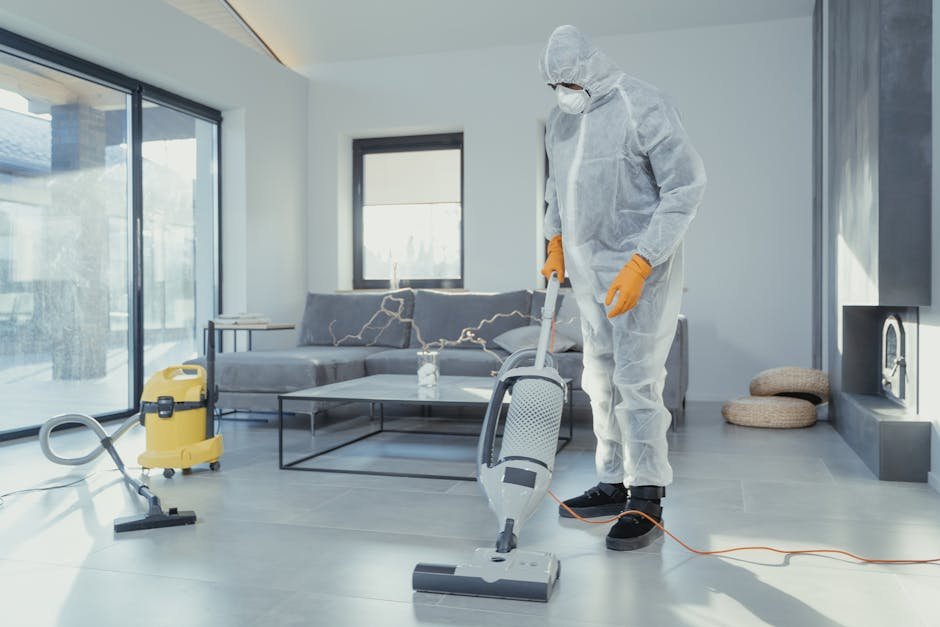
Are you tired of seeing dust and dirt settle on your floors no matter how often you clean? A dust mop can be your secret weapon to keep your home spotless and fresh.
But using it the right way makes all the difference. Imagine gliding through your rooms, effortlessly picking up dust without stirring it into the air. Sounds good, right? You’ll discover simple yet powerful tips to get the most out of your dust mop.
Keep reading, and you’ll learn how to clean smarter, save time, and enjoy a healthier living space.

Credit: www.reddit.com
Choosing The Right Dust Mop
Picking the right dust mop makes cleaning easier and faster. The right mop keeps floors clean without damage.
Consider the type, size, and material of the dust mop. These factors affect how well it works.
Types Of Dust Mops
There are many dust mop types for different floors and cleaning needs. Choose one that suits your space.
- Flat dust mops: Good for smooth floors and quick cleaning
- String dust mops: Better for rough or uneven surfaces
- Microfiber dust mops: Pick up fine dust and allergens well
- Cotton dust mops: Absorb dirt and are easy to wash
Size And Material Considerations
Dust mops come in different sizes and materials. Size affects how much area you clean at once.
Choose materials that work best for your floor type and cleaning style. Some are better for dust, others for dirt.
- Small mops: Good for tight spaces and corners
- Large mops: Cover more area but can be heavy
- Microfiber: Lightweight and holds dust well
- Cotton: Durable and easy to clean
- Synthetic blends: Resist wear and dry quickly
Preparing The Floor
Preparing the floor before using a dust mop helps clean more effectively. It reduces dust and dirt buildup on your mop.
Taking time to ready the surface saves effort and keeps floors looking neat longer.
Clearing Debris
Remove large debris like paper, leaves, and crumbs before dust mopping. These items can scratch floors or block the mop.
- Pick up visible trash by hand
- Sweep corners where dirt collects
- Use a vacuum for heavy debris
- Check under furniture and rugs
Identifying High-traffic Areas
Look for spots with frequent foot traffic. These areas often need extra attention during dust mopping.
| Area | Why It Needs Extra Cleaning |
| Entryways | Dirt from shoes builds up quickly |
| Hallways | Many people walk through daily |
| Kitchen | Food crumbs and spills happen often |
| Living rooms | High use and dust accumulation |
Proper Dust Mopping Technique
Dust mopping keeps floors clean by removing dirt and dust. Using the right technique makes this task easier and more effective.
Good handling and the right sweeping patterns help cover more area with less effort. This guide shares tips to improve your dust mopping skills.
Correct Handling And Grip
Hold the dust mop handle firmly but not too tight. A relaxed grip reduces hand fatigue and improves control. Keep your hands about shoulder width apart for balance.
- Use both hands to control the mop smoothly
- Keep your wrist straight to avoid strain
- Adjust the handle length for comfort
- Stand upright to protect your back
Efficient Sweeping Patterns
Move the mop in patterns that cover the floor evenly. This helps catch dust without pushing it around. Use slow, steady motions for best results.
| Pattern | Description | Best For |
| Figure Eight | Smooth, looping motions | Large open areas |
| Side to Side | Straight lines back and forth | Hallways and narrow spaces |
| Diagonal | Crossing lines at an angle | Corners and edges |
Maintaining Your Dust Mop
Keeping your dust mop in good shape helps it work better and last longer. Regular care is simple and saves money over time.
Follow these tips to clean, store, and replace your dust mop heads properly.
Regular Cleaning And Storage
Clean your dust mop after each use to remove dust and dirt. Proper storage keeps the mop fresh and ready for the next job.
- Shake the mop outside to release loose dust.
- Wash mop heads according to the manufacturer’s instructions.
- Allow mop heads to dry completely before storing.
- Store mop in a dry, well-ventilated area.
- Hang the mop to keep fibers straight and clean.
Replacing Mop Heads
Replace mop heads when they become worn or less effective at trapping dust. Using a fresh mop head improves cleaning results.
| Sign of Wear | Action |
| Frayed or torn fibers | Replace mop head immediately |
| Persistent dirt after cleaning | Wash thoroughly or replace if needed |
| Unpleasant odor | Replace mop head to maintain freshness |
Enhancing Dust Mop Performance
Using a dust mop well helps keep floors clean and dust-free. Small changes can improve how it works. This guide gives simple tips to get better results.
Learn how to treat your dust mop and use natural cleaners. These ideas make cleaning easier and safer for your home.
Using Dust Mop Treatments
Treating your dust mop can make it pick up dust faster and hold more dirt. Some treatments help the mop last longer, saving money.
- Use anti-static sprays to reduce dust sticking to other surfaces.
- Apply fabric softener diluted in water to keep mop fibers soft.
- Rinse mop heads with mild detergent to remove old dirt.
- Allow treated mops to dry fully before use to avoid streaks.
Incorporating Natural Cleaning Solutions
Natural cleaning solutions clean floors safely and reduce chemicals in your home. These solutions work well with dust mops and help keep floors fresh.
| Natural Solution | How to Use |
| White Vinegar | Mix 1 cup with 1 gallon of warm water for mopping floors after dusting. |
| Baking Soda | Sprinkle lightly on floors before dust mopping to trap dust and odors. |
| Lemon Juice | Add 2 tablespoons to water for a fresh scent and mild cleaning power. |
| Essential Oils | Put a few drops on the mop head to add fragrance and repel dust. |
:max_bytes(150000):strip_icc()/how-to-clean-white-walls-5409527-hero-c609bafefe814f4fa0bbd073b66becaa.jpg)
Credit: www.thespruce.com
Common Mistakes To Avoid
Using a dust mop is easy, but some mistakes can reduce its effectiveness. Avoiding these errors helps keep your floors clean longer.
Learn about common mistakes and how to fix them for better cleaning results.
Overloading The Mop
One mistake is putting too much dust and dirt on the mop at once. This makes it harder to clean and spreads dust around.
Change or clean the mop head often to avoid overloading. This keeps the mop working well and cleans floors better.
- Empty the mop head when it looks full
- Do not press too hard while mopping
- Use a clean mop head for best results
Ignoring Hard-to-reach Areas
Many people skip corners, edges, and under furniture. These spots collect dust and make your floor look dirty.
Use the mop carefully to reach these areas. Move furniture if needed to clean hidden spots well.
- Use the mop’s edge for corners and walls
- Slide furniture gently to clean underneath
- Check for dust in shadowed or tight spaces
Additional Tips For Sparkling Floors
Using a dust mop keeps your floors clean and shiny. It removes dust and dirt without scratching the surface.
Follow these extra tips to keep your floors looking their best every day.
Regular Maintenance Schedule
Dust mop your floors often to stop dust buildup. This helps prevent scratches and dull spots.
Set a cleaning routine based on how much foot traffic your floors get. Busy areas need more attention.
- Mop high-traffic floors daily
- Dust mop less used rooms twice a week
- Clean mop heads regularly for best results
Combining Dust Mopping With Other Cleaning Techniques
Dust mopping works well with other cleaning methods. Use it before wet mopping to clear loose dirt.
Vacuum carpets and rugs before dust mopping nearby hard floors. This stops dirt from spreading.
- Dust mop before wet mopping for cleaner floors
- Vacuum rugs first to avoid dirt on hard floors
- Use microfiber cloths to clean corners and edges

Credit: us.narwal.com
Frequently Asked Questions
What Surfaces Are Best For Using A Dust Mop?
Dust mops work best on smooth, hard surfaces like hardwood, tile, and laminate floors. They effectively trap dust and debris without scratching the surface. Avoid using them on carpets or rough surfaces as they won’t clean efficiently.
How Often Should I Use A Dust Mop?
Use a dust mop daily or several times a week in high-traffic areas. Frequent use prevents dust buildup and keeps floors clean longer. Adjust frequency based on foot traffic and environmental factors like pets or construction.
Can I Wash A Dust Mop Head?
Yes, most dust mop heads are washable. Follow the manufacturer’s instructions for machine or hand washing. Regular cleaning maintains effectiveness and removes trapped dirt, extending the mop’s lifespan.
What Is The Best Technique For Dust Mopping?
Use smooth, overlapping strokes to cover the entire floor area. Avoid lifting the mop frequently to trap dust efficiently. Change or clean the mop head when it becomes dirty for optimal results.
Conclusion
Using a dust mop keeps floors clean and dust-free. It saves time and effort during cleaning. Regular use helps maintain a fresh, tidy home. Choose the right mop and clean it often. Move the mop gently for best results. Dust mops work well on many floor types.
Keep your space healthier by removing dust daily. Small steps make cleaning easier and faster. Try these tips to improve your cleaning routine. Dust mopping becomes simple and effective this way.