
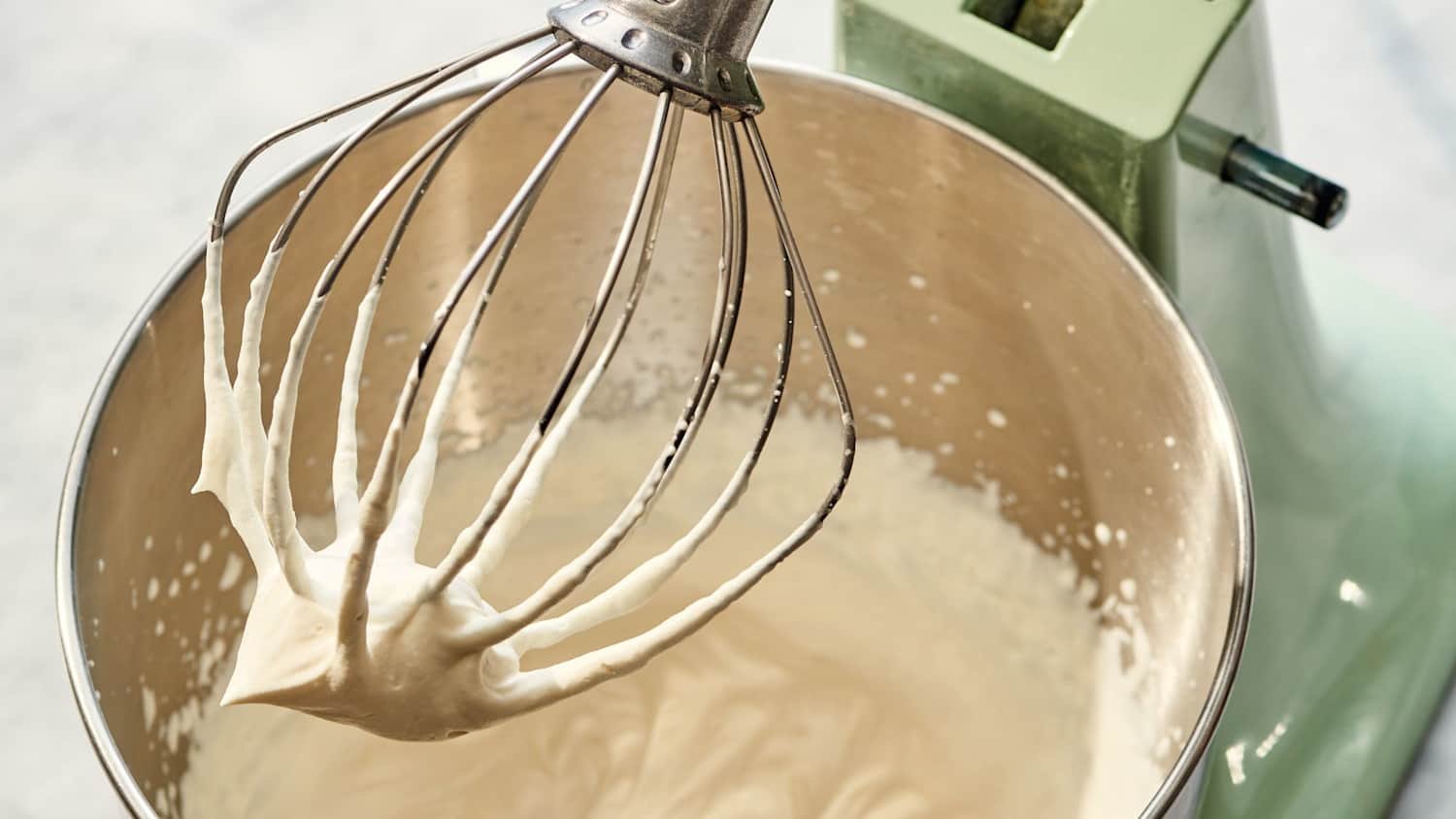
Whipping ingredients with a hand mixer can be quick and easy—if you know the right tricks. Whether you’re making fluffy whipped cream or light, airy meringue, using your hand mixer the right way makes all the difference.
In this post, you’ll discover simple tips that help you get perfect results every time. Ready to take your mixing skills up a notch and impress in the kitchen? Keep reading, and you’ll soon whip like a pro.
Choosing The Right Hand Mixer
Using a hand mixer makes whipping easier and faster. Picking the right one depends on your needs in the kitchen.
This guide covers power and speed, comfort and weight, and useful attachments. These points help you choose well.
Power And Speed Settings
A good hand mixer has enough power for your tasks. Speed settings let you control how fast the beaters spin.
- Choose a mixer with multiple speed options for flexibility.
- Look for wattage between 150 to 300 watts for most home use.
- Higher power helps with thick dough or heavy mixtures.
- Lower speeds work well for gentle mixing or whipping cream.
Comfort And Weight
Comfort matters since you hold the mixer while using it. A lightweight model reduces hand strain.
| Feature | What to Look For |
| Weight | Under 3 pounds is easy to handle |
| Handle | Soft grip or ergonomic shape |
| Balance | Even weight distribution for less fatigue |
Attachments And Accessories
Attachments add value to your hand mixer. They let you do more with one tool.
- Standard beaters for general mixing
- Dough hooks for kneading bread or pizza dough
- Whisks for whipping eggs or cream
Check if the mixer offers easy attachment changes and dishwasher-safe parts.

Credit: www.amazon.ca
Preparing Ingredients For Whipping
Whipping ingredients with a hand mixer needs the right preparation. Getting your ingredients ready helps you reach perfect peaks fast.
Use simple tips to prepare your bowl, beaters, and ingredients. This makes whipping easier and better every time.
Chilling The Bowl And Beaters
Cold tools help cream or egg whites whip faster and hold air better. Chill your bowl and beaters before you start.
Put them in the fridge or freezer for 10 to 15 minutes. This keeps the ingredients cool while you whip.
- Use a metal or glass bowl for best chilling
- Plastic bowls do not stay cold as well
- Keep beaters in the fridge to prevent warming
Selecting The Right Cream Or Egg Whites
Choose cream with at least 30% fat for thick, fluffy whipped cream. Lower fat creams will not whip well.
For egg whites, use fresh eggs. Older eggs may not whip up as stiff or hold air properly.
- Heavy cream or whipping cream works best
- Use large, fresh eggs for whipping whites
- Avoid ultra-pasteurized cream for better texture
Measuring Ingredients Accurately
Use exact measurements for your ingredients. Too much or too little can change how well they whip.
Use a kitchen scale or measuring cups for best results. This helps you get the right texture every time.
- Measure cream by weight or volume carefully
- Use clean, dry measuring cups or spoons
- Weigh egg whites if recipe calls for precision
Optimal Whipping Techniques
Using a hand mixer to whip ingredients can be simple. The right techniques help you get the best results every time.
Whipping cream or egg whites needs care and patience. These tips will guide you to whip smoothly and evenly.
Starting At Low Speed
Begin whipping at the lowest speed setting. This prevents splashing and helps ingredients mix gently.
Low speed allows the mixture to combine before you add more air. It keeps your kitchen clean and your mixture smooth.
Gradual Speed Increase
Slowly raise the speed as the mixture thickens. This adds more air and builds volume without overworking it.
Rushing to high speed can cause splatter or uneven whipping. Increase speed step by step for steady results.
Circular Motion Technique
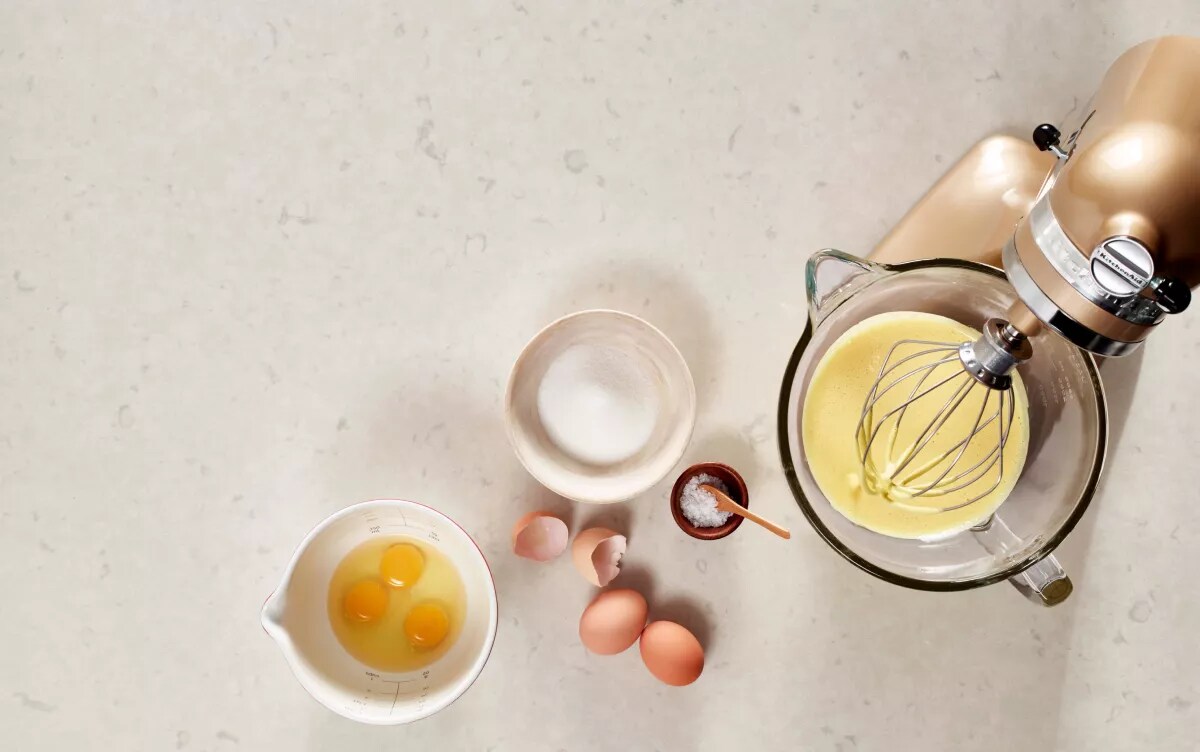
Move the hand mixer in small circles while whipping. This helps all parts of the mixture get whipped evenly.
Keep the beaters just below the surface. This stops air bubbles from escaping and keeps the whip light and fluffy.
- Use small, steady circles
- Avoid lifting beaters too high
- Cover all areas of the bowl
Credit: www.kitchenaid.com
Avoiding Common Mistakes
Using a hand mixer for whipping can be quick and easy. Still, some mistakes can spoil your mixture. Avoiding these errors helps you get perfect results every time.
This guide covers common problems and how to fix them. Learn how to prevent over-whipping, manage splatter, and correct undermixed mixtures.
Preventing Over-whipping
Over-whipping can turn cream or egg whites grainy and dry. Stop mixing as soon as stiff peaks form. Watch closely near the end.
Use a low speed when nearing the desired texture. Stop and check often. Remember, you can always whip more but not less.
- Whip on medium speed first
- Lower speed when peaks start forming
- Stop mixing immediately at stiff peak stage
- Check mixture every few seconds near the end
Managing Splatter And Mess
Splatter can make a big mess and waste ingredients. Use a deep bowl to keep ingredients contained. Start mixing at a low speed.
Lift the mixer slightly above the mixture to reduce splashes. Cover the bowl with a kitchen towel if needed. Clean spills quickly to avoid sticky spots.
- Choose a tall, deep bowl
- Start mixing at low speed
- Keep the beaters just inside the mixture
- Use a towel to cover the bowl edges
- Clean splatters immediately
Correcting Undermixed Mixtures
Undermixed mixtures are runny and lack volume. If your mixture is too soft, continue whipping on medium speed. Check every 15 seconds.
Make sure the bowl and beaters are clean and dry. Any grease or moisture can stop proper whipping. Try switching to a higher speed if needed.
- Whip longer at medium speed
- Check texture often
- Use clean, dry tools
- Increase speed carefully if needed
Cleaning And Maintenance Tips
Keeping your hand mixer clean helps it last longer and work better. Regular cleaning stops food buildup and bad smells.
Follow simple cleaning and storage steps after each use. This keeps your mixer safe and ready.
Detaching And Washing Attachments
Remove the beaters or whisks carefully after use. Wash them with warm, soapy water to remove all food bits.
- Use a sponge to clean hard spots on attachments.
- Rinse well to avoid soap residue.
- Dry completely before storing to stop rust.
- Do not put attachments in the dishwasher unless the manual says it is safe.
Wiping Down The Motor Unit
Never submerge the motor unit in water. Use a damp cloth to wipe the surface.
| Cleaning Step | Details |
|---|---|
| Unplug mixer | Always unplug before cleaning |
| Use damp cloth | Wipe motor unit gently to remove splashes |
| Dry thoroughly | Use dry cloth to avoid moisture damage |
Proper Storage Practices
Store your mixer and attachments in a dry place. Keep everything together to avoid losing parts.
- Wrap the cord loosely to prevent damage.
- Use a storage bag or box to protect from dust.
- Keep attachments separate but close to the motor unit.
- Check storage area for moisture or pests regularly.

Credit: gulfnews.com
Frequently Asked Questions
How Do I Properly Whip Cream With A Hand Mixer?
Start with chilled cream and cold beaters for best results. Use medium speed to avoid splattering. Whip until soft peaks form for ideal texture. Avoid over-whipping to prevent turning cream into butter. Stop frequently to check consistency.
What Speed Setting Is Best For Whipping Egg Whites?
Begin whipping egg whites at low speed to create foam. Gradually increase to medium-high speed for stiff peaks. Avoid the highest speed to prevent over-beating and dryness. Proper speed control ensures stable and fluffy egg whites.
Can I Use A Hand Mixer For Heavy Dough?
Hand mixers are not ideal for heavy dough as motors may overheat. Use dough hooks or a stand mixer for thick dough. Hand mixers work best with light batters, creams, and whipped mixtures.
How Do I Clean Beaters After Whipping?
Unplug the hand mixer before cleaning. Remove beaters and wash with warm soapy water immediately. Dry thoroughly to prevent rust. Avoid immersing the motor unit in water. Proper cleaning maintains performance and hygiene.
Conclusion
Using a hand mixer for whipping can be simple and quick. Start slow, then increase speed for best results. Watch the texture closely to avoid overwhipping. Clean the mixer right after use to keep it working well. Practice helps you get comfortable and confident.
Enjoy making fluffy whipped cream, meringues, and more. Small tips make a big difference in your baking. Keep these ideas in mind every time you whip. Your kitchen skills will improve with each try. Happy mixing!