
Designing a kitchen with a breakfast area can change the way you start your day. Imagine having a cozy spot where you can enjoy your morning coffee, catch up with family, or plan your day ahead.
But how do you create a space that’s both functional and inviting? You want a kitchen that flows smoothly and a breakfast nook that feels warm and welcoming. You’ll discover simple, practical tips to help you design a kitchen with a breakfast area that fits your lifestyle perfectly.
Keep reading to find out how to transform your kitchen into the heart of your home.
Choosing The Right Layout
Designing a kitchen with a breakfast area needs a good layout. The layout affects how you move and use the space.
Pick a layout that fits your space and lifestyle. It should make cooking and eating easy and comfortable.
Open Floor Plan Benefits
An open floor plan joins the kitchen and breakfast area without walls. It creates a large, airy space.
This design allows family and guests to talk and move freely. It also lets natural light spread across the room.
- Makes the space feel bigger
- Improves social interaction
- Easy to watch kids while cooking
- More natural light in kitchen and breakfast area
L-shaped And U-shaped Designs
L-shaped kitchens have two walls of cabinets and appliances. They fit well in corners and open space for a breakfast nook.
U-shaped kitchens use three walls, making a cozy cooking zone. They offer more counter space and storage.
- L-shaped saves space and works in small rooms
- U-shaped adds more work surfaces
- Both layouts separate cooking and eating areas well
- Good flow between kitchen and breakfast spots
Island Integration
An island in the kitchen adds extra counters and seats. It can serve as a divider between cooking and breakfast spaces.
Islands work well in open or large kitchens. They offer more storage and a place to eat or chat.
- Extra space for food prep
- Casual seating for quick meals
- Helps organize kitchen zones
- Can include sinks or cooktops

Credit: www.architecturaldigest.com
Maximizing Space Efficiency
Designing a kitchen with a breakfast area needs smart use of space. You want it to feel open and easy to move in. Using space well helps keep the kitchen tidy and comfortable.
This guide covers smart storage, counter space, and appliance placement. Each idea helps you get the most from your kitchen and breakfast area.
Smart Storage Solutions
Good storage keeps items out of sight but easy to reach. Use cabinets and shelves that fit your kitchen size. Keep things organized to save time and space.
- Install pull-out drawers in lower cabinets for easy access
- Use vertical shelves inside cabinets to hold more items
- Add hooks or racks on walls for pots and pans
- Choose multi-use furniture with built-in storage
- Store breakfast items in clear containers for quick use
Optimizing Counter Space
Clear counters give you room to prepare food and serve breakfast. Keep only daily-use items on the counter. Store other items to avoid clutter.
| Tip | Benefit |
| Use wall-mounted shelves | Frees counter space |
| Keep cutting boards on a rack | Keeps surfaces clear |
| Choose a slim breakfast table | More space for cooking |
| Use corner counters | Utilizes unused space |
Appliance Placement Tips
Place appliances where they are easy to reach but do not block the kitchen flow. Group similar appliances to save space. Keep breakfast appliances close to the breakfast area.
- Put the toaster and coffee maker near the breakfast table.
- Place the refrigerator close to the entrance for quick access.
- Keep the stove and sink in a triangle layout for smooth cooking.
- Use built-in microwaves to save counter space.
Creating A Cozy Breakfast Nook
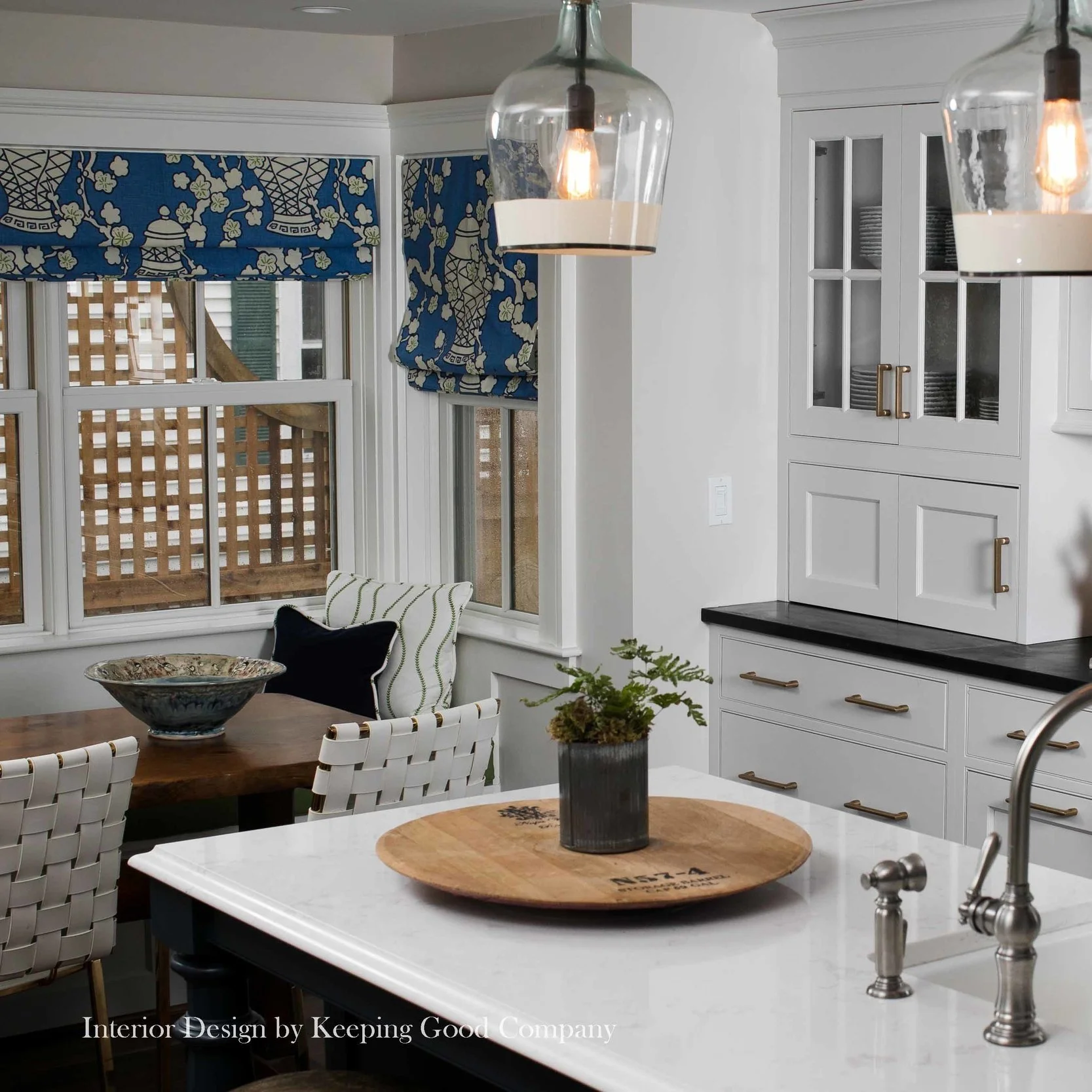
A breakfast nook adds warmth and comfort to your kitchen. It is a perfect spot to enjoy morning meals and relax.
Designing this space with care makes it inviting and functional for daily use.
Selecting Comfortable Seating
Choose seating that supports good posture and fits your space well. Comfort is key to making the nook a favorite spot.
- Use cushioned benches or chairs with soft padding.
- Consider chairs with back support for longer comfort.
- Add throw pillows to increase coziness.
- Pick seats that match the style of your kitchen.
Incorporating Natural Light
Natural light brightens the nook and creates a cheerful atmosphere. It helps make the space feel larger and more open.
| Type of Window | Benefit |
| Bay Window | Extra seating space and wide view |
| Skylight | Direct sunlight without using wall space |
| French Doors | Easy access to outdoor views and light |
Adding Personal Touches
Decorate the breakfast nook with items that show your style. This creates a unique and welcoming place.
- Hang family photos or art on nearby walls.
- Use colorful tablecloths or placemats.
- Place small plants or flowers on the table.
- Add a cozy rug under the seating area.

Credit: www.decorpad.com
Incorporating Stylish Elements
Designing a kitchen with a breakfast area means blending function with style. Stylish elements make the space inviting and comfortable.
Focus on details like colors, textures, and style choices. These help create a warm and attractive kitchen space.
Choosing Color Schemes
Pick colors that match your kitchen’s mood. Light colors make the space feel bigger and brighter.
Use warm colors for a cozy breakfast area. Cool colors work well for a calm and clean look.
- White and cream for a fresh, clean look
- Soft yellows or oranges to add warmth
- Pastel blues or greens for calm and peace
- Bold colors as accents to add interest
Using Textures And Patterns
Textures and patterns add depth and interest to your kitchen. They make the space feel more lively and cozy.
Mix smooth surfaces with rough or soft textures. Patterns on tiles, fabrics, or wallpaper bring character.
- Use wood textures for warmth
- Add patterned cushions or curtains in the breakfast area
- Tile backsplashes with subtle patterns
- Mix matte and glossy surfaces for contrast
Modern Vs. Traditional Styles
Modern kitchens use clean lines and simple shapes. They often use neutral colors and minimal decoration.
Traditional kitchens have detailed cabinets and warm wood tones. They use classic patterns and rich colors.
- Modern: sleek cabinets, stainless steel appliances
- Modern: open spaces and minimal clutter
- Traditional: raised panel cabinets, warm wood
- Traditional: decorative molding and vintage fixtures
Lighting And Ambiance
Lighting plays a key role in designing a kitchen with a breakfast area. It helps create a warm and inviting space.
Good lighting balances function and style, making the kitchen both practical and cozy for meals.
Task And Ambient Lighting
Task lighting focuses on areas where you cook or prepare food. It helps you see clearly and work safely.
Ambient lighting fills the whole kitchen with soft, even light. It sets a comfortable background for the space.
- Use under-cabinet lights for counters and sinks
- Install ceiling lights for overall room brightness
- Choose bright bulbs for clear visibility
Decorative Lighting Options
Decorative lights add style and charm to the breakfast area. They can also serve as focal points.
Pendant lights and chandeliers work well over the breakfast table. They bring personality to the room.
- Choose fixtures that match your kitchen style
- Use dimmable bulbs to adjust light levels
- Try colorful or unique designs for interest
Creating Mood With Light
Lighting can change how the kitchen feels. Soft light creates a calm, relaxing mood for breakfast time.
Use warm light tones and dimmers to make the space cozy. Layer lights for different effects throughout the day.
- Install dimmer switches for mood control
- Mix warm and neutral light colors
- Use candles or small lamps for extra warmth
Balancing Function And Aesthetics
Designing a kitchen with a breakfast area means mixing use and beauty. You want it to look nice and work well for daily meals.
A good design makes cooking and eating easy while creating a warm, inviting space.
Practical Design Tips
Start by planning the layout to keep cooking and eating areas close. Use space-saving furniture to avoid clutter.
- Choose durable, easy-to-clean materials for counters and tables
- Include enough storage for kitchen tools and breakfast items
- Use lighting that brightens both work and dining spaces
- Pick seating that fits the area without crowding it
Blending Functionality With Style
Combine colors and textures that match your home’s style. Balance bold and soft tones for a calm look.
Style and Function Tips
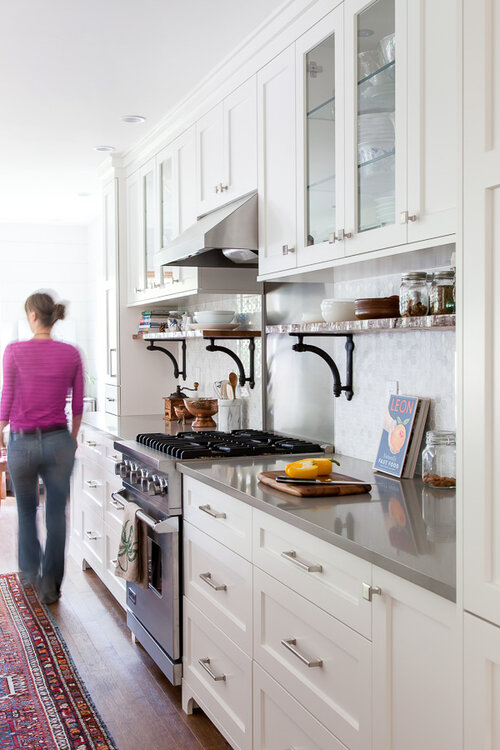
- Use open shelves for easy access and display
- Pick stylish but comfy chairs
- Add plants or art for a fresh feel
- Choose lighting that is both pretty and useful
Avoiding Common Design Mistakes
Many kitchens fail because they do not plan space well or mix styles poorly. Avoid these errors to keep your kitchen both useful and lovely.
| Mistake | How to Fix |
| Poor space layout | Measure carefully and place areas logically |
| Too much clutter | Use smart storage and keep surfaces clear |
| Mismatched styles | Pick a theme and stick with it |
| Bad lighting | Install layered lighting for all tasks |
Budget-friendly Ideas
Designing a kitchen with a breakfast area can be affordable. You can create a warm space without spending too much.
Focus on smart choices in materials, simple projects, and where to spend your money. This helps you get the best look on a budget.
Cost-effective Materials
Choose materials that look good but cost less. This keeps your kitchen stylish and budget-friendly.
- Laminated countertops instead of granite
- Vinyl flooring that looks like wood
- Open shelves made from reclaimed wood
- Painted cabinets instead of new ones
- Simple ceramic tiles for backsplash
Diy Projects For Personal Touch
Doing some work yourself adds character and cuts costs. You can customize your breakfast area with easy projects.
DIY ideas to try:
- Build a small breakfast table with wood planks
- Paint your own wall art or kitchen signs
- Create cushions or curtains from affordable fabric
- Install simple pendant lights with basic wiring
Prioritizing Investments
Spend money wisely on parts that last long or improve comfort most.
| Investment Area | Why It Matters | Budget Tip |
| Lighting | Creates mood and improves space use | Choose energy-saving bulbs and simple fixtures |
| Seating | Comfort for daily breakfast and gatherings | Buy sturdy chairs secondhand or refurbish old ones |
| Storage | Keeps kitchen tidy and efficient | Add shelves or organizers you can install yourself |
Credit: thehousediaries.com
Frequently Asked Questions
How Do I Create A Functional Breakfast Area In My Kitchen?
Choose a cozy spot with natural light. Use compact furniture to save space. Add storage solutions nearby for convenience.
What Are The Best Layouts For Kitchens With Breakfast Areas?
Open-plan layouts work well, combining cooking and dining spaces. Island layouts offer extra seating and prep areas. Choose what fits your space and lifestyle.
How Can I Maximize Space In A Small Kitchen Breakfast Area?
Use multi-purpose furniture like foldable tables. Opt for built-in seating with storage underneath. Keep décor minimal to avoid clutter.
What Lighting Is Ideal For Kitchen Breakfast Areas?
Natural light is best during the day. Add pendant lights or sconces for warm, focused lighting. Use dimmers to adjust mood and brightness.
Conclusion
Designing a kitchen with a breakfast area adds warmth and function. Choose a layout that fits your space well. Pick furniture that is both comfy and practical. Use colors and lighting to create a cozy mood. Small details can make a big difference in comfort.
This space invites family and friends to gather daily. Enjoy meals, chats, and quiet mornings here. A well-planned kitchen breakfast area makes life easier and happier. Take time to plan carefully for the best results. Your kitchen can become the heart of your home.