
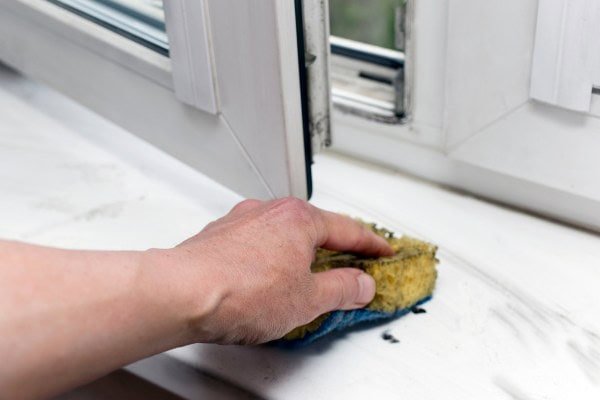
Your window sills might seem like small, overlooked spots in your home, but they play a big role in keeping your space fresh and inviting. If you’ve noticed dust, dirt, or even mold creeping in, it’s time to take action.
Cleaning window sills isn’t as hard as you think—and doing it right can make your whole room feel brighter and cleaner. In this guide, you’ll discover simple, effective steps to get your window sills spotless, protect them from damage, and even prevent future buildup.
Ready to transform those neglected edges into shining features? Let’s get started!

Credit: atlantamaids.com
Essential Tools And Supplies
Cleaning window sills is easy if you have the right tools. These supplies help remove dust, dirt, and grime fast.
Using proper tools protects your window sills and saves time. Keep these items handy before you start cleaning.
Soft Cloths Or Microfiber Towels
Soft cloths or microfiber towels gently clean the window sill without scratching. They trap dust well.
Use dry cloths to dust and damp cloths to wipe away dirt. Avoid rough fabrics that can damage surfaces.
All-purpose Cleaner Or Mild Soap
All-purpose cleaners remove sticky spots and stains easily. Mild soap mixed with water works too.
Choose a cleaner safe for your window sill material. Test a small area first to avoid damage.
Small Brush Or Old Toothbrush
A small brush helps reach tight corners and crevices. It loosens dirt stuck in cracks.
Use a clean, soft-bristled toothbrush for gentle scrubbing. Avoid hard bristles that can scratch paint.
Vacuum Cleaner With Brush Attachment
A vacuum cleaner with a brush tool removes loose dust and debris quickly. It works well before wiping.
This tool helps keep your cleaning mess-free. It is useful for deep cleaning window sills with dirt buildup.
Bucket Of Warm Water
Warm water helps dissolve dirt and makes cleaning easier. Use it to rinse cloths and brushes.
Keep a bucket nearby to dip your cloth or brush while cleaning. Change the water if it gets dirty.
Paper Towels Or Disposable Wipes
Paper towels or disposable wipes help dry window sills after cleaning. They prevent streaks and water marks.
Use fresh towels to avoid spreading dirt. These items are handy for quick touch-ups too.
Preparation Steps
Cleaning window sills starts with good preparation. Doing these steps makes the job easier and faster.
Remove anything that blocks your access to the window sills. Then clear away dust and dirt before you clean.
Remove Curtains And Blinds
Take down curtains and blinds carefully. This gives you full access to the window sill and stops these items from getting dirty.
- Untie or unhook curtains gently.
- Remove blinds by lifting or unscrewing them.
- Place curtains and blinds on a clean surface.
- Wash or dust them separately if needed.
Dust And Vacuum
Clear dust and loose dirt from the window sill. This prevents spreading dust around while cleaning.
| Tools Needed | Purpose |
| Soft brush or duster | Remove surface dust |
| Vacuum cleaner with brush attachment | Pick up fine dirt and debris |
| Microfiber cloth | Wipe leftover dust |
Cleaning Methods
Window sills collect dust, dirt, and grime over time. Cleaning them regularly keeps your home fresh and tidy.
There are simple ways to clean window sills using common household items or store-bought products. Choose the method that fits your needs.
Using Vinegar And Water
Vinegar and water mix is a natural cleaner that removes dirt and kills germs. It works well on wood, metal, and plastic window sills.
- Mix equal parts of white vinegar and water in a spray bottle.
- Spray the solution on the window sill surface.
- Let it sit for five minutes to loosen dirt.
- Wipe with a clean cloth or sponge.
- Dry the area with a soft towel to prevent water spots.
Baking Soda Paste
Baking soda paste is great for scrubbing stubborn stains and grime. It is gentle but effective on most window sill materials.
To make the paste, mix baking soda with a small amount of water until thick. Apply the paste to the dirty spots and scrub with a soft brush or cloth. Rinse with water and dry.
| Material | Cleaning Tip |
|---|---|
| Wood | Use gentle scrubbing and avoid soaking with water. |
| Metal | Dry immediately after cleaning to prevent rust. |
| Plastic | Rinse well to remove all paste residue. |
Commercial Cleaners
Store-bought cleaners can quickly remove tough dirt and stains. Choose a cleaner made for the material of your window sill.
- Read the label to ensure it is safe for your window sill material.
- Apply the cleaner with a cloth or sponge.
- Follow the instructions for how long to leave it on.
- Wipe off the cleaner and dry the surface well.
Credit: medium.com
Addressing Mold And Mildew
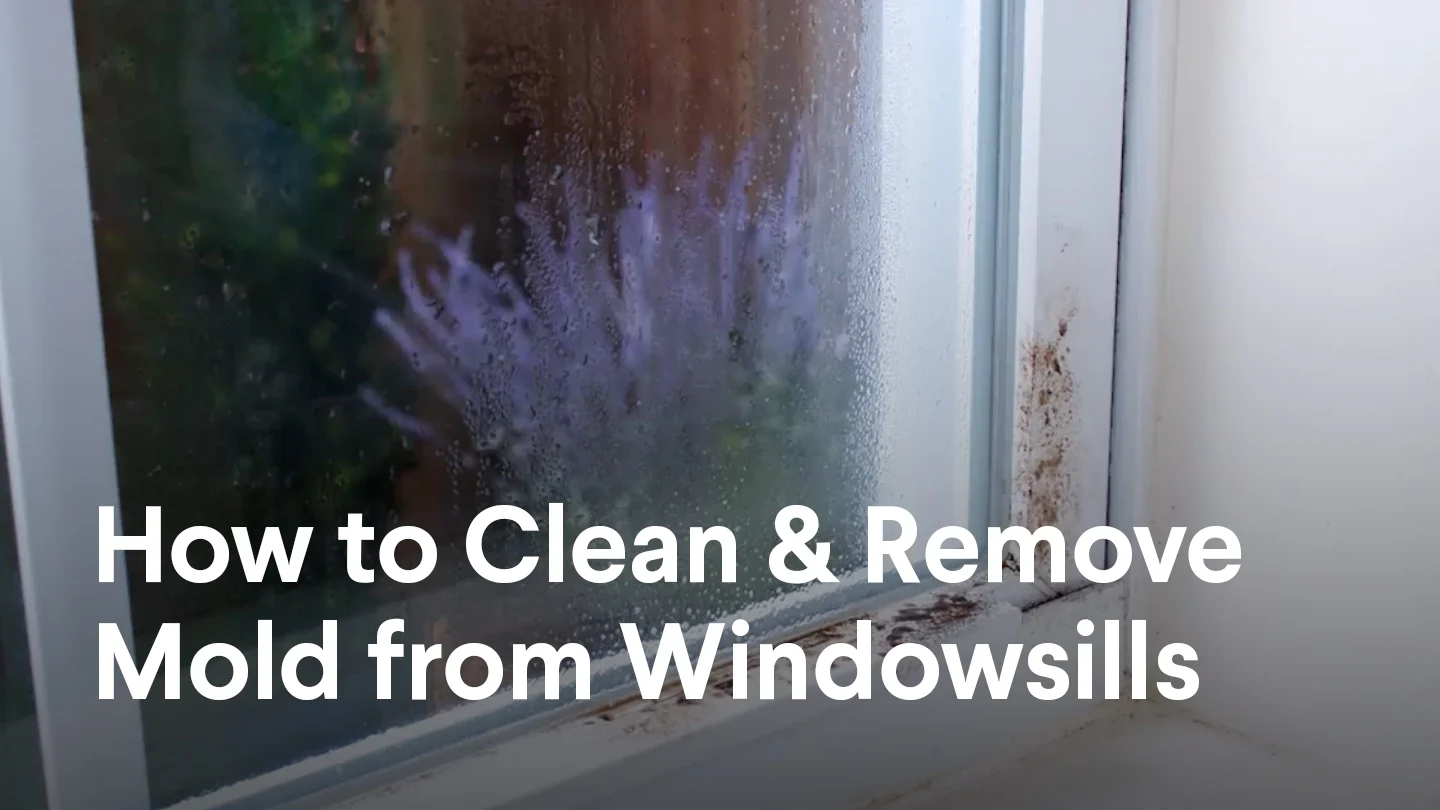
Mold and mildew can grow on window sills from moisture. They cause stains and bad smells. Cleaning them is important for a healthy home.
Use safe methods to remove mold without damaging paint or wood. Both natural and chemical options work well.
Natural Solutions
Natural cleaners remove mold and mildew gently. They are safe for kids and pets. Vinegar, baking soda, and tea tree oil are effective.
- Spray white vinegar on the moldy area and let it sit for an hour.
- Mix baking soda with water to make a paste. Scrub the window sill with it.
- Add a few drops of tea tree oil to water and spray on the surface.
- Wipe the area with a clean cloth and let it dry completely.
Chemical Options
Chemical cleaners kill mold faster but need careful use. Always wear gloves and open windows for air flow.
| Cleaner | How to Use | Safety Tips |
| Bleach solution | Mix one part bleach with three parts water. Apply and scrub gently. | Use gloves and avoid mixing with other chemicals. |
| Commercial mold remover | Follow the instructions on the label for application. | Ensure good ventilation and wear protective gear. |
| Hydrogen peroxide (3%) | Spray directly on mold. Let sit 10 minutes, then wipe clean. | Avoid contact with eyes and skin irritation. |
Polishing For A Shine
Cleaning window sills is not complete without polishing them. Polishing adds a nice shine and protects the surface.
A good polish makes window sills look fresh and new. It also helps prevent dust and dirt buildup.
Choosing The Right Polish
Pick a polish that matches your window sill material. Wood, metal, and plastic need different products.
Use gentle polishes for delicate surfaces. Strong chemicals can damage paint or finish.
- Wood sills: Use wax-based or oil-based polish
- Metal sills: Use metal polish or mild cleaner
- Plastic sills: Use a mild, non-abrasive polish
Application Techniques
Start by cleaning the sill with a soft cloth. Remove dust and dirt before polishing.
Apply polish in small amounts. Use a clean, soft cloth or sponge for even coverage.
- Rub polish gently in circular motions
- Let polish sit for a few minutes
- Buff with a dry cloth to bring out the shine
Maintenance Tips
Keeping window sills clean helps your home look neat. Dirt and dust can build up quickly if you don’t clean often.
Regular care makes cleaning easier and prevents damage to the window sill material.
Regular Cleaning Schedule
Clean your window sills at least once a week. Use a soft cloth or brush to remove dust and dirt.
For stubborn dirt, use mild soap and water. Dry the sill well after cleaning to avoid water damage.
- Dust with a microfiber cloth every few days
- Wipe with soapy water once a week
- Dry thoroughly after each cleaning
Preventing Future Dirt Buildup
Keep window sills clean by reducing dust and moisture near windows. Close windows during windy days to stop dirt from entering.
Use window screens to block dirt and insects. Place plants or mats near windows to catch dust before it reaches the sill.
- Close windows on windy or dusty days
- Install window screens to reduce dirt entry
- Use mats or plants near windows
- Wipe spills immediately to prevent stains
Safety Precautions
Cleaning window sills may involve using strong chemicals and tools. Safety is important to avoid injuries. Follow simple rules before you start.
Wear the right gear and handle cleaning products carefully. This guide covers how to protect yourself during the process.
Handling Chemicals Safely
Many cleaners contain harsh chemicals. These can harm your skin, eyes, or lungs. Always read labels and follow instructions.
- Use gloves made of rubber or latex to protect your hands.
- Open windows or doors to keep the area ventilated.
- Never mix different cleaning products together.
- Store chemicals away from children and pets.
- Dispose of used cleaning materials properly.
Protecting Skin And Eyes
Protect your skin and eyes from splashes and dust. Use the right safety gear before cleaning.
| Safety Item | Purpose |
| Gloves | Protect hands from chemicals and dirt |
| Safety Goggles | Shield eyes from splashes and dust |
| Long Sleeves | Cover arms to avoid skin contact |
| Face Mask | Prevent inhaling dust and fumes |
Credit: www.clorox.com
Frequently Asked Questions
How Often Should I Clean Window Sills?
Clean window sills at least once a month to prevent dirt buildup. Frequent cleaning helps maintain appearance and prevents mold or mildew growth. For dusty or high-traffic areas, clean more often for best results.
What Cleaning Tools Are Best For Window Sills?
Use a soft brush, microfiber cloth, and mild detergent. A vacuum with a brush attachment helps remove loose dust. Avoid abrasive tools that can scratch or damage the surface.
Can I Use Vinegar To Clean Window Sills?
Yes, vinegar is effective for removing dirt and mold. Mix equal parts vinegar and water in a spray bottle. Spray, let it sit for a few minutes, then wipe clean with a cloth.
How Do I Prevent Mold On Window Sills?
Ensure proper ventilation to reduce moisture buildup. Clean window sills regularly and dry them thoroughly. Use a mold-resistant spray if mold frequently appears.
Conclusion
Cleaning window sills keeps your home fresh and bright. Dirt and dust do not stand a chance. Regular care stops build-up and damage. Use simple tools and mild cleaners for best results. Take your time and clean gently. Your windows will look neat and inviting.
Small efforts make a big difference in home upkeep. Try these easy steps to keep window sills sparkling. Clean window sills help light shine through clearly. A clean home feels more comfortable and welcoming.