
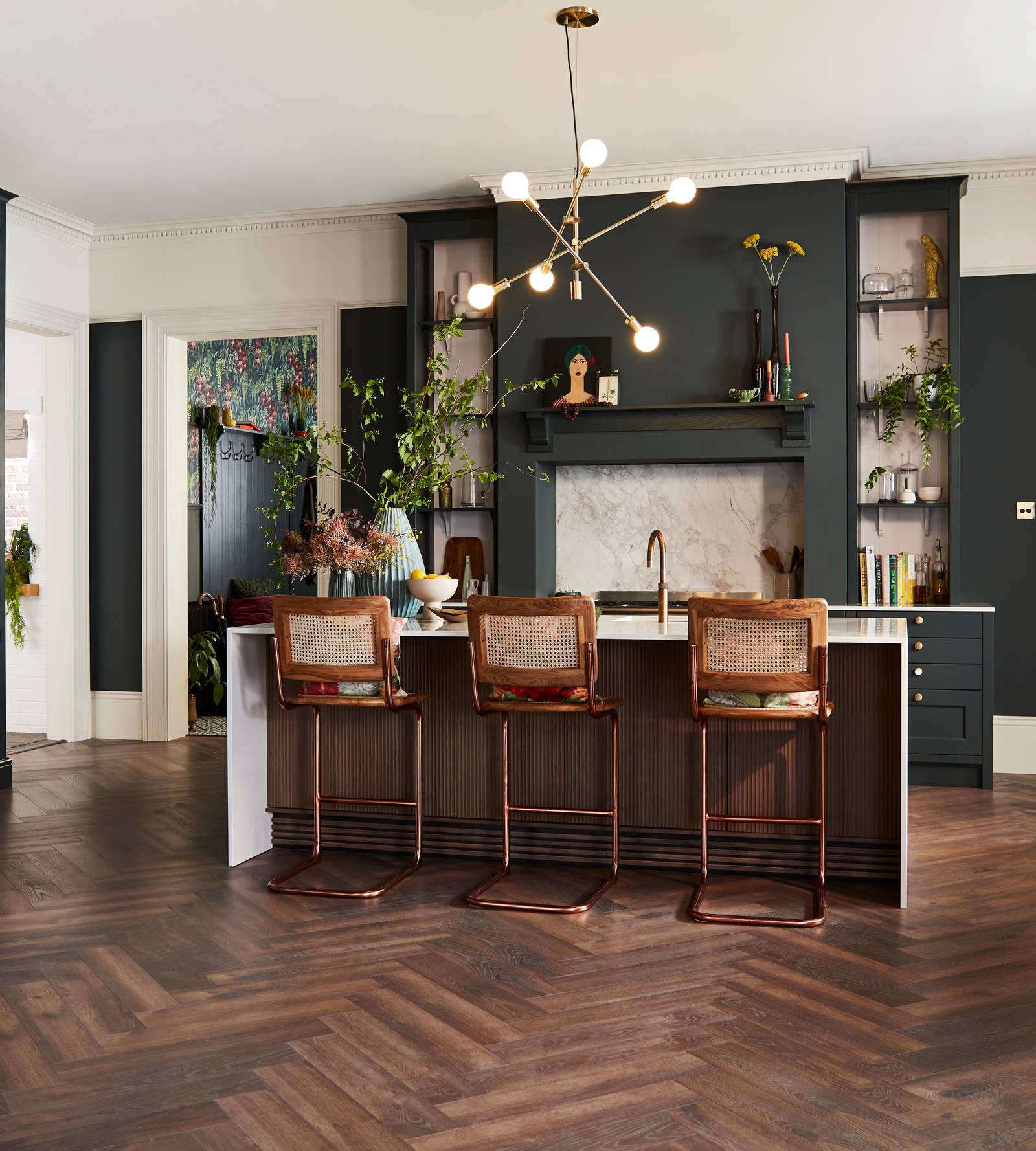
Your kitchen is more than just a place to cook—it’s where memories are made, and style meets function. Imagine walking into a space that feels warm, inviting, and effortlessly elegant every time you step inside.
The secret? Lighting. But not just any lighting—elegant lighting that transforms your kitchen into a stunning centerpiece. If you’ve ever wondered how to make your kitchen shine with the perfect glow, this guide is for you. Keep reading to discover simple yet powerful ways to design a kitchen with elegant lighting that will captivate everyone who enters.
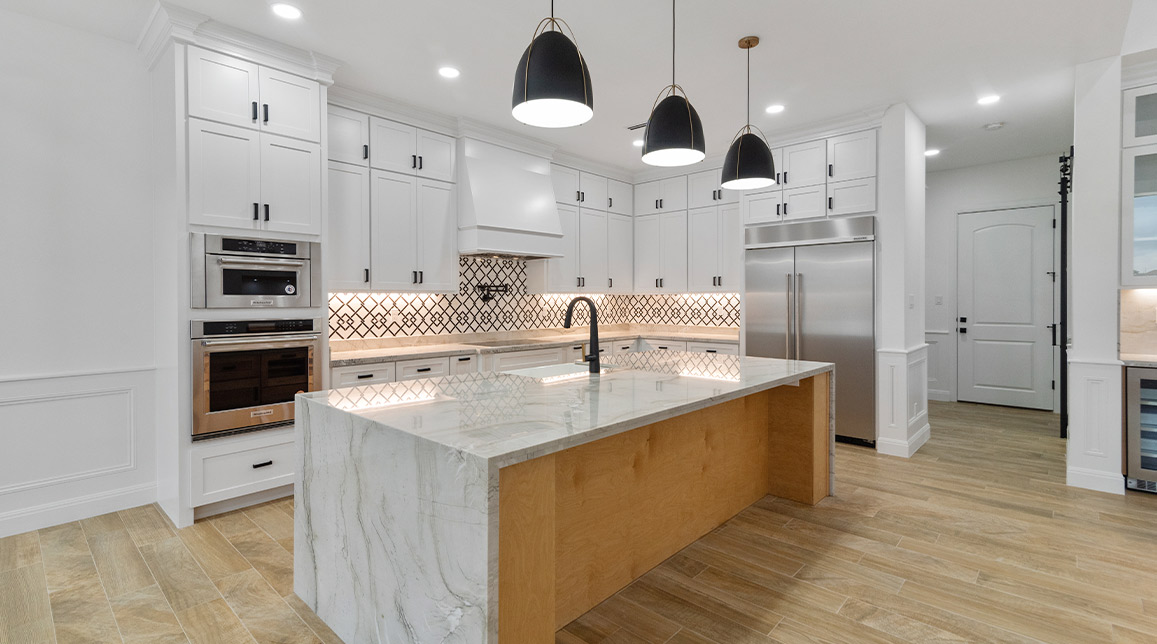
Credit: guzmanconstructionrgv.com
Choosing The Right Light Fixtures
Lighting makes a big difference in your kitchen’s look and feel. Picking the right light fixtures helps create an elegant space.
Good lighting adds style and helps with tasks like cooking and cleaning. It also sets the mood for your kitchen.
Types Of Kitchen Lighting
There are three main types of kitchen lighting. Each type serves a different purpose to make your kitchen bright and functional.
- Ambient lighting:Provides overall light for the whole kitchen.
- Task lighting:Focuses light on work areas like counters and sinks.
- Accent lighting:Highlights design features or adds mood light.
Use a mix of these lighting types to make your kitchen both practical and stylish.
Popular Fixture Styles
Light fixtures come in many styles. Choose one that matches your kitchen’s design and adds elegance.
- Chandeliers:Great for a classic or luxurious look.
- Pendants:Perfect over islands or dining areas for focused light.
- Recessed lights:Clean and modern, good for ambient lighting.
- Under-cabinet lights:Ideal for task lighting on counters.
- Sconces:Add decorative light on walls or around windows.
Choose fixtures with finishes that match your kitchen hardware and decor.
Size And Scale Considerations
Pick light fixtures that fit the size of your kitchen and furniture. Too big or too small fixtures can look off.
Measure your space before buying. Large kitchens can hold bigger fixtures, while small kitchens need smaller ones.
- Use smaller pendants for narrow islands.
- Choose larger chandeliers for open kitchens.
- Keep clearance space so fixtures do not block movement.
- Balance fixture size with ceiling height.
Layering Light For Depth
Lighting creates a feeling of space and warmth in your kitchen. Using different layers of light adds depth and style.
Layered lighting uses three types of light to make your kitchen both functional and beautiful.
Ambient Lighting Solutions
Ambient light is the main light that fills the whole kitchen. It gives a soft, even glow without harsh shadows.
Common ambient lights include ceiling fixtures and recessed lights. They help you see clearly everywhere.
- Ceiling-mounted lights spread light evenly
- Recessed lights blend into the ceiling
- Flush mount fixtures work well in small kitchens
Task Lighting Essentials
Task lighting focuses on work areas like counters and sinks. It helps you cook and clean safely.
Good task lighting is bright and direct. It reduces shadows where you prepare food.
- Under-cabinet lights brighten countertops
- Pendant lights work well over kitchen islands
- Adjustable spotlights highlight stove and sink
Accent Lighting Techniques
Accent lighting adds drama and highlights special features. It creates visual interest and depth.
Use accent lights to show off artwork, shelves, or textured walls. This adds personality to your kitchen.
- LED strip lights under cabinets or shelves
- Small spotlights to highlight decorative items
- Colored bulbs for mood and style effects
Utilizing Natural Light
Natural light makes a kitchen feel bigger and more welcoming. It shows off your design and colors well.
Using natural light helps save energy and creates a warm, bright space for cooking and eating.
Maximizing Window Space
Big windows bring in more sunlight and fresh air. Place your kitchen work areas near windows for natural light.
Avoid heavy curtains that block light. Use sheer or light-colored curtains instead to keep light flowing.
Reflective Surfaces
Shiny surfaces bounce light around the room. Use glossy tiles, glass, or polished countertops to reflect light.
Mirrors also increase brightness by reflecting natural light from windows into darker corners.
- Glossy backsplash tiles
- Glass cabinet doors
- Polished stone countertops
- Decorative mirrors
Skylights And Openings
Skylights bring daylight from above, lighting the kitchen evenly. They work well in rooms with few windows.
Openings like glass doors or transoms add light and connect the kitchen to outdoor spaces.

Credit: www.designcafe.com
Color Temperature And Mood
Lighting color temperature affects how your kitchen feels. It changes the mood and style of the space.
Choosing the right light color can make cooking and dining more enjoyable. It also highlights your kitchen design.
Warm Vs. Cool Lighting
Warm lighting has a yellow or amber tone. It creates a cozy and inviting atmosphere.
Cool lighting has a blue or white tone. It feels fresh and energizing, perfect for task areas.
- Warm light ranges from 2700K to 3000K
- Cool light ranges from 3500K to 5000K
- Warm light suits dining and relaxing zones
- Cool light suits cooking and cleaning areas
Adjustable Lighting Options
Adjustable lights let you change color and brightness. This helps you set the mood easily.
Many kitchens use dimmers and smart bulbs for flexible lighting. You can switch from warm to cool light anytime.
| Type | Feature | Benefit |
| Dimmer Switch | Adjusts brightness | Sets light level for mood |
| Smart Bulb | Changes color temperature | Switches between warm and cool light |
| Multi-Light Fixtures | Separate controls | Customizes different zones |
Impact On Kitchen Ambiance
Lighting color and mood affect how the kitchen feels. Warm light feels comfortable and calm.
Cool light makes the kitchen bright and clean. It helps with focus during cooking tasks.
Consider these tips for kitchen lighting:
- Use warm light over dining areas for comfort.
- Use cool light near cooking surfaces for clarity.
- Mix both types for balanced ambiance.
- Include adjustable options to change mood easily.
Energy Efficiency In Lighting
Designing a kitchen with energy-efficient lighting saves money and helps the environment. Good lighting uses less power and lasts longer.
Choosing the right lighting can make your kitchen bright and eco-friendly. This guide covers key ideas for energy-saving lights.
Led Lighting Benefits
LED lights use much less electricity than traditional bulbs. They also have a longer life, reducing waste and replacement costs.
- Lower energy use compared to incandescent lights
- Cooler operation reduces heat in the kitchen
- Lasts up to 25 times longer than regular bulbs
- Available in many colors and brightness levels
- Instant light without warm-up time
Smart Lighting Systems
Smart lighting uses sensors and controls to reduce wasted energy. You can adjust lights with apps or voice commands.
| Feature | Benefit |
| Motion Sensors | Turn lights off when no one is in the room |
| Dimming Controls | Lower brightness to save energy and create mood |
| Scheduling | Set lights to turn on or off at specific times |
Sustainable Practices
Using sustainable lighting means choosing materials and methods that reduce harm to the planet.
- Recycle old bulbs and fixtures properly
- Choose fixtures made from eco-friendly materials
- Use natural light during the day to cut electricity use
- Install timers to avoid leaving lights on unnecessarily
- Maintain fixtures to keep lights efficient
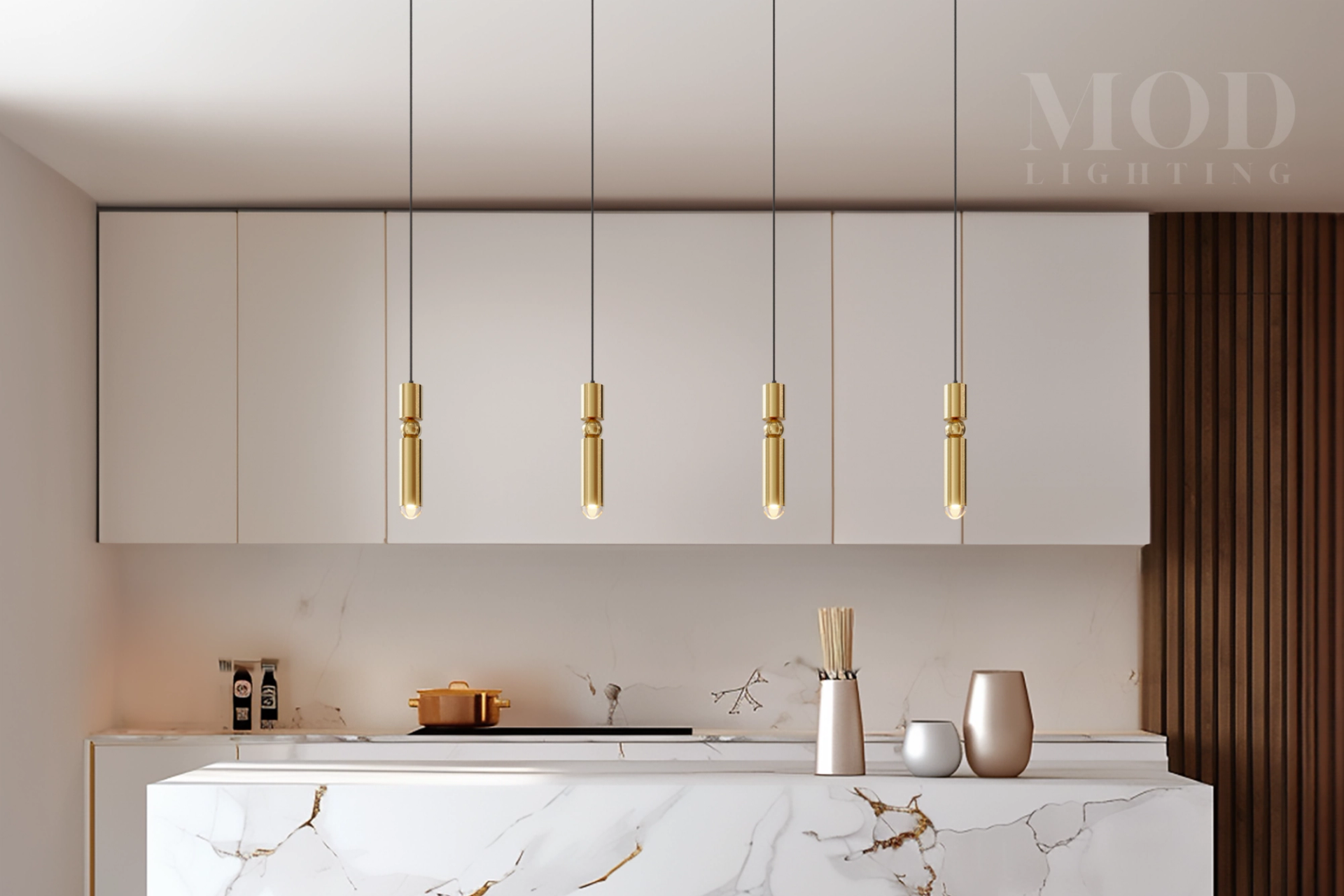
Credit: mod-lighting.com
Integrating Lighting With Design
Lighting shapes the look and feel of your kitchen. It sets the mood and shows off your style. Good lighting blends with your kitchen’s design to create a warm and inviting space.
Use lighting to highlight key areas and add charm. Think about how light works with colors, shapes, and materials in your kitchen.
Harmonizing With Kitchen Style
Choose lighting that matches your kitchen’s style. Modern kitchens look great with sleek fixtures. Traditional kitchens suit warm and classic lights. Rustic kitchens benefit from natural and soft lighting.
- Pick light colors that fit your kitchen tones
- Match fixture shapes to your kitchen design
- Consider materials like metal, wood, or glass
- Use dimmers to adjust light levels easily
Highlighting Architectural Features
Use lighting to draw attention to your kitchen’s best parts. Show off countertops, shelves, or a unique backsplash with focused lights. This adds depth and interest to your space.
| Feature | Lighting Type | Effect |
| Kitchen Island | Pendant Lights | Creates a focal point |
| Cabinetry | Under-Cabinet Lights | Highlights work areas |
| Backsplash | Strip LED Lights | Enhances texture and color |
| Ceiling Beams | Spotlights | Accentuates architectural detail |
Balancing Functionality And Aesthetics
Good kitchen lighting must be both useful and beautiful. Bright task lights help with cooking. Soft ambient lights create a cozy mood. Mix different light types for balance.
Here are tips to balance function and style:
- Use bright lights over cooking and prep areas
- Add dimmable lights for flexible brightness
- Choose fixtures that match kitchen decor
- Include accent lighting to add warmth
Innovative Lighting Trends
Lighting shapes the look and feel of a kitchen. New trends bring fresh ideas for brightening the space.
Designers use different styles and technology to make kitchens both useful and beautiful.
Tech-driven Solutions
Smart lighting systems adjust brightness and color with apps or voice commands. They save energy and add comfort.
LED strips under cabinets and inside shelves highlight work areas and decor. Sensors can turn lights on when you enter.
- App-controlled dimmers and color changes
- Motion sensors for automatic lighting
- Energy-efficient LED options
Minimalist Designs
Minimalist lighting uses simple shapes and clean lines. This style fits modern kitchens well.
Recessed lights and thin pendant lamps keep the ceiling clear and the look neat.
- Recessed ceiling lights for soft, even light
- Thin pendant lamps over islands or counters
- Neutral colors and subtle finishes
Statement Pieces
Bold lighting fixtures become the kitchen’s centerpiece. They add personality and style.
Choose large chandeliers, colorful pendants, or unique shapes to create a strong look.
- Oversized chandeliers above dining areas
- Bright pendant lights with artistic designs
- Mix of materials like glass, metal, or wood
Frequently Asked Questions
What Are The Best Lighting Types For Elegant Kitchens?
Pendant lights, recessed lighting, and under-cabinet LEDs work best. They create layers and highlight design features effectively. Combining these enhances both style and functionality in kitchen spaces.
How Can Lighting Improve Kitchen Ambiance And Functionality?
Proper lighting balances brightness and warmth, creating inviting spaces. Task lighting aids cooking, while ambient lighting sets the mood. Together, they improve usability and atmosphere in the kitchen.
Which Light Colors Suit An Elegant Kitchen Design?
Warm white (2700K-3000K) lights add a cozy and elegant feel. They complement natural materials and soft tones. Avoid harsh or overly cool lighting for a refined look.
How To Position Kitchen Lights For Maximum Elegance?
Place pendant lights over islands, under-cabinet lights on counters, and recessed lights evenly on ceilings. This layering highlights key areas and adds depth, enhancing elegance and function.
Conclusion
Elegant kitchen lighting creates a warm and inviting space. Choose lights that fit your style and needs. Mix bright and soft lights for balance. Think about where you need more light, like counters or dining areas. Simple changes can make a big difference.
Enjoy cooking and spending time in a well-lit kitchen. Good lighting helps your kitchen look beautiful and work better. Keep these tips in mind when planning your kitchen design. Bright ideas lead to a lovely kitchen atmosphere.