
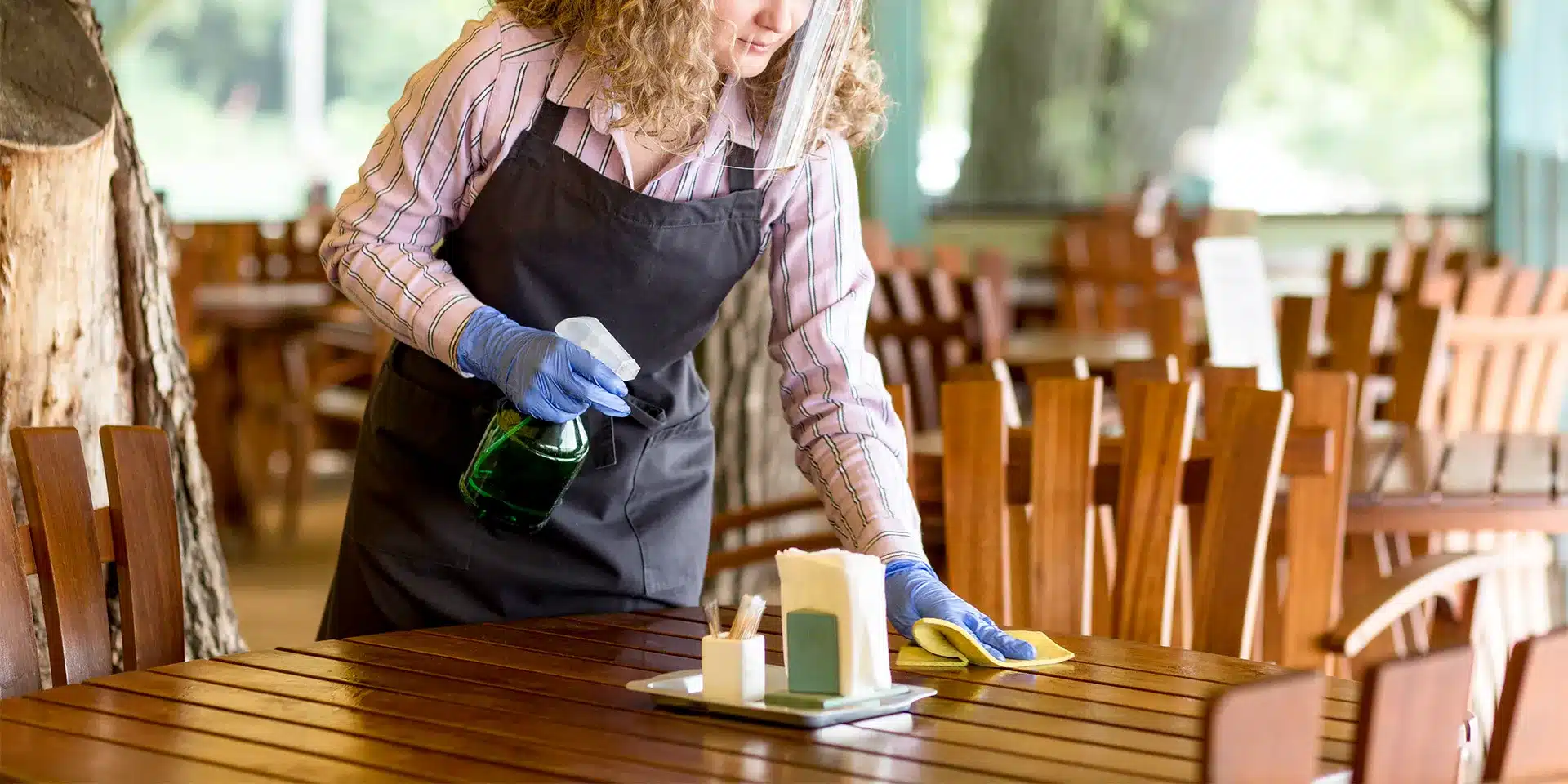
Your outdoor furniture is more than just a place to sit—it’s where memories are made, and your personal style shines. But dirt, dust, and weather can quickly dull its look and comfort.
Imagine relaxing on spotless, fresh furniture every time you step outside. You can achieve that with simple cleaning steps that save you time and money. Ready to bring your outdoor space back to life? Let’s dive into how you can clean your outdoor furniture easily and effectively.
Choosing The Right Cleaning Supplies
Cleaning outdoor furniture keeps it looking fresh and lasting longer. Picking the right supplies makes the job easier and safer for your furniture.
Using proper cleaners and tools helps remove dirt without damaging surfaces. This guide covers eco-friendly options and essential tools you need.
Eco-friendly Options
Eco-friendly cleaners protect the environment and your health. They avoid harsh chemicals but still clean well.
- White vinegar mixed with water for mild cleaning
- Baking soda paste to scrub tough stains gently
- Castile soap diluted in water as a natural detergent
- Lemon juice for removing mildew and brightening surfaces
- Commercial biodegradable cleaners made from natural ingredients
Essential Tools And Accessories
Having the right tools makes cleaning faster and protects your furniture. Use soft brushes and cloths to avoid scratches.
| Tool | Use |
| Soft-bristle brush | Remove dirt from crevices without damage |
| Microfiber cloths | Wipe surfaces gently and absorb moisture |
| Bucket | Mix and carry cleaning solutions |
| Spray bottle | Apply cleaners evenly on surfaces |
| Garden hose with nozzle | Rinse furniture without high pressure |

Credit: coshliving.com.au
Cleaning Different Types Of Materials
Outdoor furniture comes in many materials. Each type needs special care to stay clean and last long.
Knowing how to clean wood, metal, plastic, and wicker helps keep your furniture looking good.
Wood Furniture Care
Wood furniture needs gentle cleaning to avoid damage. Use mild soap and water with a soft cloth.
Dry the wood well after washing to stop moisture from causing cracks or mold.
- Wipe with a damp cloth and mild soap
- Rinse with clean water
- Dry with a soft towel
- Apply wood oil or sealant yearly
Metal Furniture Maintenance
Metal furniture can rust if not cleaned properly. Use a brush to remove dirt and debris first.
Clean with a mixture of water and mild detergent. Dry the metal fully to stop rust from forming.
- Brush off loose dirt
- Wash with soapy water
- Rinse and dry completely
- Use rust protectant if needed
Plastic And Resin Cleaning Tips
Plastic and resin furniture is easy to clean. Use warm water and dish soap for regular cleaning.
For tough stains, try a mixture of baking soda and water. Scrub gently with a soft brush.
- Mix warm water with mild dish soap
- Use soft cloth or brush to clean
- For stains, apply baking soda paste
- Rinse thoroughly and air dry
Wicker And Rattan Care
Wicker and rattan are delicate materials. Clean with a vacuum or soft brush to remove dust.
Use a mild soap solution and a damp cloth for cleaning. Avoid soaking to prevent damage.
- Vacuum or brush dust away
- Clean with mild soap and water
- Use damp cloth, not too wet
- Dry in shade to avoid cracking
Removing Stubborn Stains
Outdoor furniture faces many stains from dirt, weather, and use. Some stains stick and need extra care to remove. Cleaning these stubborn stains keeps furniture looking fresh and lasts longer.
Using the right tools and cleaners helps clear tough spots without damage. Focus on common problems like mold, rust, and food spills for best results.
Tackling Mold And Mildew
Mold and mildew grow in damp outdoor areas. They look like black or green spots and can damage furniture if left untreated. Clean them quickly to protect your furniture.
Use a mix of water and mild soap or vinegar. Scrub the affected area with a soft brush. Rinse well and dry the furniture in the sun to stop mold from returning.
- Wear gloves to protect your skin
- Test cleaner on a small spot first
- Do not use bleach on wood or painted surfaces
- Repeat cleaning if mold stays
Dealing With Rust And Corrosion
Metal furniture can get rust spots from rain and humidity. Rust weakens metal and looks unsightly. Remove rust as soon as you see it to prevent damage.
Use a wire brush or sandpaper to scrub off rust. Clean the area with soapy water and dry it well. Apply a rust-resistant paint or sealant to protect the metal.
- Wear a mask to avoid dust
- Work in a well-ventilated area
- Check for rust regularly
- Cover furniture when not in use
Handling Food And Drink Spills
Food and drink spills can stain cushions, tables, and chairs. Clean spills quickly to stop stains from setting. Use gentle cleaners to avoid damage.
Blot liquids with a clean cloth. For sticky spots, use warm water and mild soap. Rinse with clean water and dry with a towel or let air dry.
- Do not rub spills, blot instead
- Use a stain remover safe for your furniture type
- Wash cushion covers if possible
- Keep outdoor dining areas clean to reduce spills
Credit: ca.style.yahoo.com
Seasonal Maintenance Tips
Outdoor furniture needs care to stay in good shape through the seasons. Cleaning and protecting it helps it last longer.
This guide gives tips for summer use, winter storage, and year-round care.
Preparing For Summer Use
Start by cleaning your furniture to remove dirt and dust. Use mild soap and water with a soft cloth or brush.
- Check for any damage or loose parts and fix them.
- Apply a protective sealant for wood or a UV protectant for plastic.
- Replace or wash cushions and covers to keep them fresh.
- Arrange furniture in a sunny spot to dry completely before use.
Winter Storage Solutions
Proper storage prevents damage from cold and moisture during winter. Clean furniture thoroughly before storing.
| Furniture Type | Storage Tip |
| Wood | Store indoors or cover with breathable fabric |
| Metal | Keep dry and apply rust protector |
| Plastic | Stack or store in a dry shed |
| Fabric cushions | Dry completely and store in sealed bags |
Routine Care Throughout The Year
Regular cleaning keeps outdoor furniture looking good and working well. Do this every few weeks or after bad weather.
- Wipe down surfaces with a damp cloth.
- Remove stains quickly using mild soap.
- Check for signs of wear or damage regularly.
- Store cushions indoors when not in use.
- Reapply protective coatings as needed.
Protective Measures For Longevity
Outdoor furniture faces sun, rain, and wind every day. Taking simple steps helps keep it strong and looking good for years.
This guide explains ways to protect your furniture using covers, coatings, and smart placement.
Using Furniture Covers
Furniture covers protect pieces from dust, moisture, and UV rays. Choose covers that fit well and are made from breathable material.
- Measure your furniture before buying covers
- Pick waterproof but breathable fabrics
- Secure covers with ties or elastic hems
- Remove and air out covers regularly to prevent mold
Applying Protective Coatings
Coatings add a protective layer that shields furniture from water and sun damage. Different materials need different treatments.
| Furniture Material | Recommended Coating | Frequency of Application |
|---|---|---|
| Wood | Outdoor varnish or sealant | Once a year |
| Metal | Rust-resistant paint or clear coat | Every 2 years |
| Plastic | UV-resistant spray | Every 6 months |
Positioning To Minimize Weather Damage
Place furniture in spots that reduce exposure to harsh weather. Use natural shade or structures to protect pieces.
- Keep furniture under awnings or patios
- Avoid placing furniture directly under trees that drip sap or drop leaves
- Elevate furniture slightly to avoid water pooling
- Arrange seating away from strong winds

Credit: www.youtube.com
Diy Cleaning Solutions
Cleaning outdoor furniture does not require harsh chemicals. You can use easy, homemade cleaners. These solutions save money and protect your furniture.
Learn simple ways to clean different materials. Use natural items found in your kitchen for safe and effective results.
Homemade Cleaners For Every Material
Different furniture materials need different cleaners. Here are DIY recipes for wood, metal, plastic, and fabric furniture.
- Wood:Mix 1 cup of warm water with 1 tablespoon of mild dish soap. Use a soft cloth to wipe.
- Metal:Combine 1/2 cup vinegar with 1/2 cup water. Spray and wipe to remove rust and dirt.
- Plastic:Blend 1 tablespoon baking soda with 2 cups warm water. Scrub with a sponge.
- Fabric cushions:Use 1 cup water mixed with 1/4 cup white vinegar and a few drops of essential oil. Spray lightly and air dry.
Natural Alternatives To Chemical Products
Natural cleaners reduce exposure to chemicals and are gentle on furniture. Use these ingredients for safe cleaning.
| Ingredient | Use | Benefit |
| Baking Soda | Scrubbing and deodorizing | Non-toxic and gentle abrasive |
| White Vinegar | Removing stains and mold | Kills bacteria and dissolves grime |
| Lemon Juice | Brightening and freshening | Natural bleach and pleasant scent |
| Olive Oil | Polishing wood surfaces | Moisturizes and shines wood |
Frequently Asked Questions
How Often Should I Clean Outdoor Furniture?
Clean your outdoor furniture at least once every season. Frequent cleaning prevents dirt buildup and damage. Regular maintenance extends the furniture’s lifespan and keeps it looking fresh.
What Is The Best Cleaner For Outdoor Furniture?
Use a mild soap mixed with warm water for most materials. Avoid harsh chemicals that can damage surfaces. For tougher stains, specialized outdoor furniture cleaners work well.
Can I Use A Pressure Washer On Outdoor Furniture?
Yes, but use low pressure to avoid damage. Test a small area first to ensure safety. Pressure washing removes dirt effectively without harming the material if done carefully.
How Do I Prevent Mold On Outdoor Furniture?
Keep furniture dry and store it covered during wet seasons. Clean regularly to remove dirt and moisture. Using mold-resistant sprays can also help prevent growth.
Conclusion
Cleaning outdoor furniture keeps it looking fresh and inviting. Regular care stops dirt and damage from building up. Use gentle cleaners and soft brushes to protect surfaces. Dry furniture well to avoid mold and rust. Small efforts now save big repairs later.
Enjoy your clean outdoor space every day. Keep this routine simple and easy. Your furniture will thank you with long-lasting beauty.