
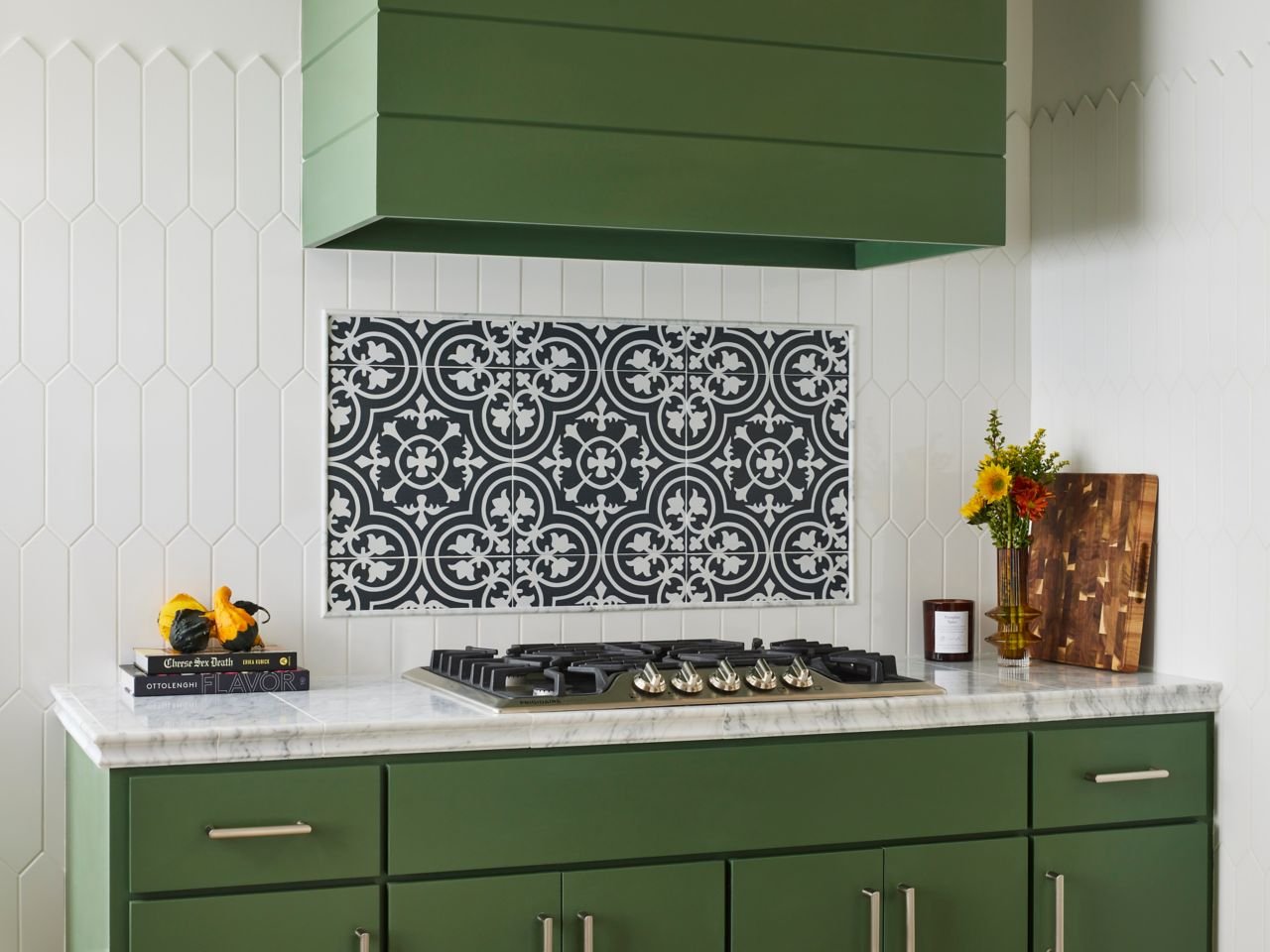
Your kitchen is more than just a place to cook—it’s the heart of your home. If you want to add personality and charm, decorative tiles are one of the best ways to do it.
Imagine turning a plain wall into a stunning focal point that catches everyone’s eye. You might be wondering how to choose the right tiles or arrange them for maximum impact. This guide will show you simple, creative ideas to transform your kitchen with decorative tiles, making it both beautiful and inviting.
Ready to give your kitchen the upgrade it deserves? Let’s dive in!
Choosing The Right Tile Material
Decorative tiles can change the look of your kitchen. Picking the right material is key for style and durability. Different tiles work best for different kitchen areas.
Some tiles are easy to clean, while others add texture and color. Learn about ceramic, porcelain, glass, and stone tiles to choose the best one.
Ceramic Vs Porcelain
Ceramic and porcelain tiles look similar but have key differences. Ceramic tiles are softer and easier to cut. Porcelain tiles are denser and more water-resistant.
| Feature | Ceramic | Porcelain |
|---|---|---|
| Water Resistance | Moderate | High |
| Durability | Good for walls | Good for floors |
| Cost | Lower | Higher |
| Installation | Easier | Requires special tools |
| Appearance | More porous surface | Denser and more uniform |
Choose ceramic for wall backsplashes and porcelain for floors or heavy use areas. Both offer many colors and patterns.
Glass And Stone Options
Glass tiles add shine and reflect light. Stone tiles give a natural, textured look. Both bring unique style to your kitchen.
- Glass Tiles: Easy to clean and bright. They resist stains but can scratch.
- Marble: Elegant but needs sealing to avoid stains.
- Slate: Durable and rustic. Good for floors and walls.
- Granite: Strong and heat-resistant. Works well for countertops and backsplashes.
Consider your kitchen use and cleaning habits when picking glass or stone tiles. Each type needs different care to last long.
Color Schemes And Patterns
Decorative tiles can change your kitchen’s look. Choosing the right colors and patterns is important.
Color schemes and tile patterns set the kitchen’s mood and style. They guide your design choices.
Bold Vs Neutral Tones
Bold tones bring energy and life to your kitchen. They make a strong statement with bright colors.
Neutral tones create a calm and timeless space. They use soft colors like beige, gray, and white.
- Bold tones: red, blue, green, yellow
- Neutral tones: cream, taupe, gray, soft brown
- Bold colors work well as accents or backsplashes
- Neutral colors suit large areas and floors
Geometric And Floral Patterns
Geometric patterns give a modern and clean look. They use shapes like squares, triangles, and hexagons.
Floral patterns add warmth and charm. They often feature flowers or leaf designs for a natural feel.
- Geometric patterns: stripes, chevrons, grids
- Floral patterns: vines, petals, blossoms
- Geometric tiles suit minimalist kitchens
- Floral tiles fit classic or rustic styles
Backsplash Design Ideas
Decorative tiles can change how your kitchen looks. A backsplash adds style and protects your walls.
Pick the right tile design to fit your kitchen’s theme and feel.
Classic Subway Tiles
Subway tiles are simple and timeless. They have a clean, rectangular shape and usually come in white.
These tiles fit well in many kitchen styles, from modern to traditional.
- Easy to clean and maintain
- Works with many colors and designs
- Can be arranged in patterns like herringbone or stacked
Mosaic And Artistic Designs
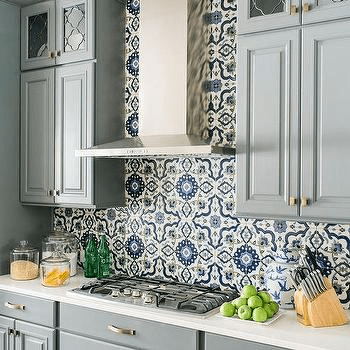
Mosaic tiles use small pieces to form patterns or pictures. They add color and texture to your kitchen.
You can create custom designs or use ready-made mosaic sheets for easy installation.
- Mix different colors and shapes
- Add a focal point behind the stove or sink
- Use glass, ceramic, or stone materials
Credit: www.cabinetdoors.com
Floor Tile Inspirations
Decorative tiles can transform your kitchen floor into a stylish space. Picking the right tile style sets the tone for your kitchen.
Below are popular tile ideas to inspire your kitchen floor design.
Large Format Tiles
Large format tiles cover more floor area with fewer grout lines. This creates a clean and modern look.
These tiles work well in kitchens with open layouts. They make the space feel bigger and less busy.
- Choose neutral colors like gray, beige, or white
- Opt for matte finishes to reduce slipperiness
- Use porcelain or natural stone for durability
- Keep grout color close to tile color for seamless look
Checkerboard And Herringbone Styles
Checkerboard and herringbone patterns add visual interest to kitchen floors. These styles mix classic charm with modern flair.
| Pattern | Description | Best Tile Type |
|---|---|---|
| Checkerboard | Alternating dark and light tiles in a grid | Square ceramic or porcelain tiles |
| Herringbone | Rectangular tiles arranged in a zigzag pattern | Wood-look or stone-look tiles |
Both patterns suit kitchens with traditional or contemporary styles. Pick colors that contrast well for checkerboard. For herringbone, natural tones work best.
Accenting Countertops And Cabinets
Decorative tiles can add style and personality to your kitchen. They work well to highlight countertops and cabinets. Using the right tiles makes your kitchen look unique and fresh.
This guide shows how to use contrasting colors and textured or matte finishes. These ideas help you create a stunning kitchen space.
Contrasting Colors
Choose tile colors that stand out against your countertops or cabinets. Contrast can bring energy and focus to the kitchen design. For example, light tiles look great with dark cabinets.
- Use bright tiles to highlight dark countertops.
- Pick neutral tiles with colorful cabinets.
- Mix warm and cool tones for balance.
- Try bold patterns to create a focal point.
Textured And Matte Finishes
Textured and matte tiles add depth and interest without shine. These finishes create a soft, natural look that suits many kitchen styles. They also hide fingerprints and smudges well.
| Finish Type | Benefits | Best Use |
| Textured | Adds tactile feel and visual interest | Backsplashes and cabinet accents |
| Matte | Soft look, hides marks better | Countertop edges and large surfaces |

Credit: mercurymosaics.com
Mixing And Matching Tiles
Decorative tiles can change the look of your kitchen. Mixing different tiles adds style and character.
You can create a unique kitchen by combining colors, shapes, and textures of tiles.
Combining Different Materials
Using different tile materials adds depth to your kitchen design. Ceramic, glass, and stone tiles each offer a unique look.
Mixing these materials creates contrast and interest. For example, glossy glass tiles can highlight matte stone tiles.
- Ceramic tiles are durable and easy to clean
- Glass tiles reflect light and brighten the space
- Stone tiles add a natural and rustic feel
Creating A Cohesive Look
To keep your kitchen stylish, balance different tile styles well. Choose colors that blend or complement each other.
Use repeating shapes or patterns to connect different tile areas. This helps your kitchen look planned and neat.
- Pick a color palette to guide tile choices
- Use similar shapes in different tile types
- Repeat patterns in backsplashes and floors
- Keep grout color consistent to unify tiles
Maintenance And Care Tips
Decorative tiles add beauty to your kitchen. Keeping them clean and protected keeps them looking new.
Simple care steps help your tiles last longer and stay bright over time.
Cleaning Techniques
Regular cleaning removes dirt and grease from tiles. Use gentle cleaners to avoid damage.
A soft cloth or sponge works best for wiping tiles. Avoid rough scrubbers that can scratch the surface.
- Mix warm water with mild dish soap for daily cleaning
- Use a soft brush to clean grout lines gently
- Dry tiles after cleaning to prevent water spots
- Avoid harsh chemicals like bleach or ammonia
Sealing And Protecting Tiles
Sealing tiles helps protect them from stains and moisture. Not all tiles need sealing, but grout usually does.
Apply a good quality sealer every year or as recommended. This keeps tiles looking fresh and prevents damage.
- Clean tiles thoroughly before sealing
- Use a brush or applicator to spread sealer evenly
- Allow the sealer to dry completely before using the kitchen
- Reapply sealer as needed based on tile type and wear
Credit: www.decorativeceilingtiles.net
Frequently Asked Questions
What Types Of Decorative Tiles Suit Kitchen Walls?
Ceramic, porcelain, glass, and mosaic tiles suit kitchen walls. They offer durability, easy cleaning, and vibrant designs. Choose tiles that complement your kitchen’s style and color scheme for a cohesive look.
How To Create A Backsplash With Decorative Tiles?
Measure the backsplash area, choose tile style, and prepare the wall. Apply adhesive, place tiles evenly, and grout after drying. Seal grout for durability and easy cleaning. Decorative tiles add color and texture to kitchen backsplashes.
Can Decorative Tiles Withstand Kitchen Heat And Moisture?
Yes, most decorative tiles like ceramic and porcelain resist heat and moisture. They are ideal for kitchens due to their durability and easy maintenance. Always select tiles specifically rated for kitchen use to ensure longevity.
How To Maintain Decorative Tiles In The Kitchen?
Clean tiles regularly with mild soap and water to avoid grime buildup. Avoid abrasive cleaners to preserve tile finish. Seal grout annually to prevent stains and moisture damage, maintaining tile appearance and durability.
Conclusion
Decorative tiles add charm and style to any kitchen space. Choose colors and patterns that match your taste and kitchen design. Mixing different tile shapes can create a unique look. Remember to keep the space balanced and not too busy.
Tiles also make cleaning easier and protect your walls. Small changes can make a big difference in your kitchen’s feel. Enjoy the process and make your kitchen a place you love. Simple tile updates bring beauty and function together.