
Your refrigerator handle is one of the dirtiest spots in your kitchen, yet it’s often overlooked when cleaning. Every time you grab a snack or prepare a meal, your hands touch it, leaving behind germs and grime.
If you want to keep your kitchen safe and fresh, knowing how to clean refrigerator handles properly is a must. You’ll discover simple, effective steps to make your handles shine and stay hygienic. Keep reading to learn how a small cleaning habit can make a big difference for you and your family.
Importance Of Cleaning Refrigerator Handles
Refrigerator handles are touched many times a day. They can collect dirt and germs quickly.
Cleaning handles helps keep your kitchen safe and healthy. It reduces the risk of spreading bacteria.
Preventing Germ Buildup
Hands carry germs that transfer to handles. These germs can cause illnesses if not cleaned regularly.
Wiping handles often stops germs from building up. This keeps your family safer from sickness.
Maintaining Kitchen Hygiene
Kitchen cleanliness depends on many surfaces. Refrigerator handles are a key part of this.
Clean handles help maintain overall hygiene. They prevent cross-contamination with food and utensils.
Extending Handle Lifespan
Regular cleaning removes grime and sticky residues. This keeps handles looking new and working well.
Taking care of handles prevents damage and wear. It saves money by avoiding early replacements.
Creating A Better Kitchen Appearance
Clean handles improve the look of your kitchen. They show that you care about cleanliness.
Shiny, spotless handles make your refrigerator more inviting and pleasant to use.

Credit: www.rd.com
Common Germs Found On Handles
Refrigerator handles are touched many times a day. Germs easily spread on these surfaces. Cleaning handles helps keep your kitchen safe and healthy.
Many types of germs live on refrigerator handles. Some can cause illness if not removed. Learning about these germs can help you clean better.
Bacteria
Bacteria are tiny organisms that grow on surfaces like handles. Common bacteria found on fridge handles include E. coli and Staphylococcus. They can cause stomach problems and skin infections.
Viruses
Viruses can live on handles for several hours. Cold and flu viruses are common and spread easily from touch. Cleaning handles often reduces the chance of getting sick.
Fungi And Mold
Fungi and mold can grow on damp or dirty handles. They may cause allergic reactions and respiratory issues. Keeping handles dry and clean stops fungi growth.
Common Germs And Their Risks
| Germ Type | Examples | Health Risks |
|---|---|---|
| Bacteria | E. coli, Staphylococcus | Food poisoning, skin infections |
| Viruses | Cold virus, Flu virus | Respiratory illness, fever |
| Fungi/Mold | Aspergillus, Penicillium | Allergies, breathing problems |
Essential Cleaning Supplies
Cleaning refrigerator handles keeps your kitchen safe and hygienic. Using the right supplies makes this task easy.
Here are the essential supplies you need to clean refrigerator handles well.
Mild Dish Soap
Mild dish soap removes grease and dirt without harming surfaces. It is gentle but effective for everyday cleaning.
Mix a few drops of dish soap with warm water to create a cleaning solution.
Soft Cloth Or Sponge
A soft cloth or sponge helps scrub dirt without scratching the handle. Choose one that absorbs water well.
Use it with the soap solution to wipe down the handles thoroughly.
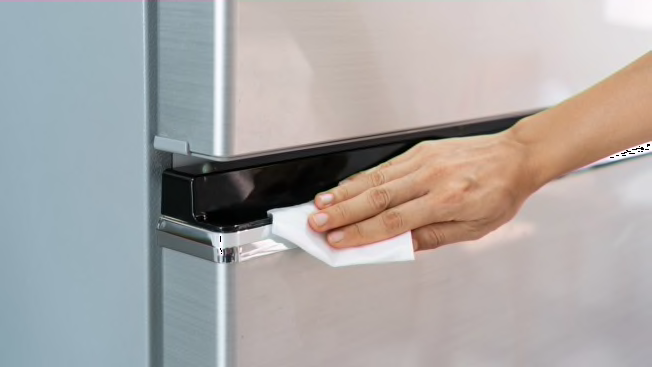
Disinfecting Wipes Or Spray
Disinfecting wipes or sprays kill germs on refrigerator handles. Pick a product safe for kitchen surfaces.
Apply the disinfectant after cleaning to ensure the handle is sanitary.
Microfiber Cloth
Microfiber cloths dry the handles quickly and prevent streaks. They also help polish the surface.
Use the cloth after disinfecting to wipe the handles dry and shiny.
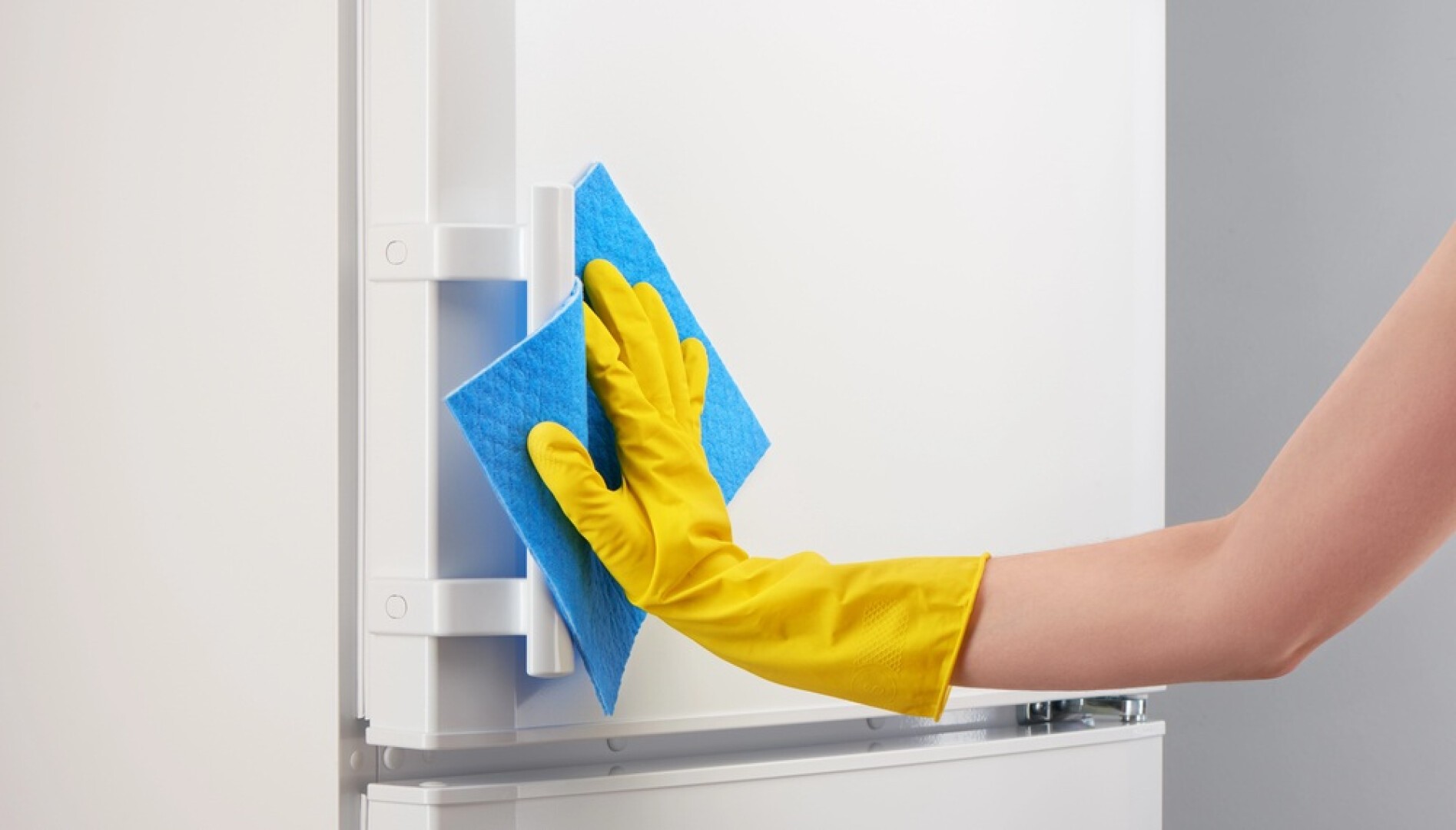
Gloves
Gloves protect your hands from cleaning chemicals. They also keep your hands clean during the process.
Wear gloves when using disinfectants or soap solutions to avoid skin irritation.
Credit: www.iba-tradefair.com
Step-by-step Cleaning Process
Refrigerator handles collect a lot of germs and dirt. Cleaning them keeps your kitchen healthy. This guide shows easy steps to clean handles well.
Follow each part to remove dirt and shine your refrigerator handles safely.
Preparing The Cleaning Solution
Use a simple cleaning solution to kill germs and lift dirt. You can make it with items found at home.
- Mix one cup of warm water with one tablespoon of mild dish soap.
- Add one tablespoon of white vinegar for extra cleaning power.
- Pour the solution into a spray bottle and shake well.
Removing Surface Dirt
Start by wiping the handles to clear dust and loose dirt. This step makes deep cleaning easier and more effective.
- Spray the cleaning solution on a soft cloth.
- Wipe all sides of the handle carefully.
- Use a toothbrush to clean tight corners and edges.
- Rinse the cloth with clean water and wipe again to remove soap.
Deep Cleaning Techniques
For stubborn stains and germs, use deeper cleaning methods that reach every spot on the handle.
| Cleaning Tool | Use |
|---|---|
| Baking Soda Paste | Mix baking soda and water; apply on stains, scrub gently |
| Disinfectant Wipes | Remove bacteria quickly after scrubbing |
| Old Toothbrush | Scrub tight areas and edges |
Drying And Polishing
After cleaning, dry the handles well to stop water spots and keep them shiny longer.
- Use a clean, dry microfiber cloth to wipe the handles.
- Buff the surface gently to add shine.
- Check for any missed spots and clean again if needed.
Homemade Cleaning Solutions
Cleaning refrigerator handles helps stop germs from spreading. You can make safe cleaners at home. These solutions use simple ingredients.
Homemade cleaners save money and avoid harsh chemicals. They work well on dirt and grease.
Vinegar And Water Solution
White vinegar kills germs and removes grease. Mix vinegar with water for a gentle cleaner.
Use equal parts of vinegar and water in a spray bottle. Spray on handles and wipe with a cloth.
- 1 cup white vinegar
- 1 cup water
Baking Soda Paste
Baking soda cleans tough stains and smells fresh. Make a paste to scrub handles carefully.
Mix baking soda with water until thick. Rub the paste on handles, then wipe off with a damp cloth.
- 2 tablespoons baking soda
- 1 tablespoon water
Lemon Juice And Olive Oil
Lemon juice cleans and adds shine. Olive oil protects the surface after cleaning.
Mix lemon juice and olive oil in a 1:1 ratio. Apply with a cloth and polish the handles.
- 2 tablespoons lemon juice
- 2 tablespoons olive oil
Castile Soap And Water
Castile soap is gentle and effective. It removes dirt without damaging surfaces.
Mix a few drops of castile soap with warm water. Use a cloth to clean handles and rinse with water.
- 1 cup warm water
- 1 teaspoon castile soap
Tips For Maintaining Clean Handles
Refrigerator handles often collect dirt and germs. Keeping them clean helps protect your family’s health.
Regular cleaning makes your kitchen look neat and reduces the spread of bacteria. Learn easy tips to keep handles spotless.
Use The Right Cleaning Tools
Select soft cloths or sponges for cleaning. Avoid abrasive materials that can damage the handle’s surface.
Choose Safe Cleaning Solutions
Use mild soap and warm water for everyday cleaning. For tougher stains, try a mixture of vinegar and water.
Clean Handles Frequently
- Wipe handles daily with a damp cloth.
- Disinfect weekly using safe cleaners.
- Dry handles after cleaning to avoid water spots.
Prevent Dirt Build-up
Avoid touching handles with dirty or greasy hands. Wash hands before using the refrigerator.
Keep Cleaning Supplies Handy
| Supply | Purpose |
| Soft Cloth | Wiping dirt gently |
| Mild Soap | Removing grease |
| Vinegar Solution | Disinfecting and stain removal |
| Disinfectant Wipes | Quick cleaning |
Frequency Of Cleaning
Refrigerator handles are touched many times daily. Dirt and germs can build up fast. Cleaning them often keeps your kitchen safe and fresh.
Knowing how often to clean your fridge handles helps stop the spread of bacteria. It also keeps your refrigerator looking neat.
Daily Cleaning
Cleaning fridge handles every day removes germs from frequent touching. Use a soft cloth with mild soap or disinfectant. This is important especially during cold and flu season.
Weekly Cleaning
In addition to daily wipes, give your handles a deeper clean weekly. This helps remove sticky residue or dirt that builds up over days. Use a gentle cleaner safe for your fridge’s material.
Cleaning Schedule Tips
- Clean daily if you have children or pets at home.
- Increase cleaning frequency during illness in the household.
- Use disinfectant wipes for quick cleaning on busy days.
- Check handles for spots or stains and clean immediately.
Cleaning Frequency Table
| Condition | Recommended Cleaning Frequency |
|---|---|
| Normal household | Daily light cleaning, weekly deep clean |
| Households with children or pets | Daily cleaning twice a day, weekly deep clean |
| During illness | Clean handles multiple times daily |
| Low use (vacation home) | Clean before and after use |
Mistakes To Avoid
Cleaning refrigerator handles seems easy. But some mistakes can spread germs instead.
Knowing what to avoid helps keep your handles clean and safe for your family.
Using Harsh Chemicals
Strong cleaners can damage handle surfaces. They may also leave harmful residues.
Choose mild soap and water instead. It cleans well without risks to health or finish.
Skipping Regular Cleaning
Waiting too long to clean lets dirt and germs build up. Handles get sticky and dirty.
Clean handles often to stop germs from spreading. A quick wipe each day works well.
Using Dirty Cloths Or Sponges
Dirty cleaning tools spread germs instead of removing them. They can make handles worse.
Always use clean cloths or fresh sponges. Wash them after each use to stay hygienic.
Ignoring Handle Material Instructions
Different handles need different care. Metal, plastic, and wood all react to cleaners differently.
Read the manufacturer’s advice. Use cleaners safe for your handle’s material to avoid damage.
Not Drying Handles Properly
Leaving handles wet can cause rust or water spots. Moisture also helps germs grow.
Always dry handles with a soft cloth after cleaning. This keeps them shiny and safe.
Credit: www.consumerreports.org
Frequently Asked Questions
How Often Should I Clean Refrigerator Handles?
Clean refrigerator handles at least once a week. This prevents germs and bacteria buildup. Regular cleaning keeps handles hygienic and safe.
What Is The Best Cleaner For Refrigerator Handles?
Use mild soap and warm water for regular cleaning. For tougher grime, a mixture of vinegar and water works well. Avoid harsh chemicals that may damage the handle surface.
Can I Use Disinfectant Wipes On Refrigerator Handles?
Yes, disinfectant wipes are effective for quick cleaning. They kill bacteria and viruses on contact. Make sure the wipes are safe for the handle material.
How Do I Remove Sticky Residue From Handles?
Apply a small amount of baking soda paste or vinegar. Gently scrub with a soft cloth or sponge. Rinse with warm water and dry thoroughly to avoid streaks.
Conclusion
Clean refrigerator handles keep your kitchen fresh and healthy. Regular wiping stops germs from spreading. Use mild soap and warm water for best results. Dry handles well to avoid water spots. Small effort, big difference. Keep this habit to protect your family’s health.
Clean handles look nice and last longer. Try cleaning them weekly for a bright kitchen feel. Simple steps, great results.