
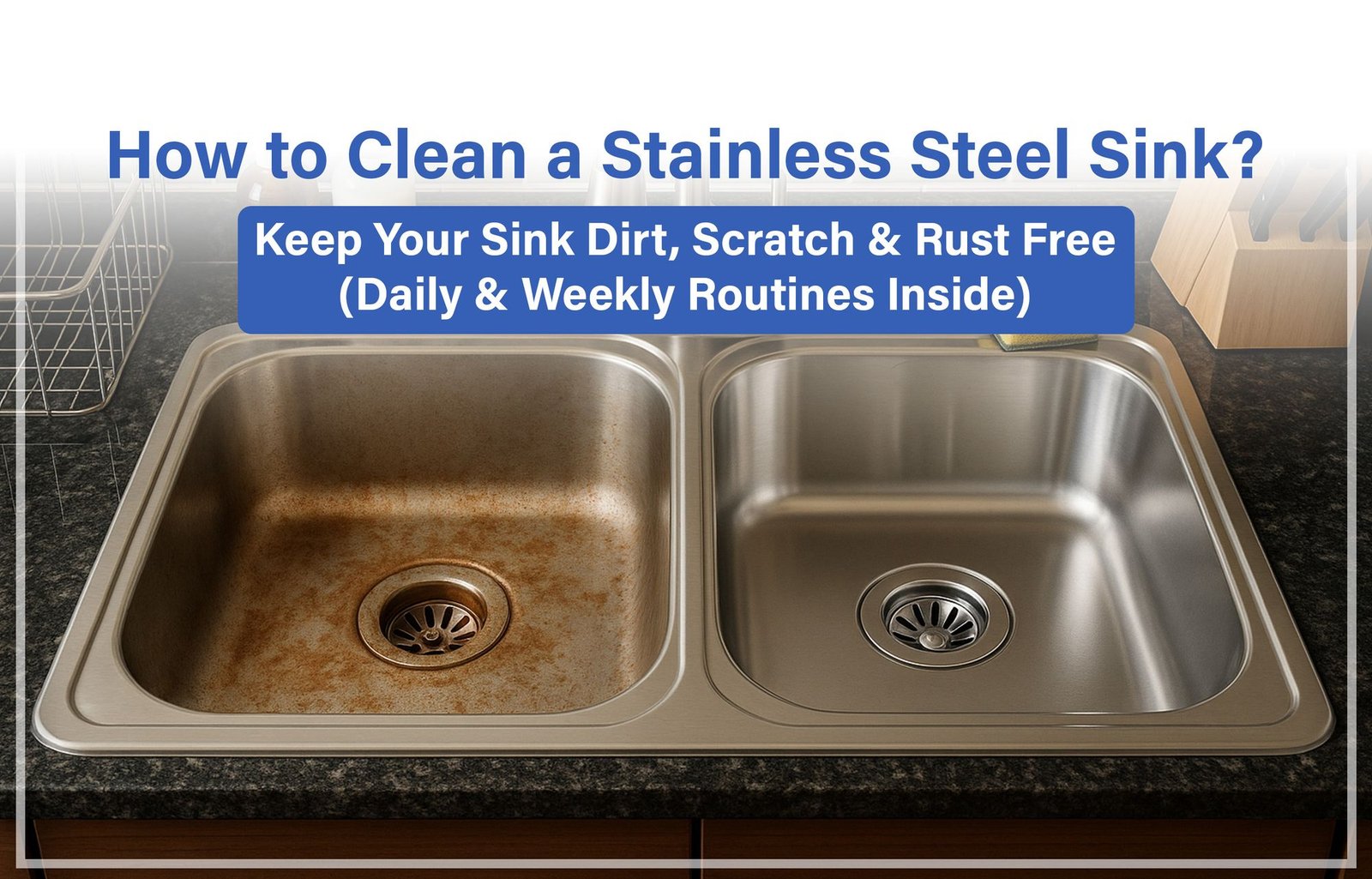
Your stainless steel sink is one of the busiest spots in your kitchen, but keeping it sparkling clean can feel like a challenge. You want it to shine without worrying about scratches or dull spots.
What if you had simple, easy-to-follow tips that make cleaning your sink quick and effective? You’ll discover practical tricks that protect your sink and keep it looking brand new. Ready to transform your cleaning routine and impress everyone who sees your gleaming sink?
Let’s get started!
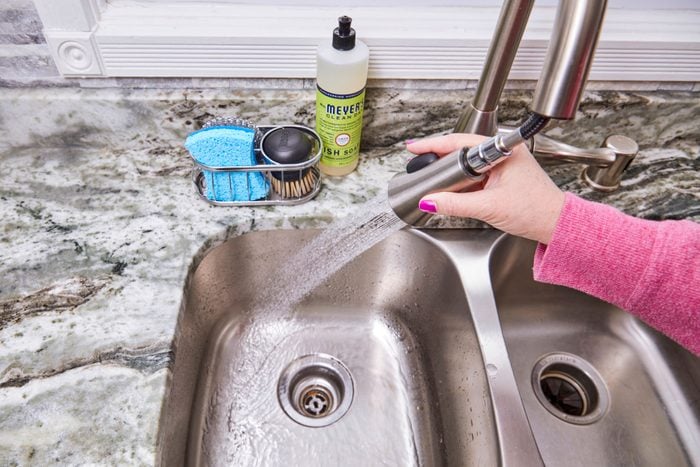
Credit: www.rd.com
Materials And Tools Needed
Cleaning a stainless steel sink requires specific materials and tools. Using the right items helps keep your sink shiny and scratch-free.
This guide lists essential supplies and tools to clean your stainless steel sink effectively and safely.
Cleaning Agents
Choose gentle and non-abrasive cleaning agents to protect your sink’s surface. Avoid harsh chemicals that can damage the steel.
- Mild dish soap
- Baking soda
- White vinegar
- Lemon juice
- Non-abrasive stainless steel cleaner
Tools For Cleaning
Use soft and safe tools to avoid scratching the sink. Hard brushes or steel wool can leave marks.
| Tool | Purpose |
| Soft sponge | General cleaning |
| Microfiber cloth | Polishing and drying |
| Soft-bristle brush | Cleaning corners and drain |
| Old toothbrush | Detail cleaning around faucet |
| Spray bottle | Applying vinegar or cleaning solution |
Protective Gear
Protect your hands and skin while cleaning. Some cleaning agents can cause irritation.
- Rubber gloves
- Protective eyewear (optional)
Daily Maintenance
Keeping your stainless steel sink clean every day keeps it shiny and lasting longer. Simple daily care stops stains and damage.
Follow easy routines that take only a few minutes. These help keep your sink free from water spots and dirt build-up.
Quick Rinse Routine
Rinse your sink after each use with warm water. This removes leftover food and soap that can cause stains.
- Use a soft sponge or cloth to wipe the surface gently.
- Rinse away crumbs and oils to avoid buildup.
- Check the drain area and clean any trapped debris.
- Avoid harsh scrubbers that can scratch the steel.
Drying To Prevent Water Spots
Water spots can dull the shine of your sink. Drying it well after rinsing keeps it bright and clean.
| Drying Method | Benefit |
| Use a soft towel or microfiber cloth | Prevents scratches and removes water quickly |
| Wipe in the direction of the sink grain | Keeps the surface looking smooth and polished |
| Dry all corners and edges | Stops water from pooling and leaving marks |
Weekly Deep Clean
Cleaning your stainless steel sink every week keeps it shiny and free from stains. A deep clean removes dirt and buildup that daily washing misses.
Using simple ingredients like baking soda, vinegar, and olive oil makes cleaning easy and safe for your sink.
Using Baking Soda And Vinegar
Baking soda gently scrubs away grime without scratching the sink surface. Vinegar helps to dissolve hard water stains and disinfects the area.
Sprinkle baking soda over the sink, then spray vinegar. Let it fizz for a few minutes before scrubbing with a soft cloth or sponge.
- Sprinkle baking soda evenly on the sink surface
- Spray white vinegar over the baking soda
- Wait 5 minutes for the fizzing action
- Scrub gently with a soft sponge or cloth
- Rinse thoroughly with warm water
Polishing With Olive Oil
Olive oil adds shine and helps protect the sink from water spots. Use a small amount and rub it in with a soft cloth after cleaning.
This simple polish leaves your sink looking smooth and bright without harsh chemicals.
- Put a few drops of olive oil on a soft cloth
- Rub the oil gently all over the sink surface
- Buff with a clean part of the cloth until shiny
- Remove any excess oil to avoid slippery spots
Removing Stubborn Stains
Stainless steel sinks can get stains that are hard to clean. Using simple natural methods helps remove these marks safely.
Two effective ways to clean stubborn stains are the lemon and salt method and using a cream of tartar paste. Both use ingredients you can find at home.
Lemon And Salt Method
This method uses lemon’s natural acid and salt’s gentle scrubbing power. It can brighten and remove tough stains on your sink.
- Cut a lemon in half.
- Sprinkle salt on the stained area.
- Rub the lemon half over the salt and stains.
- Let it sit for 5 minutes.
- Rinse with warm water and dry with a cloth.
Cream Of Tartar Paste
Cream of tartar works as a mild abrasive cleaner. Mixing it with water creates a paste that lifts stains without scratching.
| Ingredient | Amount |
| Cream of tartar | 2 tablespoons |
| Water | 1 tablespoon |
| Optional: White vinegar | 1 teaspoon |
Mix the ingredients to form a paste. Apply it to the stain and rub gently with a soft cloth. Rinse well and dry your sink.
Dealing With Rust
Rust can damage stainless steel sinks if not treated quickly. It leaves ugly stains that are hard to remove.
Cleaning rust needs gentle but effective methods. Use common household items or special rust removers.
Baking Soda And Water Paste
Baking soda is a mild abrasive that helps remove rust stains. Mixing it with water creates a paste.
Apply the paste on rust spots and let it sit for 15 minutes. Then, scrub gently with a soft cloth.
- Mix 3 parts baking soda with 1 part water
- Spread paste on rusted areas
- Wait 15 minutes before scrubbing
- Rinse thoroughly with water
Using A Rust Remover
Rust removers are made to dissolve rust quickly. Choose one safe for stainless steel surfaces.
Follow the instructions on the product label carefully. Usually, apply, wait a few minutes, then rinse.
- Wear gloves to protect your skin
- Test on a small spot first
- Apply rust remover as directed
- Rinse sink well after treatment
Preventative Measures
Keeping your stainless steel sink clean is easier with regular care. Prevent damage before it starts.
Use simple tools and avoid harmful substances to keep your sink shiny and strong.
Using A Sink Mat
A sink mat protects your sink surface from scratches and dents. It also helps stop heavy pots from causing damage.
- Choose a soft, durable mat that fits your sink size.
- Clean the mat regularly to avoid mold and stains.
- Remove the mat when doing heavy cleaning to let the sink dry.
Avoiding Harsh Chemicals
Strong chemicals can harm the finish of stainless steel sinks. Use gentle cleaners instead.
| Chemical Type | Effect on Sink | Safe Alternative |
| Bleach | Discolors and corrodes surface | Baking soda and water paste |
| Ammonia | Leaves streaks and dulls shine | Vinegar diluted with water |
| Chlorine | Damages metal finish | Mild dish soap |
Maintaining Shine
Keeping your stainless steel sink shiny makes your kitchen look clean. Regular care stops dull spots and stains.
Simple cleaning steps help keep the shine for a long time. Use safe products and soft cloths.
Applying Stainless Steel Polish
Stainless steel polish adds a protective layer that brings back shine. It also helps remove small scratches.
Use a small amount of polish on a clean cloth. Spread it evenly over the sink surface in the direction of the grain.
- Choose polish made for stainless steel
- Apply polish with a soft cloth
- Work polish along the grain lines
- Let it sit for a few minutes before buffing
Buffing With A Microfiber Cloth
Buffing removes polish residue and enhances the shine. Microfiber cloths are gentle and trap dirt well.
Use a dry microfiber cloth and rub in small circles. Focus on all areas until the sink looks bright and smooth.
- Use a clean, dry microfiber cloth
- Buff with light pressure in circular motions
- Cover the entire sink surface evenly
- Repeat if needed for extra shine

Credit: www.aol.com
Credit: caressi.com
Frequently Asked Questions
How Do I Remove Stains From Stainless Steel Sinks?
Use a paste of baking soda and water to scrub stains gently. Rinse thoroughly with warm water and dry with a soft cloth to prevent water spots.
What Is The Best Cleaner For Stainless Steel Sinks?
Mild dish soap mixed with warm water works well for daily cleaning. For tougher stains, use a vinegar and water solution or a stainless steel cleaner.
How Often Should I Clean My Stainless Steel Sink?
Clean your sink daily to remove debris and prevent buildup. Deep clean once a week to maintain shine and hygiene.
Can I Use Bleach To Clean Stainless Steel Sinks?
Avoid bleach as it can damage the surface and cause discoloration. Opt for gentle cleaners like baking soda or vinegar instead.
Conclusion
Cleaning stainless steel sinks keeps kitchens fresh and bright. Use gentle cleaners and soft cloths to avoid scratches. Regular care stops stains and water spots from forming. Rinse well after cleaning to remove all residue. Dry the sink to keep it shiny and dry.
Small daily efforts lead to a long-lasting, clean sink. A tidy sink makes kitchen work easier and more pleasant. Keep these tips in mind for a sparkling sink every day. Simple steps make a big difference in sink care.