
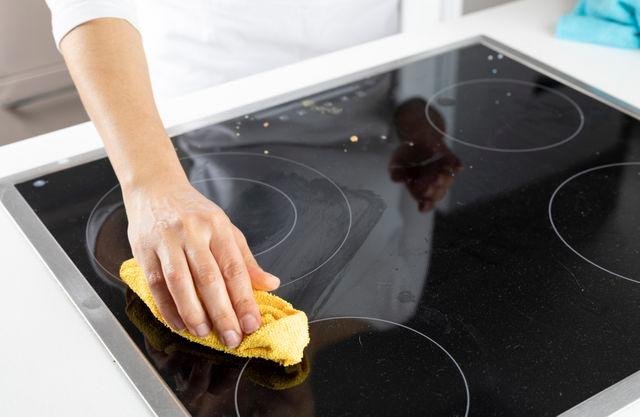
Your induction cooktop is a sleek and powerful tool in your kitchen, but keeping it spotless can feel tricky. You want it to shine without risking scratches or damage.
What if cleaning it could be quick, easy, and safe? You’ll discover simple tips that protect your cooktop while making it look brand new. By the end, you’ll have the confidence to maintain your induction cooktop effortlessly. Ready to make your cleaning routine smarter and faster?
Let’s dive in!

Credit: www.reddit.com
Essential Tools
Keeping your induction cooktop clean needs the right tools. Using proper cleaning items helps protect the surface. It also keeps the cooktop working well for a long time.
Here are some essential tools you need for cleaning your induction cooktop safely and effectively.
Microfiber Cloths
Microfiber cloths are soft and gentle on the cooktop surface. They do not scratch or damage the glass. Use them to wipe spills and dust without leaving streaks.
- Absorb liquids quickly
- Remove fingerprints and smudges
- Reusable and easy to wash
- Work well with water or cleaner
Non-abrasive Sponges
Non-abrasive sponges clean tough spots without scratching the surface. They are perfect for removing dried food or grease. Avoid rough scrubbers that can harm the cooktop.
| Type | Use | Care Tips |
| Smooth Sponge | Light cleaning and wiping | Rinse and air dry after use |
| Soft Scrubber Sponge | Remove stuck-on food | Use gently, avoid heavy scrubbing |
Ceramic Cooktop Cleaner
Ceramic cooktop cleaner removes stains and keeps the surface shiny. Use a small amount and spread it evenly. Let it sit before wiping with a microfiber cloth for best results.
Tips for using ceramic cooktop cleaner:
- Apply cleaner in a thin layer
- Use a soft cloth or sponge to spread
- Allow cleaner to work for 5 minutes
- Wipe off with a clean microfiber cloth
- Repeat if stains remain
Daily Maintenance
Keeping your induction cooktop clean every day helps it last longer. It also keeps your kitchen safe and nice.
Simple daily care stops stains and dirt from building up. This makes deep cleaning easier later.
Wiping After Each Use
After cooking, wait a few minutes for the cooktop to cool. Then, wipe it with a soft cloth or sponge.
Use warm water and a little mild dish soap if needed. This removes spills and food bits right away.
- Prevents food from sticking and hardening
- Stops stains from setting in
- Keeps the surface shiny and clean
Avoiding Harsh Chemicals
Do not use strong cleaners or scrubbing pads. They can scratch or damage the cooktop glass.
Stick to gentle cleaning products made for glass or induction cooktops. These keep the surface safe.
- No bleach or ammonia-based cleaners
- No steel wool or rough scrubbers
- Use soft cloths or sponges only
Removing Stubborn Stains
Induction cooktops need careful cleaning to avoid damage. Stubborn stains can be tricky to remove.
Using gentle methods helps keep the surface smooth and shiny. Here are two effective ways to clean tough stains.
Using Baking Soda Paste
Baking soda paste works well for sticky and burnt stains. It is mild but effective on glass surfaces.
- Mix baking soda with a little water to form a thick paste.
- Spread the paste over the stained areas.
- Let it sit for 15 to 20 minutes to loosen the grime.
- Use a soft cloth or sponge to gently scrub the surface.
- Wipe clean with a damp cloth and dry with a towel.
Vinegar Spray Technique
Vinegar helps dissolve mineral deposits and grease. This technique is quick and safe for daily cleaning.
| Material | Purpose |
| White vinegar | Breaks down stains and grease |
| Spray bottle | Even application of vinegar |
| Soft cloth | Wiping and polishing |
| Water | Rinsing after treatment |
Spray vinegar on the stained cooktop surface. Wait 5 to 10 minutes, then wipe with a soft cloth. Rinse with water and dry well.
Dealing With Burnt-on Residue
Burnt-on residue can make your induction cooktop look dirty and affect its performance. It is important to clean it carefully to avoid damage.
Using gentle tools and proper cleaning methods helps remove tough stains safely. This keeps your cooktop smooth and shiny.
Plastic Scraper Method
A plastic scraper is a safe tool to remove burnt food from the surface. It does not scratch the glass like metal scrapers can.
Hold the scraper at a low angle and gently push the residue off. Do not press too hard to avoid damage.
- Use a clean plastic scraper designed for cooktops
- Hold it at about 45 degrees to the surface
- Gently scrape off the burnt residue
- Wipe the cooktop with a damp cloth after scraping
Heat-activated Cleaning
Heating the cooktop slightly can help loosen burnt residue. Warm surfaces make it easier to clean off stuck food.
Turn the cooktop to low heat for a few minutes. Then turn it off and use a soft cloth or scraper to wipe the residue away.
- Set cooktop to low heat for 2-3 minutes
- Turn off and let it cool slightly but stay warm
- Use a soft cloth or plastic scraper to clean
- Finish by wiping with a damp cloth
Polishing For Shine
Keeping your induction cooktop shiny makes your kitchen look neat. Polishing is a simple way to keep the glass surface bright.
Use safe products and gentle methods to avoid scratches. Here are two key tips to polish your cooktop well.
Glass Cleaner Application
Use a glass cleaner made for cooktops or regular glass surfaces. Spray a small amount on the cool, dry cooktop.
- Avoid harsh chemicals that can damage the surface.
- Spray lightly to prevent liquid from seeping under the edges.
- Wipe gently to remove stains and fingerprints.
- Repeat if spots remain but do not soak the surface.
Buffing With A Soft Cloth
After cleaning, use a soft cloth to buff the cooktop. This step brings out a smooth, shiny finish.
| Material | Purpose |
| Microfiber cloth | Removes streaks and dust |
| Cotton cloth | Polishes without scratching |
| Soft towel | Dries and buffs gently |

Credit: www.youtube.com
Preventive Measures
Keeping your induction cooktop clean starts with good habits. Preventive care helps avoid tough stains and damage.
Simple actions can protect your cooktop and make cleaning easier after cooking.
Using Proper Cookware
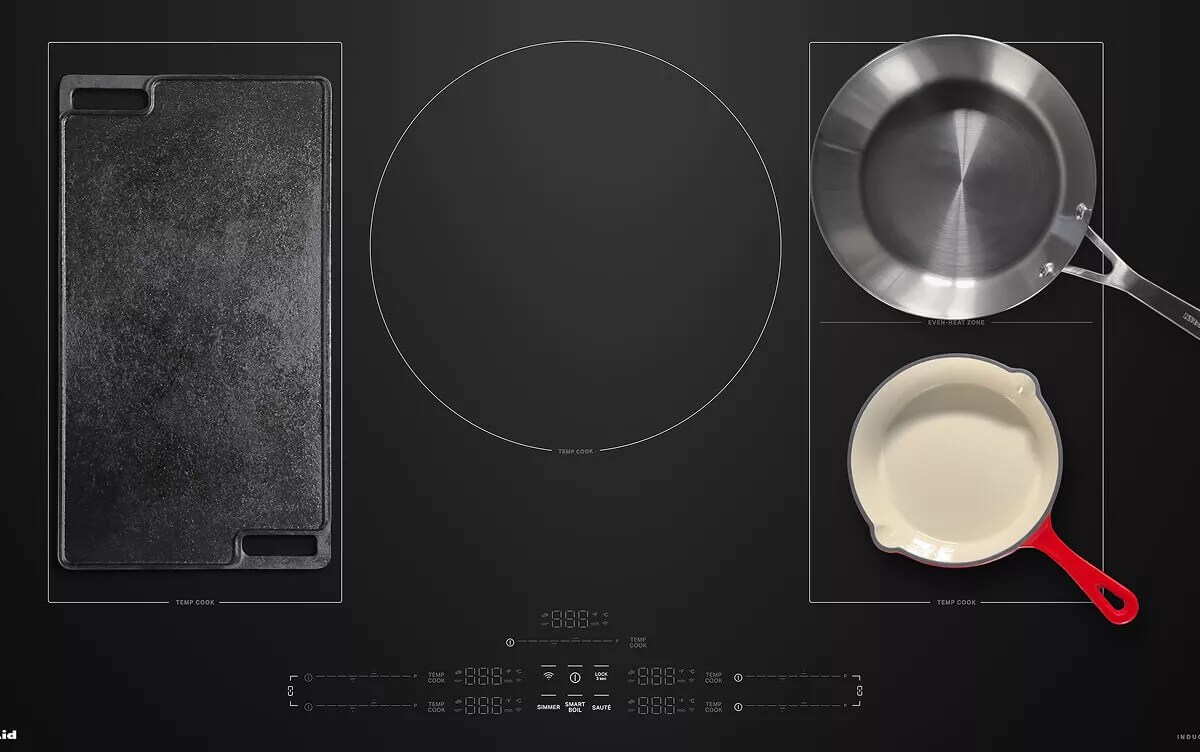
Use cookware that works well with your induction cooktop. It helps prevent scratches and uneven heating.
Cookware should have a flat, smooth bottom that covers the burner fully.
- Choose pots and pans made for induction cooking.
- Avoid rough or warped bottoms that can scratch the surface.
- Use sizes that match the cooktop burner size.
- Check cookware regularly for damage or wear.
Avoiding Overflow
Spills can burn onto the cooktop and cause stains. Prevent overflow to keep the surface clean.
Use lids and watch pots closely to stop liquids from boiling over.
- Fill pots with enough space to avoid boiling over.
- Lower heat as soon as food starts to boil.
- Use larger pots for foods that expand or bubble.
- Clean any spills quickly before they harden.
Quick Fixes For Emergencies
Accidents happen in the kitchen. Spills on your induction cooktop can cause stains or damage. Acting fast helps keep it clean and safe.
Here are simple tips to quickly clean your cooktop during emergencies. These steps prevent stains and keep your cooktop working well.
Immediate Spill Cleanup
Wipe spills right away while the cooktop is cool. Use a soft cloth or paper towel to avoid scratches.
Avoid using rough sponges or sharp tools. These can damage the surface and make cleaning harder.
- Turn off the cooktop before cleaning
- Use a damp cloth to wipe spills gently
- Dry the surface with a soft towel
- Repeat if needed to remove sticky spots
Handling Food Spills
For food that sticks or burns, wait for the cooktop to cool. Then soften the spill with a damp cloth.
Use a plastic scraper carefully to lift hardened food. Do not press hard to avoid scratches.
- Apply warm water to soften food spills
- Use mild dish soap for greasy spots
- Gently scrape with a plastic tool if needed
- Wipe clean and dry thoroughly
Credit: www.kitchenaid.com
Frequently Asked Questions
How Do I Clean An Induction Cooktop Safely?
Use a soft cloth and mild detergent for daily cleaning. Avoid abrasive scrubbers to prevent scratches. For tough stains, use a cooktop scraper gently. Always clean when the surface is cool to avoid burns or damage.
What Household Items Clean Induction Cooktops Effectively?
White vinegar, baking soda, and mild dish soap work well. Vinegar cuts grease, baking soda removes stains, and soap cleans dirt. Use a soft cloth or sponge with these items for best results.
Can I Use Harsh Chemicals On Induction Cooktops?
No, avoid harsh chemicals like bleach or ammonia. These can damage the cooktop’s surface and reduce its lifespan. Stick to gentle, non-abrasive cleaners designed for glass or ceramic surfaces.
How Often Should I Clean My Induction Cooktop?
Clean the cooktop after every use to prevent buildup. Wipe spills immediately when cool. Deep clean once a week to maintain shine and hygiene. Regular care extends your cooktop’s durability and performance.
Conclusion
Cleaning an induction cooktop is simple with the right steps. Use soft cloths and gentle cleaners to avoid damage. Clean spills quickly to keep the surface smooth. Avoid abrasive tools that can scratch the glass. Regular care helps your cooktop stay shiny and work well.
A clean cooktop looks nice and lasts longer. Try these easy tips to keep your kitchen safe and tidy. Small efforts make a big difference every day.