
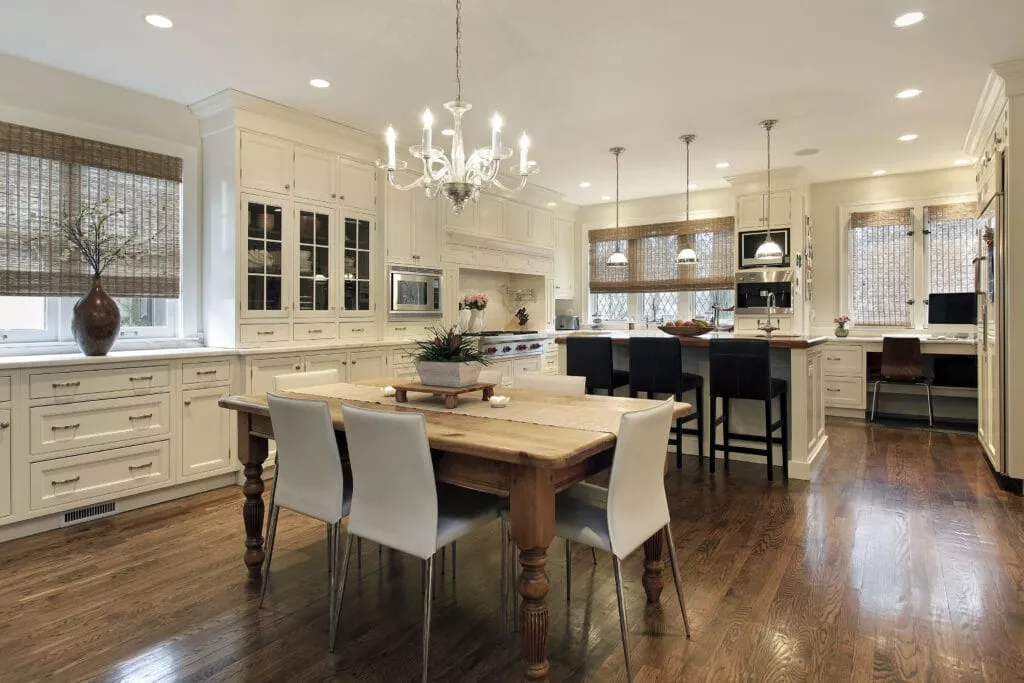
Choosing the right lighting for your kitchen can completely change the way you feel in the space. Imagine cooking, eating, or simply spending time there with the perfect light setting that makes everything look and feel just right.
But with so many options out there, how do you pick the best fixtures for your kitchen? This guide will help you make smart choices that brighten up your kitchen and your life. Keep reading, and you’ll discover simple tips to find lighting that fits your style, needs, and budget perfectly.
Types Of Kitchen Lighting
Lighting is important in every kitchen. The right lights help you cook and enjoy the space.
Different types of lighting serve different purposes. Knowing them helps you choose the best fixtures.
Ambient Lighting Options
Ambient lighting gives overall light to the kitchen. It brightens the whole room evenly.
Common ambient lights are ceiling fixtures and recessed lights. They make sure you see well everywhere.
- Flush mount ceiling lights
- Recessed lighting
- Large pendant lights
- Chandeliers designed for kitchens
Task Lighting Essentials
Task lighting focuses on areas where you work. It helps you see better while cooking or cleaning.
Under-cabinet lights and pendant lamps over counters are common task lights. They reduce shadows on work surfaces.
- Under-cabinet LED strips
- Adjustable pendant lights over islands
- Track lighting with movable heads
- Bright, focused ceiling spotlights
Accent Lighting Ideas
Accent lighting highlights certain parts of your kitchen. It adds style and draws attention.
Use accent lights to show artwork or glass shelves. They create a cozy and interesting look.
- LED strip lights inside glass cabinets
- Small spotlights on artwork
- Toe-kick lights under cabinets
- Colored or dimmable bulbs for mood lighting

Credit: www.brookfieldresidential.com
Considerations For Choosing Fixtures
Choosing the right kitchen lighting fixtures is important. Good lighting helps you work and makes the kitchen look nice.
Think about your kitchen’s size, style, and how you use the space before picking fixtures.
Assessing Kitchen Layout
Look at your kitchen’s shape and size. Lighting needs change for big or small kitchens.
Consider where you do most tasks. Place lights where you need clear view, like counters and stove.
- Use bright lights near work areas
- Include ambient lights for general use
- Think about natural light from windows
Balancing Functionality And Style
Choose lights that work well and look good. Fixtures should fit your kitchen’s design.
Pick styles that match your cabinets, walls, and floor. Don’t forget the size of fixtures.
- Simple designs suit modern kitchens
- Ornate fixtures match classic styles
- Choose sizes that fit the space
Energy Efficiency Factors
Energy-efficient lights save money and help the environment. Look for LED bulbs and low wattage.
Check the fixture’s compatibility with energy-saving bulbs. Good choices last longer and use less power.
- LED bulbs use less energy
- Look for fixtures with good heat control
- Choose dimmable lights to save more power
Popular Lighting Fixture Styles
Choosing the right kitchen lighting helps create the perfect mood. It also makes your space more useful and inviting.
There are many lighting styles to fit different kitchen designs. Knowing the styles helps you pick fixtures that match your taste.
Modern And Minimalist Designs
Modern lighting uses clean lines and simple shapes. It avoids extra details and focuses on function.
Minimalist fixtures often have neutral colors like black, white, or metal. They add light without cluttering the space.
- Sleek pendant lights with clear glass
- Recessed ceiling lights for a clean look
- Simple LED strips under cabinets
Rustic And Vintage Inspirations
Rustic lighting brings warmth with natural materials. Vintage styles add charm with old-fashioned looks.
These fixtures often use wood, bronze, or iron. They create a cozy and inviting kitchen atmosphere.
- Wooden chandeliers with candle-style bulbs
- Metal lanterns with a weathered finish
- Exposed filament bulbs in glass shades
Industrial And Contemporary Looks
Industrial lighting uses raw materials and bold shapes. It fits well in open and modern kitchens.
Contemporary fixtures blend modern styles with artistic designs. They focus on both form and function.
- Metal pendant lights with black or silver finishes
- Wire cage fixtures showing the bulbs
- Geometric shapes with mixed materials
Placement And Installation Tips
Choosing the right place for kitchen lighting helps you see clearly. Good placement brightens work areas and adds style.
Installing fixtures correctly keeps your kitchen safe and looks neat. Follow simple tips for best results.
Strategic Positioning For Optimal Light
Place lights where you work most, like above counters and the stove. This stops shadows and helps cooking.
Use task lighting for spots where you cut or prepare food. Add ambient lights for general brightness.
- Install lights above kitchen island or sink
- Use under-cabinet lights for counter tasks
- Avoid placing lights behind you to reduce shadows
Height And Spacing Recommendations
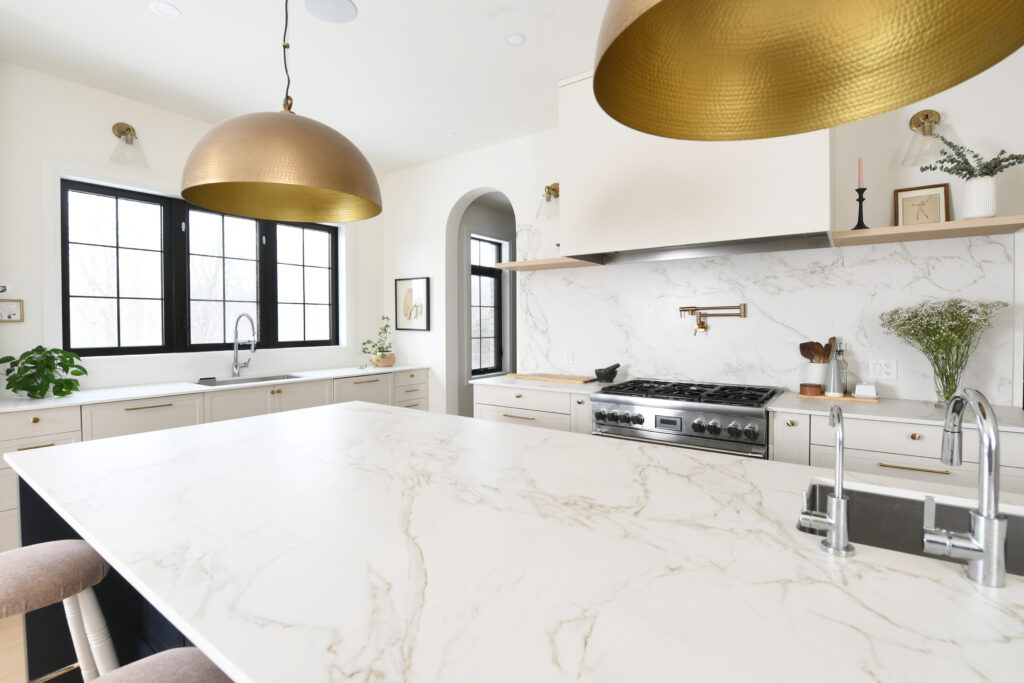
Hang pendant lights 30 to 36 inches above the counter. This height keeps light clear and avoids glare.
Keep space between fixtures equal for balanced light. Too close lights may look crowded.
- For kitchen islands, space pendants 24 to 30 inches apart
- Use recessed lights every 4 to 6 feet in ceilings
- Adjust height for taller or shorter counters
Wiring And Safety Precautions
Turn off power before starting any wiring or installation. Check local codes for safe electrical work.
Use certified wiring and fixtures. Secure wires to avoid damage and fire risks.
- Hire a professional electrician if unsure about wiring
- Use ground fault circuit interrupters (GFCI) near water
- Test all connections before finishing installation
Choosing The Right Bulbs
Picking the best bulbs for your kitchen lighting is important. The right light makes cooking and cleaning easier. It also creates a nice mood in the room.
There are different types of bulbs and colors. Some bulbs save energy, and some can change brightness. Learn about the options to choose what fits your kitchen.
Led Vs. Incandescent Options
LED bulbs use less electricity and last longer than incandescent bulbs. Incandescent bulbs are cheaper but use more power and burn out faster. LEDs come in many styles and sizes.
- LED bulbs save energy and reduce bills
- Incandescent bulbs give warm light but waste energy
- LEDs last up to 25 times longer than incandescent
- LED bulbs work well with dimmer switches
- Incandescent bulbs work with most fixtures but get hot
Warm Vs. Cool Light Tones
Light tone affects the kitchen’s look and feel. Warm light has a yellowish color. Cool light looks more blue or white. Each tone suits different kitchen styles and tasks.
| Light Tone | Color Temperature (Kelvin) | Best Use |
| Warm Light | 2700K – 3000K | Cozy kitchens and dining areas |
| Neutral Light | 3500K – 4100K | General kitchen lighting |
| Cool Light | 5000K – 6500K | Task lighting and modern kitchens |
Dimmable And Smart Bulbs
Dimmable bulbs let you change brightness. This helps set the mood or save energy. Smart bulbs connect to apps or voice controls for easy use.
Smart bulbs can change color and brightness with a phone. You can set schedules or sync lights with other devices in your home.
- Dimmable bulbs fit many kitchen fixtures
- Smart bulbs offer custom lighting control
- Both types can improve kitchen lighting flexibility
- Check bulb and fixture compatibility before buying
Credit: decorcabinets.com
Budgeting For Kitchen Lighting
Choosing the right lighting for your kitchen needs careful budgeting. Good lighting can change how your kitchen looks and works.
Planning your budget helps you pick lights that fit your style and your wallet. It also prevents unexpected costs.
Cost-effective Options
There are many affordable kitchen lighting choices. Simple fixtures and energy-saving bulbs can lower your costs.
Look for sales or discount stores to find good deals. Basic LED lights are bright and use less electricity.
- Flush mount ceiling lights
- Under cabinet LED strips
- Basic pendant lights
- Energy-efficient bulbs
Investing In Quality Fixtures
Quality fixtures may cost more upfront but last longer. Strong materials and good design add value to your kitchen.
Choose brands known for durability. This reduces the need for frequent replacements and keeps your kitchen looking good.
- Metal or glass materials
- Reputable brands
- Warranty or guarantees
- Timeless designs
Long-term Savings And Maintenance
Good lighting saves money over time. Energy-saving bulbs cut electricity bills. Easy-to-clean fixtures reduce upkeep.
Plan for bulbs that last long and fixtures that need little care. This keeps your kitchen bright with less hassle.
- Use LED or CFL bulbs
- Choose fixtures with smooth surfaces
- Regularly dust and clean lights
- Replace bulbs before they burn out
Expert Tips For A Perfect Glow
Choosing the right kitchen lighting makes a big difference. It helps you see clearly and makes the space feel warm.
Good lighting also adds style to your kitchen. Here are some expert tips to help you pick the best fixtures.
Layering Light Techniques
Layering light means using different types of lighting together. This gives your kitchen a balanced and bright look.
Combine ambient, task, and accent lights for the best effect. Each type serves a special purpose in the kitchen.
- Ambient lighting:General light for the whole kitchen.
- Task lighting:Bright light for cooking or reading recipes.
- Accent lighting:Highlights features like artwork or shelves.
Creating Mood And Ambiance
Lighting sets the mood in your kitchen. Soft lights create a cozy feel, while bright lights keep things lively.
Use dimmers to change the light level. This lets you adjust the mood for meals or parties.
- Warm bulbs add a soft, welcoming glow.
- Cool bulbs keep the kitchen bright and fresh.
- Dimmers let you control the light strength easily.
Avoiding Common Mistakes
Some mistakes can ruin your kitchen lighting. Avoid lights that are too dim or too harsh.
Place lights carefully to avoid shadows on work surfaces. Check fixture size so it fits the space well.
- Don’t rely on only one light source.
- Avoid bulbs that are too bright or too yellow.
- Position task lights directly above work areas.
- Choose fixtures that match your kitchen’s size and style.

Credit: illustrarch.com
Frequently Asked Questions
What Types Of Kitchen Lighting Fixtures Are Best?
The best kitchen lighting includes ambient, task, and accent fixtures. Combining these layers ensures functionality and style. Pendant lights work well over islands. Under-cabinet lights improve task visibility. Recessed lights provide overall brightness without clutter.
How Do I Choose The Right Brightness For Kitchen Lights?
Choose bright, cool white lights for tasks like cooking. Aim for 300-400 lumens per fixture in work areas. Use dimmable lights to adjust ambiance. Balance brightness to reduce shadows and glare while enhancing visibility.
Where Should Kitchen Lighting Fixtures Be Placed?
Place task lighting over work zones like counters and sinks. Use ambient lighting on the ceiling for overall illumination. Accent lighting highlights features like shelves or artwork. Proper placement enhances both function and atmosphere in your kitchen.
What Style Of Lighting Suits Modern Kitchens?
Modern kitchens benefit from sleek, minimalist fixtures. Consider pendant lights with clean lines and metallic finishes. Recessed lighting offers a subtle, contemporary look. Choose fixtures that complement your kitchen’s color and materials for a cohesive design.
Conclusion
Choosing the right kitchen lighting changes how your space feels and works. Think about brightness, style, and energy use. Mix different lights for cooking, eating, and relaxing areas. Pick fixtures that match your kitchen’s size and shape. Simple choices can make your kitchen warm and bright.
Take your time and enjoy the process. Good lighting makes every kitchen task easier and more fun. Your kitchen can shine with the right fixtures.