
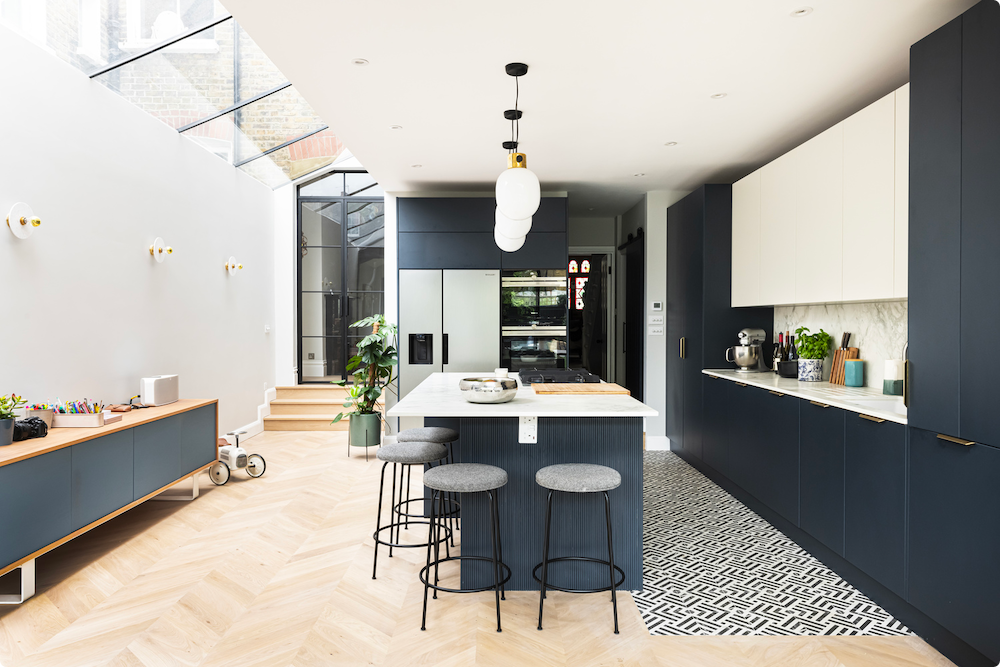
Are you dreaming of a kitchen that feels spacious, welcoming, and perfect for both cooking and socializing? Designing a kitchen with an open plan layout can transform your home into a lively, connected space where every moment counts.
But how do you create a design that balances style, function, and comfort? You’ll discover simple, effective tips to make your open plan kitchen not just beautiful, but truly yours. Keep reading to unlock the secrets that will help you design a kitchen you’ll love spending time in every day.
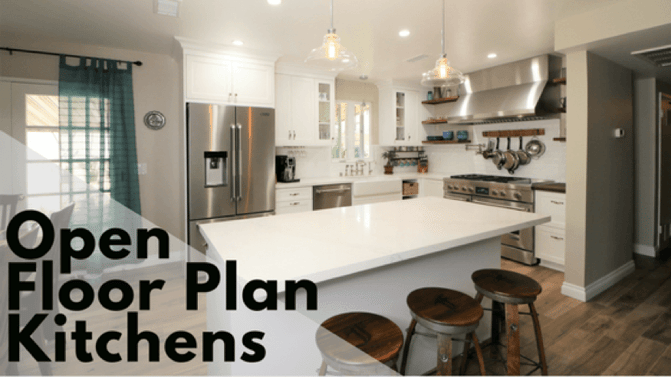
Credit: www.baycitiesconstruction.com
Benefits Of Open Plan Kitchens
Open plan kitchens are popular in modern homes. They offer many advantages over closed kitchens. These kitchens create a spacious and inviting area.
Designing a kitchen with an open plan layout improves the flow between rooms. It makes cooking and socializing easier.
Improved Social Interaction
Open plan kitchens allow family and friends to connect while cooking. You can chat with guests or watch children without leaving the kitchen.
Better Use Of Space
Removing walls between the kitchen and living areas creates a larger, flexible space. It makes small homes feel more open and less crowded.
- More room for dining and seating
- Easy movement between kitchen and living room
- Flexible furniture arrangements
- Improved natural light flow
Increased Natural Light
Open layouts allow sunlight to travel through the space. This brightens the kitchen and adjoining rooms, reducing the need for artificial lights.
Enhanced Home Value
Open plan kitchens are attractive to home buyers. They often increase the resale value of a house.
| Benefit | Explanation |
| Social Interaction | Allows conversations while cooking |
| Space Usage | Creates a larger, flexible area |
| Natural Light | More sunlight reaches the kitchen |
| Home Value | Increases appeal to buyers |
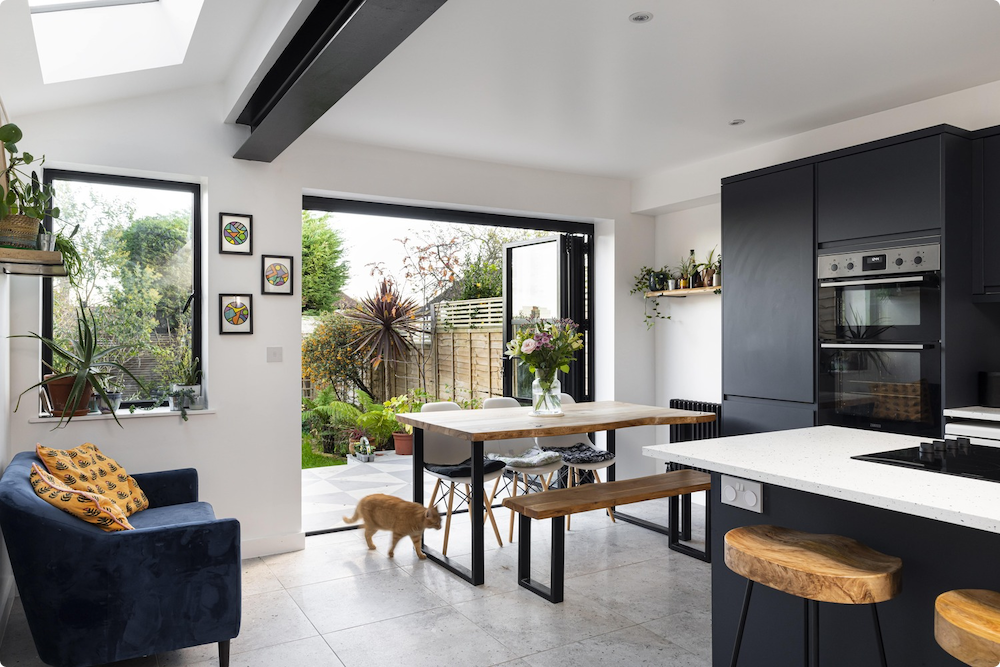
Credit: resi.co.uk
Key Elements To Consider
Designing a kitchen with an open plan layout means blending the kitchen with other living spaces. This design needs careful planning to make the space work well and look good.
Focus on important elements like space, lighting, and furniture. These help create a kitchen that feels open and comfortable.
Space And Flow
Space and flow are key for an open plan kitchen. The kitchen should connect smoothly with other rooms. Keep pathways clear and wide enough for easy movement.
- Plan work zones for cooking, cleaning, and storage
- Allow enough room between counters and islands
- Use open shelving to avoid visual clutter
- Keep furniture placement flexible for different uses
- Think about how people will move through the space
Lighting Solutions
Good lighting makes the kitchen feel bright and welcoming. Use a mix of natural and artificial light for the best effect.
| Type of Lighting | Purpose | Examples |
| Ambient | General room lighting | Ceiling lights, recessed fixtures |
| Task | Light for work areas | Under-cabinet lights, pendant lamps |
| Accent | Highlight features or decor | Spotlights, LED strips |
Furniture And Layout
Choose furniture that fits the open layout and supports daily activities. The arrangement should help keep the kitchen organized and inviting.
- Use islands or breakfast bars for extra seating
- Select furniture with clean lines for a modern look
- Keep large pieces away from main walkways
- Include storage solutions that blend with the design
- Mix materials like wood and metal for texture
Choosing The Right Materials
Choosing the right materials is key for a kitchen with an open plan layout. The materials affect the look and feel of the space.
Good materials last long and match the style of your home. They also make cleaning easier in busy areas.
Flooring Options
Flooring connects the kitchen with the rest of the open space. It should be strong and look good with other rooms.
Popular choices include hardwood, tile, and vinyl. Each has benefits for durability and style.
- Hardwood gives a warm, natural look but needs care.
- Tile is water-resistant and easy to clean.
- Vinyl is affordable and comes in many styles.
Countertops And Cabinets
Countertops and cabinets are the main parts you see in the kitchen. They must be both useful and stylish.
Materials like quartz, granite, and laminate work well for countertops. Cabinets often use wood or MDF.
- Quartz is durable and low maintenance.
- Granite offers a natural stone look.
- Laminate is budget-friendly and versatile.
- Wood cabinets bring warmth and character.
- MDF cabinets are smooth and can be painted.
Durability And Style
Materials in an open plan kitchen should handle daily use well. They must resist stains, scratches, and moisture.
Choose materials that fit your style but also last long. This keeps your kitchen looking good for years.
- Look for scratch-resistant surfaces.
- Pick water-resistant and easy-to-clean materials.
- Match colors and textures to your home decor.
- Consider materials that age well over time.
Incorporating Modern Appliances
Designing a kitchen with an open plan layout means choosing the right appliances. Modern appliances add convenience and style. They help keep the space functional and attractive.
Choosing appliances that fit well into the layout is key. Think about how they will work with your space and daily routines.
Energy Efficiency
Energy-efficient appliances save money and reduce your home’s carbon footprint. Look for models with an ENERGY STAR label. These use less power and water.
- Choose refrigerators with good insulation
- Pick induction cooktops for faster cooking
- Use LED lighting in ovens and microwaves
- Select dishwashers that use less water
- Check appliance energy ratings before buying
Integration And Aesthetics
Appliances should blend with your kitchen style. Built-in units keep the look clean. Matching finishes create a smooth, uniform appearance.
| Appliance Type | Common Finish | Integration Tip |
| Refrigerator | Stainless Steel | Use panel-ready doors |
| Oven | Black Glass | Install flush with cabinets |
| Dishwasher | White or Stainless | Hide with cabinet door |
| Cooktop | Glass or Stainless | Choose seamless installation |
Color Schemes And Decor
Designing a kitchen with an open plan layout means your colors and decor need to flow well. Choosing the right colors helps create a calm and inviting space.
Decor plays a big role in tying the kitchen with the rest of the open area. It adds personality and style without breaking the space.
Neutral Vs Bold Choices
Neutral colors like white, beige, and gray keep the kitchen light and airy. They make the space feel bigger and match many decor styles.
Bold colors add energy and create a focal point. Use them for cabinets, walls, or kitchen islands to make a strong statement.
- Neutral colors create a calm and timeless look
- Bold colors add personality and style
- Mixing neutrals with bold accents balances the space
- Bold colors work well in small doses to avoid overwhelm
Matching With Adjoining Spaces
The kitchen should connect smoothly with living and dining areas in an open plan. This means matching colors and decor styles across rooms.
Use similar tones or repeat key colors in adjoining spaces. This helps the whole area feel united and comfortable.
- Choose a color palette that flows through all rooms
- Use decor items like rugs and cushions to link spaces
- Keep materials and finishes consistent for harmony
- Use lighting to highlight shared colors and textures
Creating Functional Zones
Designing a kitchen with an open plan layout means dividing the space into clear zones. Each zone should serve a specific purpose. This helps keep the kitchen organized and easy to use.
Functional zones improve workflow and make the kitchen more comfortable. The main zones to focus on are cooking and prep areas, and dining and socializing spaces.
Cooking And Prep Areas
The cooking and prep areas are the heart of the kitchen. Place the stove, oven, and sink close together for easy access. Keep counter space near these areas for chopping and mixing.
Use storage solutions like drawers and shelves to hold utensils and ingredients. Good lighting is important for safety and precision during cooking and prep work.
- Arrange appliances in a work triangle for efficiency
- Keep counters clear for food preparation
- Install task lighting above counters and stove
- Use easy-to-reach storage for cooking tools
Dining And Socializing Spaces
Dining and socializing areas should feel inviting and comfortable. Place a dining table or island with seating near the kitchen but not in the way of cooking tasks.
Arrange chairs and stools so people can talk while cooking happens nearby. Add lighting that creates a warm atmosphere for meals and gatherings.
- Choose a dining table size that fits the space well
- Use seating that is easy to move and clean
- Keep the area open for smooth movement
- Add soft lighting for a cozy feel
Maximizing Storage Solutions
Designing a kitchen with an open plan layout needs smart storage ideas.
Good storage keeps the space tidy and easy to use.
Innovative Cabinetry
Cabinets can do more than store items. They can save space and add style.
- Use pull-out shelves to reach deep corners easily.
- Install corner cabinets with rotating trays.
- Add built-in dividers for utensils and pans.
- Choose tall cabinets to use vertical space.
- Include hidden drawers in kitchen islands.
Open Shelving Ideas
Open shelves add airiness and show off your kitchenware.
| Type of Shelf | Best Use | Tip |
| Floating Shelves | Display dishes and glasses | Keep them neat and matching |
| Wall-mounted Racks | Store spices and small jars | Use labeled containers |
| Open Cabinets | Hold cookbooks and pans | Place heavier items below |
Incorporating Natural Elements
Designing a kitchen with an open plan layout gives you a chance to bring nature inside. Using natural elements creates a calm and fresh space.
Natural features can make the kitchen feel warm and inviting. They also help connect the indoors with the outdoors.
Bringing The Outdoors In
Use natural materials like wood and stone for surfaces and furniture. These add texture and a sense of nature to your kitchen.
- Add wooden cabinets or shelves to bring warmth.
- Use stone countertops for a natural look and durability.
- Place plants near windows or on countertops to add greenery.
- Choose natural light sources and large windows to brighten the space.
- Include natural fiber rugs or curtains for softness and style.
Sustainability Considerations
Choosing eco-friendly materials helps protect the environment. It also supports a healthy kitchen space for your family.
| Material | Benefit | Tip |
| Bamboo | Renewable and strong | Use for flooring or cabinets |
| Reclaimed Wood | Reduces waste | Great for shelves or furniture |
| Natural Stone | Long-lasting and natural | Ideal for countertops |
| Low-VOC Paint | Improves air quality | Choose light colors to brighten space |
Budgeting And Planning
Designing a kitchen with an open plan layout needs good budgeting. Planning helps you control costs and get the best results.
Think about your space, needs, and money before starting. This makes your project smoother and less stressful.
Cost-effective Choices
Choose materials and appliances that look good but cost less. This helps you save money without losing style.
Look for durable and easy-to-clean surfaces. Avoid expensive custom items that increase your budget.
- Use laminate or vinyl instead of natural stone
- Pick standard-sized cabinets over custom ones
- Choose energy-efficient but affordable appliances
- Reuse or repaint existing furniture when possible
Working With Professionals
Hiring experts like designers and contractors saves time and money. They help avoid mistakes that cost more later.
Professionals guide you through the planning and building process. They make sure your kitchen is safe and meets your needs.
- Consult a kitchen designer for layout ideas
- Hire licensed contractors for construction work
- Get multiple quotes to compare prices
- Ask for references and past work samples
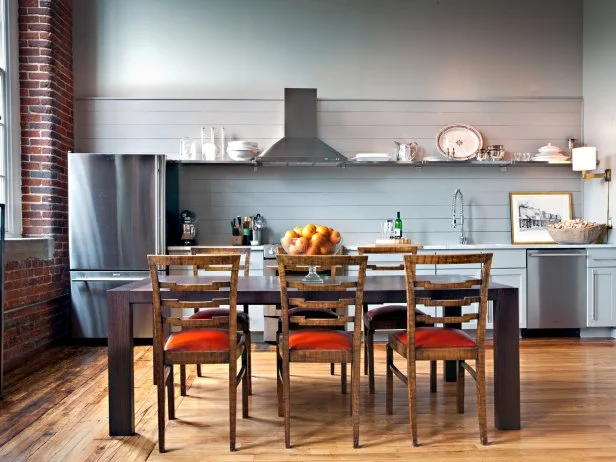
Credit: www.hgtv.com
Frequently Asked Questions
What Are The Benefits Of An Open Plan Kitchen Design?
Open plan kitchens enhance space, improve social interaction, and allow natural light flow. They create a seamless connection between cooking and living areas, making the home feel larger and more inviting. This layout suits modern lifestyles and entertaining needs.
How To Maximize Storage In Open Plan Kitchens?
Use vertical storage like tall cabinets and open shelves. Incorporate kitchen islands with built-in storage. Choose multifunctional furniture to reduce clutter. These strategies keep the space organized without disrupting the open layout.
What Colors Work Best For Open Plan Kitchen Layouts?
Neutral tones like white, beige, and gray create a cohesive, airy feel. Accent with bold colors for personality. Use consistent color schemes across kitchen and living areas to maintain harmony and visual flow.
How To Separate Zones In An Open Plan Kitchen?
Use furniture placement, rugs, or lighting to define areas. Kitchen islands or breakfast bars act as natural dividers. These elements maintain openness while creating functional zones for cooking, dining, and relaxing.
Conclusion
Designing an open plan kitchen can make your home feel bright and spacious. Choose a layout that fits your daily needs and style. Use furniture and colors to create separate zones without walls. Keep the space organized to make cooking and socializing easy.
Natural light and good lighting add warmth and comfort. Small touches, like plants or art, bring personality. Open plan kitchens invite family and friends to gather. Enjoy creating a space that works well and feels welcoming every day.