
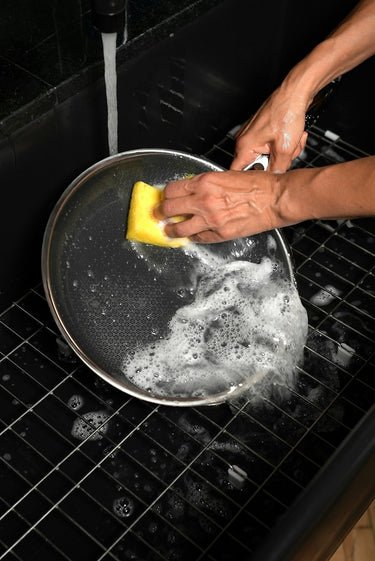
You love cooking with your non-stick pans because they make meal prep easy and cleanup quick. But are you cleaning them the right way?
Using the wrong methods can damage the coating and shorten your pan’s life. You’ll discover simple, safe steps to keep your non-stick pans spotless and scratch-free. Keep reading to protect your investment and make your kitchen routine smoother than ever.

Credit: www.reddit.com
Choosing The Right Cleaning Tools
Cleaning non-stick pans needs gentle tools to keep the surface safe. Using the wrong tools can damage the coating.
Pick tools that clean well but do not scratch or wear down the pan’s surface.
Soft Sponges And Cloths
Soft sponges and cloths clean without scratching the non-stick coating. They help remove food gently.
Use sponges with a soft side only. Avoid rough or scrubbing sides that can harm the pan.
- Choose non-abrasive sponges
- Use microfiber or soft cotton cloths
- Rinse sponges well to remove stuck food
- Replace sponges when they wear out
Avoiding Abrasive Materials
Abrasive materials can scratch and damage non-stick surfaces. Avoid steel wool, metal brushes, or rough pads.
Scratches make food stick more and reduce the pan’s life. Use gentle tools only.
- Do not use metal scrubbers
- Avoid harsh scouring powders
- Skip rough cleaning pads or brushes
- Choose soft cleaning tools instead
Pre-cleaning Steps
Cleaning non-stick pans carefully helps keep their coating safe. Following the right steps before washing makes cleaning easier.
Start with simple actions that prepare the pan. These steps protect the surface and remove loose dirt.
Cooling The Pan
Let the pan cool down before cleaning. Hot pans can be damaged by sudden cold water or scrubbing.
Cooling also stops warping and protects the non-stick coating from cracking.
Removing Loose Debris
Use a soft cloth or paper towel to wipe away food crumbs and grease. This avoids scratching the surface during washing.
Removing loose debris first helps keep the pan cleaner and reduces the effort needed for washing.
Cleaning With Soap And Water
Cleaning non-stick pans is easy with soap and water. This method helps keep the coating safe and lasts longer.
Use gentle cleaning steps to avoid damage. Regular care keeps your pan working well for many years.
Using Mild Dish Soap
Choose a mild dish soap that does not contain harsh chemicals. This helps protect the non-stick surface from wearing out.
- Mix warm water with a small amount of mild dish soap.
- Use a soft sponge or cloth to clean the pan.
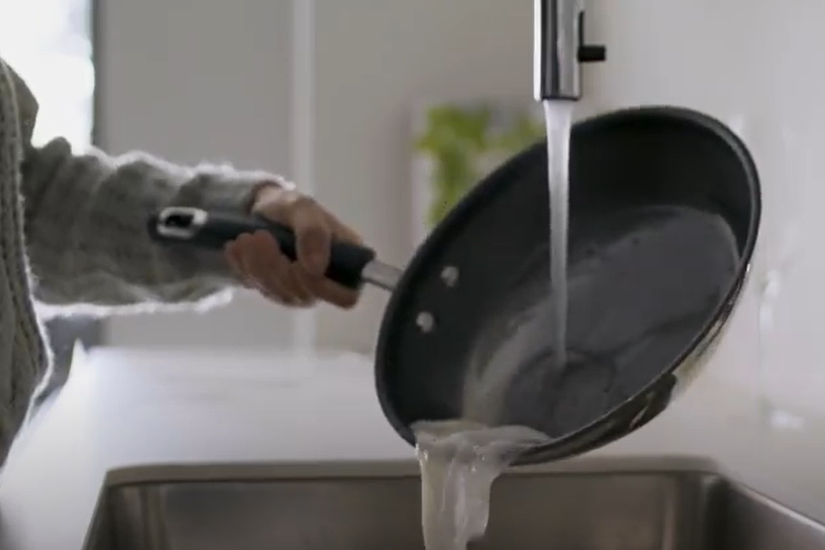
- Rinse the pan well with warm water after washing.
- Dry the pan with a soft towel to prevent water spots.
Gentle Scrubbing Techniques
Scrub the pan carefully to avoid scratching the non-stick surface. Use only soft materials for cleaning.
| Do | Don’t |
| Use a soft sponge or cloth | Use steel wool or abrasive pads |
| Scrub gently in circular motions | Scrub hard or use sharp tools |
| Rinse thoroughly after cleaning | Leave soap residue on the pan |
Dealing With Stubborn Residue
Cleaning non-stick pans can be tricky when food residue sticks hard. Using gentle methods keeps the coating safe.
Try natural cleaning solutions that remove residue without scratching the pan’s surface.
Baking Soda Paste Method
Make a paste by mixing baking soda with water. This paste helps lift stuck-on food without harsh scrubbing.
- Mix three parts baking soda with one part water.
- Apply the paste to the residue on the pan.
- Let it sit for 15 minutes to soften the residue.
- Use a soft sponge to gently scrub the area.
- Rinse the pan with warm water and dry it well.
Vinegar And Water Solution
Vinegar works well to break down grease and residue. Combine it with water for a safe cleaning liquid.
| Ingredients | Amount | Purpose |
| White vinegar | 1 cup | Breaks down grease and residue |
| Water | 1 cup | Dilutes vinegar to protect pan surface |
Heat the vinegar and water mixture in the pan until it simmers. Let it cool, then wash the pan with a soft cloth.
Rinsing And Drying
Cleaning non-stick pans carefully keeps their coating safe. Rinsing and drying are key steps to avoid damage.
Use gentle methods to wash and dry your pans. This helps them last longer and stay effective.
Thorough Rinsing Tips
Rinse your pan well to remove all soap and food bits. This stops buildup that can harm the surface.
- Use warm water for rinsing, not hot or cold.
- Rinse until water runs clear without bubbles.
- Avoid using harsh scrubbing tools that can scratch.
- Use a soft sponge or cloth for gentle cleaning.
- If food sticks, soak the pan in warm water first.
Proper Drying Practices
Dry your pan completely after rinsing to stop rust and water spots. Air drying or towel drying works well.
| Drying Method | Benefits | Tips |
|---|---|---|
| Air Drying | Prevents scratches from rubbing | Place pan upside down on a rack |
| Towel Drying | Quick and easy | Use a soft, clean cloth or paper towel |
| Combination | Ensures full dryness | Air dry then pat with towel |
Maintaining Non-stick Coating
Non-stick pans need special care to keep their coating safe. Proper cleaning and handling help the pans last longer.
Small habits can stop the coating from scratching or wearing out. These tips help keep your pans in good shape.
Avoiding Metal Utensils
Metal utensils can scratch the non-stick surface. Scratches reduce the pan’s effectiveness and may cause food to stick.
- Use wooden, silicone, or plastic utensils only
- Avoid forks, knives, or metal spatulas
- Check utensils for rough edges before use
- Replace utensils if they show signs of wear
Proper Storage Solutions
How you store pans affects the coating’s condition. Stacking pans without protection can cause scratches.
| Storage Method | Effect on Non-Stick Coating | Tip |
| Stacking without protection | Scratches and chips | Use pan protectors or cloth |
| Hanging on hooks | Less contact, safer | Use padded hooks if possible |
| Separate storage | Best for coating | Store pans individually |
Common Mistakes To Avoid
Cleaning non-stick pans needs care to keep their coating safe. Many people make simple errors that damage the pans quickly.
Knowing what to avoid helps your pans last longer and stay easy to use.
High Heat Usage
Using high heat can ruin the non-stick surface. The coating may break down and lose its non-stick power.
Always cook on low or medium heat to protect your pan’s coating and keep food from sticking.
- High heat can warp the pan’s shape
- Coating may peel or blister
- Food may burn and stick more
Dishwasher Risks
Dishwashers use strong soaps and hot water. These can wear down the non-stick coating over time.
It is better to wash non-stick pans by hand with a soft sponge and mild soap to keep them safe.
- Dishwasher can cause scratches
- Harsh detergents harm the coating
- Repeated dishwasher use fades non-stick surface

Credit: medium.com
Credit: circulon.uk.com
Frequently Asked Questions
How Do I Clean Non-stick Pans Without Damaging Them?
Use warm, soapy water and a soft sponge. Avoid abrasive scrubbers to protect the coating. Hand wash only; never use a dishwasher.
Can I Use Vinegar To Clean Non-stick Pans?
Yes, vinegar helps remove stubborn stains and odors. Mix equal parts vinegar and water, boil gently, then rinse and wash as usual.
What Should I Avoid When Cleaning Non-stick Cookware?
Avoid metal utensils, harsh chemicals, and abrasive scrubbers. These can scratch or damage the non-stick surface, reducing its lifespan and performance.
How Often Should I Clean My Non-stick Pans?
Clean your non-stick pans after every use. Prompt washing prevents food buildup and maintains the non-stick coating’s effectiveness.
Conclusion
Cleaning non-stick pans safely keeps them in good shape. Use soft sponges and mild soap for best results. Avoid metal scrubbers that can damage the surface. Let pans cool before washing to prevent warping. Regular care extends the life of your cookware.
Small efforts make a big difference in kitchen tools. Keep these tips in mind for easy, safe cleaning. Your non-stick pans will stay smooth and last longer. Simple steps lead to better cooking every time.