
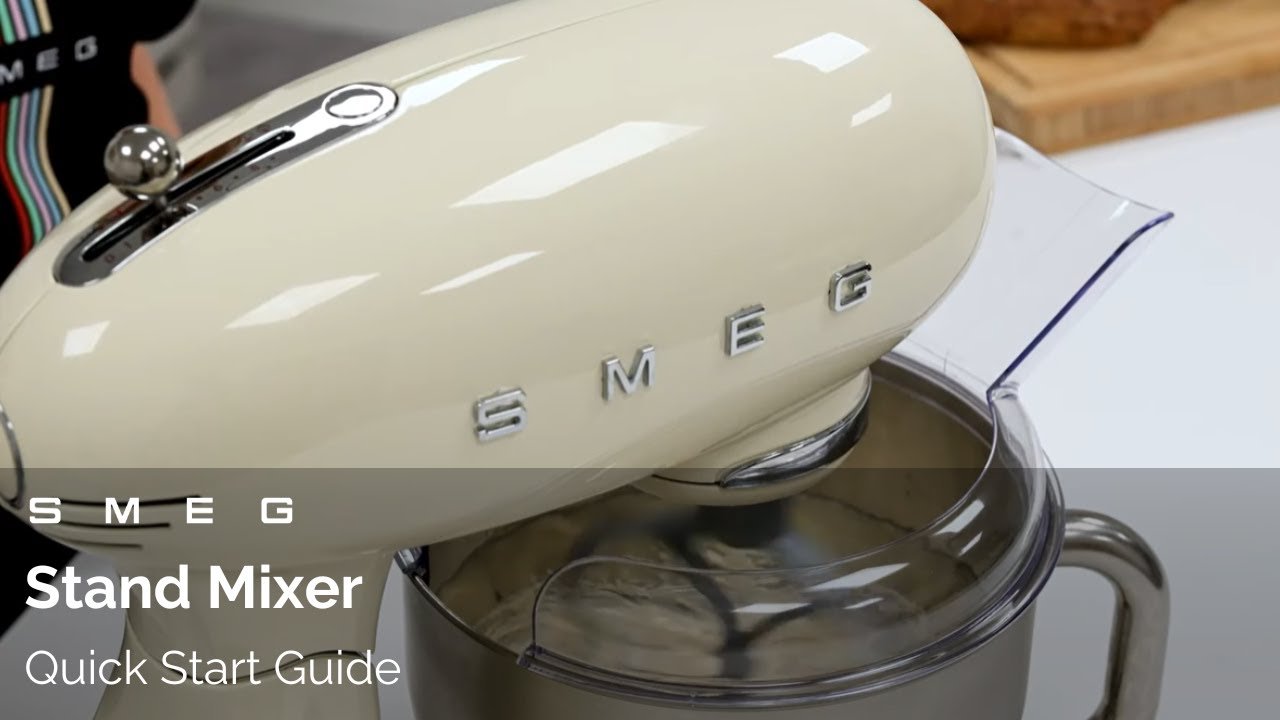
A stand mixer can be your best kitchen helper, making baking and cooking easier and faster. But are you really getting the most out of it?
You might be surprised at how many simple tips can save you time, improve your recipes, and keep your mixer working perfectly for years. You’ll discover easy tricks and smart hacks that turn your stand mixer into a powerful tool you’ll love using every day.
Keep reading, and watch your cooking skills rise to the next level.
Choosing The Right Stand Mixer
Picking the right stand mixer makes cooking easier and faster. It helps you mix ingredients well and saves time.
There are many types of mixers. You need to think about size, power, and features before buying one.
Consider The Mixer Size
Mixers come in different bowl sizes. Choose one that fits your usual cooking needs.
If you bake for many people, pick a bigger bowl. Smaller bowls work well for less cooking.
- 4 to 5-quart bowls suit small families
- 6-quart or larger fit big batches
- Check kitchen space for mixer size
Check The Mixer Power
The motor power tells how strong the mixer is. Strong motors can handle thick dough.
For light mixing, less power works fine. Heavy baking needs at least 300 watts or more.
- Low power: good for eggs and creams
- Medium power: handles most batters
- High power: needed for heavy dough
Look At The Mixer Attachments
Attachments help you do many tasks with one mixer. Check which tools come with the mixer.
Common attachments include beaters, dough hooks, and whisks. Some mixers offer extra tools.
- Beaters mix cakes and cookies
- Dough hooks knead bread dough
- Whisks whip cream or eggs
Think About Mixer Speed Settings
Speed controls let you mix gently or fast. More speed options give better control.
Some mixers have 6 or more speeds. This helps mix different recipes perfectly.
- Low speeds for folding ingredients
- Medium speeds for mixing
- High speeds for whipping and beating
Check The Mixer Build And Design
Look for a mixer that feels sturdy and stable. Heavy mixers stay steady during use.
Design matters if you want a mixer that fits your kitchen style. Pick colors and shapes you like.
- Metal body lasts longer than plastic
- Non-slip feet prevent moving
- Compact design saves counter space
Credit: www.homeserve.com
Key Features To Consider
Choosing the right stand mixer helps you cook and bake better. Look at important features before buying.
These features affect how well the mixer works for your kitchen tasks. Learn about them below.
Motor Power
The motor power shows how strong the mixer is. It affects how fast and well it mixes.
Stronger motors handle thick dough and heavy batters without slowing down.
- Higher watts mean more power
- Lower power may struggle with tough ingredients
- Choose power based on your cooking needs
Bowl Capacity
Bowl size determines how much food you can mix at once. It suits different kitchen sizes.
Large bowls are good for big batches. Smaller bowls save space and are for small meals.
- Small: 3 to 4 quarts, fits small kitchens
- Medium: 4 to 5 quarts, good for families
- Large: 6 quarts or more, for big baking tasks
Attachments And Accessories
Attachments add more uses to your stand mixer. Check what comes with the mixer.
Common attachments include beaters, dough hooks, and whisks. Some mixers have extra tools.
- Flat beater for batters and mixes
- Dough hook for kneading bread dough
- Whisk for whipping cream or eggs
- Optional pasta makers and grinders
Proper Setup And Maintenance
Using a stand mixer can make cooking easier and faster. Setting it up correctly helps the mixer work well.
Keeping the mixer clean and maintained keeps it safe and extends its life. Follow simple tips to care for your mixer.
Initial Assembly Steps
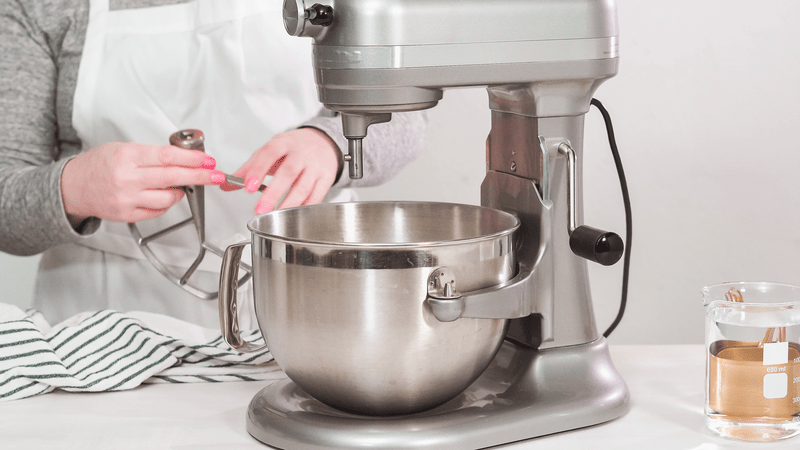
Start by reading the instruction manual carefully. This helps you know each part of the mixer.
Attach the bowl and beaters firmly. Make sure all parts click into place to avoid problems.
- Place the mixer on a flat surface.
- Secure the mixing bowl to the base.
- Insert the beater or whisk attachment.
- Check the power cord for damage before use.
Cleaning Tips
Always unplug the mixer before cleaning. This keeps you safe from electric shock.
Remove the attachments and wash them with warm, soapy water. Dry them well before reattaching.
- Wipe the mixer body with a damp cloth.
- Do not submerge the mixer base in water.
- Clean the attachment hub regularly to avoid buildup.
- Dry all parts completely to prevent rust.
Regular Maintenance
Check the mixer for loose screws or worn parts. Tighten or replace them as needed.
Lubricate moving parts if the manual suggests it. This helps the mixer run smoothly.
- Store the mixer covered to keep dust off.
- Inspect the power cord for cracks or frays.
- Test the speed settings to ensure they work properly.
- Schedule a professional checkup for heavy use mixers.
Credit: www.kitchenaid.com
Optimizing Speed Settings
Using the right speed on your stand mixer helps get the best results. It makes mixing easier and keeps ingredients from splashing.
Different tasks need different speeds. Learning these speeds can improve your baking and cooking.
Slow Speeds For Dough
Slow speeds work best for heavy doughs like bread or pizza. They mix ingredients gently and develop gluten well.
- Use slow speeds to avoid overheating the motor.
- Mix dough until it forms a smooth ball.
- Prevent flour from flying out of the bowl.
Medium Speeds For Mixing
Medium speeds are great for mixing cake batter or cookie dough. They blend ingredients evenly without adding too much air.
| Speed Level | Use For | Effect |
| 3-5 | Cake batter | Even mixing |
| 4-6 | Cookie dough | Good blend without splashing |
| 5 | Muffin mix | Proper texture |
High Speeds For Whipping
Use high speeds to whip cream or beat egg whites. The fast motion adds air and creates a light texture quickly.
- Start slow to combine ingredients.
- Increase to high speed for volume.
- Stop as soon as stiff peaks form.
Using Attachments Effectively
Stand mixers come with different attachments for various tasks. Using each attachment correctly saves time and gives better results. Knowing when and how to use them helps you cook with ease.
This guide covers tips for three common attachments: dough hook, paddle, and whisk. Learn how to make the most of each one in your kitchen.
Dough Hook Techniques
The dough hook is designed for kneading bread and pizza dough. It saves your hands from hard work and mixes dough evenly.
- Use the dough hook on low speed to mix ingredients first.
- Increase speed slightly to knead the dough without splashing.
- Stop mixing when dough pulls away from the bowl sides.
- Do not over-knead; this can make dough tough.
- Clean the hook right after use to avoid stuck dough.
Paddle Attachment Uses
The paddle attachment is perfect for mixing batters, cookie dough, and frosting. It blends ingredients without adding too much air.
| Task | Speed Setting | Tip |
| Mixing cookie dough | Medium | Scrape bowl sides often |
| Making frosting | Low to medium | Mix until smooth |
| Combining cake batter | Low | Mix gently to avoid lumps |
Whisk Attachment Tips
The whisk attachment is used for whipping cream, egg whites, and light batters. It adds air quickly for a fluffy texture.
- Start whisking on low speed to avoid splatter.
- Increase speed gradually for better volume.
- Stop whisking as soon as stiff peaks form to prevent overbeating.
- Use a clean, dry bowl for best results.
- Wash the whisk immediately after use to keep it clean.

Credit: www.kitchenaid.ca
Safety Tips For Mixing
Using a stand mixer can make baking and cooking easier. It is important to follow safety tips to avoid accidents.
Proper care keeps your mixer working well and protects you from harm. Read these tips before you start mixing.
Avoiding Overheating
Do not run the mixer for too long at high speeds. Overheating can damage the motor and cause the mixer to stop working.
- Use lower speeds for thick doughs or heavy batters.
- Turn off the mixer if it feels very hot.
- Let the mixer cool down before using it again.
- Check the user manual for recommended running times.
Securing The Mixer
Place your mixer on a clean, flat surface before starting. This prevents the mixer from moving or falling during use.
| Tip | Reason |
| Use a non-slip mat | Keeps the mixer steady |
| Clear the workspace | Prevents accidents and spills |
| Keep cords away from water | Avoids electric shock |
| Check that bowl locks in place | Prevents bowl from tipping |
Handling Attachments Safely
Always switch off and unplug the mixer before changing attachments. This protects your fingers from injury.
- Attach beaters, whisks, or dough hooks carefully.
- Make sure attachments are locked securely.
- Do not touch moving parts while the mixer runs.
- Clean attachments after use to avoid buildup.
Troubleshooting Common Issues
Stand mixers can save time in the kitchen. Sometimes they may have problems that stop them from working well.
Knowing how to fix common issues helps you keep your mixer running smoothly.
Mixer Won’t Start
Check if the mixer is plugged in correctly. Make sure the power outlet works by testing with another device.
Look for a reset button on the mixer. Press it if the mixer has stopped due to overload.
- Ensure the speed dial is not stuck
- Check if the bowl and attachments are locked in place
- Inspect the power cord for damage
Uneven Mixing
Uneven mixing happens if the bowl or attachments are not fitted right. Always attach them firmly before starting.
Scrape the sides of the bowl during mixing to blend all ingredients well. Use the right attachment for your recipe.
- Check if the mixer head is locked down
- Use the paddle attachment for batters
- Try slower speeds for thick mixtures
Overheating Problems
Mixers can overheat if used for too long or with very thick dough. Let the mixer rest after long use.
Keep an eye on the mixer’s temperature. Stop if it feels very hot and allow it to cool before using again.
- Do not overload the mixer beyond its capacity
- Mix in shorter intervals with breaks
- Clean vents to avoid dust buildup
Creative Baking Ideas
Using a stand mixer can make baking easier and more fun. It helps mix ingredients quickly and evenly. This guide shares ideas for baking bread, cakes, and meringues with a stand mixer.
Try these tips to create tasty treats and enjoy the process of baking at home. Each section focuses on a different type of dessert or bread you can make with your mixer.
Homemade Bread
Stand mixers save time kneading dough for bread. Use the dough hook attachment to mix and knead your bread dough. This helps develop gluten for a soft texture.
- Use warm water to activate yeast faster.
- Add herbs or cheese for extra flavor.
- Let the dough rise in a warm place.
- Use the mixer to knead for 8-10 minutes.
- Bake until the crust turns golden brown.
Decadent Cakes
A stand mixer whips batter quickly and smoothly. It helps mix butter and sugar until fluffy. This gives cakes a light and soft crumb.
| Ingredient | Quantity | Tip |
| Butter | 1 cup | Soften before mixing |
| Sugar | 1 cup | Use granulated sugar |
| Eggs | 3 large | Add one at a time |
| Flour | 2 cups | Sift before adding |
| Vanilla | 1 tsp | Add for flavor |
Fluffy Meringues
Use your stand mixer’s whisk to beat egg whites until stiff peaks form. This creates light and airy meringues perfect for desserts.
Here are tips for perfect meringues:
- Use room temperature egg whites for better volume.
- Add cream of tartar to stabilize the foam.
- Gradually add sugar while mixing.
- Beat until the mixture is glossy and holds peaks.
- Bake at low heat to dry out the meringues.
Frequently Asked Questions
How Do I Properly Clean A Stand Mixer?
To clean your stand mixer, unplug it first. Use a damp cloth for the base and attachments. Remove and wash removable parts with warm, soapy water. Dry thoroughly before reassembling. Regular cleaning prevents buildup and ensures smooth operation.
What Are The Best Attachments For A Stand Mixer?
Common attachments include the flat beater, dough hook, and wire whisk. Each serves different tasks: mixing, kneading, and whipping. Choose attachments based on your recipes. Using the right tool improves results and protects your mixer.
Can I Use A Stand Mixer For Heavy Dough?
Yes, stand mixers handle heavy dough well. Use the dough hook attachment for kneading. Start on low speed to avoid motor strain. Monitor the mixer to prevent overheating during long kneading sessions.
How Do I Avoid Overmixing With A Stand Mixer?
Overmixing can ruin texture and consistency. Mix ingredients on low speed and watch closely. Stop as soon as the mixture looks smooth and combined. Using the timer feature helps prevent accidental overmixing.
Conclusion
Using a stand mixer makes cooking easier and faster. Follow these simple tips to get the best results. Clean your mixer after each use to keep it working well. Choose the right attachment for each task. Start mixing at low speed to avoid splashes.
With practice, your baking and cooking will improve. Enjoy the process and have fun in the kitchen! A stand mixer is a helpful tool for every home cook.