
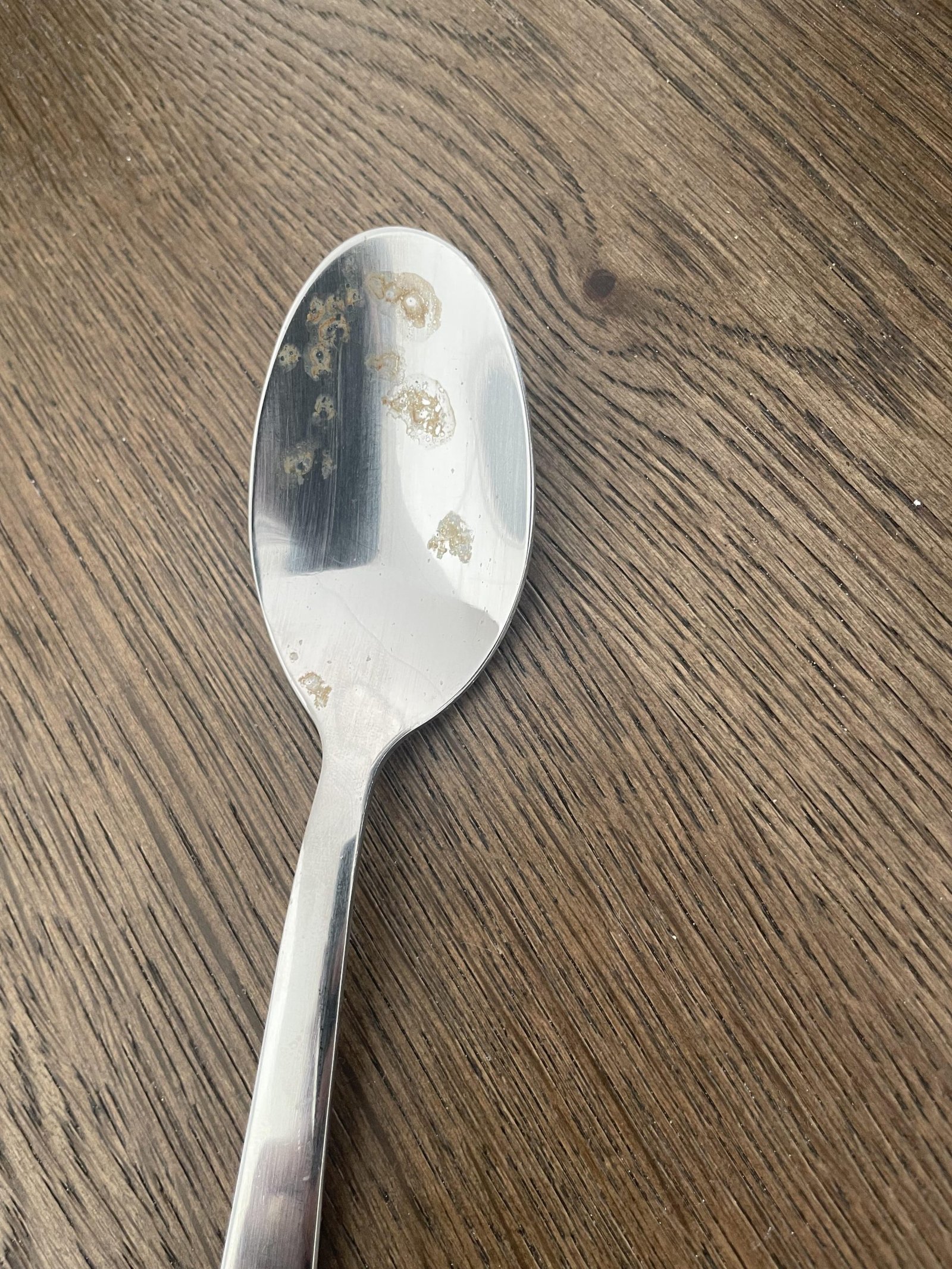
Are your metal utensils looking dull or stained? You might be surprised at how easy it is to bring back their shine and keep them spotless.
Imagine your kitchen tools sparkling like new, ready to make every meal feel special. You’ll discover simple, effective ways to clean your metal utensils without harsh chemicals or expensive products. By the end, you’ll have quick tricks that save you time and protect your favorite kitchen items.
Ready to make your utensils shine again? Let’s get started!
Types Of Metal Utensils
Metal utensils come in different materials. Each type needs special care to stay clean and last long.
Knowing the kinds of metal helps you clean them the right way. Let’s look at four common types.
Stainless Steel
Stainless steel is strong and does not rust easily. It is common for kitchen tools like spoons and pots.
Use warm water and mild soap to clean stainless steel. Avoid steel wool to stop scratches.
Copper
Copper utensils look beautiful but can tarnish over time. They need gentle cleaning to keep their shine.
- Use lemon juice or vinegar to remove spots.
- Rinse with warm water and dry quickly.
- Polish with a soft cloth to restore brightness.
Cast Iron
Cast iron utensils hold heat well but can rust if wet. Clean them carefully to keep their coating.
| Cleaning Tip | Why It Matters |
|---|---|
| Use hot water and a brush | Removes food without harming the seasoning |
| Dry immediately after washing | Prevents rust from forming |
| Apply oil after drying | Keeps surface non-stick and protected |
Aluminum
Aluminum is lightweight and heats quickly. It can discolor if cleaned with harsh chemicals.
Use warm soapy water and a soft cloth. Avoid bleach and strong detergents to keep it looking good.
Common Cleaning Supplies
Metal utensils need proper cleaning to stay shiny and last longer. Using the right supplies helps remove stains and dirt easily.
This guide shows simple and common cleaning supplies for metal utensils you can find at home or in stores.
Vinegar And Baking Soda
Vinegar and baking soda work well together to clean metal utensils. Vinegar removes rust and baking soda scrubs off grime.
Mix baking soda with a little water to make a paste. Apply it to the utensil and pour vinegar over it. Let it sit, then scrub and rinse.
- Use white vinegar for best results
- Make a thick baking soda paste
- Let the mixture fizz and work on stains
- Rinse thoroughly with water
Lemon And Salt
Lemon and salt are natural cleaning agents. Lemon juice cuts grease, while salt acts as a mild scrubber.
Sprinkle salt on the utensil, then rub with half a lemon. The acid and grit remove stains and brighten metal surfaces.
- Use fresh lemon for better acid power
- Coarse salt works best for scrubbing
- Rub gently to avoid scratching
- Rinse and dry after cleaning
Dish Soap And Water
Dish soap and warm water clean everyday dirt from metal utensils. This simple mix is safe and easy to use.
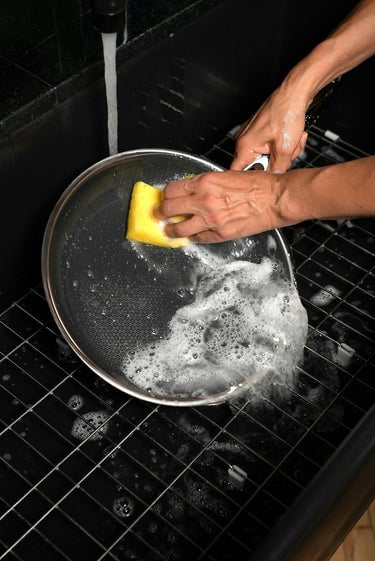
Fill a basin with warm water and add a few drops of dish soap. Soak utensils, then scrub with a sponge and rinse well.
- Use mild dish soap for best results
- Warm water helps dissolve grease
- Use a soft sponge to avoid damage
- Dry utensils after washing to prevent spots
Commercial Cleaners
Commercial cleaners are made to clean metal utensils quickly. They remove tough stains and restore shine.
Follow the instructions on the cleaner carefully. Use gloves and work in a well-ventilated area to stay safe.
- Choose cleaners made for your metal type
- Apply with a cloth or sponge
- Rinse thoroughly after cleaning
- Store cleaners away from children
Cleaning Stainless Steel Utensils
Stainless steel utensils are popular for cooking and serving food. They last long and look nice with care.
Cleaning them regularly keeps them shiny and prevents damage. Use gentle methods to protect the surface.
Daily Maintenance Tips
Wash utensils soon after use to avoid stains. Use warm water and mild dish soap for cleaning.
Dry utensils with a soft cloth to stop water spots. Avoid using steel wool or harsh scrubbers.
- Rinse utensils immediately after use
- Use a soft sponge or cloth
- Dry completely to avoid water marks
- Store in a dry place
Removing Stubborn Stains
Some stains need extra care. Use baking soda and water to make a paste for scrubbing.
Apply the paste on stains and rub gently with a soft cloth. Rinse well and dry after cleaning.
- Mix baking soda with water for a thick paste
- Gently rub stains using the paste
- Rinse with warm water
- Dry with a soft towel
Polishing For Extra Shine
Polishing helps keep utensils shiny and new-looking. Use a soft cloth and a small amount of olive oil.
Rub the oil on the utensil in circular motions. Wipe off extra oil to avoid sticky residue.
- Use a soft microfiber cloth
- Apply a few drops of olive oil
- Rub in circles for shine
- Buff off excess oil with a clean cloth
Caring For Copper Utensils
Copper utensils add a warm look to your kitchen. They need special care to stay shiny and clean.
Proper cleaning and maintenance help copper last longer and keep its bright color.
Preventing Tarnish
Tarnish is a dark layer that forms on copper. It happens when copper reacts with air and moisture.
To stop tarnish, dry utensils right after washing. Store them in a dry place away from air.
- Use soft cloths to dry copper utensils.
- Avoid leaving copper wet for long times.
- Keep utensils in airtight containers if possible.
Using Natural Cleaners
Natural cleaners are safe and easy to use on copper. They remove dirt without harming the metal.
Lemon juice and salt make a good cleaner. The acid cleans while salt scrubs gently.
- Cut a lemon in half and dip it in salt.
- Rub the lemon on the copper surface.
- Rinse with warm water and dry with a soft cloth.
Polishing Copper
Polishing keeps copper looking bright and shiny. It removes small scratches and spots.
Use a soft cloth and a polishing paste made from baking soda and water. Rub gently in circles.
- Make a paste with baking soda and water.
- Apply paste with a soft cloth on the copper.
- Rub in small circles to polish the surface.
- Rinse and dry completely after polishing.
Maintaining Cast Iron Utensils
Cast iron utensils last many years if cleaned and cared for properly. Keep the surface smooth and rust-free.
Good maintenance keeps food from sticking and improves cooking results. It also protects your investment.
Seasoning Techniques
Seasoning creates a natural non-stick layer on the cast iron surface. It also prevents rust and damage.
To season, clean the utensil and dry it well. Apply a thin coat of cooking oil all over the surface.
- Heat the utensil in an oven at 350°F (175°C) for one hour
- Let it cool inside the oven before removing
- Repeat this process if the surface looks dry or dull
Removing Rust
Rust can damage cast iron and affect food taste. Remove rust as soon as you see it.
Use steel wool or a scrub brush to scrub rusted areas. Rinse and dry the utensil completely.
- Apply oil after drying to restore the seasoning
- For heavy rust, soak in vinegar and water mix for 1 hour
- Rinse well and dry immediately to stop further rusting
Proper Storage
Store cast iron in a dry place to avoid moisture and rust. Avoid stacking wet utensils together.
Place paper towels between stacked utensils to absorb moisture. Keep lids off to let air circulate.
- Store in a cool, dry cabinet
- Keep utensils dry before storing
- Apply a light coat of oil before long-term storage

Credit: www.briscoes.co.nz
Cleaning Aluminum Utensils
Aluminum utensils need special care to stay clean and shiny. They can discolor or dull if cleaned the wrong way.
Learn easy ways to clean aluminum safely. This keeps your utensils looking new longer.
Avoiding Discoloration
Aluminum can change color if it touches strong chemicals or hot water. Avoid using bleach or harsh cleaners.
Dry your utensils quickly after washing. This stops water spots and stains from forming.
- Do not soak in water for long times
- Use cool or warm water, not hot
- Keep utensils dry after cleaning
Using Mild Cleaners
Use gentle soaps or dish detergents to clean aluminum utensils. Mild cleaners protect the surface.
Avoid abrasive scrubbers that can scratch the metal. Soft sponges or cloths work best.
- Mild dish soap is safe
- Soft sponge or cloth for scrubbing
- Rinse well to remove soap
Polishing Aluminum
Polishing makes aluminum utensils shine like new. Use a paste made from baking soda and water for polish.
Rub the paste gently on the utensil with a soft cloth. Rinse and dry well after polishing.
- Mix baking soda with water to make a paste
- Apply paste with soft cloth
- Rinse and dry thoroughly
Safety Tips
Cleaning metal utensils requires care to keep them safe and shiny. Follow simple safety tips to avoid damage or injury.
Using the right methods protects both you and your utensils during cleaning.
Handling With Care
Metal utensils can be sharp or heavy. Handle them carefully to avoid cuts or drops.
- Hold utensils firmly to prevent slipping.
- Wear gloves if you have cuts or sensitive skin.
- Keep knives separate to avoid accidental cuts.
- Do not soak sharp utensils for too long.
- Dry utensils immediately after washing to prevent rust.
Avoiding Harsh Chemicals
Harsh chemicals can damage metal surfaces and harm your health. Use gentle cleaners instead.
| Chemical Type | Effect on Metal | Safe Alternative |
| Bleach | Corrodes metal, dulls finish | Vinegar solution |
| Ammonia | Weakens metal over time | Mild dish soap |
| Oven cleaner | Harsh on metal surface | Baking soda paste |

Credit: www.reddit.com
Eco-friendly Cleaning Alternatives
Cleaning metal utensils can be safe for the environment. You can use natural products. These options avoid harsh chemicals.
Eco-friendly cleaners work well and keep your utensils shiny. They also protect your health and nature.
Homemade Cleaner Recipes
Make your own metal cleaner using items found at home. These recipes are easy and cheap.
- Mix equal parts white vinegar and water. Soak utensils for 10 minutes.
- Use a paste of baking soda and water. Rub gently on spots.
- Combine lemon juice with salt for tough stains. Scrub softly.
- Try olive oil to polish and add shine after cleaning.
Benefits Of Natural Ingredients
| Ingredient | Benefit |
| White Vinegar | Removes rust and kills bacteria |
| Baking Soda | Gentle scrub that lifts dirt |
| Lemon Juice | Brightens and cuts grease |
| Olive Oil | Polishes and protects metal |
Credit: hexclad.com
Frequently Asked Questions
How Do I Remove Rust From Metal Utensils?
To remove rust, use a paste of baking soda and water. Apply it to the rust, scrub gently with a brush, then rinse and dry thoroughly. This method restores shine and prevents further corrosion effectively.
What Is The Best Homemade Cleaner For Metal Utensils?
A mixture of vinegar and water works well as a homemade cleaner. Soak utensils briefly, scrub with a soft cloth, then rinse and dry. This solution removes stains and disinfects without harsh chemicals.
Can I Use Lemon To Clean Metal Utensils?
Yes, lemon juice naturally cleans and brightens metal. Rub lemon on the utensil surface, let it sit for a few minutes, then rinse and dry. It helps remove tarnish and adds a fresh scent.
How Often Should Metal Utensils Be Cleaned?
Metal utensils should be cleaned after every use to prevent buildup and stains. Regular cleaning maintains hygiene, appearance, and extends utensil life. Avoid leaving food residue for prolonged periods.
Conclusion
Cleaning metal utensils is simple with the right steps. Use gentle scrubbing to avoid scratches. Regular washing keeps utensils shiny and safe to use. Natural ingredients like lemon and baking soda work well. Dry utensils thoroughly to prevent rust and spots.
Clean utensils often to keep your kitchen neat. Small efforts lead to long-lasting, clean metal tools. Try these tips and enjoy sparkling utensils every day. Easy care brings big benefits to your kitchen routine.