
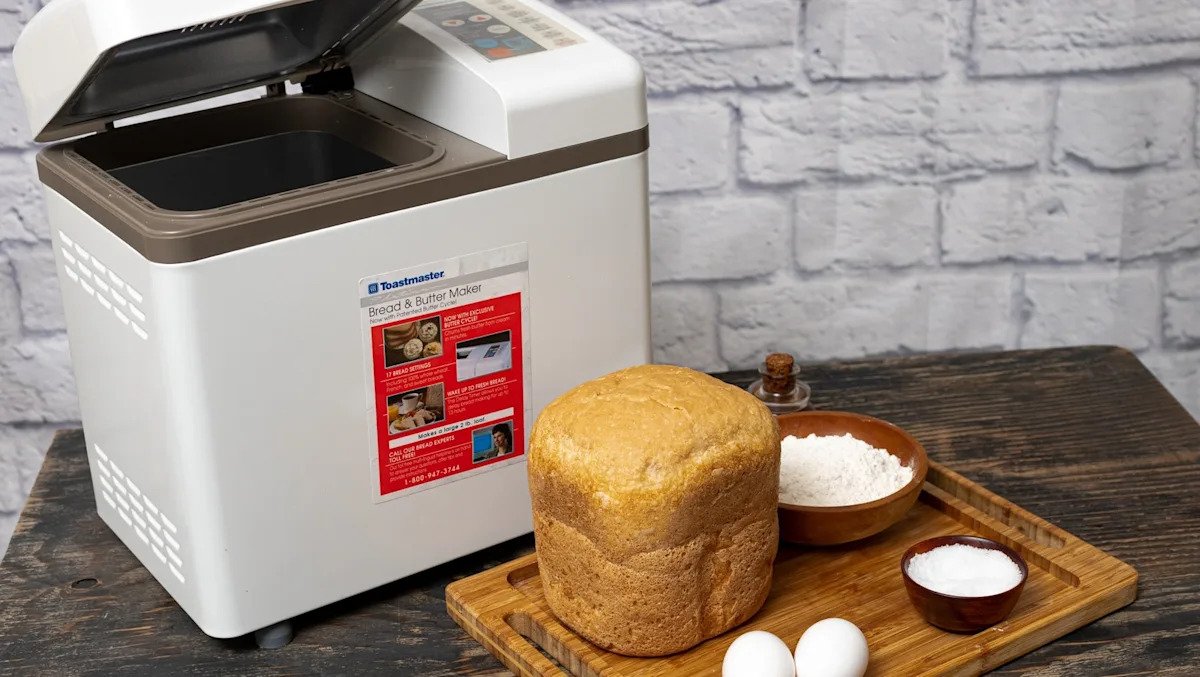
If you think a bread maker is only good for baking bread, think again. Your bread maker can be a secret weapon for making delicious, moist cakes with ease.
Imagine waking up to a freshly baked cake without the hassle of using multiple bowls or an oven. You’ll discover simple tips that will help you use your bread maker to create perfect cakes every time. Whether you’re a beginner or looking to improve your baking skills, these tips will make your cake baking experience smoother and more enjoyable.
Keep reading to unlock the full potential of your bread maker and impress everyone with your homemade cakes.

Credit: www.yahoo.com
Choosing The Right Ingredients
Using the right ingredients is key to baking great cakes in a bread maker. Good choices make your cake soft and tasty.
Learn how to pick the best flour, sweeteners, and fats. These ingredients affect the cake’s texture and flavor.
Selecting Flour Types
Flour gives structure to your cake. Choose flour with moderate protein to keep cakes soft and light.
All-purpose flour works well for most cakes. Cake flour has less protein and makes cakes tender.
- Use all-purpose flour for a balanced texture
- Choose cake flour for a softer crumb
- Avoid bread flour; it makes cakes dense
Picking The Best Sweeteners
Sugar adds sweetness and moisture to cakes. White sugar is common and dissolves well in the batter.
Brown sugar adds a mild caramel flavor and keeps cakes moist. Honey or maple syrup can add unique tastes.
- White sugar for classic sweetness
- Brown sugar for richer flavor and moisture
- Honey or syrup for natural sweetness and taste
- Use granulated sugar for even mixing
Optimal Fats And Oils
Fats make cakes tender and soft. Butter adds flavor but oils keep cakes moist longer.
Choose vegetable oil or light olive oil for neutral taste. Use softened butter for richer flavor but not melted.
- Butter for rich flavor and soft texture
- Vegetable oil for moist, light cakes
- Light olive oil for mild flavor
- Avoid heavy oils that change taste
Preparing The Bread Maker
Using a bread maker for cakes needs some simple preparation. Getting the machine ready helps the cake bake evenly.
Keep your bread maker clean and set it right before adding ingredients. This keeps your cake fresh and tasty.
Cleaning And Maintenance
Clean the bread maker before each use. Remove crumbs and wipe the pan with a soft cloth. This stops old flavors from mixing in your cake.
- Unplug the bread maker before cleaning.
- Wash the baking pan with warm, soapy water.
- Dry the pan completely to avoid rust.
- Clean the kneading blade and inside walls gently.
- Check the lid and remove any stuck batter.
Proper Temperature Settings
Set the right temperature for baking cakes. Too hot or too cold can spoil the texture. Use the cake or quick bake setting if your machine has one.
| Temperature | Effect on Cake |
| Too High (over 180°C / 356°F) | Cake crust burns, inside stays raw |
| Too Low (below 160°C / 320°F) | Cake is dense and undercooked |
| Ideal (160°C – 180°C / 320°F – 356°F) | Even baking, soft texture |
Greasing The Pan
Grease the baking pan to stop the cake from sticking. Use oil, butter, or non-stick spray. Make sure to cover all corners and edges.
Tips for greasing the pan:
- Use a paper towel to spread butter evenly.
- Coat the pan lightly to avoid greasy spots.
- For sweet cakes, sprinkle a little flour after greasing.
Mixing And Baking Process
Using a bread maker for cakes can save time and effort. It mixes and bakes the cake automatically.
To get good results, you need to focus on how you add ingredients and choose settings.
Layering Ingredients
Put ingredients in the bread maker in the right order. Usually, liquids go in first, then dry ingredients.
This helps the machine mix everything well without clumping or sticking to the sides.
- Start with liquids like eggs, milk, or oil
- Add sugar and melted butter next
- Finish with flour and baking powder on top
- Keep yeast or baking soda separate if used
Using The Right Program
Choose the cake or quick bread program on your bread maker. This setting controls mixing and baking time.
Using the wrong program can cause the cake to cook too long or not enough.
- Select a program designed for cakes or sweet breads
- Check the manual for recommended baking times
- Adjust settings for smaller or larger cakes if possible
Monitoring Cake Consistency
Watch the cake batter during mixing to ensure it is smooth and not too thick or thin.
If the batter looks too dry, add a little more liquid. If too wet, add a bit more flour.
- Batter should pour slowly but not be runny
- Check after the first mixing cycle if possible
- Use a toothpick to test doneness near the end of baking
Enhancing Cake Flavors
Using a bread maker to bake cakes is easy and fun. You can make your cakes taste better with simple tricks. Adding flavors makes your cake special and tasty.
Try different spices, fruits, and toppings to change the flavor. These small changes can make a big difference in your cake’s taste.
Incorporating Spices And Extracts
Spices and extracts add strong and sweet flavors to your cake. Use cinnamon, nutmeg, or vanilla extract to make your cake smell and taste good.
- Add half a teaspoon of cinnamon for a warm flavor.
- Use a few drops of almond extract for a nutty taste.
- Try lemon or orange zest to make the cake fresh and fruity.
Adding Fruits And Nuts
Fresh or dried fruits and nuts give texture and natural sweetness. They make your cake more interesting and healthy.
| Fruit or Nut | Flavor | Texture |
| Blueberries | Sweet and tangy | Soft and juicy |
| Chopped walnuts | Earthy and rich | Crunchy |
| Raisins | Sweet and chewy | Chewy |
| Sliced almonds | Nutty | Crispy |
Glazing And Toppings
Glazes and toppings add shine and extra flavor. They also make your cake look nice and inviting.
- Brush a thin sugar glaze for sweetness and shine.
- Sprinkle powdered sugar for a simple topping.
- Use melted chocolate or caramel for a rich taste.
- Add chopped nuts or fresh fruit on top for texture.
Troubleshooting Common Issues
Using a bread maker to bake cakes can be easy and fun. Sometimes, problems may come up. Knowing how to fix them helps you bake better cakes.
Below are common issues and tips to solve them. These tips make your cake baking with a bread maker smoother.
Dealing With Sinking Centers
Sinking centers happen when the cake falls in the middle after baking. This can make the cake look uneven and undercooked.
To prevent sinking, do not open the bread maker lid while baking. This can cause temperature changes that make the center sink.
- Check your baking powder or baking soda freshness.
- Use the right amount of ingredients, especially liquids.
- Make sure the batter is not too heavy or thick.
- Avoid overfilling the bread maker pan.
Avoiding Overmixing
Overmixing the batter can cause tough cakes. It also makes the cake rise too much and then fall.
Mix ingredients until they are just combined. Use the low or cake setting on your bread maker for gentle mixing.
- Mix dry and wet ingredients separately first.
- Add wet ingredients to dry slowly.
- Stop mixing when no dry spots remain.
- Use the shortest mixing time possible.
Adjusting For High Altitude
Baking at high altitudes can change how cakes rise and bake. Cakes may cook too fast or dry out.
Adjust your recipe by lowering sugar and increasing liquids. You may need to bake a little longer at lower temperatures.
| Change | Adjustment |
|---|---|
| Sugar | Reduce by 1-2 tablespoons |
| Flour | Increase by 1-2 tablespoons |
| Liquid | Increase by 2-4 tablespoons |
| Baking Temperature | Lower by 15-25°F (10-15°C) |
| Baking Time | Increase slightly as needed |
Credit: saladinajar.com
Maintaining Consistent Results
Using a bread maker to bake cakes can be simple and fun. Getting the same good results each time takes some care and planning.
Follow a few tips to keep your cakes tasting great and looking perfect every time you bake.
Keeping A Baking Journal
Write down the details of each cake you bake in your bread maker. This helps you track what works well and what does not.
Note the ingredients, settings, and baking times you use. Record how the cake turns out and any changes you want to try next time.
- Ingredients and their amounts
- Bread maker settings used
- Baking time and temperature
- Texture and taste results
- Ideas for adjustments
Experimenting With Recipes
Try different recipes to find what suits your bread maker best. Small changes can make a big difference in cake quality.
Change one ingredient or setting at a time. This helps you see how each change affects the cake’s texture and flavor.
- Adjust flour or sugar amounts
- Try different liquids like milk or juice
- Use various baking cycles on your machine
- Add nuts, fruits, or spices carefully
- Test baking times in small steps
Seeking User Reviews And Tips
Read what other bread maker users say about their cake baking experiences. Their tips can help you avoid common mistakes.
Look for advice on recipe adjustments, machine settings, and ingredient choices. This shared knowledge supports better baking results.
- Check forums and baking groups online
- Ask questions about specific bread maker models
- Learn from others’ successes and errors
- Share your own results and tips
- Stay updated with new baking ideas
.png)
Credit: www.independent.co.uk
Frequently Asked Questions
How Do I Prepare Ingredients For Bread Maker Cakes?
Measure ingredients precisely and use room temperature items. Follow the recipe’s order to add ingredients. Avoid overfilling the bread maker pan to ensure even baking.
Can I Use Regular Cake Recipes In A Bread Maker?
Not all cake recipes fit bread makers. Use recipes designed for bread makers or adapt moist, simple batter recipes. Avoid recipes with large fruit chunks or nuts to prevent machine damage.
What Settings Work Best For Baking Cakes In Bread Makers?
Select the “Cake” or “Quick Bake” setting on your bread maker. These settings offer suitable baking times and temperatures for cakes. Avoid the “Bread” setting to prevent over-baking or dryness.
How Do I Prevent Cakes From Sticking In A Bread Maker?
Grease the baking pan well with butter or non-stick spray before adding batter. Use parchment paper if necessary. This ensures easy cake removal and preserves the pan’s condition.
Conclusion
Using a bread maker for cakes can be simple and fun. Follow the tips to get soft, tasty cakes every time. Always check the ingredients and settings before you start. Small changes can make a big difference in your cake’s texture.
Enjoy baking without the mess and long wait. Try different flavors and enjoy fresh homemade cakes anytime. Keep practicing to improve your skills step by step. Baking with a bread maker saves time and effort. Give it a try and see how easy baking can be.