
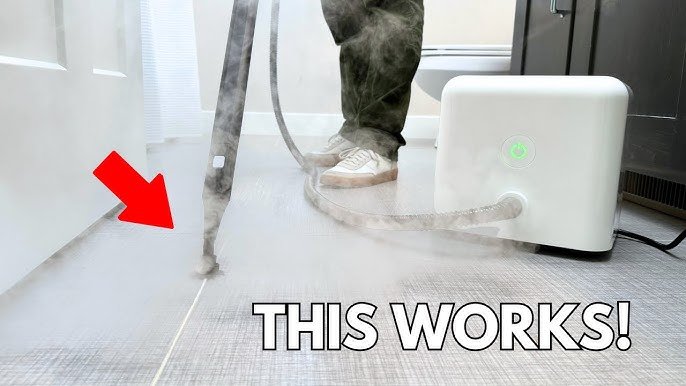
If you’ve just got a steam cleaner or are thinking about using one, it’s important to know how to handle it safely. Steam cleaners are powerful tools that can make your cleaning easier and more effective.
But without the right precautions, they can also cause burns or damage your surfaces. You’ll discover simple tips that help you use your steam cleaner confidently and safely. Keep reading to protect yourself and get the best results every time you clean.

Credit: www.goodhousekeeping.com
Choosing The Right Steam Cleaner
Using a steam cleaner safely starts with picking the right model. Different types fit different needs. Knowing what to look for helps you stay safe and clean well.
Consider your cleaning tasks and space. This will guide you to the best steam cleaner for your home or work area.
Types Of Steam Cleaners
Steam cleaners come in many forms. Each type suits various jobs and spaces.
- Handheld: Small and light. Good for quick, small jobs.
- Canister: Larger water tank, better for floors and big areas.
- Steam mop: Designed mainly for hard floors. Easy to use.
- Commercial: Heavy-duty, made for big or tough cleaning tasks.
Features To Consider
Look for features that make cleaning easier and safer. Some features help control steam and prevent burns.
| Feature | Benefit |
| Steam control settings | Adjust steam level for different surfaces |
| Auto shut-off | Prevents overheating and accidents |
| Heat-up time | Shorter time means quicker cleaning |
| Attachments | Helps clean various areas easily |
| Water tank size | Longer cleaning sessions without refills |
Budget And Brand Considerations
Price and brand affect the quality and safety of your steam cleaner. Choose a model you can afford that offers good support.
- Set a budget that matches your cleaning needs.
- Pick brands with positive reviews and clear instructions.
- Check warranty and customer service options.
- Consider the cost of replacement parts and accessories.
Preparing For Steam Cleaning
Before you start steam cleaning, it is important to prepare well. Proper preparation helps you clean safely and effectively.
Getting ready includes understanding the machine, gathering tools, and testing the steam cleaner first.
Reading The Manual
Read the steam cleaner’s manual carefully. It tells you how to use the machine right and stay safe.
The manual shows how to fill the water tank, control steam levels, and clean the machine after use.
Gathering Necessary Accessories
Collect all the tools you need before starting. This makes the cleaning process faster and easier.
- Steam cleaner with power cord
- Water for the tank
- Different nozzles or brushes
- Protective gloves and goggles
- Old cloths or towels
Testing On A Small Area
Try the steam cleaner on a small hidden area first. This helps you see if it damages the surface.
If the test area looks good, you can clean the rest safely. If not, avoid using steam on that surface.
Safe Operation Tips
Using a steam cleaner can help keep your home clean and germ-free. It is important to follow safety rules.
These tips will help you use your steam cleaner safely and avoid accidents.
Wearing Protective Gear
Always wear protective gear when using a steam cleaner. Hot steam can cause burns and injuries.
- Wear heat-resistant gloves to protect your hands.
- Use safety goggles to shield your eyes from steam.
- Wear long sleeves and pants to protect your skin.
Maintaining Proper Ventilation
Use the steam cleaner in a well-ventilated room. Steam and heat can increase indoor humidity.
Open windows or turn on fans to keep fresh air flowing. This helps prevent mold and keeps you comfortable.
Avoiding Electrical Hazards
| Electrical Safety Tip | Why It Is Important |
|---|---|
| Keep the steam cleaner plug dry | Water and electricity can cause shocks. |
| Do not use damaged cords | Frayed cords can cause fires and shocks. |
| Unplug before cleaning or maintenance | Prevents accidental starts and electric injury. |
| Avoid using extension cords | They can overheat and cause hazards. |
Cleaning Different Surfaces
Steam cleaners work well on many surfaces in your home. Using them safely keeps your items clean and undamaged.
Each surface needs a different approach. Learn how to clean carpets, hard floors, glass, and mirrors safely.
Carpets And Upholstery
Test a small hidden spot before cleaning the whole area. This helps check if steam harms the fabric.
Keep the steam cleaner moving to avoid soaking the carpet or upholstery. Too much moisture can cause mold.
- Use the upholstery tool attachment for best results
- Do not press the steam nozzle too hard on fabric
- Let the area dry completely before use
Hard Floors
Check if your floor type can handle steam cleaning. Wood and laminate floors may get damaged by heat and water.
Use the correct floor attachment and keep the steam low. Move the cleaner slowly but do not stay in one spot.
- Sweep or vacuum before steam cleaning
- Use distilled water to avoid mineral buildup
- Dry floors with a clean cloth after steaming
Glass And Mirrors
Use a low steam setting to avoid streaks on glass and mirrors. High heat can cause spots and damage.
Hold the nozzle a few inches away to prevent water from dripping. Wipe the surface immediately after steaming.
- Test a small area before full cleaning
- Use a microfiber cloth to dry and polish
- Avoid direct steam on edges or seals
Handling Stubborn Stains
Stubborn stains can be hard to remove with just water and steam. You need special care to clean them safely.
Using a steam cleaner can help break down tough stains. It works best when you know how to handle it properly.
Using Steam With Cleaning Agents
Some stains need extra help from cleaning agents. You can use these with steam to get better results.
Choose mild cleaning agents that do not damage surfaces. Always test a small area first to avoid problems.
- Apply the cleaning agent on the stain before steaming
- Use steam to loosen and lift the stain gently
- Wipe the area with a clean cloth after steaming
- Repeat if the stain is still visible
Techniques For Different Stains
Different stains need different ways to clean them. Use the right technique for best results.
- Grease stains:Use a degreaser before steaming to break down oils.
- Ink stains:Apply rubbing alcohol carefully, then steam to lift ink.
- Food stains:Pretreat with mild detergent, then steam clean.
- Mold or mildew:Use a vinegar solution and steam to kill spores.
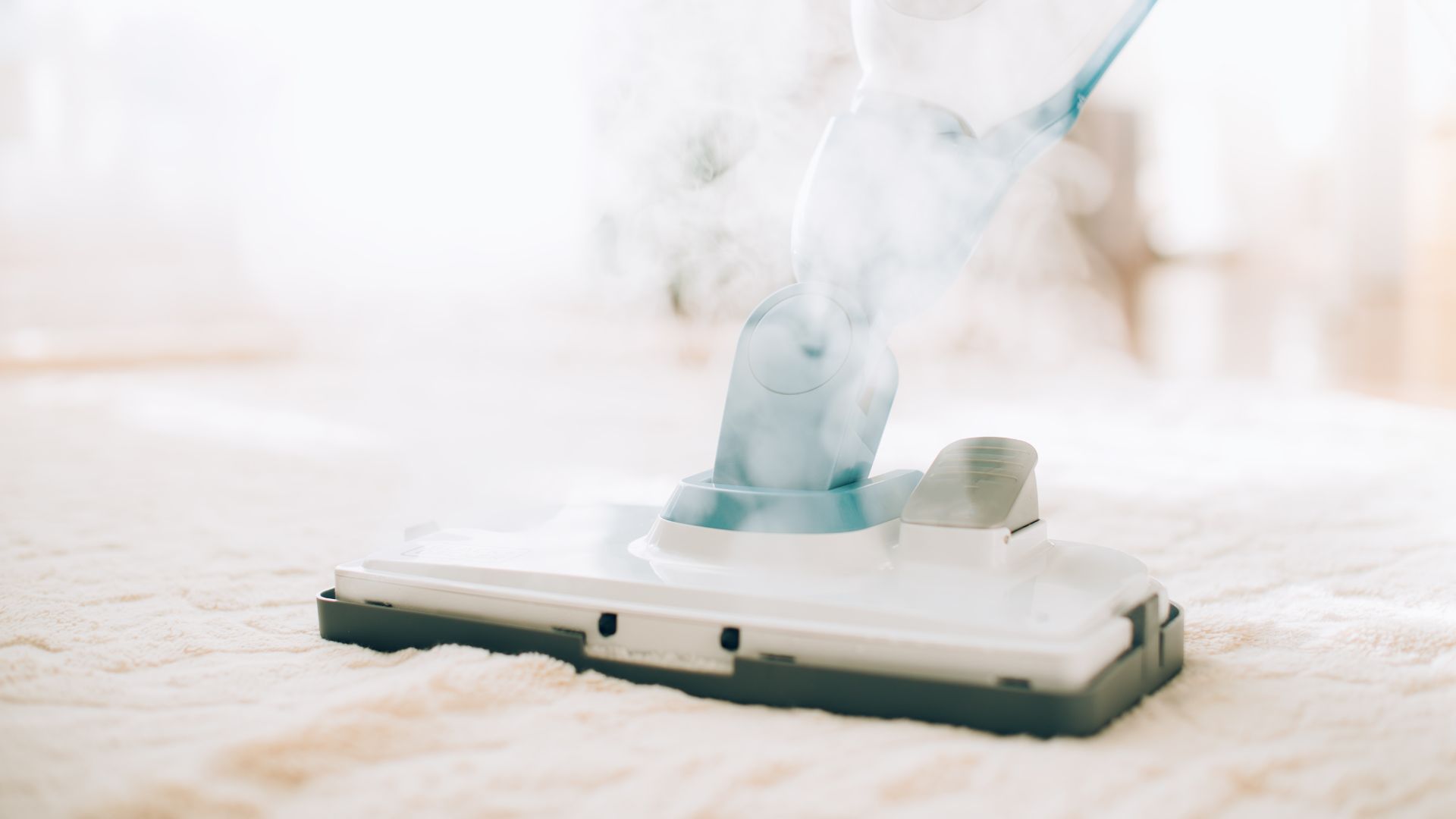
Credit: www.womanandhome.com
Maintenance And Storage
Keeping your steam cleaner in good shape helps it last longer. Regular care and proper storage prevent damage.
Follow simple tips to maintain and store your steam cleaner safely and avoid common problems.
Regular Cleaning Of The Unit
Clean the steam cleaner after every use to remove dirt and water buildup. This keeps the unit working well and stops bad smells.
- Empty the water tank and rinse it with clean water
- Wipe the exterior with a damp cloth
- Check and clean the steam nozzles to avoid blockages
- Remove mineral deposits by using a vinegar solution if needed
Proper Storage Practices
Store the steam cleaner in a dry, cool place. Proper storage stops damage and keeps the parts safe.
| Storage Tip | Why It Matters |
| Keep the unit dry | Prevents mold and rust |
| Wrap the cord loosely | Avoids wire damage |
| Store upright | Stops water leaks |
| Keep away from heat | Protects plastic parts |
Troubleshooting Common Issues
If your steam cleaner does not heat or produce steam, check these points before calling for help.
- Make sure the water tank is full and properly placed
- Check if the power cord is plugged in securely
- Clean the nozzles to remove any blockages
- Reset the unit if it has a reset button
Environmental And Health Considerations
Using a steam cleaner can help reduce chemicals in your home. It offers a safer way to clean many surfaces.
It is important to use steam cleaners safely to protect your health and the environment.
Eco-friendly Cleaning Practices
Steam cleaning uses only water, which lowers the need for harsh chemicals. This helps reduce pollution and waste.
To clean eco-friendly, use distilled water to avoid mineral build-up in the machine. This keeps it working longer and cleaner.
- Use steam cleaner on hard surfaces like tile and glass
- Avoid using chemical cleaners with steam to keep it natural
- Recycle any waste water safely
- Turn off the machine when not in use to save energy
Impact On Indoor Air Quality
Steam cleaners reduce dust and allergens without releasing harmful fumes. This improves the air inside your home.
Use the steam cleaner in well-ventilated areas. This helps moisture dry faster and stops mold growth.
- Open windows during and after cleaning
- Use a dehumidifier if moisture builds up
- Regularly clean the steam cleaner to avoid bacteria
- Check steam cleaner settings to avoid excess steam
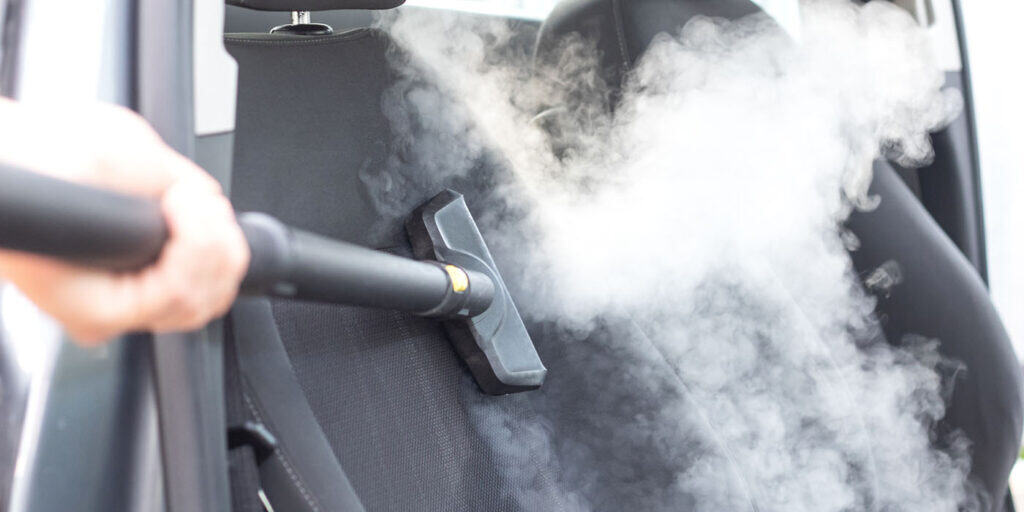
Credit: autosparkzone.com
Frequently Asked Questions
How Do I Prepare A Steam Cleaner For Safe Use?
Fill the water tank with clean water only. Avoid overfilling to prevent leaks. Check all attachments are secure before turning it on.
What Surfaces Are Safe For Steam Cleaning?
Steam cleaners work well on sealed floors, tiles, and upholstery. Avoid unsealed wood or delicate fabrics that may get damaged by heat or moisture.
How Can I Avoid Burns While Using A Steam Cleaner?
Wear protective gloves and keep hands away from the steam nozzle. Always direct steam away from your body and others nearby.
How Often Should I Clean My Steam Cleaner?
Clean the water tank and nozzles after each use to prevent mineral buildup. Follow the manufacturer’s instructions for deep cleaning regularly.
Conclusion
Steam cleaners work best when used with care. Always follow the safety steps shared here. Keep children and pets away during cleaning. Check surfaces before using steam to avoid damage. Let the machine cool before storing it. Regular cleaning of your steam cleaner keeps it efficient.
Small habits make cleaning safe and easy. Use these tips to keep your home fresh and safe. Safe cleaning saves time and prevents accidents. Stay cautious, and enjoy a clean home every day.