

Are you ready to make cooking faster, safer, and more efficient? Using an induction cooktop can change the way you prepare meals, but only if you know the right tips.
You’ll discover simple tricks that help you get the most out of your induction cooktop. Whether you’re new to this technology or want to improve your skills, these tips will save you time and energy while making your cooking experience smoother.
Keep reading, and you’ll unlock the secrets to mastering your induction cooktop like a pro.
Choosing The Right Cookware
Using the correct cookware makes cooking on an induction cooktop easier. It helps the cooktop heat food evenly and quickly.
Not all pots and pans work well on induction. Choosing the right ones keeps your kitchen safe and efficient.
Material Compatibility
Induction cooktops need pots and pans made from magnetic materials. These materials allow the cooktop to create heat through magnetic fields.
- Cast iron works very well with induction cooktops.
- Stainless steel is good if it has a magnetic base.
- Aluminum or copper pans need a magnetic layer to work.
- Glass, ceramic, and pure aluminum pans do not work.
Size And Shape Considerations
Cookware size and shape affect how well it heats on an induction cooktop. The pan should match the size of the cooking zone.
| Cookware Size | Effect |
| Too Small | Heat is wasted and cooking is uneven. |
| Perfect Fit | Best heat transfer and cooking results. |
| Too Large | Cooktop may not heat the edges well. |
Round-bottomed pans may not work well unless they have a flat base. Flat bases keep good contact with the cooktop surface.

Credit: www.maytag.com
Efficient Cooking Techniques
Using an induction cooktop can save time and energy. It heats food quickly and evenly.
Learning how to cook efficiently helps you get the best results. It also reduces power use.
Preheating Tips
Induction cooktops heat up fast, so preheat only for a short time. This saves energy and prevents burning.
Use medium heat to warm your pan before adding food. Avoid empty heating for too long.
- Set the cooktop to medium heat for 1-2 minutes
- Use cookware with flat bottoms for better contact
- Stop preheating as soon as the pan feels warm
Temperature Control Mastery
Induction cooktops give precise temperature control. Adjust heat in small steps for better cooking.
Lower the heat when food starts cooking well. This keeps food from burning and cooks evenly.
- Start with high heat to boil or sear
- Reduce to medium or low for simmering
- Watch food closely and change heat as needed
Optimizing Cooking Time
Use the fast heating to your advantage by preparing ingredients first. This saves overall cooking time.
Cook multiple items in one pan when possible. This reduces the number of heating cycles.
- Chop and measure all ingredients before cooking
- Cook foods with similar times together
- Cover pans to keep heat and cook faster
Energy-saving Strategies
Induction cooktops use less energy than traditional stoves. You can save even more by using smart cooking habits.
These tips focus on using leftover heat and cooking in batches to reduce energy use.
Using Residual Heat
Induction cooktops cool down quickly, but pots and pans stay hot longer. Use this heat to finish cooking food without extra power.
- Turn off the cooktop a few minutes before the dish is done.
- Let the food cook in the warm pan using leftover heat.
- This method saves energy and prevents food from burning.
- Use heavy-bottom pans to hold heat longer.
Batch Cooking Benefits
Cooking several meals at once reduces the number of times you use the cooktop. It saves energy and time.
| Benefit | Explanation |
| Less energy use | Cook multiple dishes in one session. |
| Time saving | Prepare meals that last several days. |
| Reduced heat loss | Keep the cooktop on for shorter periods. |

Credit: www.youtube.com
Cleaning And Maintenance
Keeping your induction cooktop clean helps it work well for a long time. Dirt and spills can damage the surface if not cleaned properly.
Regular care makes cooking safer and your kitchen look neat. Follow simple steps to clean and maintain your cooktop every day.
Daily Cleaning Routine
Clean your cooktop after every use to avoid stains and build-up. Use a soft cloth and mild cleaner to protect the surface.
- Wait until the cooktop cools down before cleaning
- Wipe the surface with a damp cloth to remove light dirt
- Use a small amount of gentle dish soap for sticky spots
- Dry with a soft towel to avoid water marks
- Check the cooktop manual for recommended cleaning products
Handling Spills And Stains
Spills happen during cooking. Clean them quickly to prevent stains and damage. Some spills need special care.
| Type of Spill | Cleaning Method |
| Water or Light Liquid | Wipe with a soft damp cloth immediately |
| Sugary or Sticky Spill | Use a scraper gently, then clean with a damp cloth |
| Burnt Food | Apply cooktop cleaner and let it sit before wiping |
| Oil or Grease | Use a mild degreaser and soft cloth for wiping |
Safety Precautions
Using an induction cooktop is safe if you follow basic rules. These safety tips help avoid accidents and injuries.
Pay attention to your cooktop’s features and keep your kitchen safe for everyone, especially children.
Childproofing Tips
Children are curious and may touch hot surfaces or controls. Protect them with these simple steps.
- Keep the cooktop controls out of children’s reach or use a control lock.
- Do not leave pots or pans unattended on the cooktop.
- Use back burners whenever possible to keep hot cookware away from edges.
- Teach children that the cooktop is not a toy and can cause burns.
- Install safety gates to keep young kids out of the kitchen during cooking.
Avoiding Common Hazards
Induction cooktops are safe but can cause hazards if used carelessly. Watch for these dangers.
| Hazard | How to Avoid |
| Overheating | Do not use empty pans or cookware without induction compatibility. |
| Electric Shock | Keep the cooktop dry and avoid spills near controls. |
| Fire Risks | Clean spills quickly and keep flammable items away from the cooktop. |
| Scratches | Use cookware with smooth, flat bottoms to protect the surface. |
Troubleshooting Common Issues
Induction cooktops are easy to use but can have some common problems. Knowing how to fix these issues saves time and stress.
This guide covers two frequent problems: overheating and power surges. Follow simple tips to keep your cooktop working well.
Addressing Overheating
Overheating can happen if the cooktop runs too long or if the ventilation is blocked. It may shut off automatically to cool down.
Make sure to keep the cooktop clean and clear around the air vents. Avoid using pots that cover the whole cooking area.
- Check for dust or dirt blocking vents
- Use cookware recommended for induction
- Turn off the cooktop to let it cool
- Avoid running it at the highest setting for long times
Dealing With Power Surges
Power surges can cause the cooktop to stop working or reset. These happen due to sudden changes in electricity supply.
Use a surge protector to protect your cooktop. If a power surge occurs, unplug the cooktop and wait a few minutes before using it again.
- Unplug cooktop during storms
- Use a quality surge protector
- Check your home wiring if surges happen often
- Reset the cooktop if it shuts off suddenly
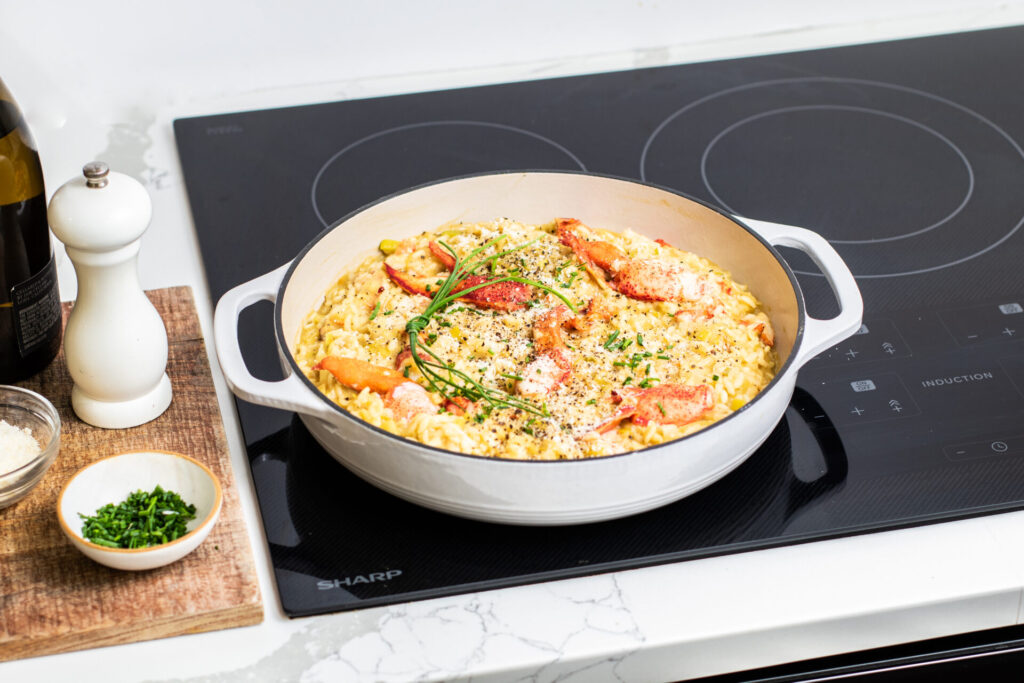
Credit: simplybetterliving.sharpusa.com
Frequently Asked Questions
How Do I Choose Cookware For Induction Cooktops?
Select cookware with magnetic bases like cast iron or stainless steel. Avoid glass, aluminum, or copper unless they have a magnetic layer. To test, use a magnet; if it sticks, the cookware is compatible with induction cooktops.
Can I Use Induction Cooktops With Any Kitchen Setup?
Induction cooktops need a flat, heat-resistant surface and proper electrical wiring. Ensure your kitchen has adequate power supply. They fit well in modern kitchens but may require installation adjustments in older setups.
How To Clean And Maintain An Induction Cooktop?
Use a soft cloth and mild detergent for cleaning after each use. Avoid abrasive cleaners and scrubbers to prevent scratches. Regular maintenance ensures optimal performance and longevity of the induction cooktop.
What Are The Energy Benefits Of Induction Cooktops?
Induction cooktops heat cookware directly, reducing energy loss. They cook faster and use less electricity compared to gas or traditional electric stoves. This efficiency helps lower your energy bills and environmental impact.
Conclusion
Using an induction cooktop can save time and energy in your kitchen. Keep your cookware flat and magnetic for best results. Clean spills right away to avoid damage. Adjust the heat settings carefully for perfect cooking. With practice, you will cook meals quickly and safely.
Enjoy the ease and control that induction cooking offers. Small steps make a big difference in your cooking experience. Try these tips and see the improvement yourself.