

Are your kitchen shelves looking cluttered or dusty? You might not realize it, but clean shelves can make your entire kitchen feel fresher and more organized.
Imagine opening your cabinets to find everything neat, easy to reach, and sparkling clean. Sounds good, right? You’ll discover simple, effective tips that make cleaning your kitchen shelves quick and stress-free. Keep reading, and you’ll learn how to turn this often-overlooked chore into a satisfying part of your routine.
Your kitchen—and your peace of mind—will thank you!
Preparation And Safety
Cleaning kitchen shelves keeps your space tidy and safe. Proper preparation helps avoid accidents.
Use the right tools and follow safety steps. This makes cleaning easier and safer for you.
Gather Essential Cleaning Supplies
Collect all cleaning items before you start. This saves time and keeps you organized.
- Mild dish soap or all-purpose cleaner
- Soft cloths or sponges
- Bucket of warm water
- Gloves to protect your hands
- Step stool for high shelves
- Trash bag for debris
Choose gentle cleaners to avoid shelf damage. Gloves keep your skin safe from chemicals.
Ensure Proper Ventilation
Open windows or doors while cleaning. Good airflow helps clear fumes from cleaners.
Ventilation reduces breathing risks and keeps the air fresh. Avoid cleaning in closed spaces.

Credit: www.youtube.com
Organizing The Shelves
Keeping kitchen shelves neat helps you find items quickly. It also makes your kitchen look clean and tidy.
Organizing shelves takes a little effort but saves time in daily cooking and cleaning tasks.
Remove Items And Declutter
Start by taking everything off the shelves. Check each item carefully and decide if you still need it.
- Throw away expired food or broken containers
- Donate or give away items you no longer use
- Keep only what you use often and love
Sort And Categorize Kitchen Items
Sort items by type and size to make shelves easier to use. Group similar things together for quick access.
| Category | Examples | Storage Tips |
| Spices | Salt, pepper, herbs | Use small jars and label each |
| Dry Goods | Flour, rice, pasta | Store in airtight containers |
| Cookware | Pots, pans, lids | Stack by size for space saving |
| Utensils | Spoons, forks, knives | Use drawer dividers or cups |
Cleaning Techniques
Keeping kitchen shelves clean helps maintain a healthy cooking space. Regular cleaning stops dust and dirt build-up. Use simple methods to keep shelves fresh and tidy.
Different stains and dust need different cleaning ways. Use the right tools and cleaners for the best results. Clean shelves carefully to avoid damage.
Dusting And Wiping
Start dusting shelves with a soft cloth or duster. This removes loose dirt and dust. Wipe shelves with a damp cloth to clear sticky spots. Dry the shelves after wiping to avoid water marks.
- Use microfiber cloth for dusting
- Apply mild soapy water on tough dirt
- Wipe in one direction to avoid spreading dust
- Dry shelves with a clean, dry cloth
- Clean shelves regularly to prevent build-up
Handling Stubborn Stains
Stubborn stains need stronger cleaning but be gentle. Use natural cleaners to protect shelf surfaces. Test cleaners on a small area first to check for damage.
| Type of Stain | Cleaning Method |
| Grease | Mix dish soap with warm water, scrub gently |
| Water Marks | Use vinegar diluted with water, wipe softly |
| Sticky Residue | Apply baking soda paste, let sit, then wipe |
| Mold | Use diluted bleach solution carefully, rinse well |
Natural Cleaning Solutions
Cleaning kitchen shelves can be simple with natural products. These solutions are safe and easy to use.
Natural cleaners help remove dirt and grime without harsh chemicals. They keep your kitchen fresh and clean.
Vinegar And Baking Soda Mix
Vinegar and baking soda make a strong cleaning pair. They work well to remove stains and grease on shelves.
Mix baking soda with vinegar to create a fizzing cleaner. This helps lift dirt and grime easily.
- Sprinkle baking soda on the shelf surface
- Pour vinegar slowly over the baking soda
- Let the mix bubble for 5 minutes
- Wipe with a damp cloth to clean
- Dry the shelves with a clean towel
Lemon And Salt Scrub
Lemon and salt create a natural scrub that cleans and freshens shelves. Lemon juice breaks down stains.
Salt adds texture to scrub off tough dirt. This mix is good for wooden or glass shelves.
- Cut a lemon in half
- Dip the lemon into salt
- Rub the lemon on the shelf surface
- Let it sit for 3 minutes
- Wipe clean with a damp cloth
Maintaining Cleanliness
Keeping kitchen shelves clean helps keep your kitchen fresh and safe. Dust, grease, and crumbs can build up quickly.
Regular cleaning stops dirt from piling up. It also keeps pests away and protects your shelves.
Regular Cleaning Schedule
Make a cleaning routine for your kitchen shelves. Clean them at least once a week to avoid buildup.
Use mild soap and warm water for wiping. Dry shelves well to prevent moisture damage.
- Remove all items before cleaning
- Wipe with a damp cloth and soap
- Dry shelves with a clean towel
- Check for stains or sticky spots
- Put items back in an organized way
Preventive Measures
Use simple steps to keep shelves cleaner for longer. These reduce how much dirt and grease build up.
Cover shelves with liners to protect surfaces. Store food in sealed containers to stop spills and crumbs.
- Place liners or shelf paper
- Use airtight containers for food
- Clean spills immediately
- Avoid placing wet items on shelves
- Keep shelves dry and ventilated
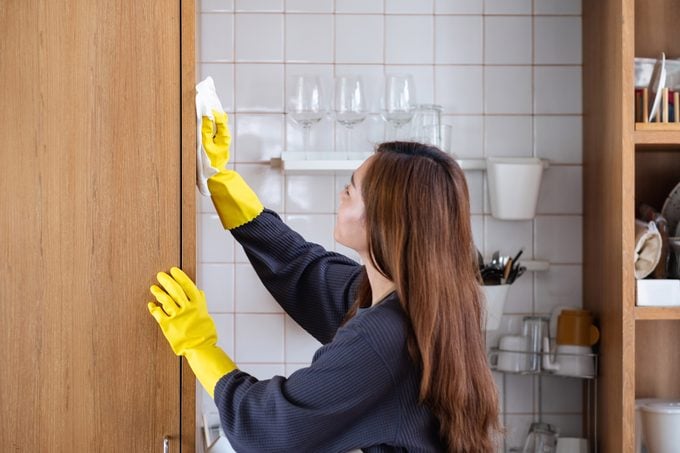
Credit: www.rd.com
Expert Hacks For Efficiency
Cleaning kitchen shelves can be quick and easy with the right methods. Small changes in your routine save time and effort.
Use simple tools and items you already have at home. These tips help keep your kitchen shelves spotless without stress.
Using Microfiber Cloths
Microfiber cloths trap dust and dirt better than regular cloths. They clean without leaving streaks or lint behind.
- Dry wipe shelves first to remove loose dust.
- Dampen the cloth slightly for sticky spots.
- Use separate cloths for different shelf areas to avoid spreading dirt.
- Wash microfiber cloths often to keep them effective.
Repurposing Household Items
Many household items can help clean shelves efficiently. Using what you already have saves money and cuts down on waste.
| Item | Use |
| Old toothbrush | Clean corners and small crevices |
| Baking soda | Remove stains and odors |
| Vinegar solution | Disinfect and shine surfaces |
| Newspaper | Polish glass or shiny shelves |
Storage Tips For Longer Shelf Life
Keeping kitchen shelves clean helps your food last longer. Proper storage keeps items fresh and safe.
Using the right methods can prevent damage and spoilage. Small changes make a big difference.
Use Of Shelf Liners
Shelf liners protect surfaces from spills and stains. They make cleaning faster and easier.
- Choose liners that are easy to wipe clean.
- Pick liners that fit your shelf size well.
- Replace liners regularly to avoid mold buildup.
- Use non-slip liners to keep items in place.
Optimal Arrangement For Airflow
Good airflow prevents moisture and mold growth. Arrange items to let air circulate freely.
| Tip | Why It Helps |
|---|---|
| Keep space between items | Air moves around products to keep them dry |
| Store heavy items on lower shelves | Prevents crushing of lighter items and allows airflow above |
| Use open baskets or containers | Allows air to flow while organizing items |
| Clean shelves regularly | Removes dust that blocks air movement |

Credit: www.youtube.com
Frequently Asked Questions
How Often Should I Clean Kitchen Shelves?
Clean kitchen shelves every 1 to 2 weeks to prevent dust and grease buildup. Regular cleaning keeps shelves hygienic and fresh. It also helps avoid stains and damage from spills or food particles.
What Is The Best Cleaner For Kitchen Shelves?
Use a mild detergent mixed with warm water for most kitchen shelves. Avoid harsh chemicals that can damage surfaces. For wooden shelves, use a wood-safe cleaner or a vinegar-water solution to maintain finish and cleanliness.
How Do I Remove Grease From Kitchen Shelves?
Apply a mixture of warm water and dish soap to greasy spots. Let it sit for a few minutes, then scrub gently with a sponge. For stubborn grease, add a small amount of baking soda to the mixture.
Can I Use Vinegar To Clean Kitchen Shelves?
Yes, vinegar is a natural, effective cleaner for most shelves. Dilute vinegar with water to avoid damage, especially on wood. It cuts grease, kills bacteria, and deodorizes, making it a great eco-friendly cleaning option.
Conclusion
Clean kitchen shelves make cooking easier and more pleasant. Regular cleaning stops dust and spills from building up. Use gentle cleaners and soft cloths to protect surfaces. Organize items neatly to keep shelves tidy longer. Small steps done often save time later.
Keep your kitchen fresh and welcoming with simple care. A clean space helps you enjoy your meals more. Start today for a healthier, happier kitchen environment.