
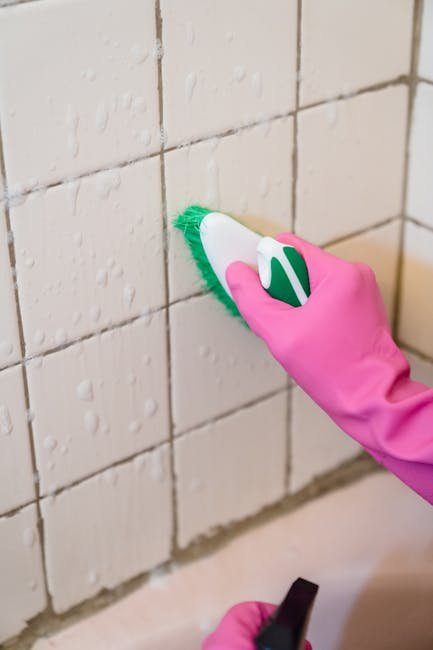
Are you tired of cleaning cloths that just push dirt around or leave streaks behind? Imagine a simple tool that makes your cleaning faster, easier, and more effective every time.
Microfiber cleaning cloths could be the game-changer your home or workspace needs. They not only save you time but also help you clean smarter, not harder. Keep reading to discover how these cloths can transform your cleaning routine and why you’ll wonder how you ever managed without them.
Credit: www.bona.com
Microfiber Material Explained
Microfiber is a special type of fabric made from very thin fibers. These fibers are much smaller than human hair.
This thinness helps microfiber cleaning cloths pick up dirt and dust more easily than other cloths.
What Microfiber Is Made Of
Microfiber is made from polyester and polyamide. These materials are synthetic, meaning they are man-made.
The fibers are split into tiny strands that create a large surface area. This helps the cloth trap dirt and liquids.
How Microfiber Works
Microfiber cloths clean by lifting dirt and oils from surfaces. The tiny fibers reach into cracks and grooves.
The cloth holds the dirt inside so it does not spread around. This makes cleaning more effective.
Benefits Of Microfiber’s Structure
Microfiber’s thin strands hold more dust and liquid than regular cloths. This reduces the need for extra cleaning products.
- Absorbs water quickly
- Traps tiny dust particles
- Dries surfaces without streaks
Durability Of Microfiber Cloths
Microfiber cloths last longer than cotton cloths. They keep their shape and cleaning power after many washes.
The material resists tearing and shrinking. This makes microfiber cloths a good choice for regular cleaning tasks.
Credit: sorbo.com
Eco-friendly Cleaning Choice
Microfiber cleaning cloths use less water and chemicals. They help reduce waste and pollution.
Choosing microfiber cloths supports a cleaner environment and healthier homes.
Reduces Water Usage
Microfiber cloths clean surfaces with little or no water. This saves a lot of water over time.
Using less water helps protect natural water sources and lowers your utility bills.
Less Need For Chemical Cleaners
Microfiber traps dirt and grease without harsh chemicals. You can clean well using only water.
Reducing chemicals lowers air pollution and keeps indoor air safer to breathe.
Reusable And Long-lasting
Microfiber cloths can be washed and reused many times. This reduces the need to buy new cloths often.
Using fewer disposable products helps cut down on landfill waste and plastic pollution.
Lightweight And Energy Efficient
Microfiber cloths dry quickly and need less energy to clean. This saves electricity and reduces carbon footprint.
They are easy to carry and use, making eco-friendly cleaning simple and fast.
Superior Absorbency
Microfiber cleaning cloths hold more liquid than regular cloths. This makes cleaning faster and easier.
The fine fibers soak up spills and moisture quickly. They keep surfaces dry without leaving streaks.
How Microfiber Absorbs More
Microfiber cloths have tiny fibers that create many small gaps. These gaps trap water and dirt effectively.
The fibers are split into many strands, increasing surface area. This helps hold more liquid than cotton cloths.
Benefits Of High Absorbency
Using microfiber cloths means fewer wipes to dry a surface. They save time during cleaning tasks.
These cloths reduce the need for cleaning chemicals. They lift water and dirt without extra sprays or soaps.
Ideal Uses For Absorbent Microfiber Cloths
- Wiping kitchen counters after spills
- Drying windows and mirrors without streaks
- Cleaning up pet accidents quickly
- Absorbing moisture from car interiors
Credit: hysupplies.net
Streak-free Shine
Microfiber cleaning cloths help remove dirt and grime without leaving streaks. They clean surfaces smoothly for a clear, polished look.
These cloths are perfect for glass, mirrors, and screens. They work better than regular cloths for a shiny finish.
Fine Fiber Structure
Microfiber cloths have tiny fibers that trap dust and oils. The small size helps clean without pushing dirt around.
This structure lifts dirt gently, so surfaces stay clean and streak-free. It avoids smears and marks left by other cloths.
Effective Absorption
Microfiber absorbs water and cleaning liquids quickly. This helps dry surfaces fast, stopping streaks from forming.
Because it holds moisture well, you use less liquid and get a clean shine without wet spots.
No Need For Chemicals
Microfiber cloths clean well with just water. Without harsh chemicals, they leave no residue that causes streaks.
This makes cleaning safer for surfaces and better for the environment. The result is a clear, streak-free shine every time.
Gentle On Surfaces
Microfiber cloths are soft and non-abrasive. They clean without scratching glass or delicate finishes.
This gentle touch keeps surfaces smooth and helps prevent streaks caused by damage or residue buildup.
Durability And Longevity
Microfiber cleaning cloths last longer than many other types of cloths. Their fibers are tightly woven, which helps them resist wear and tear.
Because of their strength, these cloths stay effective even after many washes. This makes them a smart choice for cleaning tasks.
Strong Fiber Structure
Microfiber cloths are made from very fine synthetic fibers. These fibers are twisted together to create a dense fabric.
This tight structure makes the cloth tough and less likely to tear or fray during use.
Resistance To Wear And Tear
Microfiber cloths can handle repeated scrubbing and washing without losing their shape. Their durability means they keep cleaning well over time.
Even after many uses, they do not become thin or develop holes easily.
Maintains Cleaning Ability Over Time
The fibers in microfiber cloths trap dirt and dust effectively. This ability stays strong even after many washes.
They do not lose their softness or absorbency, so you can use them for a long time without losing cleaning power.
Easy To Clean And Reuse
Microfiber cloths dry quickly and resist stains. This makes them easy to wash and reuse many times.
You can wash them by hand or machine without damage, which adds to their lifespan.
Versatile Cleaning Applications
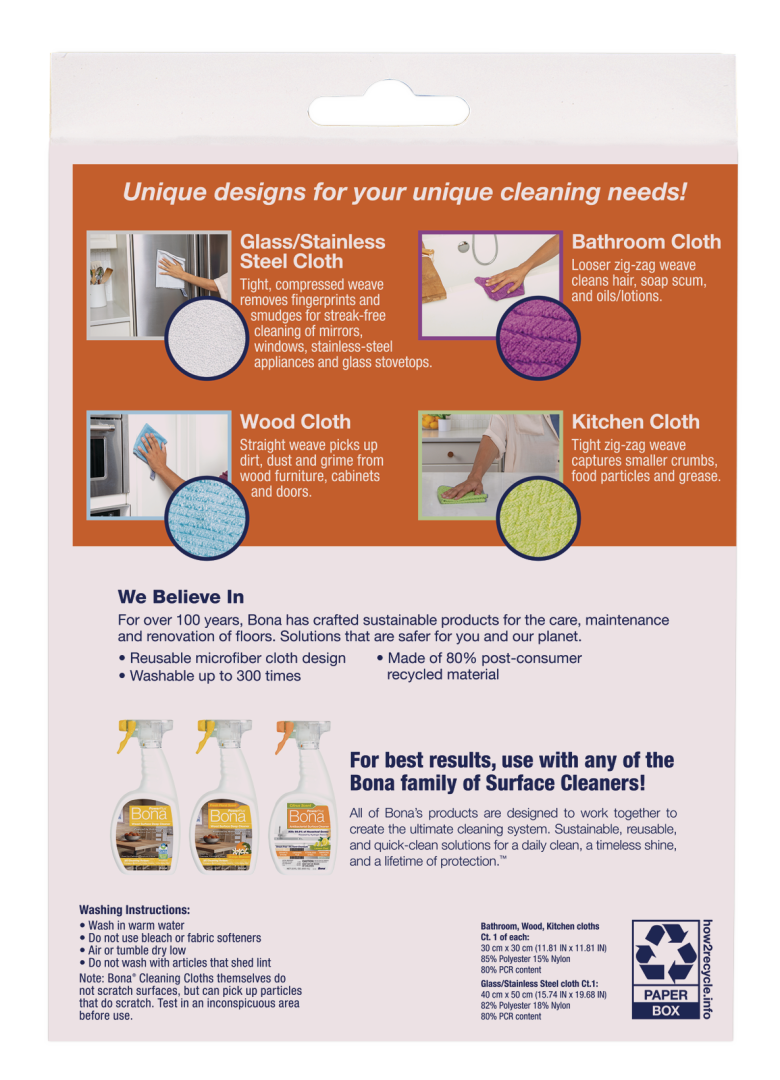
Microfiber cleaning cloths work well on many surfaces. They clean quickly without damage.
These cloths trap dirt and dust easily. They need less water and cleaning product.
Household Surfaces
Microfiber cloths clean kitchen counters, tables, and bathroom fixtures. They remove stains and fingerprints without scratching.
- Use dry cloth to dust shelves and furniture.
- Use damp cloth for wiping spills and stains.
- Clean glass and mirrors for a streak-free shine.
Automotive Care
These cloths help keep cars clean inside and out. They lift dirt without harming paint or surfaces.
| Car Area | Use | Benefit |
| Exterior Paint | Wet cloth with car wash soap | Removes dirt and grime gently |
| Windows and Mirrors | Dry cloth | Leaves no streaks or spots |
| Dashboard and Console | Lightly damp cloth | Clears dust without scratching |
Electronics Maintenance
Microfiber cloths clean screens and keyboards without damage. They remove fingerprints and dust safely.
- Use a dry microfiber cloth to wipe screens gently.
- For keyboards, use a slightly damp cloth to avoid moisture damage.
- Do not use harsh chemicals that can harm electronics.
Allergen And Bacteria Reduction
Microfiber cleaning cloths help reduce allergens and bacteria in your home. They capture tiny particles that other cloths leave behind.
Using microfiber cloths can improve your indoor air quality. They keep surfaces cleaner and safer for your family.
How Microfiber Traps Allergens
Microfiber cloths have very fine fibers that pick up dust, pollen, and pet dander. These allergens stick to the cloth instead of spreading in the air.
- Fibers are split to create more surface area
- Electrostatic charge attracts tiny particles
- Cloths hold allergens until washed
Reducing Bacteria On Surfaces
Microfiber cloths remove bacteria better than regular cloths. Their structure lifts bacteria off surfaces without chemicals.
| Type of Cloth | Bacteria Removed (%) |
| Microfiber Cloth | 99% |
| Cotton Cloth | 70% |
| Paper Towel | 50% |
Easy Cleaning And Maintenance
Microfiber cloths clean easily in washing machines. Proper care keeps them free of trapped allergens and bacteria.
Tips for cleaning microfiber cloths:
- Wash with warm water, no fabric softener
- Air dry or use low heat in dryer
- Keep cloths separate from other laundry
Cost-effective Cleaning Solution
Microfiber cleaning cloths offer a smart way to save money on cleaning. They last longer than regular cloths and reduce the need for cleaning products.
Using microfiber cloths cuts down on replacement costs and lowers your spending on chemicals. This makes them a budget-friendly choice for homes and businesses.
Long-lasting Durability
Microfiber cloths can be washed and reused many times without losing their quality. This reduces how often you need to buy new cloths.
- Resist tearing and fraying
- Maintain cleaning power after many washes
- Save money over time by buying less often
Less Need For Cleaning Products
Microfiber cloths clean effectively with just water. This lowers the cost spent on soaps and sprays.
| Cleaning Method | Cost Impact |
| Using microfiber with water only | Low |
| Using regular cloth with cleaning chemicals | High |
Reduced Waste And Replacement Frequency
Microfiber cloths create less waste. They do not need frequent replacing like paper towels or cheap cloths.
Key benefits include:
- Fewer cloths thrown away
- Less spending on disposable products
- Lower environmental impact
Proper Care And Maintenance
Microfiber cleaning cloths last longer with proper care. Taking simple steps helps keep them effective.
Good maintenance prevents damage and keeps the cloths soft and absorbent for daily use.
Washing Tips
Wash microfiber cloths separately from other laundry. Avoid fabric softeners and bleach. Use mild detergent and warm water.
- Use gentle detergent without additives
- Wash in warm water, not hot
- Do not use bleach or fabric softener
- Rinse thoroughly to remove soap
- Air dry or tumble dry on low heat
Storage Recommendations
Keep microfiber cloths clean and dry before storing. Store them in a dry, dust-free place to avoid dirt buildup.
| Storage Tip | Reason |
|---|---|
| Fold neatly | Prevents wrinkles and damage |
| Use a breathable container | Allows airflow to keep cloths fresh |
| Avoid damp areas | Stops mold and mildew growth |
| Separate clean from dirty cloths | Maintains hygiene and cleanliness |
Frequently Asked Questions
What Are Microfiber Cleaning Cloths Made Of?
Microfiber cloths are made from ultra-fine synthetic fibers, usually polyester and polyamide. These fibers create a dense texture that traps dirt, dust, and moisture effectively, making cleaning more efficient and streak-free.
How Do Microfiber Cloths Improve Cleaning Efficiency?
Microfiber cloths attract and hold dirt particles better than regular cloths. Their fine fibers reach into tiny crevices, reducing the need for chemicals. This leads to faster, more thorough cleaning with less effort.
Are Microfiber Cloths Reusable And Eco-friendly?
Yes, microfiber cloths are reusable and durable. They can be washed multiple times without losing effectiveness. Using them reduces disposable paper towel waste, making them an environmentally friendly cleaning option.
Can Microfiber Cloths Be Used On All Surfaces?
Microfiber cloths are safe for most surfaces, including glass, wood, and electronics. They clean without scratching or leaving lint. However, always check manufacturer recommendations for delicate surfaces.
Conclusion
Microfiber cloths clean surfaces quickly and effectively. They save water and reduce the need for chemicals. These cloths last longer than regular towels. They trap dust and dirt well, leaving no streaks. Using microfiber helps protect the environment and your health.
They work on many surfaces, from glass to wood. Cleaning becomes easier and less tiring with microfiber cloths. Small change, big benefits. Try microfiber cloths for a cleaner, greener home.