
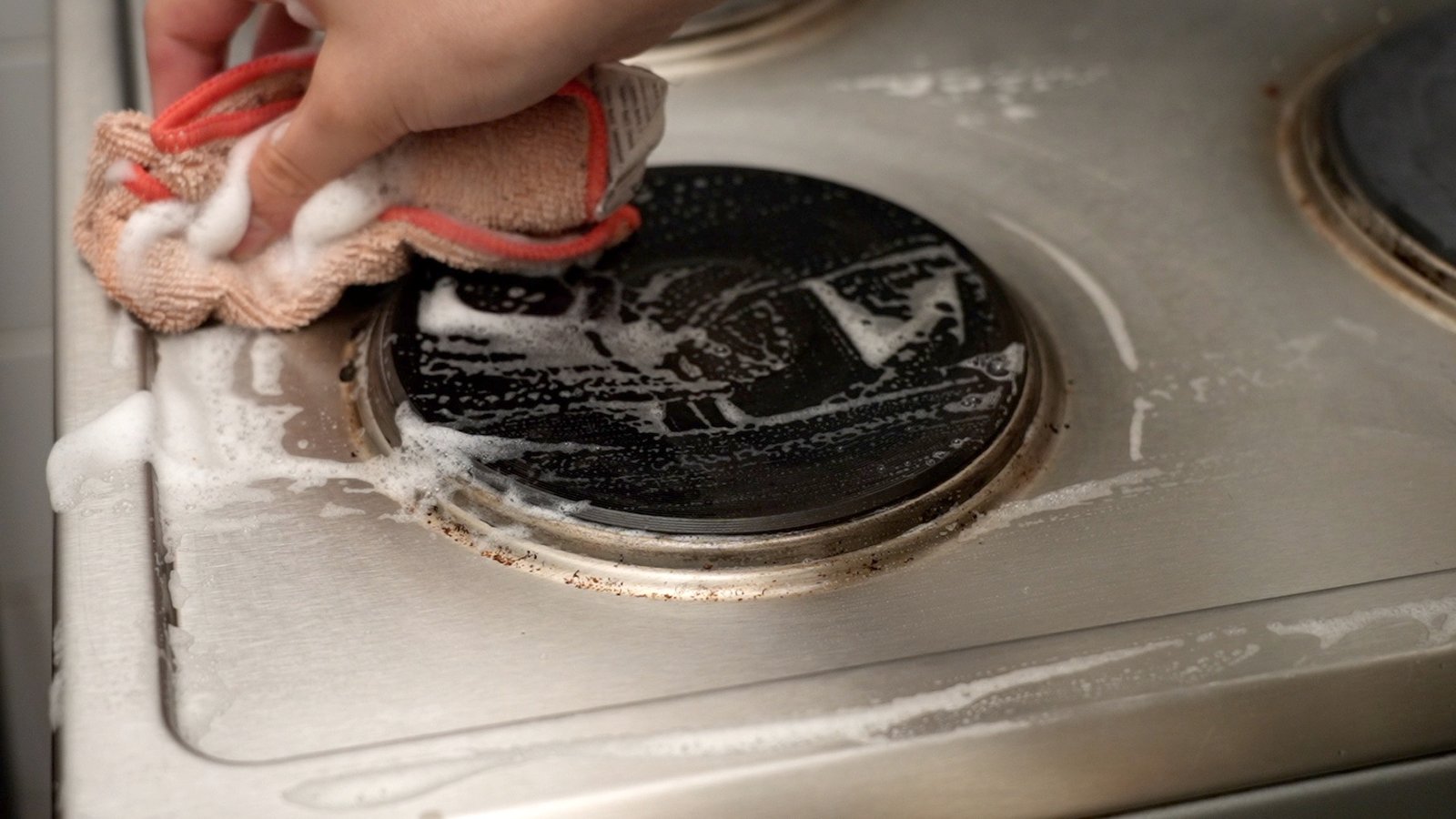
Grease on your stove can be stubborn and frustrating. It makes cooking less enjoyable and your kitchen look messy.
But what if you could remove that grease quickly and easily, without harsh chemicals or endless scrubbing? You’ll discover simple, effective ways to get your stove sparkling clean again. Keep reading, and you’ll learn tips that save you time and effort—making your cooking space fresh and inviting every day.

Credit: www.express.co.uk
The Importance Of A Grease-free Stove
A clean stove keeps your kitchen safe and healthy. Grease buildup can cause fires.
Removing grease helps your stove work better and last longer. It also stops bad smells.
Improves Kitchen Safety
Grease on the stove can catch fire easily. A grease-free stove lowers fire risks.
Cleaning grease removes slippery spots. This prevents accidents and injuries in the kitchen.
Enhances Cooking Efficiency
Grease blocks heat and makes cooking uneven. A clean stove cooks food faster and better.
It also saves energy because the stove does not work harder to heat food.
Prevents Unpleasant Odors
Old grease creates bad smells in your kitchen. Cleaning removes these odors quickly.
A fresh stove keeps your kitchen smelling clean and inviting for everyone.
Maintains Stove Appearance
Grease stains make your stove look dirty and old. Regular cleaning keeps it shiny.
A clean stove makes your kitchen look neat and well cared for.
Protects Your Health
Grease can attract germs and bacteria. A clean stove helps keep your food safe.
Removing grease reduces the chance of food contamination and illness.
Common Causes Of Grease Buildup
Grease buildup on stoves happens over time. It can make cooking areas dirty and unsafe.
Knowing the causes of grease buildup helps keep your stove clean and working well.
Cooking Oil And Food Residue
Oils and fats from cooking can splash and settle on stove surfaces. When heated, they turn sticky and hard to remove.
Spills And Overflows
Boiling pots or pans may spill over. These spills add grease and food particles to your stove, causing buildup.
Lack Of Regular Cleaning
Not cleaning the stove right after cooking lets grease harden. Over time, this becomes thick and tough to clean.
- Wipe stove surface after each use
- Clean spills immediately
- Use appropriate cleaning products
Using High Heat
Cooking on high heat can cause oils to burn and stick to the stove. This burnt grease creates stubborn stains.
Cooking Greasy Foods Often
Foods like bacon or fried dishes release more grease. Cooking these often leads to faster grease buildup on your stove.
| Cause | Description |
| Cooking Oil and Food Residue | Oils splash and harden on surfaces |
| Spills and Overflows | Boiling liquids spill and add grease |
| Lack of Regular Cleaning | Grease hardens when not cleaned |
| Using High Heat | Burnt oils stick and stain |
| Cooking Greasy Foods Often | More grease released from foods |
Essential Tools And Materials
Removing grease from your stove needs the right tools and materials. These help clean effectively and protect your stove surface.
Using proper cleaning supplies makes the task easier and faster. It also keeps your stove looking new for a long time.
Cleaning Cloths And Sponges
Soft cloths and sponges help wipe away grease without scratching the stove. Microfiber cloths are gentle and absorb grease well.
Degreasing Cleaners
Degreasing cleaners break down tough grease quickly. Choose a cleaner safe for stove surfaces. Avoid harsh chemicals that can damage your stove.
Scrapers And Brushes
Plastic scrapers help remove stuck grease without scratching. Small brushes can clean hard-to-reach areas around burners and knobs.
Protective Gloves
Wearing gloves protects your hands from chemicals and hot water. It also helps keep your hands clean during scrubbing.
List Of Essential Items
- Microfiber cloths or soft rags
- Non-abrasive sponges
- Degreasing stove cleaner
- Plastic scraper
- Small cleaning brush
- Rubber or latex gloves
- Warm water in a spray bottle
Natural Cleaning Solutions
Removing grease from your stove can be simple and safe. Natural cleaning solutions work well without harsh chemicals.
These ingredients are easy to find and gentle on surfaces. They help keep your kitchen clean and fresh.
Baking Soda And Vinegar
Baking soda and vinegar form a natural cleaner that breaks down grease. Baking soda scrubs, while vinegar dissolves oily residue.
Mix baking soda with water to make a paste. Spread it on the greasy stove surface. Spray vinegar over the paste and wait a few minutes.
- Apply baking soda paste on grease
- Spray vinegar on top
- Let sit for 5-10 minutes
- Wipe clean with a damp cloth
- Rinse and dry the area
Lemon Juice And Salt
Lemon juice cuts through grease with its natural acid. Salt acts as a scrub to remove stuck-on dirt.
Sprinkle salt on the greasy spots. Use a cloth soaked in lemon juice to scrub the surface gently. This method brightens and cleans the stove.
- Sprinkle salt on grease
- Use lemon juice on a cloth
- Scrub the stove gently
- Wipe with a clean damp cloth
- Dry the surface completely
Essential Oils
Essential oils add cleaning power and fresh scent. Tea tree and lemon oils have natural grease-fighting properties.
Add a few drops of essential oil to warm water and vinegar. Use this mix to wipe down greasy areas on your stove.
- Mix warm water, vinegar, and essential oil
- Apply solution with a cloth
- Scrub greasy spots gently
- Rinse with clean water
- Dry the stove surface
Chemical Cleaners For Tough Grease
Grease on stoves can be hard to remove with just soap and water. Chemical cleaners help break down tough grease quickly. They make cleaning easier and save time.
These cleaners use special ingredients to dissolve grease. You can find sprays, gels, and liquids designed for kitchen use. Always follow the instructions on the label for best results.
Choosing The Right Product
Pick a cleaner made for kitchen grease. Some products work better on heavy buildup. Look for ones that say they are safe for stove surfaces.
Check if the cleaner works on your stove type. Gas, electric, and glass top stoves may need different cleaners. Avoid harsh chemicals on delicate surfaces.
- Use degreasers labeled for kitchen or stove use
- Choose non-abrasive formulas for glass tops
- Select heavy-duty sprays for thick grease layers
- Test cleaner on a small area first
Safety Precautions
Chemical cleaners can irritate your skin and eyes. Always wear gloves to protect your hands. Open windows or turn on fans for good air flow.
Do not mix different cleaners. This can cause harmful fumes. Keep cleaners away from children and pets. Store them in a safe place after use.
- Wear rubber gloves and eye protection
- Use cleaners in a well-ventilated area
- Read and follow all label instructions
- Never mix cleaning products
- Keep away from children and pets
Step-by-step Cleaning Guide
Grease on your stove can build up and become hard to clean. Removing it keeps your kitchen fresh and safe. Follow this simple guide to clean grease easily.
This step-by-step process uses common tools and safe cleaners to get your stove spotless.
Preparation Steps
Start by turning off the stove and making sure it is cool. Remove any stove parts you can take off, like burners and grates.
Gather cleaning supplies such as gloves, a sponge, a soft brush, and your chosen cleaner.
- Turn off and cool down the stove
- Remove stove parts like burners and grates
- Gather gloves, sponge, brush, and cleaner
Applying The Cleaner
Spray or apply the cleaner on greasy areas. Let it sit for a few minutes to break down the grease.
Use a sponge or soft brush to scrub the grease gently. Avoid harsh tools that can scratch the stove surface.
- Apply cleaner to greasy spots
- Wait 5 minutes to let it work
- Scrub gently with sponge or soft brush
Rinsing And Drying
Wipe off the cleaner with a damp cloth. Make sure no cleaner residue remains on the stove.
Dry the stove with a clean towel. Put back any parts you removed after cleaning.
- Wipe cleaner away with damp cloth
- Check for leftover residue
- Dry stove with clean towel
- Replace stove parts
Preventive Measures To Reduce Grease
Grease buildup on your stove can make cooking messy and cleaning hard. Taking steps to prevent grease helps keep your stove clean and safe.
Simple actions during and after cooking stop grease from sticking to the stove surface. This saves time and effort in cleaning.
Regular Maintenance Tips
Clean your stove after each use to stop grease from hardening. Wipe spills right away with a damp cloth and mild soap.
Check the stove regularly for grease spots in hidden areas. Remove them quickly to avoid buildup that is hard to clean later.
- Use a soft cloth or sponge to avoid scratches
- Clean burner grates and knobs often
- Remove removable parts and soak them in warm soapy water
- Dry all parts before reassembling the stove
Protective Covers And Liners
Using protective covers or liners under burners catches grease and food spills. This stops grease from reaching the stove surface.
Replace liners regularly to keep them clean and effective. Choose liners made of heat-resistant materials for safety.
- Aluminum foil liners are easy to replace and cheap
- Silicone mats are reusable and easy to clean
- Protective covers reduce grease buildup on burners and stove top
- Liners help prevent stains and damage to stove surface
Troubleshooting Stubborn Stains
Grease stains on your stove can be tough to clean. Some stains need special care to come off.
This guide shows how to handle those hard-to-remove grease spots safely and effectively.
Use Baking Soda And Vinegar
Baking soda and vinegar create a natural cleaner. It breaks down grease without harsh chemicals.
Sprinkle baking soda on the stain. Spray vinegar over it and let it bubble for 10 minutes. Wipe clean with a damp cloth.
Apply Dish Soap And Hot Water
Dish soap cuts grease well. Use hot water to help dissolve the stain.
- Mix a few drops of dish soap with hot water.
- Soak a cloth in the mix and place it on the stain.
- Leave for 15 minutes to soften the grease.
- Scrub gently with a sponge and rinse.
Try Commercial Degreasers Safely
Use commercial degreasers if home methods fail. Follow label instructions for safety.
| Degreaser Type | Use Instructions | Safety Tips |
| Spray Degreaser | Spray on stain, wait 5 min, wipe clean | Wear gloves, ventilate area |
| Gel Degreaser | Apply gel, leave 10 min, scrub, rinse | Avoid skin contact, use in well-ventilated room |
| Foam Degreaser | Spray foam, wait 3-5 min, wipe off | Keep away from children and pets |
Avoid Scratching The Stove Surface
Use soft cloths or non-abrasive sponges. Avoid steel wool or hard brushes to prevent damage.
Tip:Test any cleaner on a small hidden area first to check for damage.
Eco-friendly Cleaning Alternatives
Removing grease from your stove can be tough. Many cleaning products contain harsh chemicals. These can harm the environment and your health.
Eco-friendly alternatives use natural ingredients. They clean well and are safe for your home and planet.
Use Baking Soda And Vinegar
Baking soda and vinegar work together to break down grease. Baking soda scrubs gently, while vinegar dissolves grease naturally.
Sprinkle baking soda on the greasy stove. Then spray vinegar on top. Let it fizz for a few minutes. Wipe clean with a damp cloth.
Make A Lemon Juice Cleaner
Lemon juice is a natural degreaser. It also leaves a fresh scent. Mix lemon juice with water for a simple cleaner.
- Mix equal parts lemon juice and water in a spray bottle.
- Spray on greasy areas of the stove.
- Let it sit for 5 to 10 minutes.
- Wipe with a soft cloth or sponge.
Try Castile Soap Solution
Castile soap is made from vegetable oils. It cleans grease without harsh chemicals. Mix a few drops with warm water for a mild cleaner.
Use a sponge dipped in the solution to scrub the stove. Rinse with clean water and dry with a cloth.
Compare Eco-friendly Cleaners
| Cleaner | Main Ingredient | Best For |
| Baking Soda & Vinegar | Baking Soda, Vinegar | Stubborn grease |
| Lemon Juice Spray | Lemon Juice | Light grease, fresh scent |
| Castile Soap Solution | Castile Soap | General cleaning |
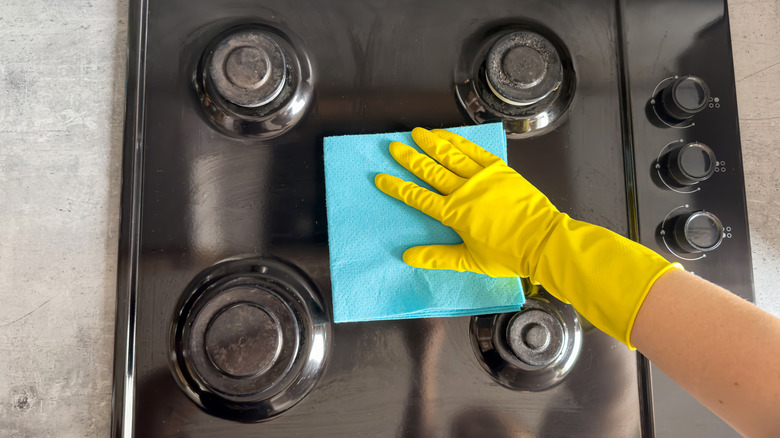
Credit: www.housedigest.com
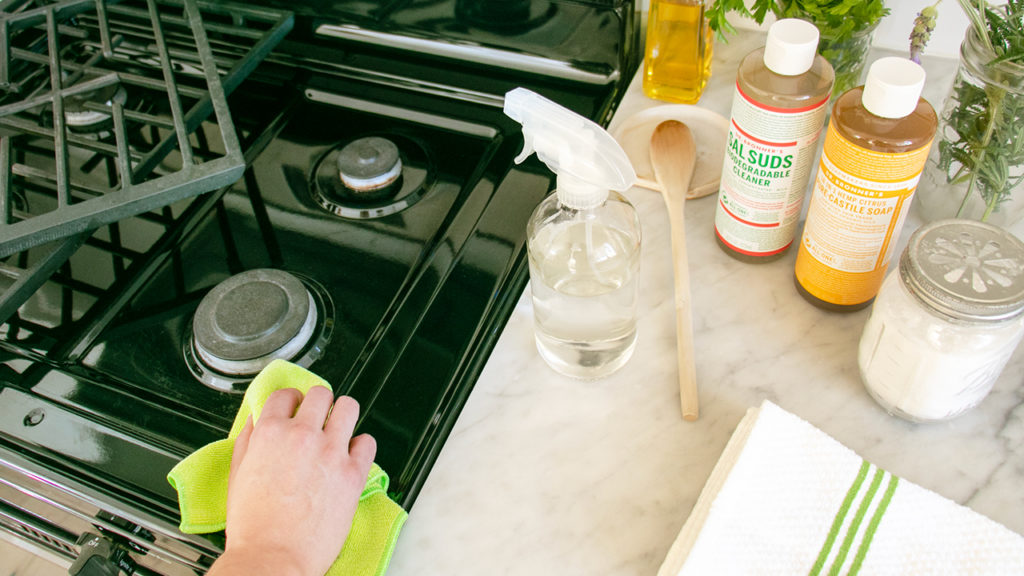
Credit: www.lisabronner.com
Frequently Asked Questions
How Do I Remove Grease From A Stove Quickly?
Use a mixture of warm water and dish soap. Apply it with a sponge, scrub gently, and rinse. For tough grease, use baking soda paste or vinegar spray. Always wipe dry to avoid streaks and maintain shine.
What Natural Cleaners Work Best On Stove Grease?
Baking soda and white vinegar are excellent natural cleaners. Baking soda acts as a gentle abrasive, while vinegar cuts through grease. Combine them for tough stains. They are safe, eco-friendly, and leave no harmful residues.
Can I Use Commercial Degreasers On My Stove?
Yes, commercial degreasers are effective for heavy grease. Choose one safe for your stove type. Follow the product instructions carefully. Always ventilate the area and wear gloves to protect your skin.
How Often Should I Clean Grease Off My Stove?
Clean grease after every use or at least weekly. Regular cleaning prevents buildup and makes removal easier. It keeps your stove hygienic, safe, and looking new longer.
Conclusion
Removing grease from your stove keeps it clean and safe. Use gentle cleaners and simple tools for best results. Regular cleaning stops grease buildup and makes cooking more pleasant. Stay consistent and patient with your cleaning routine. A clean stove also helps your kitchen look neat.
Try these easy tips to keep your stove shiny and fresh. Simple steps can make a big difference every day.