
Your kitchen cabinets are the heart of your cooking space, but over time, they can get grimy and dull. If you’ve been avoiding cleaning them because it feels like a big job, you’re not alone.
The good news? With the right tips, you can make your cabinets look fresh and spotless without spending hours or using harsh chemicals. Keep reading, and you’ll discover easy, effective ways to bring back that clean, inviting look to your kitchen cabinets—making your whole kitchen feel brand new.
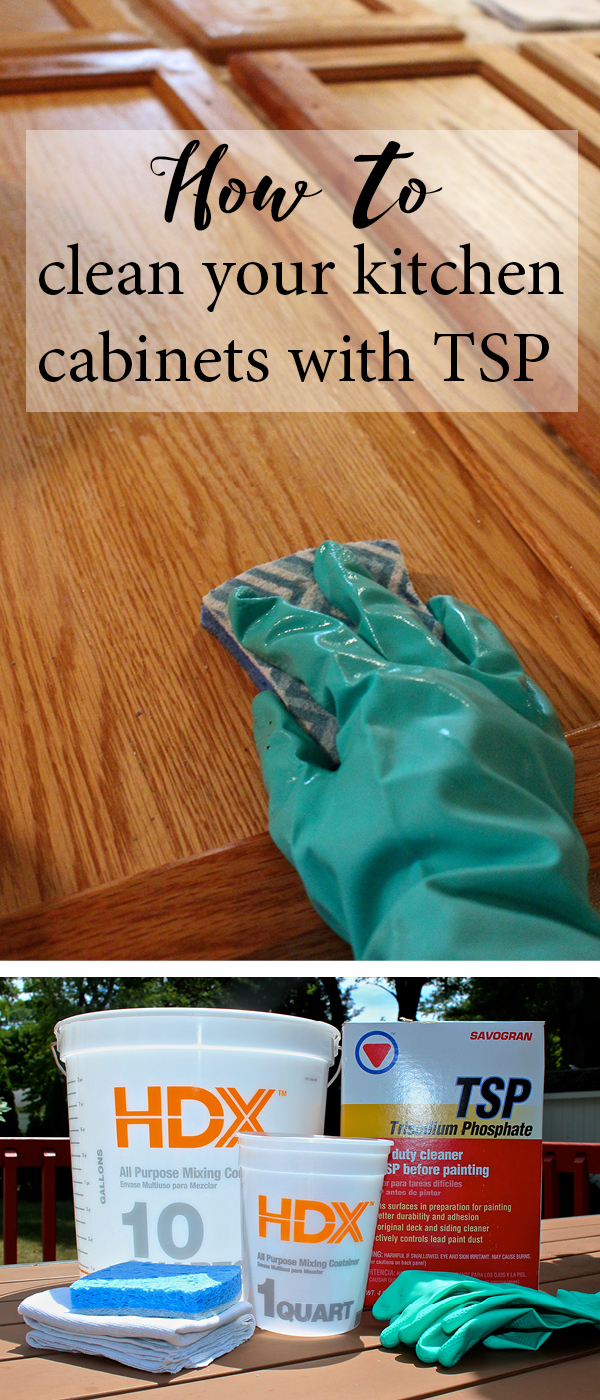
Gather Essential Cleaning Supplies
Cleaning kitchen cabinets is easier with the right tools. Having essential supplies ready saves time and effort.
Gathering supplies before you start helps you work efficiently and get better results.
Cleaning Cloths And Sponges
Soft cloths and sponges help remove dirt without scratching cabinet surfaces. Use microfiber cloths for best results.
Cleaning Solutions
Choose gentle cleaning solutions that do not harm cabinet finishes. Mild soap mixed with water works well for most cabinets.
Brushes And Toothbrushes
Small brushes and old toothbrushes clean hard-to-reach corners. They help remove grime and dust from edges and grooves.
Protective Gear
- Rubber gloves to protect your hands
- Old clothes or apron to avoid stains
- Mask if you use strong cleaning products
Optional Supplies
| Supply | Purpose |
| Vacuum Cleaner | Remove dust before wiping |
| Wood Polish | Restore shine after cleaning |
| Bucket | Mix water and cleaning solution |
Credit: kitchcrafteds.com
Remove Dust And Debris
Keeping your kitchen cabinets clean helps maintain their appearance. Dust and debris can build up over time. Removing them regularly prevents damage and keeps your kitchen fresh.
Start by clearing the cabinet surfaces. Use simple tools and gentle methods to avoid scratches or marks.
Use A Soft Cloth Or Duster
A soft cloth or duster can easily remove loose dust. Wipe all cabinet surfaces gently. Do not press too hard to avoid damage.
Vacuum Hard-to-reach Areas
Vacuum cleaners with brush attachments work well for corners and crevices. This helps remove dust and crumbs that settle in small spaces.
Tips For Effective Dust Removal
- Dust cabinets weekly to prevent buildup
- Use microfiber cloths for better dust capture
- Vacuum before wiping to avoid spreading dust
- Clean both inside and outside cabinet surfaces
- Pay attention to cabinet handles and edges
Avoid Using Harsh Chemicals
Harsh cleaners can damage cabinet finishes. Use mild soap and water if needed. Always test cleaning solutions on a small area first.
| Cleaning Tool | Use |
|---|---|
| Soft Cloth | Wipe surfaces and remove light dust |
| Duster | Quick dusting of flat areas |
| Vacuum with Brush | Clean corners and crevices |
| Mild Soap Solution | Remove sticky or greasy spots |
Create A Gentle Cleaning Solution
Cleaning kitchen cabinets requires care to avoid damage. A gentle cleaning solution keeps the cabinets safe and looking good.
Using common household items, you can make a solution that removes dirt without harsh chemicals.
Use Mild Soap And Warm Water
Mild dish soap mixed with warm water is a safe choice for cleaning cabinets. It cleans grease and grime without stripping finishes.
Add Natural Ingredients
Natural ingredients like vinegar and baking soda boost cleaning power. They break down stains gently and deodorize cabinets.
- Mix 1 cup warm water with 1 tablespoon vinegar
- Add a few drops of mild dish soap
- Use baking soda as a paste for tough spots
Test The Solution First
Always test your cleaning mix on a hidden cabinet spot. This check helps prevent damage or discoloration.
| Ingredient | Purpose | Amount |
|---|---|---|
| Warm Water | Base for solution | 1 cup |
| Vinegar | Removes stains and odors | 1 tablespoon |
| Mild Dish Soap | Breaks down grease | 3-5 drops |
| Baking Soda | Scrubs tough spots | 1 tablespoon (paste) |
Avoid Harsh Chemicals
Harsh cleaners can damage wood and finishes. Stick to gentle ingredients for safe cleaning.
Spot Treat Stubborn Stains
Kitchen cabinets often get stains from spills and cooking. Some stains are hard to remove with regular cleaning.
Spot treating helps remove these tough stains without damaging the cabinet surface.
Identify The Stain Type
First, look closely at the stain. Different stains need different cleaning methods.
Grease, ink, or food stains all react differently to cleaners.
Use Mild Cleaners
Start with gentle cleaners like dish soap and warm water. This keeps cabinets safe from damage.
Apply the cleaner with a soft cloth and rub the stain lightly.
Try Baking Soda Paste
Make a paste with baking soda and water for tougher stains. It works well on grease and food spots.
Apply the paste to the stain and let it sit for a few minutes before wiping it off.
Use Vinegar Solution Carefully
Mix equal parts vinegar and water for a natural cleaner. It can remove ink and other marks.
Test on a small hidden area first. Vinegar can harm some finishes.
Avoid Abrasive Tools
Do not use steel wool or rough scrubbers. They can scratch or damage cabinet surfaces.
Use soft cloths or sponges to clean stains gently.
Rinse And Dry Thoroughly
After spot treating, wipe the area with a clean damp cloth to remove cleaner residue.
Dry the cabinet well to prevent water damage or streaks.
Wipe Down With A Microfiber Cloth
Cleaning kitchen cabinets keeps them looking fresh and new. Using a microfiber cloth is a gentle and effective way to wipe down surfaces.
Microfiber cloths pick up dust and dirt without scratching the cabinet finish. They also absorb moisture well, making cleaning easy.
Choose The Right Microfiber Cloth
Select a soft, lint-free microfiber cloth made for cleaning. Avoid rough or colored cloths that may leave fibers or marks.
Use different cloths for dry dusting and wet wiping to keep your cabinets clean without spreading dirt.
Dry Dusting First
Start by wiping cabinets with a dry microfiber cloth. This removes loose dust and crumbs without wetting the surface.
Dry dusting prevents dirt from turning into sticky grime during cleaning. Use gentle strokes to avoid scratches.
Use A Damp Cloth For Deeper Cleaning
Lightly dampen the microfiber cloth with water or a mild cleaner to wipe away grease and stains. Avoid soaking the cloth.
Wring out excess moisture before wiping to protect cabinet material from water damage or warping.
Wipe In The Direction Of The Grain
Always wipe cabinets following the wood grain or surface pattern. This helps remove dirt and keeps the finish smooth.
Wiping against the grain can leave streaks or cause micro-scratches that dull the surface over time.
Rinse And Dry The Cloth Often
Rinse the microfiber cloth regularly during cleaning to avoid spreading dirt back onto cabinets. Use clean water for rinsing.
After wiping, dry the cabinets with a dry microfiber cloth to remove any moisture and prevent water spots.
Address Grease Buildup
Kitchen cabinets often get greasy from cooking oils and food splatters. Grease buildup makes cabinets look dirty and sticky.
Cleaning grease regularly keeps your cabinets fresh and shiny. Use simple ingredients found at home to clean effectively.
Use Vinegar And Water
Mix equal parts of white vinegar and water in a spray bottle. Vinegar cuts through grease and kills bacteria.
Spray the solution on greasy cabinet surfaces. Wipe with a soft cloth or sponge until the grease dissolves.
- Use a 1:1 ratio of vinegar to water
- Spray directly on grease spots
- Wipe gently with a clean cloth
- Dry with a separate towel to avoid streaks
Try Baking Soda Paste
Make a paste by mixing baking soda with a little water. Baking soda scrubs away tough grease without scratching.
Apply the paste to greasy areas using a soft cloth. Rub gently, then wipe off with a damp cloth and dry.
- Use 3 parts baking soda to 1 part water
- Apply paste to greasy spots
- Rub gently in circular motions
- Remove paste with a wet cloth
- Dry the surface after cleaning
Polish With Natural Oils
Natural oils are great for polishing kitchen cabinets. They clean and shine wood without harsh chemicals. Using oils also helps protect the wood from drying out.
This guide shows how to use olive oil and coconut oil to keep your cabinets looking fresh and clean.
Use Olive Oil
Olive oil is a natural polish that nourishes wood. It adds shine and removes grime gently. Mix olive oil with lemon juice for extra cleaning power.
- Mix 3 parts olive oil with 1 part lemon juice.
- Apply the mixture to a soft cloth.
- Rub the cloth on your cabinets in small circles.
- Wipe off any extra oil with a clean cloth.
- Repeat every few weeks to keep cabinets shiny.
Try Coconut Oil
Coconut oil works well as a polish and conditioner. It helps hide small scratches and adds a smooth finish. Use solid coconut oil or liquid fractionated oil.
| Type of Coconut Oil | Best Use | Notes |
| Solid Virgin Coconut Oil | Deep polishing | Warm before use for easy application |
| Fractionated Coconut Oil | Light polishing | Stays liquid at room temperature |
Maintain Regular Cleaning Routine
Keeping kitchen cabinets clean helps them last longer. Dirt and grease can build up fast in the kitchen.
Regular cleaning stops stains and damage. It also keeps your kitchen looking fresh and neat.
Set A Weekly Cleaning Day
Choose one day each week to clean your cabinets. This helps you stay consistent and not forget.
Cleaning weekly removes fresh dirt before it gets hard to clean. It also keeps your kitchen smelling good.
Use Gentle Cleaners
Pick mild soaps or cleaners made for wood or painted surfaces. Harsh chemicals can ruin cabinet finishes.
Mix warm water with a small amount of dish soap. Use a soft cloth to wipe the cabinets clean.
Wipe Spills Immediately
Clean spills as soon as you see them. This stops stains and sticky spots from forming.
Use a damp cloth to wipe spills. Dry the area well to avoid water damage.
Dust Cabinets Often
Dust can build up on cabinet surfaces and edges. It can make them look dull and dirty.
Use a dry microfiber cloth or duster. Dust your cabinets at least once a week to keep them shiny.
Check And Clean Cabinet Handles
Handles get greasy from hands and need regular cleaning. Dirty handles spread germs in the kitchen.
Wipe handles with a cloth soaked in mild soap and water. Dry them well to prevent rust or damage.
Avoid Common Mistakes
Cleaning kitchen cabinets seems easy, but many people make errors. These mistakes can harm the cabinets or leave them dirty.
Learn the right ways to clean your cabinets to keep them looking fresh and new.
Using Harsh Chemicals
Harsh cleaners can damage cabinet finishes. They may cause discoloration or peeling.
Choose gentle cleaners made for wood or laminate surfaces. Test on a small spot first.
Not Removing Dirt First
Cleaning without removing loose dirt can spread grime. It may scratch the cabinet surface.
Always wipe off dust and crumbs before using any cleaner.
Using Too Much Water
Water can seep into wood and cause swelling or damage. Excess moisture harms cabinet edges.
Use a damp cloth, not a wet one. Dry cabinets quickly after cleaning.
Ignoring Cabinet Hardware
Cabinet handles and knobs collect grease and dirt. Ignoring them leaves the cabinets looking dirty.
Remove hardware and clean separately for best results. Wipe hardware during cabinet cleaning.
Skipping Regular Cleaning
Waiting too long to clean makes dirt harder to remove. Stains may become permanent.
Clean cabinets regularly with mild cleaner. This keeps them fresh and easy to maintain.
Credit: www.thekitchn.com
Consider Cabinet Material Type
Cleaning kitchen cabinets well depends on the material they are made of. Different materials need different cleaning methods.
Knowing your cabinet type helps you avoid damage and keeps them looking good longer.
Wood Cabinets
Wood cabinets are common and look warm. Use a soft cloth and mild soap with water to clean them.
Do not soak wood with water. Dry them quickly to prevent warping or stains.
- Avoid harsh chemicals or abrasive scrubbers
- Use wood polish occasionally to keep shine
- Wipe spills quickly to avoid stains
Laminate Cabinets
Laminate cabinets have a smooth, plastic-like surface. They are easier to clean than wood.
Use warm water and mild dish soap for regular cleaning. Avoid strong cleaners that can dull the finish.
- Do not use abrasive pads that can scratch
- Dry with a soft cloth to avoid water spots
- Use a vinegar-water mix for tough grease stains
Painted Cabinets
Painted cabinets can chip or peel if cleaned too roughly. Use gentle cleaning methods.
Use a soft cloth with mild soap and water. Avoid scrubbing hard or using strong chemicals.
- Test cleaners on a small hidden area first
- Wipe spills immediately to prevent stains
- Use a microfiber cloth to avoid scratching paint
Credit: www.kraftmaid.com
Frequently Asked Questions
How Often Should I Clean Kitchen Cabinets?
Clean kitchen cabinets every two to four weeks to prevent grease buildup. Wipe with a damp cloth and mild cleaner for best results. Regular cleaning keeps cabinets looking fresh and extends their lifespan.
What Is The Best Cleaner For Kitchen Cabinets?
Use a gentle cleaner like diluted dish soap or vinegar solution. Avoid harsh chemicals that can damage cabinet finishes. Always test cleaner on a small area first to ensure safety.
How Do I Remove Grease From Kitchen Cabinets?
Mix warm water with dish soap and scrub gently using a soft cloth. For tough grease, use a baking soda paste or vinegar spray. Rinse and dry cabinets thoroughly after cleaning.
Can I Use Vinegar To Clean Kitchen Cabinets?
Yes, diluted vinegar is effective for cleaning and disinfecting cabinets. Mix one part vinegar with one part water. Avoid using on natural wood finishes, as vinegar may dull the surface.
Conclusion
Cleaning kitchen cabinets keeps your space fresh and tidy. Regular care stops dirt and grease build-up. Use gentle cleaners to protect the cabinet finish. Wipe spills quickly to avoid stains and damage. Small efforts make a big difference over time.
Keep tools handy for quick touch-ups. A clean kitchen feels welcoming and healthy. Try these tips to keep cabinets looking their best. Simple steps lead to lasting results. Enjoy a neat, bright kitchen every day.