
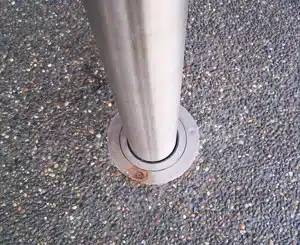
Are you tired of seeing dull spots and fingerprints ruin the look of your stainless steel surfaces? Keeping them shiny and spotless might seem tricky, but with the right steps, you can easily maintain their sleek appearance.
You’ll discover simple, effective tips to protect your stainless steel from stains, scratches, and fading. By following these easy tricks, your surfaces will look brand new for years to come. Ready to transform your stainless steel and keep it shining like a pro?
Let’s dive in!

Credit: surfacemaxx.com
Choosing The Right Cleaning Products
Maintaining stainless steel surfaces needs the right cleaning products. Using the wrong ones can damage the finish.
Pick cleaners that keep the steel shiny and avoid scratches or stains.
Avoid Harsh Chemicals
Harsh chemicals like bleach or chlorine can harm stainless steel. They may cause rust or discoloration.
Use mild cleaners that are safe for metal surfaces.
- Do not use bleach or chlorine products
- Choose pH-neutral or gentle cleaners
- Avoid abrasive powders or sprays
Use Non-abrasive Cleaners
Non-abrasive cleaners clean without scratching the surface. They keep stainless steel smooth and shiny.
Look for cream or liquid cleaners designed for delicate metals.
- Cream-based cleaners are gentle
- Liquid cleaners avoid scratches
- Always test on a small area first
Choose Cleaners With Stainless Steel Label
Cleaners labeled for stainless steel are safest to use. They help remove fingerprints and stains.
These products protect the surface and restore shine.
- Look for “stainless steel” on the label
- Check for instructions on use
- Use as directed for best results
Avoid Products With Chlorides
Chlorides can cause pitting and corrosion on stainless steel. Avoid cleaners with salt or chloride compounds.
Read ingredient lists carefully before buying cleaning products.
- Check for sodium chloride or chlorides
- Do not use products with salt-based ingredients
- Choose chloride-free cleaning solutions
Use Natural Cleaning Options
Natural cleaners like vinegar or baking soda work well on stainless steel. They clean without harsh chemicals.
These options are safe and eco-friendly for regular use.
- Use diluted vinegar for light cleaning
- Baking soda works for tough stains
- Rinse well after using natural cleaners

Credit: chemistrycachet.com
Daily Cleaning Routine
Keeping stainless steel surfaces clean every day helps them look new. Dirt and fingerprints can build up quickly. A simple routine prevents stains and damage.
Use easy methods to wipe and spot clean your surfaces. This saves time and keeps the steel shiny and smooth.
Quick Wipe Down
For daily cleaning, use a soft cloth and warm water. Wipe the surface gently to remove dust and light smudges. Avoid harsh scrubbing that can scratch the steel.
- Use a microfiber cloth for best results
- Apply warm water or a mild soap solution
- Wipe in the direction of the grain
- Dry the surface with a clean, dry cloth
- Do not use abrasive pads or bleach
Spot Cleaning Techniques
For stains or fingerprints, spot cleaning is important. Use gentle cleaners that do not harm the steel finish. Test new products on a small area first.
| Type of Spot | Recommended Cleaner | Cleaning Method |
| Fingerprints | Glass cleaner or vinegar solution | Spray and wipe with microfiber cloth |
| Water spots | White vinegar diluted with water | Apply, wait 5 minutes, then wipe dry |
| Grease stains | Dish soap and warm water | Use soft cloth to scrub gently |
| Rust spots | Baking soda paste | Rub gently, rinse, and dry |
Deep Cleaning Methods
Keeping stainless steel surfaces clean helps them last longer. Deep cleaning removes dirt and grime that simple wipes miss.
Use the right tools and cleaners to protect the shine and avoid damage. Regular deep cleaning keeps surfaces looking new.
Removing Stubborn Stains
Stubborn stains need stronger cleaning to come off stainless steel. Avoid harsh chemicals that can harm the surface.
Use a paste made from baking soda and water. Apply it to the stain and gently rub with a soft cloth.
- Mix baking soda and water into a thick paste
- Apply paste on the stained area
- Rub gently with a soft cloth or sponge
- Rinse with warm water and dry with a clean towel
Tackling Water Spots
Water spots leave marks on stainless steel that dull its shine. Clean them quickly to prevent buildup.
Use white vinegar to break down the spots. Spray it on, wipe with a soft cloth, then rinse and dry well.
- Spray white vinegar on water spots
- Let it sit for a few minutes
- Wipe with a soft, clean cloth
- Rinse with water and dry thoroughly
:max_bytes(150000):strip_icc()/spr-therapy-clean-stainless-steel-cleaner-and-polish-kenedee-fowler-4-8a0ff221eac045e788d09f4c87fd92b3.jpeg)
Credit: www.thespruce.com
Polishing For Shine
Keeping stainless steel surfaces shiny looks great and protects the metal. Polishing removes small scratches and restores the smooth finish.
Regular polishing helps stop rust and keeps surfaces easy to clean. Use the right tools and products for best results.
Best Polishing Products
Use polishing creams or pastes made for stainless steel. These products remove dullness and add shine. Choose non-abrasive options to avoid damage.
- Stainless steel polishing cream
- Microfiber polishing cloths
- Non-abrasive scrubbing pads
- Liquid metal polish
- Protective wax for stainless steel
Always follow product instructions and test on a small area first. This helps prevent unwanted marks or discoloration.
Diy Polishing Solutions
You can polish stainless steel using simple household items. These solutions gently clean and add shine without harsh chemicals.
- Mix baking soda with water to form a paste. Rub gently and rinse well.
- Use white vinegar on a soft cloth to wipe and polish surfaces.
- Olive oil can add shine after cleaning. Apply a small amount with a cloth.
- Toothpaste with baking soda also works for light scratches.
Use soft cloths and wipe in the direction of the grain. This prevents new scratches and improves shine.
Preventing Scratches And Damage
Stainless steel surfaces look great but can scratch easily. Preventing damage keeps them shiny and new longer.
Using the right cleaning tools and products is key to avoiding scratches and marks on stainless steel.
Using Soft Cloths And Sponges
Soft cloths and sponges clean stainless steel gently. They reduce the chance of scratching the surface.
- Use microfiber cloths for wiping and drying.
- Choose soft sponges instead of rough scrubbers.
- Rinse cloths and sponges often to remove dirt.
- Avoid using steel wool or brushes with hard bristles.
Avoiding Abrasive Cleaners
Abrasive cleaners can damage stainless steel by scratching or dulling the finish. Use mild cleaners instead.
| Abrasive Cleaners to Avoid | Safe Alternatives |
| Powdered scouring agents | Liquid dish soap |
| Bleach or chlorine-based products | Vinegar diluted with water |
| Ammonia | Mild soap solutions |
Handling Specific Stainless Steel Types
Stainless steel surfaces need care based on their finish and use. Different types require different cleaning methods.
Knowing how to handle each type helps keep the surface looking good and lasting longer.
Brushed Vs. Polished Finishes
Brushed stainless steel has small lines that give it a matte look. Polished stainless steel shines and reflects light.
- Clean brushed surfaces with a soft cloth and mild soap to avoid scratching the grain.
- Use circular motions to clean polished surfaces to keep the shine.
- Avoid abrasive cleaners on both types to prevent damage.
- Dry surfaces after cleaning to stop water spots from forming.
Special Care For Appliances
Appliances need gentle care to keep their stainless steel finish safe. Use proper cleaning tools and products.
| Appliance Type | Cleaning Tips | Products to Avoid |
|---|---|---|
| Refrigerators | Wipe with a damp microfiber cloth. Clean spills quickly. | Abrasive pads, bleach |
| Ovens | Use mild detergent and a soft sponge. Avoid harsh scrubbing. | Steel wool, acidic cleaners |
| Dishwashers | Clean with warm water and soft cloth. Check seals regularly. | Harsh chemicals, scrub brushes |
Eco-friendly Cleaning Tips
Keeping stainless steel surfaces clean helps them last longer. Using eco-friendly methods protects the environment. These tips use natural products that are safe and effective.
Simple changes in your cleaning routine can reduce harmful chemicals. This guide shows easy ways to keep your stainless steel shiny and green.
Natural Cleaners
Natural cleaners work well on stainless steel. They are gentle and do not harm the surface. You can make these cleaners with items from your kitchen.
Vinegar and baking soda are popular natural options. Vinegar removes water spots and streaks. Baking soda scrubs away tough stains without scratching.
- Mix equal parts water and white vinegar in a spray bottle.
- Spray on the surface and wipe with a soft cloth.
- Make a paste with baking soda and water for stains.
- Rub paste gently on the stain, then rinse and dry.
- Lemon juice can also brighten and clean stainless steel.
Reducing Chemical Use
Using fewer chemicals is better for health and nature. Avoid harsh cleaners that can damage surfaces and pollute water. Choose safer options and clean only when needed.
Try these tips to lower chemical use while cleaning stainless steel:
- Use microfiber cloths to clean with just water.
- Spot clean only dirty areas instead of the whole surface.
- Air dry surfaces to reduce the need for cleaners.
- Recycle or reuse old cloths to cut waste.
- Store natural cleaners in reusable containers.
Regular Maintenance Schedule
Stainless steel surfaces need regular care to stay shiny and clean. A good schedule helps prevent stains and damage.
Following simple weekly and monthly tasks keeps surfaces looking new for a long time.
Weekly Tasks
Clean stainless steel surfaces each week to remove dirt and fingerprints. Use a soft cloth and mild cleaner.
Wipe surfaces gently in the direction of the grain to avoid scratches and streaks.
- Use warm water and mild soap
- Wipe with a microfiber cloth
- Dry surfaces completely to prevent water spots
- Remove fingerprints and smudges
Monthly Deep Clean
Do a deep clean once a month to remove stubborn stains and build-up. Use special stainless steel cleaner or vinegar solution.
Check for any scratches or marks and treat them gently to keep the surface smooth.
- Apply stainless steel cleaner with a soft cloth
- Rinse with clean water
- Buff dry with a clean towel
- Use a vinegar-water mix for tough stains
- Avoid abrasive pads or harsh chemicals
Common Mistakes To Avoid
Keeping stainless steel surfaces clean is important for their look and durability.
Some mistakes can damage the surface or reduce its lifespan. Avoid these common errors.
Over-cleaning Risks
Cleaning stainless steel too often or with harsh methods can cause harm.
- Using abrasive pads can scratch the surface.
- Excessive scrubbing may remove protective coatings.
- Cleaning too frequently can wear down the finish.
- Strong chemicals can cause discoloration or corrosion.
- Leaving cleaning agents on too long can stain the steel.
Ignoring Manufacturer Guidelines
Each stainless steel product comes with care instructions. Following them protects your investment.
| Common Guideline | Why It Matters |
| Use recommended cleaners only | Prevents damage from harsh chemicals |
| Avoid abrasive tools | Keeps surface smooth and scratch-free |
| Dry after cleaning | Stops water spots and rust stains |
| Clean regularly but not too often | Maintains finish without wear |
Frequently Asked Questions
How Often Should I Clean Stainless Steel Surfaces?
Clean stainless steel surfaces weekly to maintain their shine. Use a soft cloth and mild detergent. Avoid abrasive cleaners that can scratch the surface. Regular cleaning prevents stains and keeps the metal looking new and polished.
What Is The Best Cleaner For Stainless Steel?
Use a mild dish soap mixed with warm water for daily cleaning. For tougher stains, use a stainless steel cleaner or vinegar solution. Avoid bleach or abrasive products to prevent damage and discoloration.
Can I Use Vinegar To Clean Stainless Steel?
Yes, vinegar effectively removes fingerprints and stains on stainless steel. Spray diluted vinegar, then wipe with a soft cloth. It restores shine and disinfects without harming the surface. Always rinse with water afterward to avoid residue.
How Do I Prevent Scratches On Stainless Steel?
Avoid using steel wool or abrasive pads. Use soft microfiber cloths for cleaning and drying. Be cautious with heavy or sharp objects that may scratch the surface. Regular gentle cleaning helps maintain a smooth finish.
Conclusion
Maintaining stainless steel surfaces keeps them shiny and strong. Clean regularly with gentle soap and water. Avoid harsh chemicals that can damage the finish. Dry surfaces well to prevent water spots and rust. Use soft cloths or sponges for cleaning.
Small scratches can be buffed out carefully. Consistent care helps your steel look new longer. Simple habits protect your investment and save money. Enjoy the beauty and durability of stainless steel every day.