
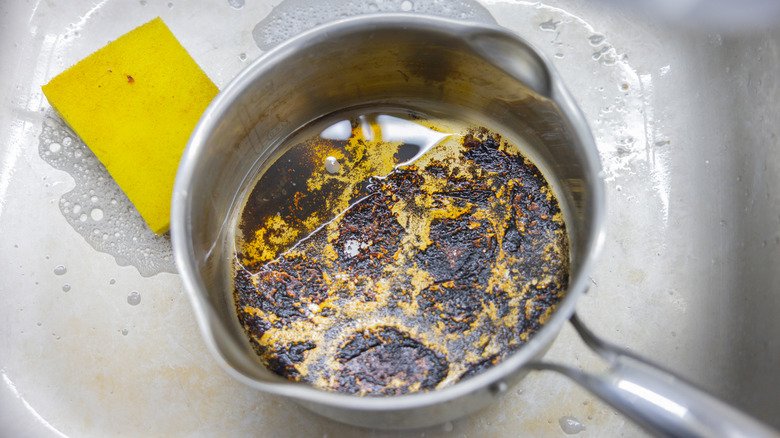
Have you ever struggled with burnt stains on your favorite pan and wondered if they could ever come off? Those stubborn marks can make your cookware look old and worn out, and you might think there’s no easy way to clean them.
But what if you could restore your pan’s shine without scrubbing for hours or using harsh chemicals? You’ll discover simple, effective methods to remove burnt stains quickly and safely. Keep reading, and you’ll learn how to bring your pan back to life with little effort—making your cooking experience more enjoyable every time.

Credit: www.reddit.com
Common Causes Of Burnt Stains
Burnt stains on pans happen often during cooking. These marks can be hard to clean.
Understanding what causes burnt stains helps prevent them and makes cleaning easier.
Cooking At High Heat
Using very high heat can burn food and leave dark marks on the pan. This often happens with oil or sauces.
High heat causes food to stick and burn quickly, creating tough stains.
Leaving Food Unattended
Not watching the pan while cooking can cause food to burn and stick to the surface. Burnt food creates stains.
Food can burn fast, especially when cooking sugary or thick sauces.
Using The Wrong Cookware
Some pans heat unevenly or react with food, causing burnt spots. Cheap or old pans can cause stains.
Non-stick pans are less likely to burn food if used properly.
Cooking With Sugary Ingredients
Sugar burns quickly and sticks to the pan surface. This leaves dark, hard stains that are difficult to remove.
Examples include caramel, syrups, and sauces with sugar.
Not Cleaning Pans Properly
Leaving food residue on pans after cooking can cause burnt stains over time. Old stains become harder to clean.
Regular cleaning prevents buildup and keeps pans stain-free.
Materials Needed For Stain Removal
Removing burnt stains from a pan needs the right materials. Using these tools makes cleaning easier and faster.
Gather all items before you start. This way, you can clean the pan without interruptions.
Cleaning Agents
Cleaning agents help break down burnt food and stains. Some are natural, while others are store-bought.
- Baking soda
- White vinegar
- Dish soap
- Commercial pan cleaner (optional)
Tools For Scrubbing
Use the right tools to avoid scratching your pan. Soft scrubbing works best for most pans.
| Tool | Use |
| Non-abrasive sponge | Gentle scrubbing |
| Steel wool | Heavy burnt areas only |
| Plastic scraper | Remove stuck food |
| Old toothbrush | Clean small corners |
Safety Items
Protect yourself while cleaning. Some chemicals can irritate skin or eyes.
- Rubber gloves
- Protective eyewear
- Apron or old clothes
Natural Cleaning Solutions
Burnt stains on pans can be tough to clean. Natural cleaning solutions use simple ingredients you find at home. These methods help remove stains without harsh chemicals.
Try these easy and safe ways to clean your pans and bring back their shine.
Vinegar And Baking Soda Method
This method uses vinegar and baking soda to lift burnt stains. Vinegar breaks down the burnt food, and baking soda acts as a gentle scrub.
- Pour enough vinegar to cover the burnt area.
- Heat the pan on low for a few minutes.
- Remove from heat and add baking soda.
- Let the fizzing stop, then scrub the stains gently.
- Rinse with warm water and dry the pan.
Lemon And Salt Scrub
Lemon and salt work well together to clean burnt pans. Lemon’s acid cuts grease, and salt acts as a natural scrubber.
| Ingredient | Purpose | How to Use |
| Lemon Juice | Breaks down stains | Rub on burnt area |
| Salt | Scrubs away residue | Sprinkle on pan, scrub with lemon |
Rub lemon and salt on the burnt spots. Let it sit for 10 minutes, then scrub and rinse.
Hydrogen Peroxide Paste
Hydrogen peroxide helps remove stubborn stains safely. Mix it with baking soda to make a paste for scrubbing.
How to make the paste:
- Mix 2 parts baking soda with 1 part hydrogen peroxide.
- Apply the paste on burnt stains.
- Let it sit for 15 minutes.
- Scrub gently with a sponge or cloth.
- Rinse and dry the pan.
Chemical Cleaners For Tough Stains
Burnt stains on pans can be hard to remove with regular scrubbing. Chemical cleaners help break down these tough stains. They make cleaning faster and easier.
This guide covers two types of chemical cleaners. Commercial stain removers and oven cleaners work well on burnt pans. Learn how to use them safely.
Commercial Stain Removers
Commercial stain removers are made for tough kitchen stains. They contain strong ingredients to dissolve burnt food and grease. Always follow the instructions on the label.
- Wear gloves to protect your skin.
- Apply the remover directly on the burnt area.
- Let it sit for 10 to 15 minutes.
- Use a scrubber or sponge to clean the pan.
- Rinse the pan thoroughly with water.
Using Oven Cleaners
Oven cleaners are strong and can remove very tough burnt stains. They work by breaking down baked-on food and grease. Use them in a well-ventilated area.
| Safety Tips | Usage Tips |
| Wear gloves and eye protection. | Spray oven cleaner on the burnt pan surface. |
| Keep area ventilated to avoid fumes. | Wait 20 minutes before scrubbing. |
| Avoid inhaling the cleaner. | Rinse pan well after cleaning. |
Mechanical Cleaning Techniques
Burnt stains on pans can be tough to remove. Mechanical cleaning uses physical tools to scrub and scrape the stains.
This method does not use chemicals. It relies on effort and the right tools to clean the pan surface.
Scrubbing With Steel Wool
Steel wool is a strong scrubber that can remove burnt food and stains. Use it gently to avoid scratching non-stick pans.
- Soak the pan in warm water for 10 minutes.
- Use steel wool to scrub the burnt areas in circles.
- Rinse the pan with clean water after scrubbing.
- Dry the pan with a soft cloth to prevent rust.
Utilizing A Scraper Tool
A scraper tool helps lift tough burnt bits without heavy scrubbing. It works best on flat pan surfaces.
| Scraper Type | Best Use | Care Tips |
| Plastic scraper | Non-stick pans | Use gently to avoid damage |
| Metal scraper | Stainless steel pans | Avoid on coated surfaces |
| Wooden scraper | Delicate surfaces | Good for light burnt spots |

Credit: food52.com
Preventing Future Burnt Stains
Burnt stains on pans are hard to clean. Preventing them saves time and keeps your cookware in good shape.
Use simple habits during cooking and cleaning to stop stains from forming.
Proper Cooking Techniques
Cooking with the right heat level helps avoid burnt stains. High heat can burn food and stick it to the pan.
Use enough oil or butter to create a barrier between food and pan. Stir food often to prevent sticking.
- Cook on medium or low heat for most dishes
- Add oil before heating the pan
- Stir food regularly during cooking
- Use non-stick pans for sticky foods
Regular Maintenance Tips
Clean your pans soon after use. This stops food residue from hardening and turning into burnt stains.
Use gentle scrubbers and mild soap. Avoid metal tools that can scratch and damage the pan’s surface.
- Wash pans with warm, soapy water after each use
- Soak pans if food is stuck before scrubbing
- Use soft sponges or cloths for cleaning
- Dry pans completely to prevent rust or damage
When To Replace Your Pan
Knowing when to replace your pan helps keep your cooking safe and easy. Old pans can affect food taste and quality.
This guide shows signs that tell you it is time to get a new pan.
Visible Damage On The Surface
Look for scratches, cracks, or peeling on the pan’s surface. These damages make cooking harder and can release harmful materials.
Uneven Heating And Warping
If your pan heats unevenly or warps, food may cook poorly. Warping often happens after repeated high heat use.
Stubborn Burnt Stains That Won’t Come Off
Burnt stains can often be cleaned, but if they stay after many tries, the pan may be too damaged to use.
- Test cleaning with baking soda and vinegar
- Try scrubbing with a gentle abrasive pad
- If stains remain, consider replacing the pan
Loss Of Non-stick Coating
The non-stick layer wears off after time. Food sticks more, and cleaning becomes tough. This is a clear sign to replace your pan.
Health And Safety Concerns
| Issue | Why Replace |
| Scratches or peeling | May release toxic materials |
| Warping | Uneven cooking, unsafe handling |
| Old non-stick coating | Food sticks, harder to clean |
| Burnt residue | Can affect food taste and safety |
Credit: www.vermicular.us
Frequently Asked Questions
How Do I Remove Burnt Stains From A Stainless Steel Pan?
To remove burnt stains, soak the pan in warm soapy water. Use baking soda and vinegar to scrub gently. Rinse well and dry. This method restores shine without damaging the surface.
Can Baking Soda Effectively Clean Burnt Pan Stains?
Yes, baking soda is a natural abrasive that lifts burnt residues. Make a paste with water, apply on stains, and scrub softly. It’s safe and eco-friendly for most cookware types.
What Household Items Remove Burnt Stains From Non-stick Pans?
Use a mixture of baking soda and water to create a paste. Apply it on the stain and let it sit for 15 minutes. Gently scrub with a soft cloth to avoid damage.
Is Vinegar Good For Cleaning Burnt Stains On Pans?
Vinegar helps break down burnt food residues due to its acidity. Mix vinegar with water, boil in the pan, then scrub after cooling. It’s effective and safe for many pan materials.
Conclusion
Burnt stains on pans can be tough but not impossible to remove. Simple household items like baking soda and vinegar work well. Scrubbing gently saves your pan from damage. Regular cleaning helps avoid tough stains later. Try these easy steps to keep your pans clean and shiny.
With a little effort, your pans look almost new again. Cleaning becomes less of a chore and more of a habit. Give these tips a try and enjoy cooking without worry.