
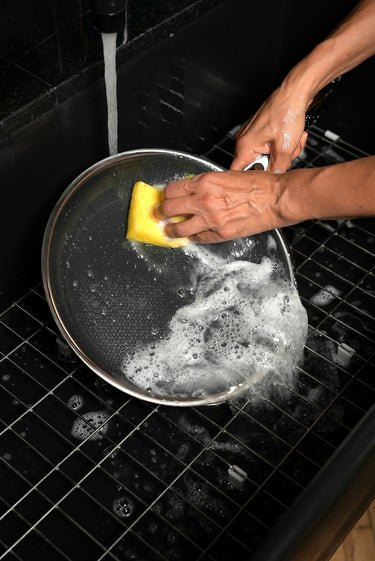
Your non-stick pans are a kitchen treasure, making cooking and cleanup easier. But if you’re not careful, you can damage their coating and shorten their life.
Want to keep your pans looking and working like new? Keep reading. These simple tips for cleaning non-stick pans will help you protect your investment and make every meal a joy to prepare. You’ll discover easy steps that save you time and hassle, so your pans stay in top shape for years to come.

Credit: circulon.uk.com
Choosing The Right Tools
Cleaning non-stick pans needs special care. Using the wrong tools can damage the surface.
Pick tools that clean well without scratching or wearing off the coating.
Soft Sponges And Cloths
Use soft sponges or cloths to clean non-stick pans. Rough materials can scratch the surface.
Look for sponges labeled safe for non-stick cookware.
- Use non-abrasive sponges
- Avoid steel wool or rough scrubbers
- Microfiber cloths work well for gentle cleaning
Plastic Or Silicone Scrapers
Plastic or silicone scrapers help remove stuck food safely. They do not harm the coating.
Choose scrapers with smooth edges to prevent scratches.
- Use to gently lift food bits
- Good for baked-on residue
- Do not use metal tools
Mild Dish Soap
Mild dish soap cleans non-stick pans without damaging the surface. Strong chemicals can wear the coating.
Use gentle soap with warm water for best results.
- Choose soap labeled gentle or mild
- Avoid harsh or abrasive cleaners
- Rinse pans well after washing
Avoid Metal Utensils And Brushes
Metal utensils and brushes can scratch and damage non-stick pans. Scratches reduce the pan’s life.
Always choose tools made of plastic, wood, or silicone.
- Do not use metal scrubbers
- Avoid metal forks and knives for cleaning
- Select wooden or silicone utensils for cooking and cleaning
Using Gentle Cleaners
Cleaning non-stick pans needs care to keep the coating safe. Harsh cleaners can damage the surface.
Gentle cleaners clean well without scratching or wearing down the pan. They help your pan last longer.
Choose Mild Dish Soap
Use a mild dish soap to clean your non-stick pans. It removes grease and food without harm.
Avoid soaps with strong chemicals or bleach. They can break down the non-stick coating over time.
Try Baking Soda For Tough Stains
Baking soda is a gentle cleaner that lifts stains without harsh chemicals. It is safe for non-stick pans.
Make a paste with water and baking soda. Apply it to the pan, wait a few minutes, then scrub softly.
Use Soft Cleaning Tools
Clean your pans with soft sponges or cloths. Avoid steel wool or rough scrubbers that scratch the surface.
- Soft sponge or dishcloth
- Non-abrasive scrubber
- Avoid metal brushes or pads
Avoid Strong Chemical Cleaners
Strong chemical cleaners can damage non-stick coatings quickly. Stay away from oven cleaners or bleach.
Stick to natural or mild cleaning products to keep your pans safe and effective for cooking.
Avoiding Abrasive Materials
Non-stick pans need gentle care to keep their coating safe. Using harsh materials can damage the surface.
Cleaning with soft tools helps the pan last longer and stay non-stick.
Use Soft Sponges Or Cloths
Soft sponges or cloths clean non-stick pans without scratching them. Avoid steel wool or rough scrubbers.
These gentle materials remove food without hurting the pan’s surface.
Avoid Harsh Scrubbing Pads
Scrubbing pads with rough surfaces can wear down the non-stick coating. This reduces the pan’s effectiveness.
Stick to soft or non-abrasive pads designed for delicate cookware.
Skip Abrasive Cleaners
Abrasive powders or strong chemicals can damage the non-stick layer. They cause scratches and peeling.
Use mild dish soap and warm water to clean your pans safely.
Let Food Soften Before Cleaning
Soak pans in warm water to loosen stuck food. This helps avoid harsh scrubbing and keeps the coating safe.
Softened food cleans off easily with a soft sponge.
Proper Washing Techniques
Non-stick pans need special care to keep their coating safe. Using the right washing techniques helps the pan last longer.
Cleaning your non-stick pans properly removes food without damaging the surface. This keeps them working well for cooking.
Hand Washing Best Practices
Hand washing is the safest way to clean non-stick pans. Use warm water and a soft sponge to avoid scratches.
Do not use steel wool or abrasive scrubbers. These can damage the non-stick coating and reduce the pan’s life.
- Use mild dish soap and warm water
- Gently scrub with a soft sponge or cloth
- Rinse thoroughly to remove soap
- Dry with a soft towel immediately
- Avoid soaking pans for a long time
Safe Dishwasher Use
Some non-stick pans say they are dishwasher safe. Check the manufacturer’s instructions before using a dishwasher.
Dishwashers can wear down the coating over time. Use the gentle cycle and mild detergent if you choose this method.
- Place pans on the top rack only
- Use a mild dishwasher detergent
- Choose a low heat or gentle cycle
- Remove pans quickly after the cycle ends
- Hand dry to keep the coating strong
Stubborn Stain Solutions
Non-stick pans are easy to use but stains can be hard to remove. Some stains stay even after washing.
Using simple home ingredients helps clean these tough stains gently and safely.
Baking Soda Paste
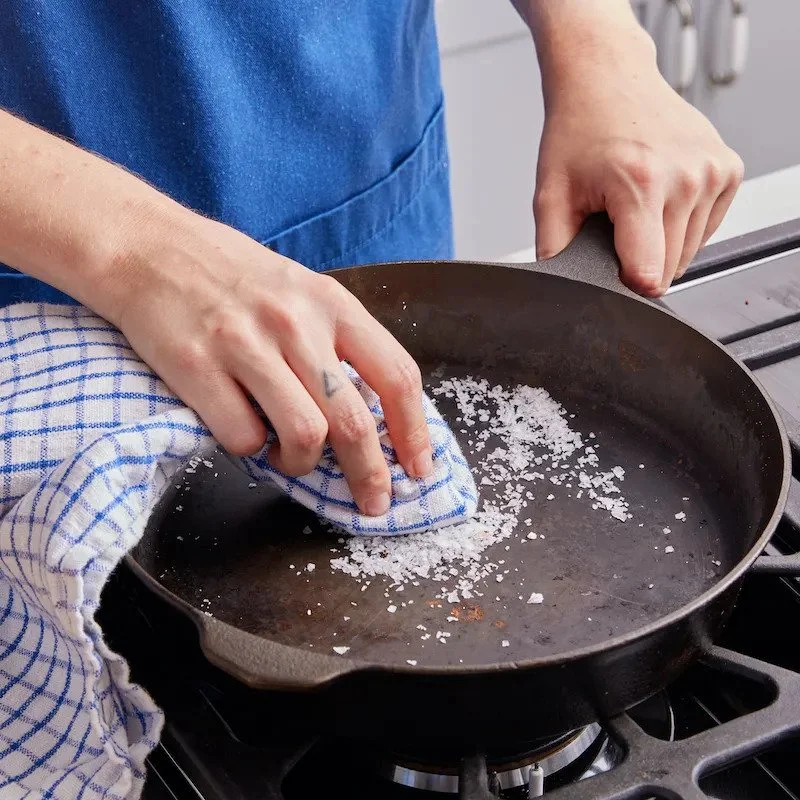
Baking soda paste works well to remove stuck-on food and stains. It is mild and won’t scratch the pan.
Mix baking soda with a little water until it forms a thick paste. Spread it on the stained areas.
- Let the paste sit for 15 to 20 minutes.
- Use a soft sponge to scrub the stains gently.
- Rinse the pan with warm water to remove all residue.
Vinegar And Water Soak
Vinegar and water soak helps dissolve grease and burnt food stuck to non-stick pans.
Fill the pan with equal parts of white vinegar and water. Heat it on low for a few minutes.
- Let the solution cool down before handling the pan.
- Pour out the liquid and scrub gently with a soft sponge.
- Wash the pan with soap and water afterward.
Credit: blog.blueapron.com
Preventing Damage
Non-stick pans make cooking and cleaning easy. You can keep them working well longer by preventing damage.
Some simple habits help protect the pan’s coating. This guide shows how to care for your non-stick pans.
Temperature Control
High heat can ruin non-stick pans. It breaks down the coating and makes it less non-stick.
- Use low or medium heat for cooking.
- Do not preheat the pan empty for a long time.
- Turn off heat right after cooking to cool the pan slowly.
- Avoid sudden temperature changes like putting a hot pan in cold water.
Avoiding Metal Utensils
Metal spoons and forks can scratch the non-stick surface. These scratches reduce the pan’s performance.
| Safe Utensils | Unsafe Utensils |
|---|---|
| Wooden spatulas | Metal forks |
| Silicone spoons | Metal whisks |
| Plastic turners | Metal tongs |
Maintaining Non-stick Coating
Non-stick pans make cooking easier and cleaning faster. To keep their coating safe, you must care for them properly.
Simple habits can extend the life of your pans and keep food from sticking.
Regular Seasoning
Seasoning your non-stick pan helps keep the surface smooth and non-sticky. It builds a protective layer that stops damage.
- Heat the pan on low for a few minutes.
- Apply a small amount of cooking oil using a paper towel.
- Spread the oil evenly over the entire surface.
- Let the pan cool, then wipe off extra oil.
- Repeat this every few weeks or after deep cleaning.
Storage Tips
Proper storage stops scratches and keeps the coating intact. Avoid stacking pans directly without protection.
| Storage Method | Benefit |
| Use pan protectors or cloth between pans | Prevents scratches and coating damage |
| Hang pans using hooks | Keeps pans separate and safe |
| Store in a dry place | Prevents rust on metal parts |
| Keep lids separate or upside down | Avoids pressure on the coating surface |
When To Replace Non-stick Pans
Non-stick pans make cooking and cleaning easier. But they do not last forever.
Knowing when to replace your non-stick pan helps keep food safe and tasty.
Scratches And Peeling Coating
Look for scratches or peeling on the pan’s surface. These signs mean the coating is damaged.
Damaged coating can cause food to stick and may release harmful particles into food.
Food Sticks More Often
When food starts sticking a lot, the non-stick layer is not working well.
This means it is time to replace the pan for better cooking results.
Warped Or Bent Shape
If the pan is warped or bent, it won’t heat evenly. This damages food and the pan.
Replace warped pans to avoid uneven cooking and wasted food.
Discoloration Or Rust Spots
Discoloration or rust on the pan means the surface is breaking down.
Rust can harm your health. It is safer to replace the pan if you see rust spots.
Old Age And Frequent Use
Non-stick pans usually last 3 to 5 years with regular use.
If your pan is older and shows wear, it is time to buy a new one.

Credit: medium.com
Frequently Asked Questions
How Do I Clean Non-stick Pans Without Damaging Them?
Use a soft sponge and warm, soapy water. Avoid abrasive scrubbers and harsh detergents. Hand wash gently to preserve the coating.
Can I Put Non-stick Pans In The Dishwasher?
Most non-stick pans are dishwasher-safe but hand washing is recommended. Dishwashers can degrade the coating over time and reduce its lifespan.
What Is The Best Way To Remove Stuck-on Food?
Soak the pan in warm soapy water for 10-15 minutes. Then use a soft sponge to gently scrub off residue without scratching.
How Often Should I Deep Clean Non-stick Pans?
Deep clean your non-stick pans once a month. This helps remove build-up and keeps the non-stick surface effective and safe.
Conclusion
Cleaning non-stick pans does not need to be hard. Use soft sponges and gentle soap to keep the surface safe. Avoid metal tools that can scratch the coating. Wash your pan soon after cooking to stop food from sticking. Dry it well before storing.
These small steps help your pan last longer and work better. Keep your kitchen tools clean and enjoy cooking every day. Simple care makes a big difference. Try these tips for easy, safe cleaning. Your non-stick pans will thank you.