
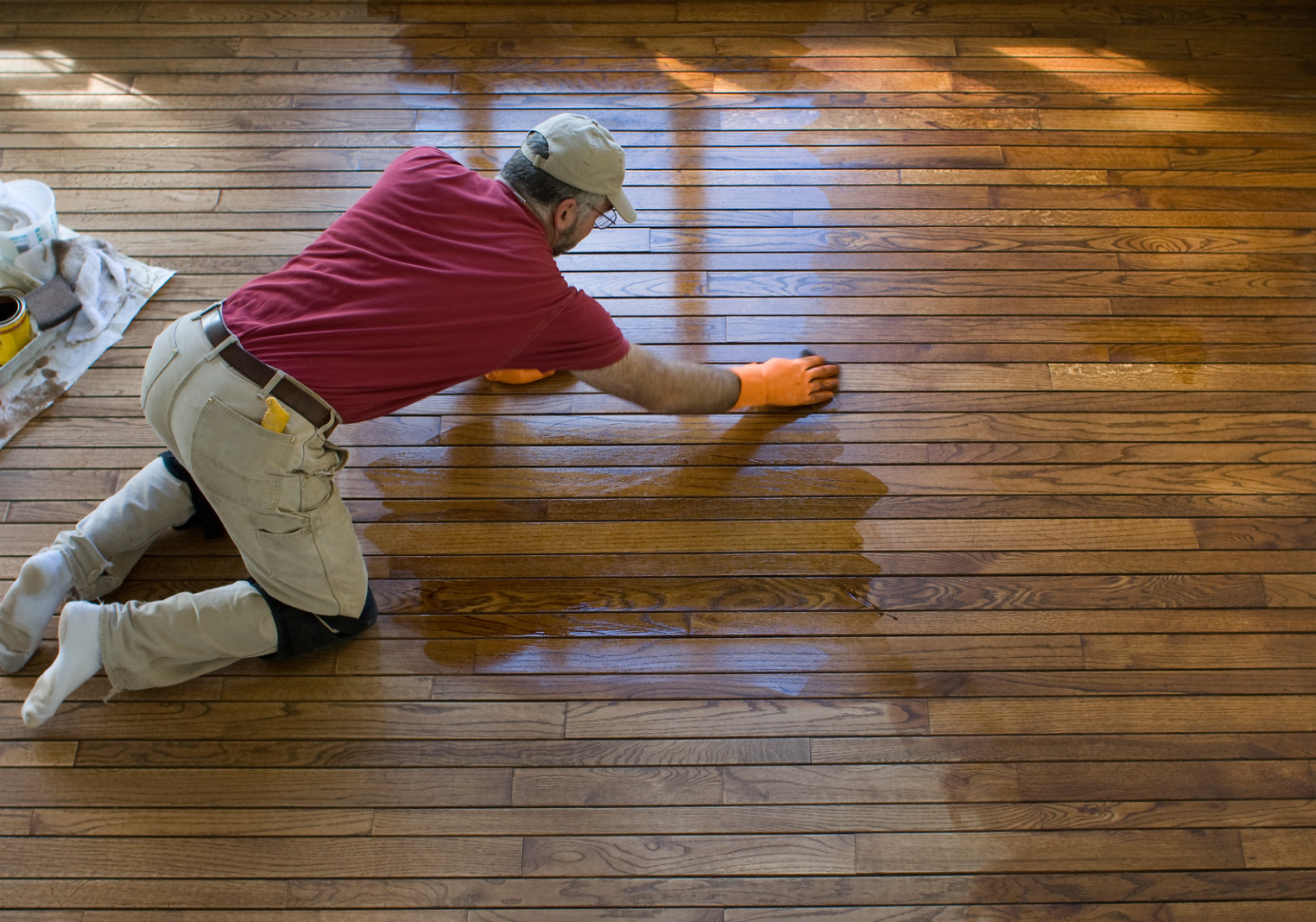
Your hardwood floors can transform the look of your entire home, adding warmth and elegance that few other materials can match. But to keep them looking beautiful, you need the right care and attention.
If you want to avoid scratches, dullness, and costly repairs, learning how to maintain hardwood floors is essential. You’ll discover simple, practical tips that anyone can follow to protect your investment and enjoy stunning floors for years to come. Ready to make your hardwood floors shine like new?
Let’s dive in.
Choosing The Right Cleaning Products
Maintaining hardwood floors starts with using the right cleaning products. The wrong products can damage the wood or finish. Choose cleaners made for hardwood floors to keep them looking good.
Many products claim to clean floors, but not all are safe for hardwood. This guide helps you pick safe and effective options.
Avoid Harsh Chemicals
Strong chemicals can strip the finish or stain the wood. Stay away from bleach, ammonia, and abrasive cleaners. These can cause lasting damage.
Use Ph-neutral Cleaners
Choose cleaners with a neutral pH. They clean well without harming the wood or finish. These cleaners help keep the floor’s shine and durability.
Check For Residue-free Formulas
Some cleaners leave a sticky film on floors. This can attract dirt and dull the surface. Pick products labeled as residue-free to avoid buildup.
Compare Popular Cleaning Products
| Product Type | Safe for Hardwood | Common Ingredients |
| Vinegar Solution | Use with caution | Water, vinegar |
| Commercial Hardwood Cleaner | Yes | pH-neutral agents |
| Soap-Based Cleaner | Yes, if mild | Mild detergents |
| Ammonia-Based Cleaner | No | Ammonia |
Test Products On Small Area
Always test new cleaning products on a small, hidden spot. This shows if the cleaner harms or discolors the floor. Wait to see results before full use.
- Apply cleaner to a small patch
- Wait 24 hours to check for damage
- Look for color change or dullness
- Discard product if damage appears
Daily Cleaning Routine
Keeping hardwood floors clean every day helps maintain their shine and durability. A simple routine removes dirt and prevents damage.
Focus on removing dust and cleaning small spots to keep your floors looking fresh and polished.
Dust And Debris Removal
Dust and debris can scratch hardwood floors if not removed daily. Use soft cleaning tools to protect the surface.
- Use a microfiber dust mop or soft broom to gather dust.
- Vacuum with a floor-brush attachment to avoid scratches.
- Clean high-traffic areas more often to prevent buildup.
- Remove shoes at the door to reduce dirt on floors.
- Keep rugs and mats clean to trap dust and grit.
Spot Cleaning Techniques
Spills and stains can damage hardwood floors quickly. Clean spots as soon as possible to protect the finish.
| Type of Spot | Cleaning Method |
| Water Spills | Wipe immediately with a dry cloth to avoid warping. |
| Grease or Oil | Use a damp cloth with a small amount of dish soap, then dry. |
| Sticky Residue | Gently scrub with a soft cloth and mild cleaner made for wood. |
| Pet Stains | Blot with a damp cloth, then apply an enzyme cleaner if needed. |
Weekly And Monthly Maintenance
Keeping hardwood floors clean helps them last longer. Regular care stops dirt and damage.
Follow simple weekly and monthly routines to keep floors shiny and healthy.
Vacuuming Best Practices
Vacuum floors once a week to remove dust and dirt. Use a vacuum with a soft brush.
Avoid vacuums with beater bars that can scratch the wood surface.
- Use a vacuum designed for hardwood floors
- Vacuum along the grain of the wood
- Empty the vacuum bag or canister regularly
- Check the brush for any stuck debris before use
Mopping Tips And Tricks
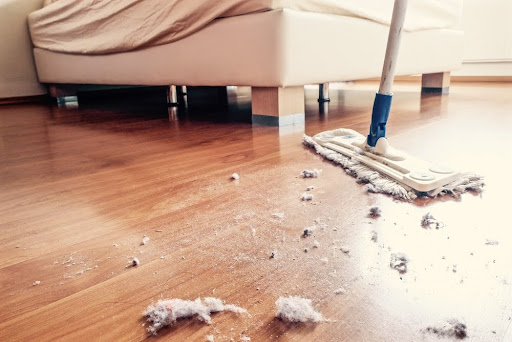
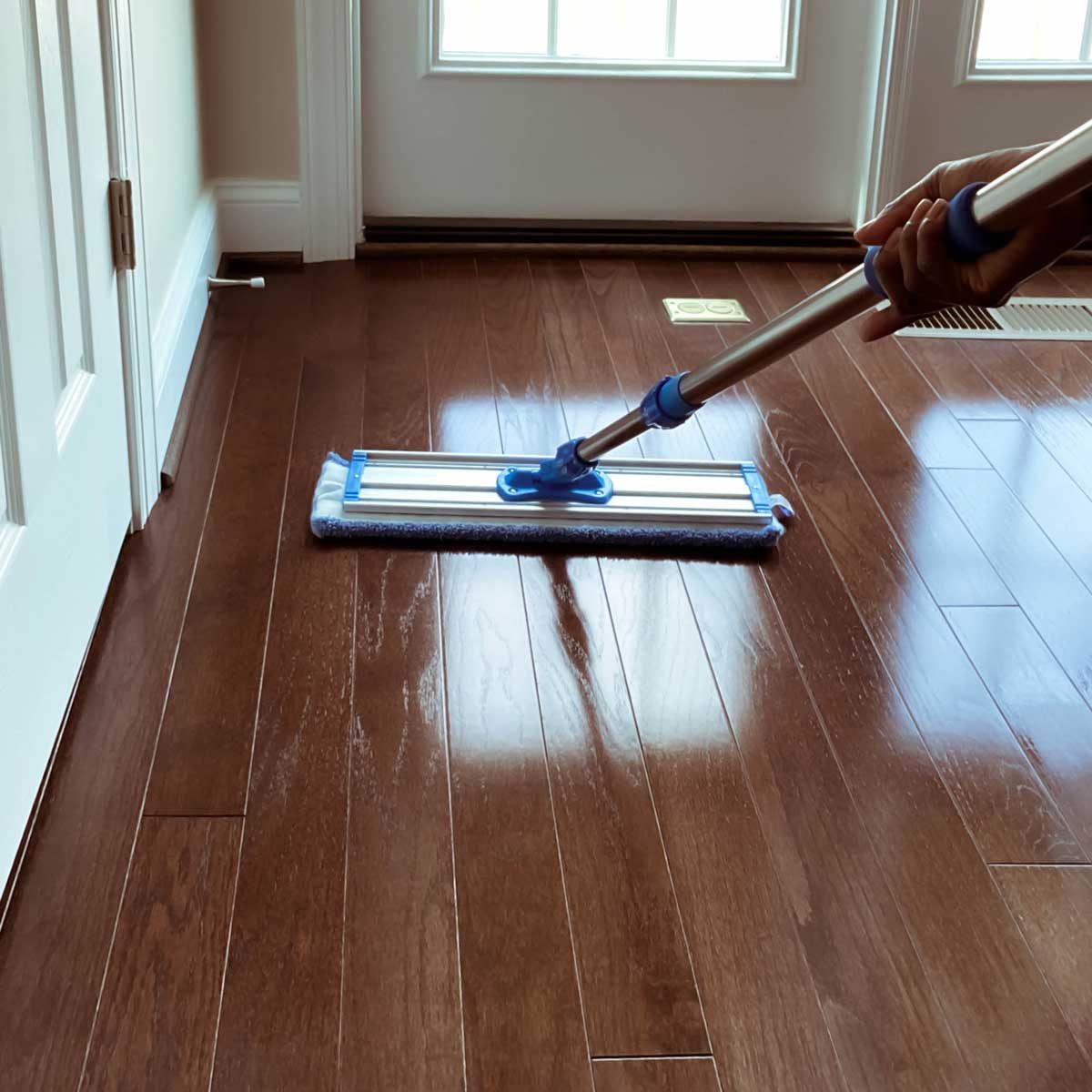
Mop hardwood floors once a month to clean stubborn dirt. Use a damp mop, not a wet one.
Too much water can damage wood and cause warping. Use a cleaner made for hardwood floors.
- Use a microfiber mop for gentle cleaning
- Dampen mop slightly, never soak the floor
- Wipe spills immediately to avoid stains
- Dry the floor with a clean cloth after mopping
Credit: www.romeflooring.com
Preventing Scratches And Dents
Hardwood floors add beauty to any home. Keeping them scratch-free helps maintain their look.
Scratches and dents can happen from daily activities. Taking simple steps protects your floors.
Furniture Pads And Rugs
Furniture pads stop chairs and tables from scratching floors. They make moving furniture smooth and safe.
Rugs protect floors in high-traffic areas. They reduce wear and prevent dents from heavy items.
- Place pads under chair and table legs
- Use rugs near doors and hallways
- Check pads often and replace when worn
- Choose rugs with non-slip backing to avoid sliding
Pet Care For Hardwood Floors
Pets can cause scratches with their nails. Keep their nails trimmed to protect floors.
Clean pet paws to avoid dirt and grit that can scratch wood. Wipe paws after outside walks.
- Trim pet nails regularly
- Wipe paws after pets come inside
- Provide pet beds to keep pets off floors
- Use mats near pet eating areas
Managing Spills And Stains
Hardwood floors add beauty to any home. Keeping them clean helps maintain their shine and durability.
Spills and stains can damage hardwood if not handled quickly and correctly. Learn how to manage them well.
Quick Response Strategies
Act fast when a spill happens on hardwood floors. The quicker you react, the less damage occurs.
Use a soft cloth or paper towel to blot spills right away. Avoid rubbing as it can spread the stain.
- Blot liquids with a dry cloth immediately
- Use a damp cloth for sticky spills
- Keep the area dry after cleaning
- Avoid harsh scrubbing to protect the finish
Stain Removal Solutions
Different stains need different cleaning methods. Use gentle products made for hardwood floors.
Test any cleaner on a small hidden area first. This avoids damage or discoloration.
- For water stains, apply a small amount of white vinegar diluted with water
- Use baking soda paste for oil or grease stains
- Remove ink stains with rubbing alcohol on a soft cloth
- For tough stains, use a hardwood floor cleaner following the label instructions
Seasonal Care Considerations
Hardwood floors need special care during different seasons. Changes in weather can affect wood moisture and damage floors.
Understanding seasonal care helps keep floors strong and looking good all year.
Humidity Control
Wood changes size with moisture in the air. High humidity makes wood swell and low humidity makes it shrink.
Keep indoor humidity between 30% and 50% to protect your floors from warping or gaps.
- Use a humidifier in dry months to add moisture
- Use a dehumidifier or air conditioner in wet months to reduce moisture
- Check humidity levels regularly with a hygrometer
Winter And Summer Adjustments
Winter and summer bring different challenges for hardwood floors. Cold air and heating dry the wood in winter.
Summer heat and humidity can cause floors to expand and cup.
- In winter, use humidifiers to keep air moist and prevent cracks
- In summer, keep rooms cool and dry with fans or air conditioning
- Avoid sudden temperature changes near floors
- Clean floors gently to avoid damage during seasonal stress
Long-term Preservation Techniques
Hardwood floors add beauty to any home. Keeping them in good shape takes care and effort. Long-term preservation helps your floors look great for years.
This guide covers key ways to protect your hardwood. Learn about refinishing and professional maintenance to keep floors strong and shiny.
Refinishing And Recoating
Refinishing removes old finish and restores the wood surface. Recoating adds a fresh layer of protection without sanding. Both improve floor durability.
- Clean floors thoroughly before starting
- Sand the surface lightly to remove scratches
- Apply wood stain if color refresh is needed
- Use a high-quality finish for recoating
- Allow enough drying time between coats
- Keep the room well-ventilated during the process
Professional Maintenance Services
Experts offer services to keep hardwood floors in top shape. They use special tools and products to clean and repair floors safely.
| Service | Purpose | Frequency |
| Deep Cleaning | Remove dirt and buildup | Every 6-12 months |
| Buffing | Restore shine without sanding | Every 1-2 years |
| Repairs | Fix scratches and dents | As needed |
| Sealing | Protect wood from moisture | Every 3-5 years |

Credit: inhomeflooring.com
Common Mistakes To Avoid
Hardwood floors add beauty to any home. Keeping them in good shape takes care and attention.
Some common errors can harm your floors. Avoid these mistakes to keep your hardwood looking great.
Using Too Much Water
Water can cause wood to swell and warp. Avoid soaking your floors when cleaning.
Use a damp mop instead of a wet one. Wipe spills quickly to stop damage.
Skipping Protective Pads
Furniture can scratch hardwood surfaces. Always use felt pads under chair and table legs.
- Check pads regularly for wear
- Replace pads if they become dirty or torn
- Use heavy-duty pads for large furniture
Ignoring Regular Cleaning
Dust and dirt can act like sandpaper on floors. Clean often to avoid scratches and dullness.
Using Harsh Chemicals
Strong cleaners can strip the finish off hardwood. Use products made for wood floors only.
| Wrong Cleaners | Effect on Floors |
| Ammonia | Removes finish, dulls wood |
| Bleach | Discolors and weakens wood |
| Oil-based detergents | Leaves sticky residue |
Failing To Control Humidity
Wood expands and contracts with humidity changes. Keep your home’s humidity between 35% and 55%.
Use a humidifier or dehumidifier to keep floors stable and prevent cracks or gaps.
Credit: www.familyhandyman.com
Frequently Asked Questions
How Often Should I Clean Hardwood Floors?
Clean hardwood floors weekly using a soft broom or vacuum with a floor-brush attachment. Avoid excessive water.
What Is The Best Cleaner For Hardwood Floors?
Use a pH-neutral, non-toxic hardwood floor cleaner. Avoid harsh chemicals or abrasive cleaners to protect the finish.
Can I Use Water To Mop Hardwood Floors?
Use a damp mop, not soaking wet. Excess water can cause wood to warp or swell.
How Do I Prevent Scratches On Hardwood Floors?
Place felt pads under furniture legs. Use rugs in high-traffic areas and trim pets’ nails regularly.
Conclusion
Caring for hardwood floors takes simple steps and regular effort. Clean spills quickly to avoid stains. Use soft brooms or vacuums to remove dust. Avoid harsh cleaners that can damage the wood. Protect floors with rugs in high-traffic areas. Keep humidity balanced to prevent wood from warping.
Small daily habits help your floors stay beautiful longer. Enjoy the warm, natural look of well-kept hardwood every day.