
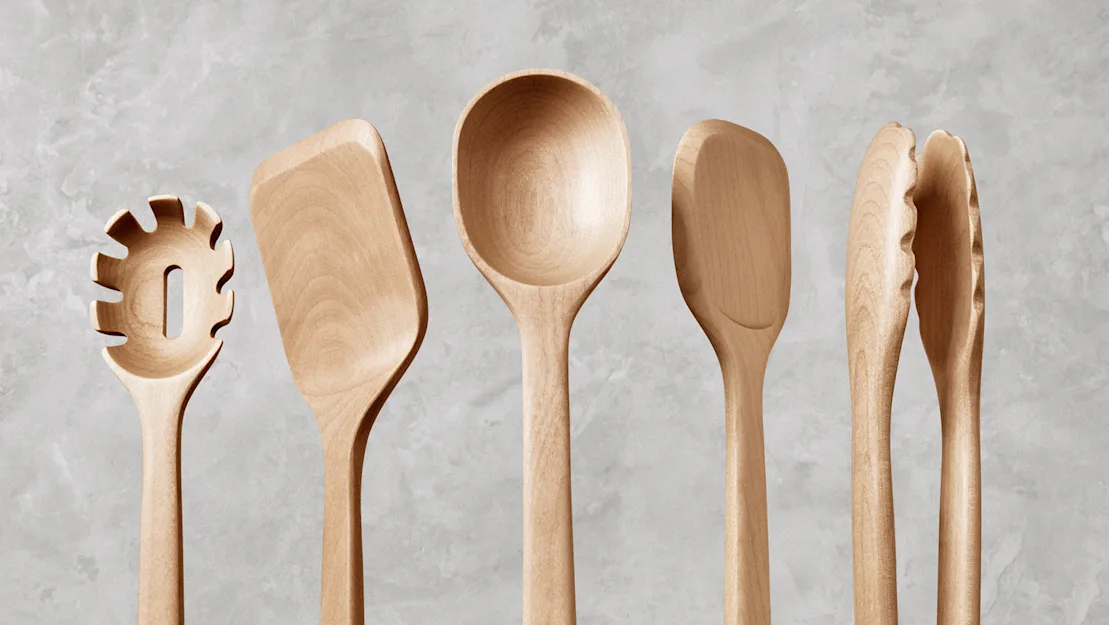
Are your wooden utensils looking dull or feeling sticky? You might be surprised how easy it is to bring them back to life using simple, natural ingredients right from your kitchen.
Cleaning wooden utensils the right way not only keeps them safe to use but also helps them last longer. If you want to keep your wooden spoons, spatulas, and cutting boards fresh and odor-free without harsh chemicals, this guide is for you.
Keep reading to discover easy, natural methods that will make your wooden utensils shine again.
Credit: www.carawayhome.com
Benefits Of Natural Cleaning For Wooden Utensils
Wooden utensils need gentle care to last long. Natural cleaning methods keep them safe and strong.
Using natural cleaners helps avoid damage from harsh chemicals. It also protects the wood’s surface and health.
Keeps Wood Healthy
Natural cleaners do not dry out or crack the wood. They keep the wood smooth and prevent it from breaking.
Safe For Your Family
Natural ingredients like lemon and vinegar are safe around food. They stop bacteria without leaving harmful chemicals.
Eco-friendly Cleaning
Natural cleaners come from plants and do not pollute water or soil. They help protect the environment.
- Biodegradable and non-toxic
- Reduce plastic and chemical waste
- Safe for water systems and wildlife
Cost-effective And Easy To Use
Natural cleaning items are cheap and found at home. You can clean wooden utensils quickly without special tools.
| Natural Cleaner | Benefits | How to Use |
|---|---|---|
| Lemon Juice | Removes stains and smells | Rub on wood, then rinse with water |
| White Vinegar | Kills bacteria and cleans dirt | Mix with water, wipe gently |
| Baking Soda | Scrubs off grime without damage | Make a paste, scrub lightly |
Credit: www.carawayhome.com
Common Issues With Wooden Utensils
Wooden utensils are popular in many kitchens. They are gentle on pots and pans. Still, they can have problems if not cared for properly. Knowing these issues helps you keep them clean and safe to use.
Wood is a natural material. It can absorb water and food particles. This can cause damage or stains over time. Let’s look at some common problems you might face with wooden utensils.
Cracking And Splitting
Wooden utensils can crack or split if they get too dry or wet. Water makes wood swell, and drying too fast can cause cracks. This damage makes utensils unsafe and hard to clean.
Stains And Odors
Wood often absorbs colors and smells from foods. For example, garlic or onion can leave a strong odor. Stains from tomato sauce or spices may also appear on the surface.
Bacterial Growth
Wood can hold moisture inside small cracks. This creates a perfect place for bacteria. If not cleaned well, wooden utensils can become unsafe to use.
- Keep utensils dry after washing
- Clean thoroughly with natural methods
- Oil utensils regularly to protect wood
- Replace utensils if cracks appear
Warping
Wood can change shape when exposed to heat or water. This is called warping. Warped utensils do not work well and can be hard to store.
| Issue | Cause | Effect |
| Cracking | Drying too fast or water damage | Splits in wood, unsafe use |
| Stains | Food colors and spices | Unsightly marks on utensils |
| Odors | Absorbed food smells | Bad smells linger on wood |
| Bacterial Growth | Moisture in cracks | Health risk from bacteria |
| Warping | Heat or water exposure | Misshaped utensils |
Essential Natural Cleaning Ingredients
Wooden utensils need gentle care to keep them safe and clean. Natural ingredients work well to clean without damage.
Using simple kitchen items helps remove stains and odors. These ingredients are easy to find and safe for daily use.
Vinegar And Its Uses
Vinegar is a natural disinfectant. It removes bacteria and odors from wooden utensils.
Mix equal parts of water and white vinegar. Soak the utensils for a few minutes, then rinse well.
Lemon For Stain Removal
Lemon juice helps break down stains and brightens the wood. It also leaves a fresh scent.
- Cut a lemon in half.
- Rub the lemon directly on the stained areas.
- Let it sit for 5 minutes.
- Rinse with warm water and dry.
Baking Soda For Deep Cleaning
Baking soda removes deep dirt and tough smells. It is mildly abrasive and safe for wood.
Use this simple paste to clean wooden utensils:
| Ingredient | Amount |
|---|---|
| Baking Soda | 2 tablespoons |
| Water | 1 tablespoon |
Mix into a paste. Apply with a soft cloth. Rinse and dry.
Salt For Surface Cleaning
Salt works as a scrub to remove surface dirt. It also helps remove odors.
- Sprinkle coarse salt on the utensil.
- Rub with a damp cloth or lemon half.
- Rinse thoroughly with warm water.
- Dry with a clean towel.
Credit: www.carawayhome.com
Step-by-step Cleaning Process
Wooden utensils need careful cleaning to stay safe and last long. Using natural methods helps protect the wood. Follow these steps to clean your wooden utensils easily.
This guide shows simple ways to clean your wooden tools without harsh chemicals. You will learn how to rinse, scrub, and dry them properly.
Initial Rinse And Scrub
Start by rinsing the wooden utensils with warm water to remove food bits. Use a soft brush or sponge to scrub gently. Avoid using steel wool or hard brushes as they can damage the wood.
Applying Natural Cleaners
Natural cleaners clean and freshen wooden utensils without harm. Lemon, baking soda, and vinegar are good choices. Apply them carefully to remove stains and odors.
- Sprinkle baking soda on the utensil surface.
- Rub half a lemon over the baking soda.
- Let it sit for 5 minutes.
- Wipe with a damp cloth.
- For tough spots, use a vinegar soak for a few minutes.
Rinsing And Drying Techniques
Rinse the utensils with warm water to remove all cleaner residues. Dry them well to prevent wood cracking or mold growth. Use air drying or a clean towel.
| Drying Method | Advantages | Tips |
|---|---|---|
| Air Drying | Keeps wood dry without rubbing | Place utensils upright in a rack |
| Towel Drying | Quick and absorbs water fast | Use a clean, dry cloth gently |
| Combination | Fast and thorough drying | Towel dry then air dry fully |
Maintaining Wooden Utensils After Cleaning
Wooden utensils need special care after cleaning to last longer. Proper maintenance helps keep them smooth and strong.
Taking simple steps after washing prevents damage and keeps your utensils safe to use.
Proper Storage Practices
Store wooden utensils in a dry place to stop them from cracking or molding. Avoid leaving them in damp areas.
Keep utensils away from direct sunlight and heat. This helps prevent warping and color fading.
- Use a utensil holder with good airflow
- Keep utensils upright to dry fully
- Avoid stacking wet utensils together
- Do not store in sealed containers when wet
Regular Maintenance Tips
Oil wooden utensils regularly to keep the wood nourished and prevent drying out. Food-safe oils like mineral oil work best.
Check utensils often for cracks or rough spots. Sand them lightly if needed to keep the surface smooth and safe.
- Apply oil once a month or as needed
- Use fine sandpaper to smooth rough areas
- Wash gently with mild soap and warm water
- Dry immediately after washing
Preventing Damage And Extending Lifespan
Wooden utensils need gentle care to last longer. Cleaning them naturally helps keep the wood strong and healthy.
Using the right methods prevents cracks and warping. It also stops bacteria from growing on the wood.
Avoiding Dishwasher Use
Dishwashers can damage wooden utensils. The heat and water can make the wood dry and crack.
Hand wash wooden utensils with mild soap and warm water instead. Dry them right after cleaning.
- Do not soak wooden utensils in water for long
- Never put wooden utensils in the dishwasher
- Dry utensils with a towel immediately after washing
Handling With Care
Wooden utensils need careful handling to avoid damage. Rough use can cause scratches and splits.
Use natural oils to keep the wood moisturized. This stops the wood from drying out and breaking.
- Apply food-safe mineral oil regularly
- Avoid cutting or scraping on wooden utensils
- Store utensils in a dry place away from direct sunlight
Frequently Asked Questions
How Do I Clean Wooden Utensils Naturally?
Use a mixture of lemon juice and salt to scrub the utensils. Rinse with warm water and air dry. This method removes stains and odors without chemicals.
Can Vinegar Be Used To Clean Wooden Utensils?
Yes, white vinegar diluted with water is effective. It disinfects and deodorizes wooden utensils gently and naturally. Avoid soaking to prevent wood damage.
How Often Should Wooden Utensils Be Cleaned?
Clean wooden utensils after each use to avoid bacteria buildup. Regular cleaning maintains hygiene and prolongs their lifespan.
What Is The Best Natural Oil For Wooden Utensils?
Mineral oil is ideal for conditioning wooden utensils. It prevents drying and cracking while being safe for food contact.
Conclusion
Cleaning wooden utensils naturally keeps them safe and long-lasting. Using simple ingredients like vinegar and lemon removes stains and odors well. Avoid harsh chemicals to protect the wood’s surface. Regular care prevents cracks and warping over time. Natural cleaning also helps keep your kitchen eco-friendly.
Try these easy steps for fresh, clean utensils every day. Your wooden tools will stay strong and beautiful with little effort. Give natural cleaning a chance and see the difference yourself.