

Are your cabinet doors squeaking or sticking when you open them? The secret to smooth, quiet hinges is simple—cleaning them regularly.
You might think cleaning cabinet hinges is a hassle, but with the right steps, it’s quick and easy. In this guide, you’ll discover how to make your cabinet hinges work like new again. Keep reading, and you’ll learn tips that save you time, prevent damage, and keep your cabinets looking great.
Don’t let dirty hinges slow you down—take control and bring back that smooth glide today!

Credit: www.amazon.com
Types Of Cabinet Hinges
Cabinet hinges connect doors to the cabinet frame. They allow doors to open and close smoothly. Different hinge types suit different cabinet styles and needs.
Choosing the right hinge helps with door alignment and durability. This guide describes common hinge types used in cabinets.
Butt Hinges
Butt hinges are the most common type. They have two plates joined by a pin. One plate attaches to the door, the other to the frame. They are visible when the door is closed.
Concealed Hinges
Concealed hinges hide inside the cabinet. They give a clean look to the door front. These hinges allow easy door removal and adjustment.
Overlay Hinges
Overlay hinges let the door cover part of the cabinet frame. They come in full overlay or half overlay styles. These hinges are popular in modern cabinets.
Inset Hinges
Inset hinges are for doors set inside the cabinet frame. The door sits flush with the frame edges. These hinges require precise fitting.
Pivot Hinges
Pivot hinges allow doors to rotate on a fixed point. They are often used for heavy or large doors. These hinges can be top-mounted or bottom-mounted.
- Top-mount pivot hinges attach at the cabinet top
- Bottom-mount pivot hinges attach at the cabinet base
- They provide smooth and wide door movement
Table Comparing Common Cabinet Hinges
| Hinge Type | Visibility | Door Fit | Adjustable |
|---|---|---|---|
| Butt Hinge | Visible | Overlay or Inset | No |
| Concealed Hinge | Hidden | Overlay | Yes |
| Overlay Hinge | Partly Visible | Overlay | Some models |
| Inset Hinge | Visible | Inset | No |
| Pivot Hinge | Hidden or Visible | Overlay or Inset | Yes |
Tools And Materials Needed
Cleaning cabinet hinges keeps your kitchen or bathroom looking neat. It also helps the hinges work smoothly. You only need a few simple tools and materials to do this task.
Gather everything before you start. This will save time and make the cleaning easier. Here are the common tools and materials needed for cleaning cabinet hinges.
Cleaning Solutions
Choosing the right cleaning solution helps remove dirt and grease. You can use mild household cleaners or natural options for safe cleaning.
- Mild dish soap mixed with warm water
- White vinegar diluted with water
- Commercial degreaser for tough grime
- Rubbing alcohol for quick cleaning
Tools For Cleaning
Use tools that reach into small spaces and remove dirt well. Soft brushes and cloths prevent damage to hinges.
- Soft-bristled toothbrush
- Microfiber cloths
- Small scrub brush
- Q-tips or cotton swabs
- Spray bottle for cleaning solution
Protective Gear
Wear simple protective items to keep your hands safe from chemicals and dirt.
| Item | Purpose |
| Rubber gloves | Protect skin from cleaners |
| Old towel or rag | Catch drips and protect surfaces |
| Mask (optional) | Reduce inhalation of fumes |
Preparation Before Cleaning
Cleaning cabinet hinges is easier if you prepare well. Proper preparation saves time and prevents damage.
Start by removing the hinges carefully. Then label and organize them to avoid confusion later.
Removing Hinges From Cabinets
Use a screwdriver to unscrew the hinges from the cabinet doors. Hold the door steady to keep it from falling.
- Open the cabinet door fully.
- Locate the screws on the hinge plates.
- Use the screwdriver to remove each screw slowly.
- Keep the door supported as you remove the last screw.
- Set the door aside on a soft surface.
Labeling And Organizing Hinges
Label each hinge to match its cabinet door. This helps during reassembly and keeps parts in order.
| Label | Cabinet Location | Notes |
|---|---|---|
| H1 | Kitchen Upper Left | Top hinge, left door |
| H2 | Kitchen Upper Right | Bottom hinge, right door |
| H3 | Bathroom Lower Left | Single hinge |
Cleaning Solutions For Hinges
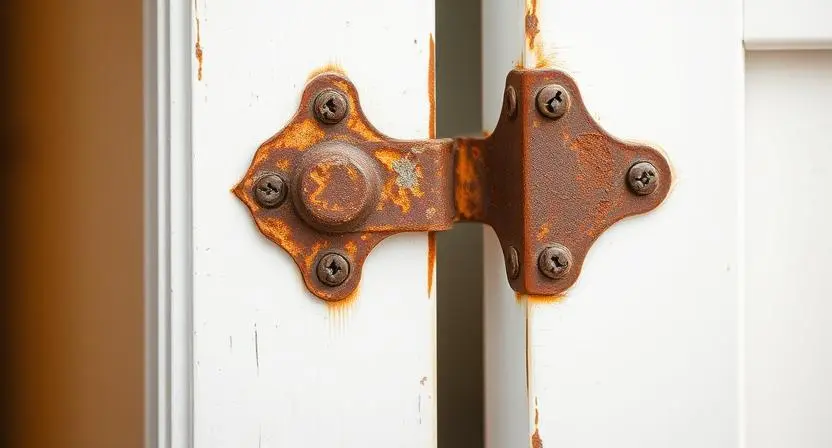
Cabinet hinges can get dirty and rusty over time. Cleaning them keeps them working well and looking nice.
You can use homemade solutions or commercial products to clean hinges safely and effectively.
Homemade Cleaning Solutions
Homemade solutions use common ingredients found in your kitchen. They are safe and easy to make.
These solutions help remove dirt, grease, and light rust from cabinet hinges.
- Mix equal parts white vinegar and water for a natural cleaner.
- Use baking soda paste made with water to scrub off grime.
- Lemon juice can help remove rust and freshen metal parts.
- Apply olive oil or mineral oil to lubricate after cleaning.
Commercial Cleaning Products
Commercial products are made for cleaning metal and hinges. They often work faster than homemade options.
Choose products that remove rust, dirt, and grease safely without harming the metal.
- Metal cleaners and polishes remove tarnish and rust.
- Degreasers help break down sticky residues on hinges.
- Spray lubricants reduce squeaking and protect hinges.
- Always follow the product instructions for best results.
Step-by-step Cleaning Process
Cabinet hinges collect dirt and grime over time. Cleaning them keeps doors working smoothly.
This guide shows how to clean hinges with simple steps anyone can follow.
Soaking The Hinges
Start by removing the hinges if possible. Soak them in warm, soapy water to loosen dirt.
Let the hinges soak for 10 to 15 minutes to soften any grease or buildup.
- Use a bowl or container for soaking
- Add mild dish soap to warm water
- Place hinges fully in the water
- Wait 10 to 15 minutes before scrubbing
Scrubbing And Removing Residue
Use a soft brush or old toothbrush to scrub the hinges gently. Focus on crevices and joints.
Scrub until you remove all visible dirt and sticky residue. Be careful not to damage the finish.
- Use gentle circular motions while scrubbing
- Clean both sides of each hinge
- Check for stubborn spots and scrub again
- Use a toothpick for hard-to-reach areas
Rinsing And Drying
Rinse the hinges under warm water to wash away soap and loosened dirt. Make sure no soap remains.
Dry the hinges completely with a clean cloth to stop rust. Allow them to air dry if needed.
- Use running warm water for rinsing
- Wipe hinges with a soft, dry cloth
- Let them air dry for 30 minutes if damp
- Apply lubricant before reinstalling if needed
Polishing Hinges For Shine
Cabinet hinges can lose their shine over time. Polishing them brings back their bright look. This makes your cabinets look clean and fresh.
Use simple tools and techniques to polish your hinges at home. This guide explains how to do it step by step.
Using Metal Polish
Metal polish works well to remove dullness and grime. It cleans the surface and adds a protective layer. Choose a polish made for the hinge material, like brass or steel.
- Apply a small amount of metal polish on a soft cloth.
- Rub the polish onto the hinge in circular motions.
- Let the polish sit for a few minutes to work.
- Wipe off the polish with a clean cloth.
- Repeat if the hinge is very tarnished.
Buffing Techniques
Buffing helps to make hinges shiny after polishing. Use a clean, dry cloth or a buffing pad. Move the cloth quickly over the surface for the best shine.
| Tool | Use | Benefit |
| Soft Cloth | Hand buffing | Gentle shine without scratches |
| Buffing Pad | Attach to drill or hand use | Faster shine on larger areas |
| Microfiber Cloth | Final polish | Removes leftover polish and dust |
Reinstalling Hinges On Cabinets
Reinstalling cabinet hinges is an important part of cleaning and maintaining your cabinets. Proper reinstallation helps the doors open and close smoothly.
Follow simple steps to align and test the hinges for the best fit and function.
Aligning Hinges Correctly
Place the hinge on the cabinet door in the original position. Make sure the screw holes line up with the holes on the cabinet frame.
Use a screwdriver to tighten the screws evenly. Avoid over-tightening, which can strip the holes or damage the hinge.
- Check that the hinge sits flush with the door surface
- Adjust the hinge slightly if the door does not sit straight
- Keep screws tight but avoid forcing them
Testing For Smooth Operation
Open and close the cabinet door several times to test the hinge movement. The door should move smoothly without sticking or wobbling.
If you feel resistance or hear creaks, loosen the screws slightly and adjust the hinge position. Retighten the screws and test again.
- Check for even gaps around the door
- Listen for unusual noises
- Make small adjustments for better movement

Credit: www.reddit.com
Maintenance Tips For Long-lasting Shine
Cabinet hinges can get dirty and lose their shine over time. Cleaning them regularly keeps them looking new. It also helps them work smoothly.
Using the right cleaning methods can prevent damage. This guide shares easy tips to keep your hinges bright and working well.
Regular Cleaning Routine
Clean your cabinet hinges once every few weeks. This stops dirt and grime from building up. Use a soft cloth and mild cleaner for best results.
First, wipe the hinges gently to remove dust. Then, use a damp cloth with soap to clean stubborn spots. Dry the hinges well after cleaning.
- Use a soft cloth or sponge
- Choose mild soap or gentle cleaner
- Avoid soaking hinges in water
- Dry hinges completely after cleaning
- Apply light oil to prevent rust
Avoiding Common Mistakes
Do not use harsh chemicals or abrasive tools. These can scratch or damage the hinge surface. Avoid using too much water to prevent rust.
Do not skip drying the hinges after cleaning. Leaving them wet can cause corrosion. Also, do not ignore regular cleaning as dirt can build up quickly.
- Do not use steel wool or rough brushes
- Do not apply strong chemical cleaners
- Do not leave hinges wet after cleaning
- Do not ignore signs of rust or wear
- Do not force hinges when they feel stiff
Credit: cabinetsidea.com
Frequently Asked Questions
How Often Should I Clean Cabinet Hinges?
Clean cabinet hinges every 3 to 6 months to maintain smooth operation. Frequent cleaning prevents rust and dirt buildup, extending hinge life.
What Household Items Clean Cabinet Hinges Effectively?
Use vinegar, baking soda, or mild soap with water. These common items remove grime without damaging the hinges or cabinet finish.
Can I Lubricate Cabinet Hinges After Cleaning?
Yes, apply a small amount of lubricant like WD-40 or silicone spray. Lubrication reduces friction and prevents squeaking.
Should I Remove Hinges For Deep Cleaning?
Removing hinges helps clean hard-to-reach areas thoroughly. However, surface cleaning is sufficient for regular maintenance.
Conclusion
Cleaning cabinet hinges helps keep your kitchen fresh and smooth. Regular care stops rust and squeaks fast. Use simple tools and gentle cleaners for best results. Take your time and clean each hinge well. This small task saves money on repairs later.
Enjoy quiet, easy-to-open cabinets every day. Try these steps soon to see the difference.