
Choosing the right stockpot can change the way you make soups forever. Imagine creating rich, flavorful broths without worrying about spills or uneven cooking.
If you’ve ever struggled with a pot that’s too small, too thin, or hard to clean, you know how frustrating it can be. This guide will help you find the perfect stockpot that fits your cooking style and kitchen needs.
By the end, you’ll feel confident picking a pot that makes every soup you cook taste better and easier to prepare. Keep reading, and discover the simple steps to upgrade your soup-making game.

Credit: www.amazon.ca
Material Types
Choosing the right stockpot material affects cooking results and durability.
Each material has benefits and limits. Knowing these helps pick the best pot.
Stainless Steel Options
Stainless steel pots resist rust and stains. They are strong and last long.
This metal does not react with food, keeping flavors pure. It works well on all cooktops.
Aluminum Choices
Aluminum heats quickly and evenly. It is lightweight and easy to handle.
- Good heat conductor
- Usually less costly
- Can react with acidic foods
- Often coated or anodized for safety
Copper Variants
Copper pots offer excellent heat control. They heat and cool very fast.
| Feature | Benefit | Consideration |
|---|---|---|
| Heat Conductivity | Superior and precise | Expensive |
| Reactivity | Can affect food taste | Needs lining |
| Maintenance | Polishing keeps shine | Requires care |
Non-stick Coatings
Non-stick coatings stop food from sticking. They make cleaning easier.
These pots need gentle care to keep the coating intact. Avoid high heat and metal tools.

Credit: www.amazon.ca
Size And Capacity
Choosing the right stockpot size helps you cook soups efficiently. The size depends on how much food you usually make.
Think about your cooking needs before picking a stockpot. Size and capacity are key factors to consider.
Small Stockpots
Small stockpots usually hold 2 to 4 quarts. They are good for making small soup batches or sauces.
These pots heat quickly and are easy to store. Small kitchens benefit from this size.
- Ideal for 1-2 people
- Easy to clean and handle
- Use for side dishes and small soups
Medium-sized Options
Medium stockpots hold about 6 to 8 quarts. They fit most families and regular cooking needs.
This size is versatile for cooking soups, stews, and boiling pasta. It balances cooking volume and storage space.
- Serves 3-5 people comfortably
- Good for daily meal prep
- Fits most kitchen stoves
Large Capacity Needs
Large stockpots hold 12 quarts or more. They suit big families or cooking for groups.
These pots work well for making large soup batches or cooking big meals. They take more space and need stronger burners.
- Feeds 6 or more people
- Ideal for parties or meal prep
- Requires ample storage space
Heat Conductivity
Heat conductivity is key when choosing a stockpot for soups. It helps cook food evenly and saves energy.
Good heat conductivity prevents hot spots. This makes soups taste better and cook faster.
Even Heat Distribution
Even heat distribution means the pot heats the entire surface equally. This stops burning or undercooking in spots.
- Prevents hot spots in the soup
- Reduces the need to stir constantly
- Improves flavor by cooking all ingredients evenly
- Saves energy by heating efficiently
Impact Of Material On Heat
| Material | Heat Conductivity | Durability | Price |
| Aluminum | High | Medium | Low |
| Stainless Steel | Low | High | Medium |
| Copper | Very High | Low | High |
| Cast Iron | Medium | Very High | Medium |
Materials like copper and aluminum offer better heat conductivity. Stainless steel lasts longer but heats slower.
Consider your cooking style and budget when choosing the pot’s material.
Credit: wholesale-appliances.com
Durability And Longevity
Choosing a stockpot that lasts is important for cooking soups often. A durable pot saves money and time.
Look at the materials and how the pot is made. These factors affect how long the pot will work well.
Material Durability
Stockpots come in different materials like stainless steel, aluminum, and cast iron. Each material wears differently.
Stainless steel resists rust and scratches. It stays strong after many uses and washes.
- Aluminum heats quickly but can dent or warp easily
- Cast iron holds heat well but needs care to avoid rust
- Enamel-coated pots prevent rust but chips can damage the pot
Construction Quality
A well-built stockpot has tight seams and strong handles. These details help the pot last longer.
Look for pots with reinforced bottoms. Thick bases stop warping and help even cooking.
- Welded or riveted handles stay secure over time
- Flat, heavy bottoms prevent heat spots and damage
- Good lids fit tightly to keep heat and moisture inside
Ease Of Cleaning
Choosing a stockpot for soups means thinking about how easy it is to clean. Pots that are hard to clean can waste time and effort.
Look for features that help you clean the pot quickly and well. This makes cooking more enjoyable and less messy.
Dishwasher Safe Options
Many stockpots are dishwasher safe. This saves time because you do not need to wash them by hand.
Check the product details to see if the pot is dishwasher safe. Pots made of stainless steel are often safe for dishwashers.
- Dishwasher safe pots reduce cleaning time
- Protect the pot by using top rack if needed
- Avoid dishwasher if pot has wooden handles
Non-stick Cleaning
Non-stick stockpots are easy to clean because food does not stick to the surface. This reduces scrubbing effort.
Use soft sponges and mild soap to clean non-stick pots. Avoid metal scrubbers that can damage the coating.
- Non-stick pots need gentle cleaning tools
- Avoid harsh chemicals to protect the coating
- Hand washing is usually best for non-stick pots
Lid And Handle Features
Choosing the right stockpot means looking closely at the lid and handles. These parts affect how easy and safe your cooking is.
A good lid traps heat and moisture, while handles help you move the pot without burns. Let’s explore what to check for both.
Types Of Lids
Stockpots come with different lid types. Each type affects cooking and cleaning in unique ways.
- Glass Lids:Let you watch food without lifting the lid.
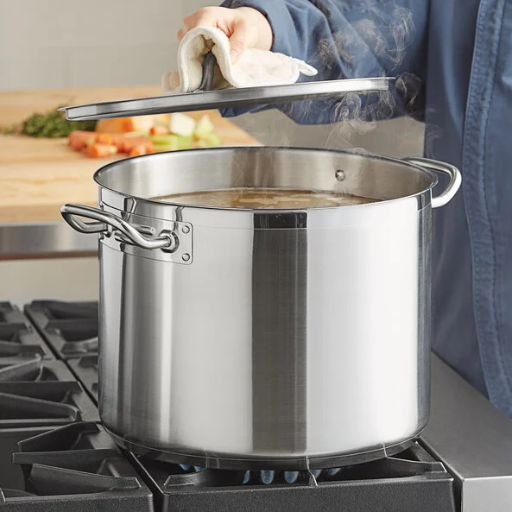
- Stainless Steel Lids:Durable and good at trapping heat.
- Vented Lids:Have small holes to release steam and prevent boiling over.
- Flat Lids:Easy to stack and store, but may not seal tightly.
- Dome-shaped Lids:Allow more space inside for steam and bubbling soups.
Handle Design And Comfort
Handles must be strong and comfortable. They should stay cool and give a good grip.
| Handle Type | Advantages | Considerations |
| Metal Handles | Very durable and heat resistant | Can get hot; need pot holders |
| Silicone Handles | Stay cool and offer good grip | May wear out over time |
| Plastic Handles | Cool to touch and lightweight | Less durable and not oven-safe |
| Riveted Handles | Strong attachment to pot | Harder to clean around rivets |
| Welded Handles | Smooth surface, easy to clean | Less flexible, can be weaker |
Brand Recommendations
Choosing the right stockpot for soups can make cooking easier and more enjoyable. Picking a trusted brand helps ensure quality and durability.
This guide highlights popular brands and options for different budgets. It will help you find a stockpot that fits your needs.
Popular Brands
Several brands are known for making reliable stockpots. These brands offer a range of sizes and materials to suit many cooks.
- All-Clad: Known for high-quality stainless steel pots.
- Cuisinart: Offers durable and versatile cookware.
- Calphalon: Popular for non-stick and stainless steel options.
- Le Creuset: Famous for colorful enameled cast iron pots.
Budget-friendly Options
You can find good stockpots without spending too much. Some brands focus on quality while keeping prices low.
- T-fal: Affordable stainless steel stockpots with good heat distribution.
- Farberware: Offers budget-friendly pots with solid performance.
- AmazonBasics: Basic stockpots for simple cooking needs.
Premium Selections
Premium stockpots provide excellent heat control and durability. They often use high-quality materials and craftsmanship.
- All-Clad D5: Five-ply stainless steel for even heating.
- Le Creuset Signature: Enameled cast iron with long-lasting finish.
- Demeyere Atlantis: Heavy-duty stainless steel with advanced technology.
Price Considerations
Choosing the right stockpot for soups can affect your budget. It is important to think about the price before buying.
Price varies based on material, size, and brand. Knowing what to expect helps you make a smart choice.
Cost Vs. Quality
Low-cost stockpots may save money but often lack durability. High-quality pots last longer and cook better.
Look for pots made from stainless steel or heavy-duty materials. These options usually cost more but offer better value.
- Cheap pots might warp or stain quickly
- Mid-range pots balance price and quality
- Expensive pots have strong build and even heat
Long-term Investment
Buying a good stockpot is an investment. It can save money over time by lasting many years.
Think about how often you cook soups. A better pot may cost more now but will not need replacing soon.
- Choose pots with strong handles and lids
- Pick pots that clean easily to save effort
- Consider warranty or brand reputation
User Reviews And Ratings
Choosing the right stockpot for soups can be tricky. User reviews and ratings help you find pots that work well in real kitchens.
Many buyers share their experiences about size, heat distribution, and durability. Reading these can guide your choice.
Customer Feedback
Customers often mention what they like or dislike about stockpots. Common points include how fast the pot heats and how easy it is to clean.
- Many users prefer pots with thick bottoms for even cooking.
- Some note that pots with tight-fitting lids keep soups hotter longer.
- Ease of handling is key; customers like pots with sturdy handles.
- Lightweight stockpots get positive marks for easy lifting.
- Non-stick interiors receive mixed reviews due to wear over time.
Expert Opinions
Experts review stockpots for material quality, size options, and cooking performance. They use tests to measure heat spread and durability.
| Feature | What Experts Say |
| Material | Stainless steel with aluminum core is best for heat. |
| Capacity | Choose a pot size that fits your usual batch size. |
| Lid | Tight lids retain moisture and heat better. |
| Handles | Heat-resistant and secure handles improve safety. |
| Cleaning | Dishwasher-safe pots save time and effort. |
Special Features
Choosing the right stockpot helps make cooking soups easier and better. Special features can improve your cooking experience.
Look for features that fit your kitchen needs and cooking style. This will help you pick the best stockpot.
Multi-functionality
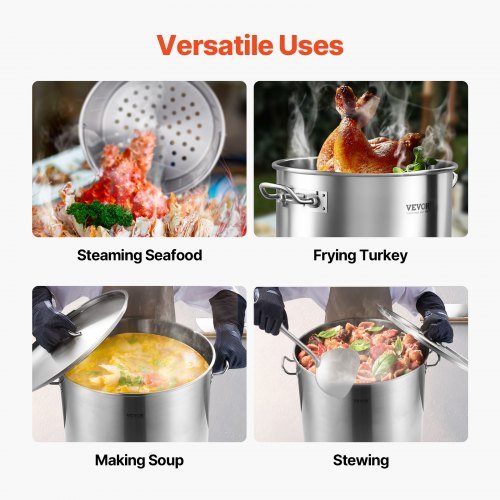
A good stockpot does more than just hold soup. It can cook many types of food and handle different cooking methods.
Some stockpots work well for boiling, steaming, and even frying. This saves space and money in your kitchen.
- Can be used for soups, stews, pasta, and stocks
- Compatible with various heat sources like gas and induction
- Some come with lids that fit tight to keep heat and moisture
- Handles designed for easy lifting and pouring
Innovative Designs
Modern stockpots have design features that make cooking safer and easier. These features also help with cleaning and storage.
Look for pots with smart lids, cool-touch handles, and sturdy bases. These designs improve your cooking experience.
- Lids with steam vents to control pressure
- Ergonomic handles that stay cool
- Heavy bottoms for even heat distribution
- Stackable shapes for saving space
Frequently Asked Questions
What Size Stockpot Is Best For Making Soups?
Choose a stockpot size based on your typical batch size. For families, 8 to 12 quarts is ideal. Larger pots suit big gatherings. Size affects cooking time and ingredient capacity.
Which Material Is Best For Stockpots Used In Soups?
Stainless steel with an aluminum core offers durability and even heat. It’s non-reactive and easy to clean. Avoid reactive metals like copper for acidic soups.
Do Stockpots Need Lids When Cooking Soups?
Yes, lids help retain heat and moisture. They speed up cooking and preserve flavors. Choose a tight-fitting lid for best results.
How Important Is Pot Thickness For Soup Cooking?
Thicker pots distribute heat evenly and prevent hot spots. This ensures soups cook uniformly and reduces burning risk. Look for pots with heavy-gauge bases.
Conclusion
Choosing the right stockpot makes soup cooking easier and more fun. Think about size, material, and heat distribution. A good stockpot saves time and cooks evenly. It fits your kitchen and cooking style. Invest in one that lasts and feels comfortable to use.
Enjoy making delicious soups every time. Simple steps lead to better meals. Now you know how to pick the best stockpot for your soups.