
Are you getting the most out of your saucepans? Whether you’re a kitchen newbie or a seasoned cook, knowing the right tips for using saucepans can save you time, improve your meals, and even protect your cookware from damage.
Imagine effortlessly cooking perfect sauces, soups, and stews every time. This guide will show you simple, practical tricks that anyone can use to make your cooking easier and more enjoyable. Keep reading, and discover how small changes can make a big difference in your kitchen.
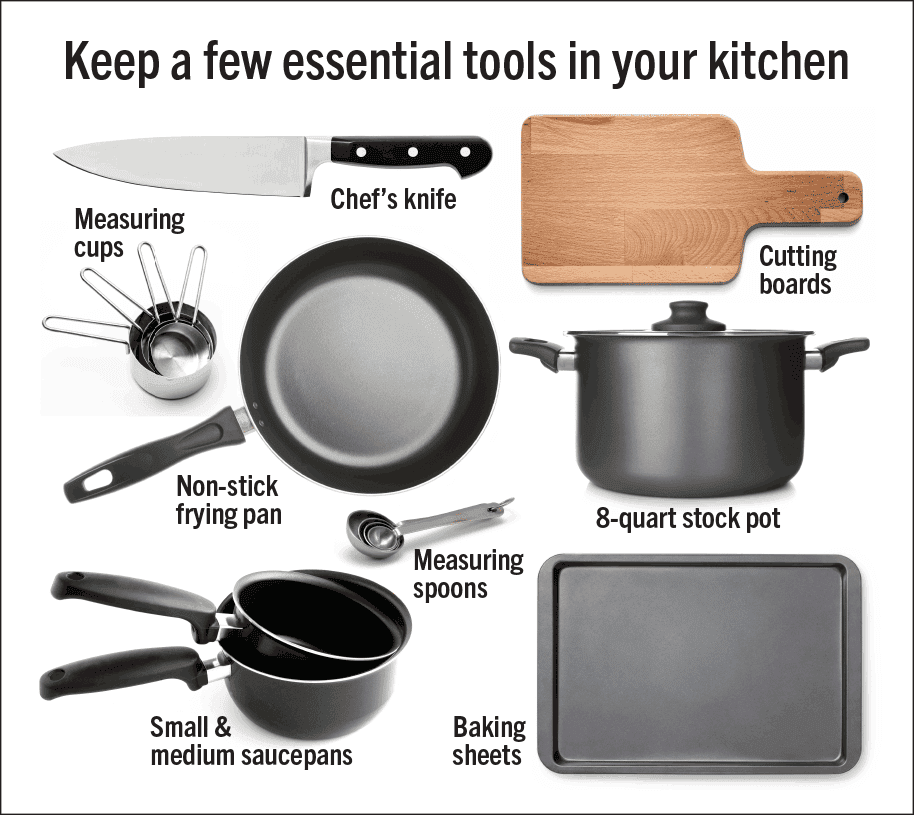
Choosing The Right Saucepan
Choosing the right saucepan makes cooking easier and safer. The right pan helps heat food evenly and fits your cooking needs.
Consider the material, size, shape, handles, and lids. These factors affect how well the saucepan works.
Material Considerations
Saucepans come in many materials. Each type heats differently and needs special care.
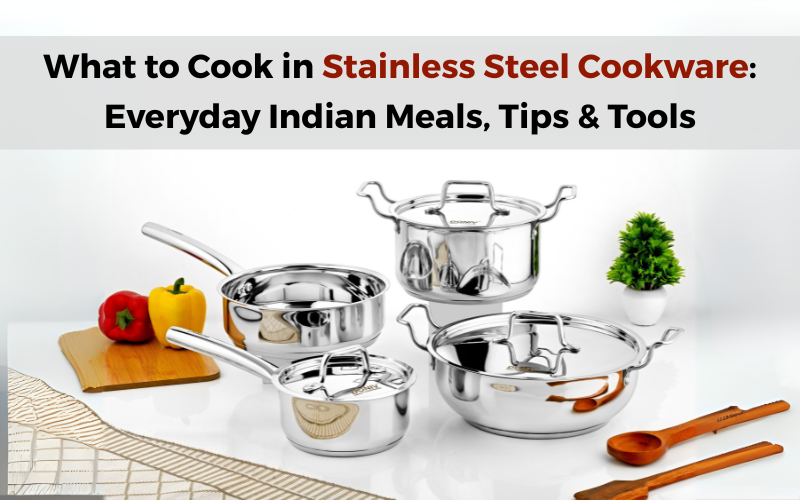
- Stainless steel is durable and easy to clean.
- Non-stick pans need less oil and clean easily.
- Copper heats quickly but can be expensive.
- Aluminum is light and heats fast but may warp.
- Cast iron holds heat well but is heavy and needs seasoning.
Size And Shape Selection
Pick the right size to match your cooking needs. Small pans are good for sauces. Larger pans cook soups or stews.
| Size | Best For | Tip |
| 1 to 2 quarts | Heating sauces, melting butter | Perfect for small meals |
| 3 to 4 quarts | Cooking grains, simmering | Good for most recipes |
| 5 quarts or more | Large soups, stews | Best for families or batch cooking |
Handles And Lids
Handles should feel comfortable and stay cool. Lids help keep heat and moisture inside.
- Look for sturdy handles that are easy to grip.
- Metal handles are oven safe but get hot.
- Plastic or silicone handles stay cool but may not fit in ovens.
- Choose lids that fit tightly to keep steam in.
- Glass lids let you watch food without lifting.

Credit: lothandco.co.uk
Prepping Your Saucepan
Preparing your saucepan before cooking helps it last longer. It also improves the taste of your food.
Good care starts with seasoning and cleaning. These steps protect the pan and keep it working well.
Seasoning Techniques
Seasoning a saucepan adds a protective layer to the surface. This layer stops food from sticking and prevents rust.
To season your pan, heat it gently and rub in a thin coat of cooking oil. Let it cool before wiping off extra oil.
- Use oils with high smoke points, like vegetable or canola oil
- Heat the pan on medium heat for 10-15 minutes
- Allow the pan to cool completely before using or storing
- Repeat seasoning if the surface looks dull or sticky
Proper Cleaning Methods
Cleaning your saucepan correctly keeps it in good shape. Avoid harsh scrubbers that can scratch the surface.
Use warm water and mild soap. Gently scrub with a soft sponge. Dry the pan right away to stop rust.
- Do not soak the pan for a long time
- Remove stuck food by soaking briefly in warm water
- Use baking soda for tough stains instead of strong chemicals
- Dry the pan with a towel or heat on low after washing
Temperature Control
Using the right temperature is key when cooking with saucepans. It helps food cook evenly and prevents burning.
Knowing how heat moves through your saucepan makes cooking easier and safer.
Understanding Heat Conductivity
Heat conductivity is how fast heat passes through the saucepan material. Some metals heat quickly, others slowly.
Good heat conductivity helps cook food evenly and saves energy.
- Aluminum and copper conduct heat very well.
- Stainless steel heats slowly but keeps heat longer.
- Thick bottoms help spread heat better.
Maintaining Even Heat
Even heat avoids hot spots that burn food. Stir food often to spread heat.
Use medium or low heat to keep the temperature steady and protect your saucepan.
- Preheat your saucepan before adding food.
- Use lids to keep heat and moisture inside.
- Avoid sudden high heat changes to prevent damage.
Credit: www.vinodsteel.com
Cooking Techniques
Saucepans are useful tools in the kitchen. They help cook food using many methods.
Knowing how to use saucepans for different cooking techniques improves your meals.
Sautéing And Browning
Sautéing cooks food quickly in a small amount of oil or butter. It uses medium-high heat.
Browning adds color and flavor by cooking food until the surface turns brown. It often starts dishes.
- Use a wide saucepan for even heat distribution
- Preheat the pan before adding oil
- Do not overcrowd the pan to avoid steaming
- Stir or toss food to cook evenly
Simmering And Boiling
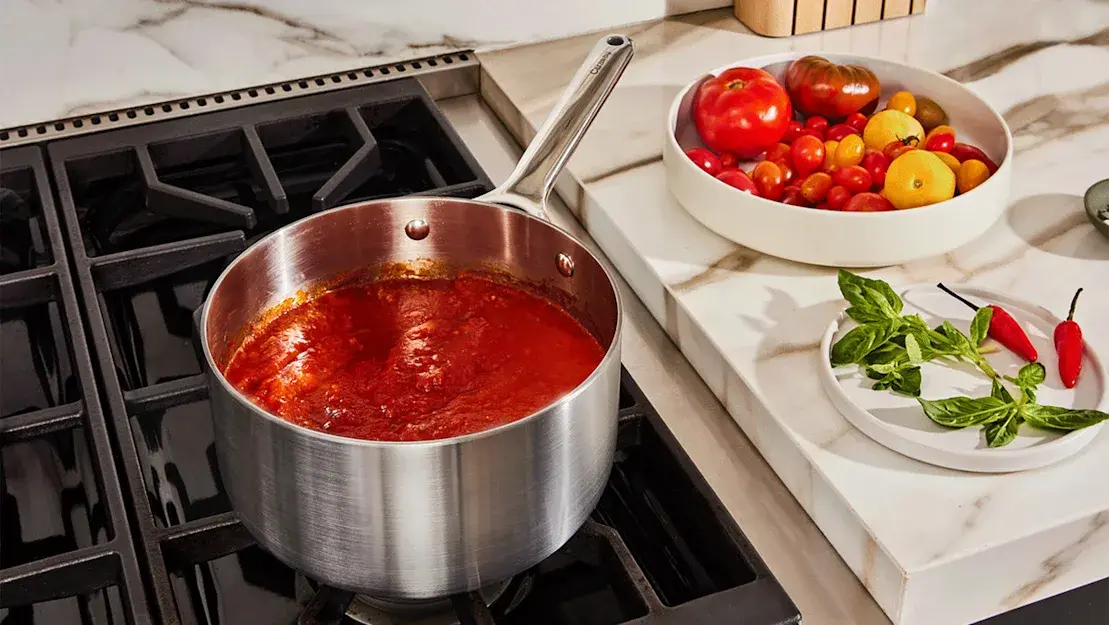
Simmering cooks food gently in hot liquid below boiling point. It is good for soups and sauces.
Boiling uses high heat to cook food fast in bubbling water. It is good for pasta and vegetables.
- Use a lid to keep heat and save energy
- Adjust heat to maintain a gentle simmer or rolling boil
- Stir occasionally to prevent sticking
- Use enough water to cover the food fully
Handling And Safety Tips
Using saucepans safely helps prevent kitchen accidents. Good habits keep you and your family safe.
Learn how to handle saucepans properly. Follow simple safety tips every time you cook.
Avoiding Burns
Burns happen when hot saucepans or steam touch your skin. Always use oven mitts or pot holders.
Keep handles turned inward on the stove. This stops others from bumping into hot saucepans.
- Use dry cloths or mitts to hold hot handles
- Do not touch saucepans with wet hands
- Turn saucepan handles away from the edge
- Keep children away from the cooking area
Safe Lid Handling
Lids can trap steam, which can burn your hands or face. Lift lids carefully to release steam safely.
Hold the lid away from you when opening. Let the steam escape before fully removing the lid.
- Use a cloth or mitt to hold hot lids
- Lift the lid at an angle to direct steam away
- Do not put your face over the saucepan when opening
- Check for steam before moving the lid fully
Credit: www.carawayhome.com
Maintenance And Storage
Proper care of your saucepans keeps them working well for years. Good storage saves space and protects your pans.
Simple habits help maintain the look and function of your saucepans. Storing them correctly avoids damage.
Long-term Care
Clean your saucepans after every use to stop stains and rust. Use mild soap and avoid harsh scrubbing.
Dry saucepans fully before storing. This prevents water spots and rust from forming on the metal.
- Use wooden or silicone utensils to avoid scratches
- Remove burnt food gently with baking soda paste
- Polish stainless steel pans to keep their shine
- Season cast iron pans regularly to keep them non-stick
Space-saving Solutions
Stack saucepans carefully to save kitchen space. Use pan protectors to avoid scratches between pans.
Consider hanging your saucepans on hooks. This keeps them accessible and frees up cabinet room.
- Place smaller pans inside larger ones for stacking
- Use a rack or divider to organize lids separately
- Store lids vertically to save flat space
- Hang pans by their handles if you have wall space
Frequently Asked Questions
How Do I Choose The Right Saucepan Size?
Select a saucepan size based on your recipe and serving needs. Small pans suit sauces, while larger ones handle soups or stews. Using the correct size ensures even cooking and prevents spills.
What Materials Are Best For Saucepans?
Stainless steel, non-stick, and copper are popular saucepan materials. Stainless steel is durable, non-stick offers easy cleaning, and copper provides excellent heat control. Choose based on cooking style and maintenance preference.
How Do I Prevent Food From Sticking To Saucepans?
Use the right heat level and preheat the pan properly. Adding oil or butter before cooking also helps. Avoid overcrowding the pan to ensure even cooking and prevent sticking.
Can I Use Metal Utensils With Non-stick Saucepans?
It’s best to avoid metal utensils on non-stick surfaces. Metal can scratch and damage the coating, reducing its lifespan. Use silicone, wooden, or plastic utensils to maintain your pan’s quality.
Conclusion
Using saucepans the right way makes cooking easier and safer. Choose the right size for your meal. Heat it slowly to avoid burning food. Clean saucepans well to keep them in good shape. Store them carefully to prevent damage. With simple care, saucepans last longer and work better.
Enjoy cooking with confidence and less hassle. Small habits make a big difference in the kitchen. Keep these tips in mind every time you cook. Your meals will taste better, and your kitchen will stay neat. Easy steps, great results.