
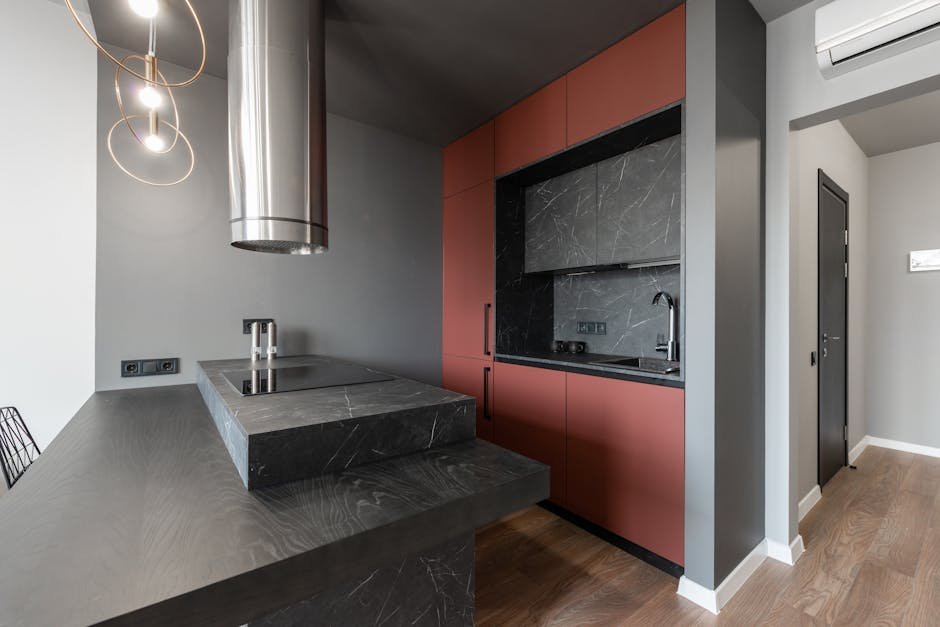
Are you ready to transform your kitchen into a space that’s both stylish and practical? Choosing the right kitchen island design can make all the difference.
It’s not just about looks—your island needs to fit your lifestyle, storage needs, and cooking habits. Imagine having a central spot that makes meal prep easier, adds extra seating, and becomes the heart of your home. You’ll discover simple yet powerful tips that help you pick the perfect kitchen island design.
Keep reading, and soon you’ll know exactly how to create a kitchen island that works beautifully for you.
Assessing Kitchen Space
Choosing the right kitchen island starts with understanding your kitchen space. It is important to know the exact size and shape of your kitchen before making any decisions.
Careful assessment helps you pick a kitchen island that fits well and works for your needs.
Measuring Your Area
Measure the length and width of your kitchen carefully. Note any doors, windows, or appliances that might limit the island size.
- Use a tape measure for accurate results
- Mark any obstacles or corners on your drawing
- Allow space for walking paths around the island
- Consider the height and width of cabinets and counters
Considering Layout Constraints
Think about how your kitchen layout affects the island placement. Make sure it does not block doors or work areas.
| Layout Type | Recommended Island Size | Notes |
| Galley | Small to Medium | Keep aisles at least 36 inches wide |
| L-Shaped | Medium to Large | Island can serve as a divider |
| U-Shaped | Medium | Leave space for appliance doors |
| Open Plan | Large | Island can include seating area |
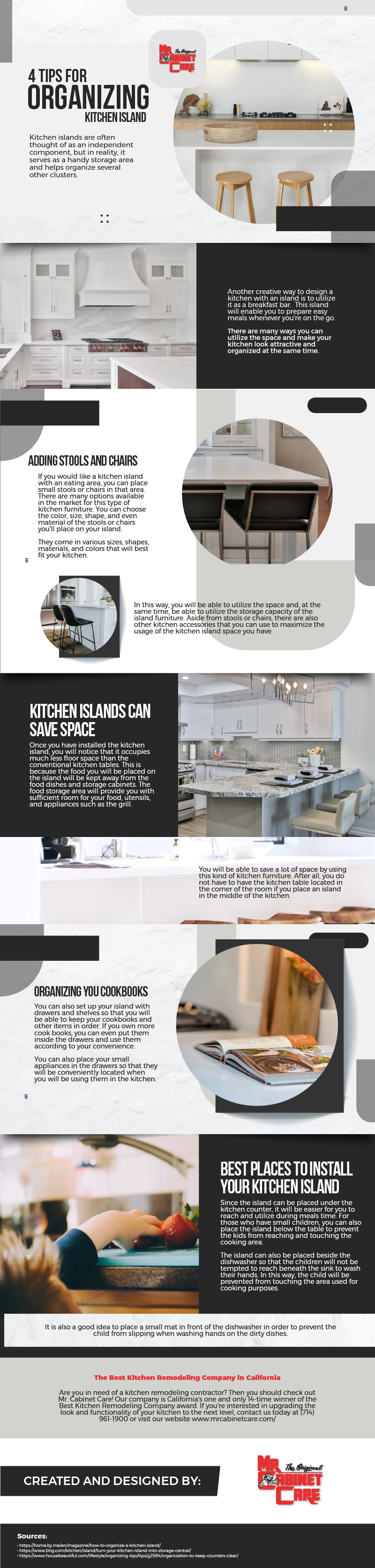
Credit: www.mrcabinetcare.com
Determining Your Needs
Choosing the right kitchen island design starts with knowing what you need. Think about how you use your kitchen every day.
Focus on what tasks the island will support. This will help you pick a design that fits your lifestyle.
Identifying Primary Functions
Decide what you want the island to do. Some islands are for cooking, others for dining or storage.
Knowing the main use helps you choose the right size and features. It also guides the layout.
- Cooking: Add a cooktop or oven
- Eating: Include seating space
- Storage: Use cabinets or shelves
- Prep work: Provide extra counter space
Balancing Style And Utility
Pick a design that looks good and works well. The island should match your kitchen’s style.
Think about materials and shapes that fit your space. Choose something practical but also pleasing to the eye.
- Use durable surfaces for heavy use
- Choose colors that blend with cabinets
- Pick shapes that fit your kitchen layout
- Add lighting to enhance style and function
Exploring Design Options
Choosing the right kitchen island design can change your kitchen’s look. It also adds useful space for cooking and storage.
Think about your kitchen style and how you use the space. This helps find an island that fits well and works for you.
Traditional Vs. Modern Designs
Traditional kitchen islands have classic shapes and warm colors. They often use wood and detailed finishes.
Modern designs focus on clean lines and simple shapes. They use materials like metal and glass for a sleek look.
- Traditional islands often have carved details and rich wood tones
- Modern islands use smooth surfaces and minimal decoration
- Traditional designs bring a cozy, homey feel
- Modern designs create an open, airy space
Material Choices And Durability
Material choice affects how your island looks and how long it lasts. It also changes how much care the island needs.
Wood is warm and classic but can scratch or stain. Stone like granite is strong and heat resistant but heavier.
- Wood: warm, classic, needs regular care
- Granite: hard, heat safe, heavy
- Quartz: durable, low maintenance, modern look
- Stainless steel: sleek, easy to clean, can scratch
- Concrete: very strong, customizable, may crack over time

Credit: www.cashandcarrykitchens.ie
Incorporating Storage Solutions
A kitchen island is more than a countertop. It can store many items to save space. Good storage keeps the kitchen neat and organized.
Choosing the right storage for your island helps you use every inch well. Think about what you need to store and how often.
Maximizing Cabinets And Drawers
Cabinets and drawers add hidden storage to your kitchen island. Use deep drawers for pots and pans. Shallow drawers work for utensils and small tools.
Organize inside cabinets with shelves or dividers. This makes it easy to find what you need fast. Soft-close drawers and doors add comfort and quiet.
- Use pull-out shelves to reach items at the back
- Install drawer organizers for cutlery and gadgets
- Add vertical dividers for baking sheets or trays
- Include cabinets with adjustable shelves for flexibility
Innovative Storage Ideas
Think beyond usual storage. Add open shelves for cookbooks or decorative jars. Use hooks on the sides for hanging mugs or towels.
Consider built-in wine racks or spice racks. Some islands have secret compartments for small appliances. These ideas keep your kitchen tidy and stylish.
- Open shelves for easy access to everyday items
- Side hooks for hanging kitchen towels or utensils
- Built-in racks for wine bottles or spices
- Hidden compartments for small appliances or gadgets
Enhancing Functionality
Choosing the right kitchen island design improves how your kitchen works. A good design makes cooking and cleaning easier.
Focus on features that add usefulness and save space. The island should fit your kitchen size and your daily needs.
Integrating Appliances
Adding appliances to your kitchen island helps save space and keeps tools handy. You can include ovens, microwaves, or dishwashers.
Think about where to place appliances for easy reach. Make sure there is enough room for doors and ventilation.
- Place the microwave at a comfortable height
- Use a built-in oven to save counter space
- Include a dishwasher near the sink if possible
- Install power outlets for small appliances
Seating And Dining Considerations
Adding seating to your kitchen island makes it a place to eat and talk. Choose stools or chairs that fit your space.
Make sure there is enough legroom and space for people to move around. The height of the seating should match the island’s counter.
- Use stools without backs to save space
- Allow at least 24 inches per seat
- Keep 12-15 inches of knee space under the counter
- Consider a raised bar area for casual dining
Choosing The Right Finish
Choosing the right finish for your kitchen island is key to its look and durability. The finish affects how the island fits with the rest of your kitchen. It also changes how easy it is to clean and maintain.
Consider your kitchen’s style and how you use the island before picking a finish. This will help you find the best match for your space.
Coordinating With Kitchen Décor
Your kitchen island should blend well with your kitchen décor. Choose a finish that matches or complements your cabinets, countertops, and flooring. This creates a smooth and balanced look.
- Match wood tones to cabinets or floors
- Use contrasting finishes for a bold look
- Pick matte finishes for a modern style
- Choose glossy finishes for a traditional feel
Selecting Color And Texture
Color and texture play a big role in your kitchen island’s finish. They affect the mood and style of the room. Light colors can make the space feel open, while dark colors add warmth and depth.
| Finish Type | Color Options | Texture | Best For |
| Painted | Any color | Smooth, matte or glossy | Modern or classic kitchens |
| Stained Wood | Natural wood tones | Grainy, textured | Rustic and traditional styles |
| Laminate | Wide variety | Smooth or patterned | Budget-friendly and durable |
| Concrete | Gray tones mainly | Textured, rough | Industrial or modern kitchens |
Lighting And Ambiance
Lighting plays a big role in choosing a kitchen island design. It sets the mood and helps you work better.
Good lighting makes the kitchen island a comfortable place for cooking and gathering.
Task Lighting Options
Task lighting helps you see clearly while preparing food on the island. It focuses light on work areas.
Popular task lighting types include pendant lights, recessed lights, and under-cabinet lights.
- Pendant lights hang low and shine light directly on the island
- Recessed lights are built into the ceiling and provide even light
- Under-cabinet lights add extra brightness if your island has shelves
Creating A Focal Point
The kitchen island can be the room’s center of attention with the right lighting. This draws eyes to the island.
Use stylish light fixtures or a cluster of lights to create a strong visual appeal.
- Choose unique pendant lights that match your kitchen style
- Use dimmable lights to change mood and brightness
- Combine lighting with island design colors for a bold look

Credit: www.designcafe.com
Frequently Asked Questions
What Size Should A Kitchen Island Be?
The kitchen island size depends on your kitchen space. It should allow easy movement around it. Typically, leave 36-48 inches clearance on all sides for comfortable access.
Which Materials Are Best For Kitchen Island Countertops?
Popular materials include granite, quartz, marble, and butcher block. Choose durable, heat-resistant, and easy-to-clean surfaces that match your kitchen style and budget.
How To Choose The Right Kitchen Island Layout?
Select a layout that complements your kitchen’s flow. Options include freestanding, peninsula, or mobile islands. Consider your space, usage, and storage needs before deciding.
What Features Should A Functional Kitchen Island Have?
Include ample storage, seating options, and lighting. Adding a sink or cooktop can improve usability. Customize features based on your cooking habits and space availability.
Conclusion
Choosing the right kitchen island design makes your space both useful and nice. Think about how you cook and eat daily. Pick a style that fits your room size and needs. Balance looks with function for the best result. A good island brings family and friends together.
Take time to plan well before you buy. Your kitchen will feel fresh and inviting. Enjoy the process and create a place you love.