
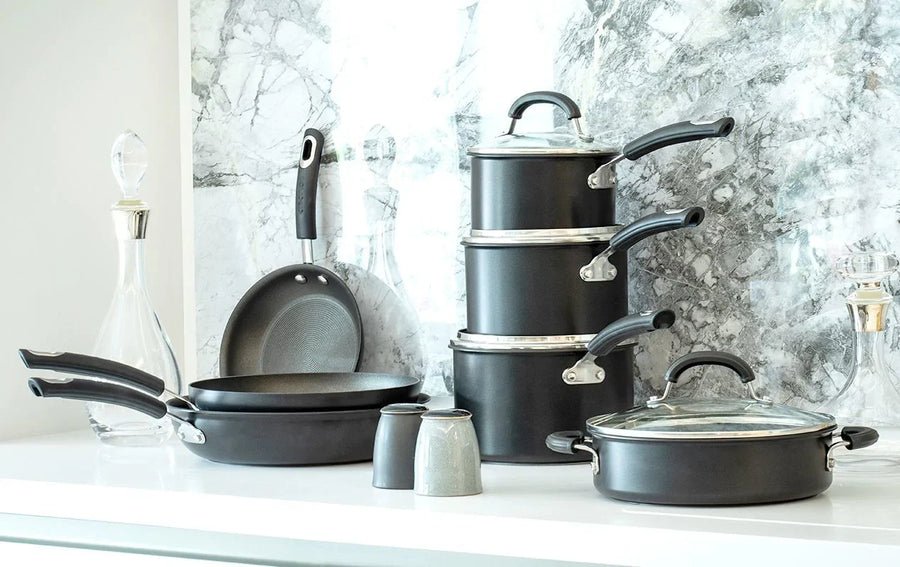
If you love cooking with non-stick cookware, you know how important it is to keep it in great shape. But cleaning these pans can be tricky—you want to avoid scratches and damage while making sure they’re spotless.
What if you could learn simple, effective tips that protect your cookware and make cleaning faster and easier? Keep reading, because these easy-to-follow tips will help you extend the life of your non-stick pans and keep your meals tasting their best.
Your kitchen will thank you!
Credit: hexclad.com
Importance Of Proper Care
Non-stick cookware makes cooking easier and cleaning faster. Proper care keeps the coating safe and lasts longer.
Ignoring care tips can damage the surface. This reduces the pan’s usefulness and may cause food to stick.
Avoid Using Metal Tools
Metal tools can scratch the non-stick coating. Use wooden, silicone, or plastic utensils instead to keep the surface smooth.
Clean With Soft Sponges
Always clean non-stick pans with soft sponges. Hard scrubbers can damage the coating and reduce its effectiveness.
- Use warm soapy water
- Gently wipe the surface
- Rinse well and dry with a towel
Avoid High Heat
High heat can break down the non-stick layer. Cook on low or medium heat to protect the pan and save energy.
Store Carefully To Prevent Damage
Stacking pans without protection can cause scratches. Place a paper towel or cloth between pans to keep them safe.
| Storage Tip | Reason |
| Separate with cloth | Prevents scratches |
| Hang pans | Keeps surfaces safe |
| Use pan protectors | Protects coating |
Choosing The Right Cleaning Tools
Cleaning non-stick cookware needs care to keep its surface safe. Choosing the right tools helps avoid damage. Use gentle items to clean without scratching the coating.
This guide covers which cleaning tools to avoid and which to use for best results.
Avoiding Abrasive Materials
Abrasive materials can ruin non-stick pans quickly. Scrubbers like steel wool and rough scouring pads scratch the surface. Avoid using harsh powders or cleaners with strong chemicals.
- Do not use steel wool or metal brushes
- Avoid harsh chemical cleaners and powders
- Skip rough scouring pads and abrasive sponges
- Check labels to make sure cleaning products are gentle
Using Soft Sponges And Brushes
Soft cleaning tools remove food without scratching. Use sponges made of soft materials or nylon brushes. These tools clean well and protect the coating.
| Tool | Material | Best Use |
| Soft Sponge | Cellulose or foam | Daily cleaning |
| Nylon Brush | Soft nylon bristles | Removing stuck food |
| Microfiber Cloth | Microfiber | Polishing and drying |
Effective Cleaning Techniques
Cleaning non-stick cookware needs care to keep the surface safe. Using the right cleaning methods helps the cookware last longer.
Avoid harsh scrubbing or strong chemicals. These can damage the non-stick coating and reduce its effectiveness.
Gentle Handwashing Methods
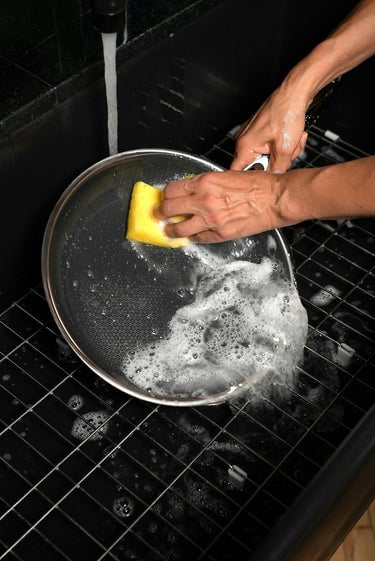
Always wash non-stick pans by hand. Use warm water and mild dish soap to clean the surface gently.
Use a soft sponge or cloth to avoid scratching. Avoid metal scrubbers or abrasive pads that can harm the coating.
- Fill the sink with warm water and mild soap
- Soak the pan for a few minutes if needed
- Use a soft sponge to wipe the surface clean
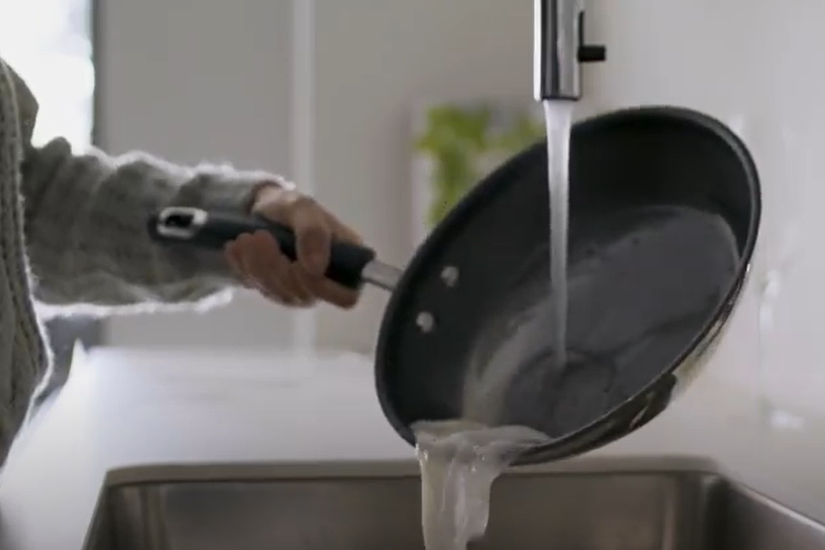
- Rinse with warm water to remove soap
- Dry with a soft towel to avoid water spots
Dealing With Stubborn Residue
If food sticks to the pan, soak it in warm, soapy water for 10-15 minutes. This loosens the residue without scrubbing hard.
For tough spots, use a paste of baking soda and water. Apply it gently with a soft cloth and rinse well after.
- Soak the cookware in warm, soapy water
- Make a baking soda paste with water
- Apply paste to stuck areas using a soft cloth
- Let it sit for a few minutes before wiping
- Rinse thoroughly and dry with a towel

Credit: cookdinehost.com
Natural Cleaning Solutions
Cleaning non-stick cookware can be easy with natural products. These solutions protect the coating and keep your pans safe.
Natural cleaners remove stains and grease without harsh chemicals. They are gentle and effective for daily use.
Baking Soda And Vinegar
Baking soda and vinegar help lift stuck-on food and grease. They create a gentle fizz that cleans without scratching.
Use baking soda as a mild scrub and vinegar to dissolve grime. This combo works well for tough spots on your pans.
- Sprinkle baking soda on the pan’s surface
- Add a small amount of vinegar to start fizzing
- Let it sit for 10 minutes
- Use a soft sponge to scrub gently
- Rinse with warm water and dry
Lemon Juice And Salt
Lemon juice and salt make a natural scrub that removes stains. Lemon’s acid breaks down grease, and salt adds gentle abrasion.
This mix brightens the pan’s surface and cleans stuck food without damage. It is safe for all non-stick coatings.
- Cut a lemon in half
- Dip the lemon in salt
- Rub the lemon over the dirty pan
- Let it sit for 5 minutes
- Rinse well and dry with a cloth
Preventing Damage
Non-stick cookware needs careful handling to last longer. Damage to the surface reduces its usefulness.
Simple habits can keep your pans working well and looking new for years.
Avoiding Metal Utensils
Metal utensils can scratch and harm the non-stick coating. Use tools made of wood, silicone, or plastic instead.
- Choose wooden spoons for stirring
- Use silicone spatulas to flip food
- Avoid knives or forks on the cooking surface
- Check utensils for rough edges before use
Proper Storage Practices
How you store non-stick pans affects their coating. Stacking pans without care can cause scratches and chips.
| Storage Tip | Reason |
| Use pan protectors or cloth between pans | Prevents scratching the surface |
| Hang pans by their handles | Keeps surfaces separate and safe |
| Store in a dry place | Avoids rust on metal parts |
| Keep lids separate or stacked carefully | Protects both lids and pans |
Credit: circulon.uk.com
Common Mistakes To Avoid
Cleaning non-stick cookware needs care to keep the surface safe. Wrong cleaning can damage the coating.
Learn which mistakes to avoid to make your cookware last longer.
Using Abrasive Cleaners
Abrupt scrubbing with harsh cleaners can scratch the non-stick surface. This reduces its cooking quality.
Always use gentle sponges or cloths with mild soap for cleaning.
Washing While Cookware Is Hot
Cleaning non-stick pans when they are still hot can warp the metal. This damages the cookware shape.
Wait for the cookware to cool down before washing it.
Using Metal Utensils
Metal tools can scratch or peel the non-stick coating. This reduces the lifespan of your cookware.
Use wooden, silicone, or plastic utensils to protect the surface.
Putting Non-stick Cookware In The Dishwasher
Dishwashers use strong detergents and hot water that harm non-stick coatings. This causes peeling and dullness.
Hand wash your non-stick pans to keep them safe and clean.
Using High Heat Often
Non-stick pans work well on low to medium heat. High heat can break down the coating faster.
Use moderate heat to protect your cookware and save energy.
Frequently Asked Questions
How Do I Clean Non-stick Cookware Without Damaging It?
Use a soft sponge and mild dish soap to clean non-stick cookware. Avoid abrasive scrubbers and harsh chemicals that can damage the coating. Hand wash immediately after use for best results.
Can I Put Non-stick Cookware In The Dishwasher?
Most non-stick cookware is dishwasher safe, but hand washing is recommended. Dishwashers can wear down the coating faster. Always check the manufacturer’s instructions.
What Should I Avoid When Cleaning Non-stick Pans?
Avoid metal utensils, abrasive scrubbers, and harsh cleaners. These can scratch or peel the non-stick coating. Use gentle tools and mild detergents instead.
How Often Should I Clean My Non-stick Cookware?
Clean non-stick cookware after every use to maintain its coating. Prompt cleaning prevents food buildup and extends the life of your pans.
Conclusion
Cleaning non-stick cookware is simple with the right steps. Use soft sponges and mild soap to protect the surface. Avoid harsh scrubbing or metal tools that can cause damage. Let cookware cool before washing to keep it safe. Regular care helps your pans last longer and cook better.
A little attention goes a long way in keeping non-stick pots and pans in top shape. Enjoy cooking with clean, well-maintained cookware every day.