
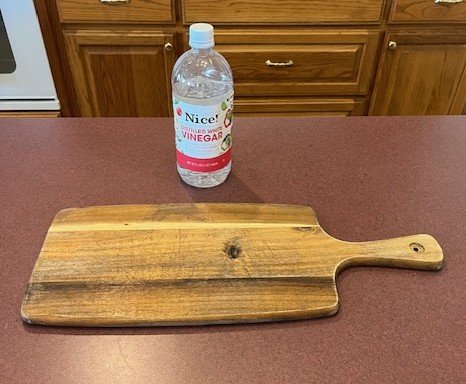
Your cutting board is one of the busiest tools in your kitchen. It handles everything from raw meat to fresh veggies, making it a hotspot for germs and stains.
If you want to keep your cutting board clean and safe without using harsh chemicals, vinegar is your best natural friend. You’ll discover simple, effective ways to clean your cutting boards thoroughly with vinegar. By the end, you’ll feel confident that your kitchen stays fresh and your food stays healthy.
Ready to learn the easy steps to a cleaner cutting board? Let’s get started!

Credit: branchbasics.com
Types Of Cutting Boards
Cutting boards come in different materials. Each type needs a different cleaning method. Using vinegar can clean many boards naturally.
Knowing the types helps you keep your boards safe and long-lasting. Below, we explain the common cutting board types.
Wooden Boards
Wooden boards are popular for chopping vegetables and meat. They are gentle on knives but can absorb liquids if not cared for.
- Use white vinegar to clean and disinfect wooden boards.
- Apply vinegar with a cloth and wipe the surface.
- Rinse with warm water and dry well.
- Do not soak wooden boards to avoid warping.
Plastic Boards
Plastic boards are easy to clean and dishwasher safe. They are less porous than wood but can get knife marks.
| Cleaning Method | Details |
| Vinegar Spray | Spray vinegar on the board, let sit 5 minutes, then rinse. |
| Dishwasher | Use dishwasher for deep cleaning and sanitizing. |
| Scrubbing | Scrub with soapy water to remove stains and smells. |
Glass And Bamboo Boards
Glass boards are hard and easy to clean but may dull knives. Bamboo boards are eco-friendly and tougher than wood.
Tips for vinegar cleaning:
- Glass: Wipe with vinegar and rinse to avoid streaks.
- Bamboo: Apply vinegar lightly; avoid soaking to prevent damage.
Why Vinegar Is Effective
Vinegar is a natural cleaner that helps remove bacteria and odors. It works well for cleaning cutting boards safely.
Its acidic nature breaks down grime and kills many germs without harsh chemicals.
Natural Disinfectant Properties
Vinegar contains acetic acid, which kills many bacteria and viruses. This makes it a good disinfectant for kitchen use.
It removes food stains and reduces smells on cutting boards. Vinegar cleans without harming your health or the environment.
- Kills common kitchen bacteria
- Breaks down tough stains
- Neutralizes bad odors
- Non-toxic and chemical-free
Safe For Various Surfaces
Vinegar cleans many types of cutting boards, including wood and plastic. It does not damage the surface like some harsh cleaners.
It helps keep your boards in good condition while keeping them clean and safe for food.
- Works on wooden cutting boards
- Safe for plastic and bamboo boards
- Does not cause cracks or wear
- Leaves surfaces fresh and clean
Preparation Before Cleaning
Cleaning cutting boards with vinegar is a natural way to keep them fresh. Preparing your board well helps the vinegar work better.
Before you start, make sure you have everything ready. This saves time and makes cleaning easier.
Gather Necessary Supplies
Collect all the tools and materials you need before you clean. This helps you avoid stopping in the middle of the process.
- White vinegar for natural cleaning
- Warm water for rinsing
- Dish soap to remove grease
- Soft scrub brush or sponge
- Clean cloth or paper towels
- Plastic scraper or spatula
Initial Rinse And Scrape
Start by rinsing the cutting board with warm water. This removes loose food and dirt from the surface.
Use a plastic scraper to gently remove stuck-on bits. Avoid metal tools that can damage the board.
- Rinse board under warm running water
- Hold board at an angle to drain water
- Use plastic scraper to lift food scraps
- Discard scraps in trash or compost
Credit: www.realhomes.com
Cleaning Wooden Boards With Vinegar
Wooden cutting boards need regular cleaning to stay safe and fresh. Vinegar is a natural cleaner that kills germs and removes smells.
Using vinegar helps clean boards without harsh chemicals. It is gentle on the wood and easy to use daily or for deep cleaning.
Steps For Daily Cleaning
After each use, wipe your wooden board with vinegar to keep it clean. This stops bacteria and removes odors quickly.
Use white vinegar because it is safe and effective. Spray or pour it on the board and let it sit for a few minutes.
- Rinse the board with warm water
- Apply white vinegar evenly on the surface
- Let it sit for 5 minutes
- Wipe with a clean cloth or paper towel
- Dry the board standing up to air dry
Deep Cleaning Techniques
For tough stains or smells, do a deep clean with vinegar and other natural ingredients. This removes dirt deep in the wood.
Use coarse salt to scrub with vinegar. The salt scrubs the surface while vinegar disinfects.
- Sprinkle coarse salt on the wooden board
- Pour white vinegar over the salt
- Use a scrub brush or sponge to scrub well
- Rinse with warm water
- Dry the board completely before storing
Cleaning Plastic Boards With Vinegar
Plastic cutting boards are common in many kitchens. They can hold bacteria if not cleaned well.
Using vinegar is a natural way to clean and disinfect these boards. It removes germs and odors effectively.
Routine Cleaning Process
Clean your plastic cutting board after every use. Vinegar helps remove dirt and kills bacteria.
Spray or pour white vinegar over the board’s surface. Let it sit for a few minutes before rinsing.
- Use plain white vinegar without additives
- Apply vinegar evenly on the board
- Wait 5 to 10 minutes for best results
- Rinse with warm water and dry thoroughly
Tackling Stubborn Stains
Some stains on plastic boards need extra care. Vinegar combined with baking soda can help.
Sprinkle baking soda on the stained area. Then pour vinegar over it. Let it bubble and work for a few minutes.
- Sprinkle baking soda on the stain
- Pour vinegar slowly over baking soda
- Wait 5 to 7 minutes for bubbling action
- Scrub gently with a brush or sponge
- Rinse the board with warm water

Credit: homewithgraceandjoy.com
Cleaning Glass And Bamboo Boards
Cutting boards need regular cleaning to stay safe and fresh. Vinegar is a natural cleaner that works well on glass and bamboo boards.
This guide shows how to clean these boards thoroughly using vinegar. It helps remove germs and odors without harsh chemicals.
Quick Cleaning Tips
For glass boards, spray white vinegar directly on the surface. Let it sit for a few minutes, then wipe with a clean cloth.
For bamboo boards, use a mix of vinegar and water. Apply with a soft cloth, then rinse and dry well to avoid damage.
- Use undiluted vinegar for glass boards
- Mix one part vinegar with four parts water for bamboo
- Wipe all surfaces thoroughly
- Let boards air dry fully
Maintaining Surface Integrity
Glass boards are strong but can scratch if cleaned roughly. Use soft cloths to protect the surface.
Bamboo boards need gentle care. Avoid soaking them in water or vinegar for too long. This keeps them from warping or cracking.
- Do not use abrasive scrubbers on glass
- Dry bamboo boards immediately after cleaning
- Oil bamboo boards occasionally to keep them smooth
- Store boards in a dry place
Additional Tips For Maintenance
Cleaning cutting boards with vinegar helps keep them fresh and safe. To keep your boards in good shape, regular care is important.
Check your cutting boards often and store them properly. These steps will extend the life of your boards naturally.
Regular Inspection For Damage
Look at your cutting boards for cracks, deep cuts, or warping. These can hide bacteria and cause contamination.
- Check for deep grooves where food can get stuck
- Replace boards with large cracks or warping
- Sand minor scratches to smooth the surface
- Clean boards thoroughly after each use
Proper Storage Solutions
Store your cutting boards in a dry, well-ventilated place. Avoid stacking wet boards to prevent mold and warping.
| Storage Tip | Reason |
| Stand boards upright | Allows air to dry both sides |
| Keep away from heat sources | Prevents warping and cracking |
| Use hooks or racks | Keeps boards organized and dry |
| Store separate types apart | Prevents cross-contamination |
Benefits Of Using Vinegar
Vinegar is a natural cleaner for cutting boards. It kills germs and removes odors safely.
Using vinegar helps keep your cutting board fresh without harsh chemicals. It is easy to find and use.
Eco-friendly And Economical
Vinegar is made from natural ingredients and breaks down easily in the environment. It does not pollute water or soil.
It costs less than many commercial cleaners. A small bottle lasts a long time, saving money.
- Made from natural materials
- Biodegradable and safe for nature
- Low cost and widely available
- Reduces plastic waste from store-bought cleaners
Enhancing Cutting Board Longevity
Vinegar cleans without damaging the wood or plastic of cutting boards. It stops stains and buildup.
Regular use keeps boards looking new and prevents cracks where bacteria grow. This extends their life.
- Prevents mold and mildew growth
- Removes stains and odors naturally
- Protects material from harsh chemicals
- Keeps surface smooth and safe for cutting
Frequently Asked Questions
How Does Vinegar Clean Cutting Boards Naturally?
Vinegar is a natural disinfectant that kills bacteria effectively. Its acidity breaks down grime and food residues. Using vinegar avoids harsh chemicals, making it safe for wooden and plastic boards. Simply spray or wipe vinegar on the board, let it sit, then rinse for a clean surface.
Can Vinegar Remove Stains From Cutting Boards?
Yes, vinegar helps lighten stains on cutting boards. Its acidic nature breaks down pigments and food particles. For tough stains, combine vinegar with baking soda for scrubbing. Regular vinegar cleaning prevents discoloration and keeps boards looking fresh and hygienic.
Is Vinegar Safe For Wooden Cutting Boards?
Vinegar is safe for wooden cutting boards when used properly. Avoid soaking wood in vinegar to prevent damage. Instead, spray or wipe vinegar lightly and rinse quickly. This method disinfects without drying out or cracking the wood, maintaining its longevity.
How Often Should I Clean Cutting Boards With Vinegar?
Clean cutting boards with vinegar after every use, especially with raw meat or fish. Regular cleaning prevents bacteria buildup and odors. For deeper cleaning, use vinegar weekly along with scrubbing to maintain hygiene and extend the board’s lifespan.
Conclusion
Cleaning cutting boards with vinegar keeps them fresh and safe. Vinegar kills germs without harsh chemicals. It’s simple, natural, and cheap. Use it often to stop smells and stains. Your kitchen stays cleaner, and food tastes better. Try this easy method to care for your boards.
A little vinegar goes a long way. Keep your kitchen healthy and green with this trick.