
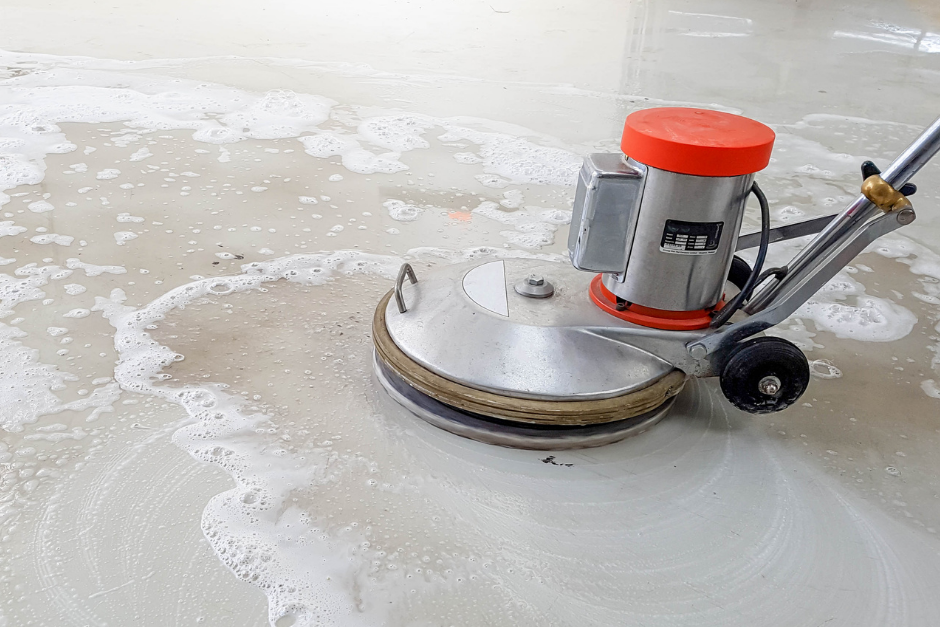
Your floor polisher is more than just a cleaning tool—it’s an investment that keeps your floors shining and your space looking its best. But if you don’t take care of it properly, you could face costly repairs or a shorter lifespan.
Wondering how to keep your floor polisher working like new? This guide will walk you through simple, effective maintenance tips that anyone can follow. Keep reading to discover easy ways to protect your machine and save time and money in the long run.
Choosing The Right Floor Polisher
Picking the right floor polisher is important for good floor care. The right tool makes cleaning easier and protects your floors.
This guide helps you choose a floor polisher that fits your needs. Learn about different types and how to select one based on your floor type.
Types Of Floor Polishers
There are several types of floor polishers. Each type works best for certain cleaning tasks and floor surfaces.
- Rotary Floor Polishers:Use a circular motion to polish floors. Good for hard surfaces like tile and concrete.
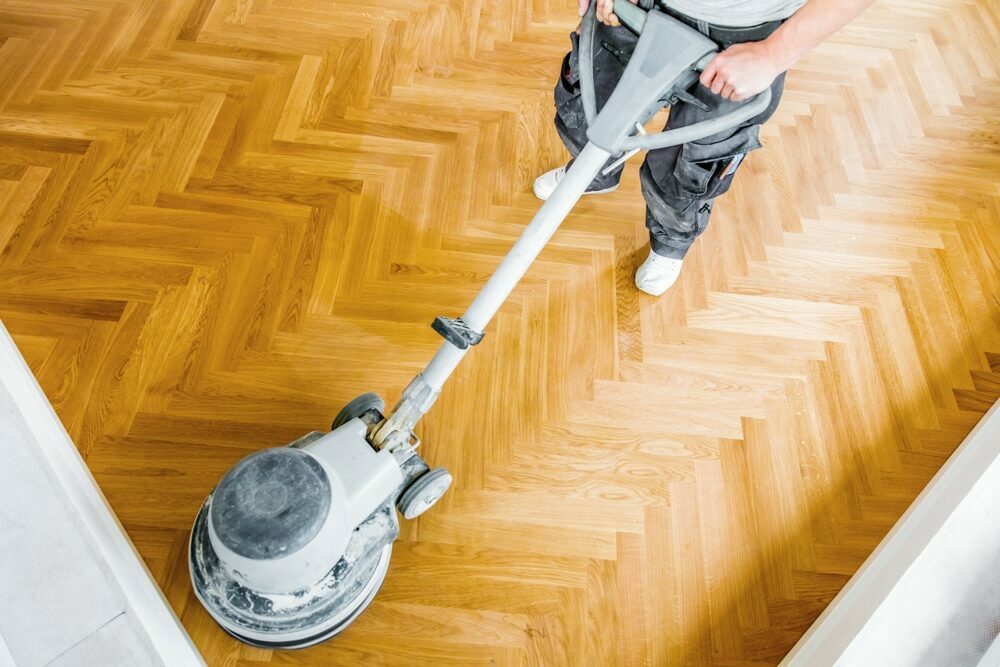
- Orbital Floor Polishers:Move in small orbits to reduce marks. Ideal for delicate floors like hardwood and vinyl.
- Automatic Scrubbers:Combine polishing and scrubbing. Best for large commercial areas with tough dirt.
- Handheld Polishers:Lightweight and easy to use on small spots or edges.
Selecting Based On Floor Type
Choosing a floor polisher depends on the floor material. Different floors need different care to avoid damage.
| Floor Type | Recommended Polisher | Notes |
| Hardwood | Orbital Floor Polisher | Gentle motion protects wood finish |
| Tile | Rotary Floor Polisher | Effective on tough stains and grout |
| Vinyl | Orbital or Handheld Polisher | Avoids scratches and surface damage |
| Concrete | Rotary or Automatic Scrubber | Good for heavy-duty cleaning |
Credit: mrsander.co.uk
Regular Cleaning And Maintenance
Maintaining floor polishers keeps them working well. Regular cleaning and care extend their life.
Simple daily and weekly tasks prevent damage and improve performance. Follow these routines to keep your equipment in top shape.
Daily Cleaning Routine
Clean the floor polisher after each use to remove dirt and polish residue. This helps avoid buildup and clogs.
- Unplug the machine before cleaning.
- Wipe the exterior with a damp cloth.
- Remove and clean the pads or brushes.
- Check and empty the recovery tank if present.
- Inspect the power cord for damage.
Weekly Maintenance Tasks
Perform deeper checks weekly to ensure all parts work properly. Lubricate and tighten components as needed.
| Task | Details |
| Inspect Brushes | Look for wear and replace if bristles are thin. |
| Check Belts | Ensure belts are tight and not cracked. |
| Lubricate Moving Parts | Apply oil to bearings and joints to reduce friction. |
| Tighten Screws | Secure loose screws and bolts to prevent damage. |
| Test Machine | Run the polisher to listen for unusual sounds. |
Proper Storage Techniques
Keeping floor polishers in good shape extends their lifespan. Proper storage is key to avoid damage. It also helps keep them ready for use.
Learn about the best places and ways to store your floor polishers. Avoid common errors that can cause problems later.
Ideal Storage Conditions
Store floor polishers in a dry and cool area. Avoid damp places that can cause rust and electrical faults. Keep them away from direct sunlight to prevent plastic parts from cracking.
- Use a clean, dry storage room or closet
- Keep polishers off the floor using shelves or hooks
- Cover machines with a cloth or plastic cover
- Ensure good ventilation to prevent moisture build-up
- Store cords neatly to avoid tangling or damage
Avoiding Common Mistakes
Many people store floor polishers incorrectly, which leads to damage. Avoid these common mistakes to keep your machine safe and working well.
| Common Mistake | Why It Is Harmful | How to Avoid |
| Storing in wet areas | Causes rust and electrical shorts | Choose a dry storage space |
| Leaving polishers plugged in | Can cause overheating or damage | Unplug after use |
| Wrapping cords tightly | Damages wires inside the cord | Coil cords loosely |
| Placing heavy objects on polishers | Can break parts or affect balance | Store polishers alone, without weight on top |

Credit: www.brennerfs.com
Troubleshooting Common Issues
Floor polishers need regular care to work well. Sometimes, problems appear that slow them down.
Knowing how to fix common issues helps keep the machine ready to use. This guide covers basic troubleshooting tips.
Dealing With Mechanical Failures
Mechanical failures stop the floor polisher from running. These include motor troubles and broken parts.
Check the motor, belts, and brushes often. Clean or replace parts if needed to avoid breakdowns.
- Listen for unusual noises from the motor
- Inspect belts for wear or damage
- Clean motor brushes to ensure good contact
- Tighten loose screws and bolts
- Replace broken parts promptly
Addressing Performance Problems
Performance problems reduce how well the polisher cleans floors. These can be caused by dull pads or wrong settings.
Use the right pads for the floor type and replace worn ones. Adjust speed settings to match the cleaning job.
- Check if the polishing pad is worn out
- Clean or change pads regularly
- Set the machine speed to fit the floor
- Keep the floor surface clean before polishing
- Make sure the machine moves smoothly without jerks
Safety Tips For Floor Polisher Use
Using floor polishers safely protects you and others from accidents. It helps keep your workspace clean and damage-free.
Follow basic safety tips to avoid injuries and maintain the machine properly. This guide covers essential safety gear and handling steps.
Protective Gear And Equipment
Wearing the right protective gear reduces risks while using a floor polisher. It shields you from dust, noise, and electrical hazards.
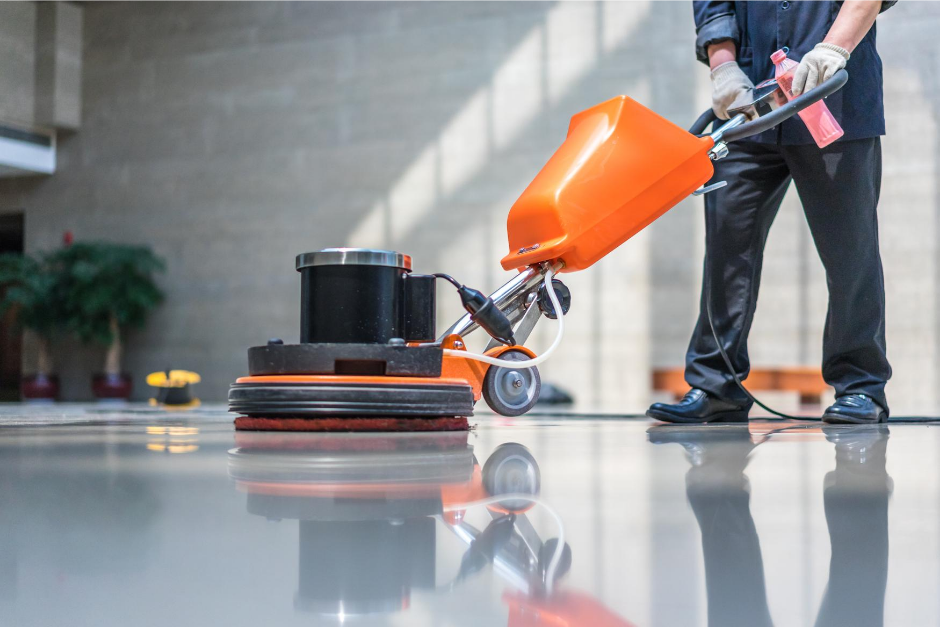
Always wear sturdy shoes with good grip. Use gloves to protect your hands and safety glasses to protect your eyes.
- Non-slip shoes to prevent falls
- Gloves to avoid cuts and blisters
- Safety glasses to block dust and debris
- Ear protection if the polisher is loud
Safe Handling Practices
Handle the floor polisher carefully to avoid accidents. Read the manual before use and check the machine for damage.
Keep the cord away from water and sharp edges. Use both hands to control the polisher and avoid rushing the job.
- Inspect the polisher for loose parts before use
- Keep the work area free of obstacles
- Hold the machine firmly with both hands
- Do not pull the cord to unplug the polisher
- Turn off the machine before moving it or changing pads
Credit: commercialcleaningcorp.com
Extending The Life Of Your Polisher
Floor polishers need care to work well for a long time. Regular maintenance helps avoid problems. It saves money on repairs and replacements.
Simple steps can keep your polisher running smoothly. Checking parts and cleaning it often are important. Let’s look at how to maintain your floor polisher.
Routine Inspections
Check your floor polisher before and after use. Look for damage or worn parts. This stops small problems from getting worse.
Inspect these parts regularly:
- Power cord for cracks or cuts
- Brushes or pads for wear
- Switches and controls for proper function
- Drive belts for tension and cracks
- Housing and handle for cracks or loose parts
When To Replace Parts
Replace parts when they show signs of damage or wear. Old parts can cause the polisher to stop working well. Safety is also a concern.
Common parts to replace include:
- Worn brushes and pads for better polishing
- Damaged power cords to avoid electric shocks
- Broken switches to keep control
- Frayed belts for smooth operation
- Loose or cracked housing to protect internal parts
Frequently Asked Questions
How Often Should I Clean My Floor Polisher?
Clean your floor polisher after every use to avoid dirt buildup. Regular cleaning keeps it efficient and extends its lifespan.
What Type Of Polish Works Best With Floor Polishers?
Use floor polish recommended by your polisher’s manufacturer. Typically, water-based polishes are safe and effective for most floor types.
How Do I Maintain The Motor Of A Floor Polisher?
Check the motor for dust and debris regularly. Lubricate moving parts and replace worn brushes to ensure smooth operation.
Can I Use Any Pad With My Floor Polisher?
No, always use pads compatible with your polisher and floor type. Using the wrong pad can damage both the machine and floor.
Conclusion
Regular care keeps floor polishers working well and lasting long. Clean the pads and check the cords often. Store the machine in a dry, safe place. Small fixes prevent big problems later. Following simple steps saves money and time. Keep your floor polishers ready for every job.
Good maintenance means better floors and happier customers. Don’t skip these easy habits—they help you work smarter. Take care today for smoother polishing tomorrow.