
Your kitchen is more than just a place to cook – it’s where you start your day, share meals, and create memories. But have you ever noticed how the right lighting can completely change the way your kitchen feels and functions?
Choosing the perfect kitchen lighting isn’t just about style; it’s about making your space safer, brighter, and more inviting. If you want to avoid costly mistakes and discover simple tips that can transform your kitchen instantly, keep reading. This guide will help you find the ideal lighting that fits your needs and enhances every moment spent in your kitchen.
Credit: trisupplyhome.com
Types Of Kitchen Lighting
Lighting in the kitchen is important for both function and style. Different types of lighting serve various purposes.
Choosing the right lighting helps you cook safely and makes the space feel welcoming.
Ambient Lighting
Ambient lighting is the main source of light in the kitchen. It lights up the whole room evenly.
Common ambient lights include ceiling fixtures and recessed lights. They create a comfortable brightness level.
- Ceiling-mounted fixtures
- Flush or semi-flush lights
- Recessed downlights
- LED panel lights
Task Lighting
Task lighting focuses on specific work areas in the kitchen. It helps you see better while cooking or cleaning.
Good task lighting is bright and reduces shadows on counters, sinks, and stoves.
- Under-cabinet lights
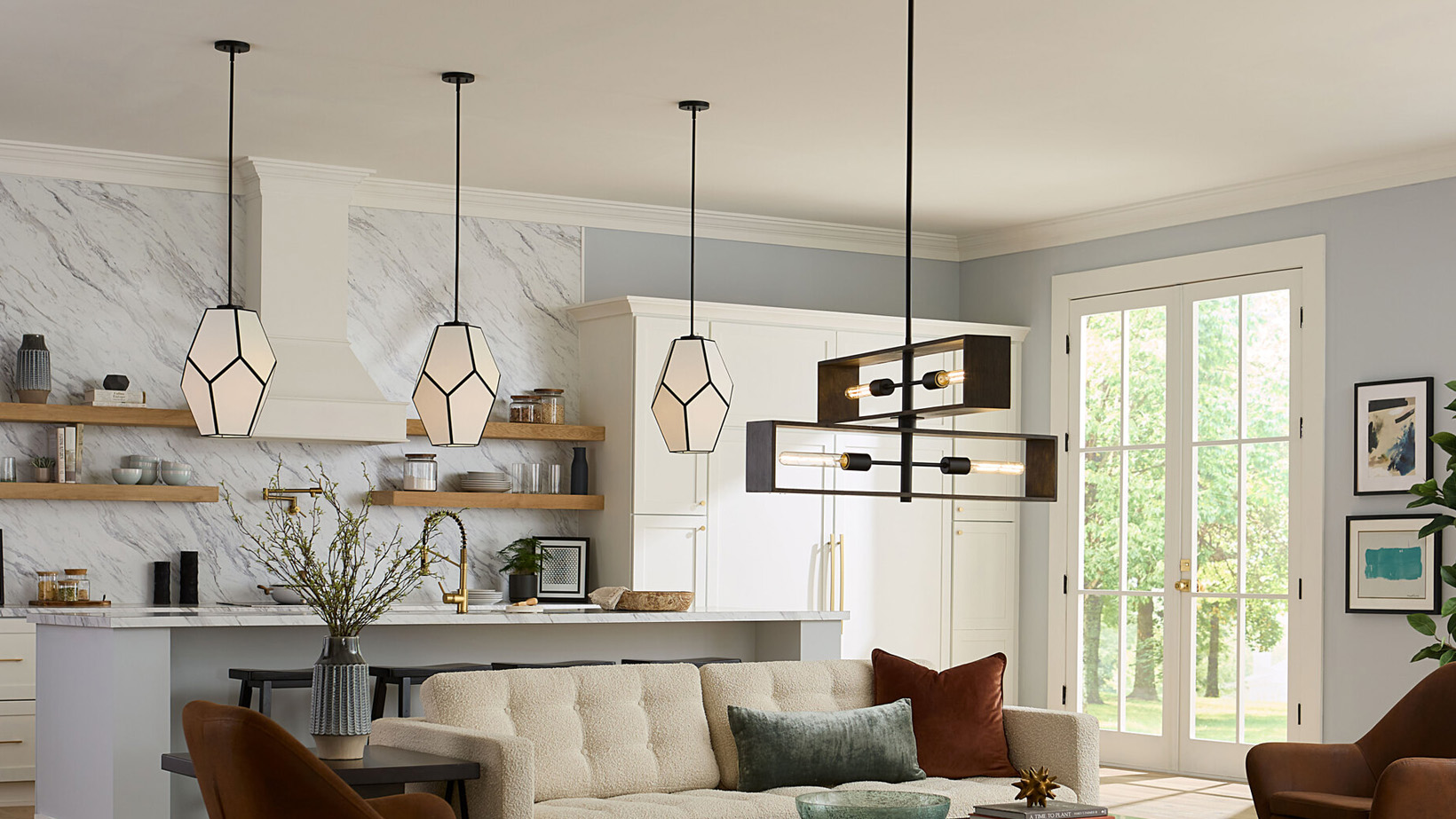
- Pendant lights over islands
- Strip LED lights
- Adjustable spotlights
Accent Lighting
Accent lighting highlights features like cabinets, artwork, or decorative items. It adds style and depth.
Accent lights are usually softer and used in smaller areas to create interest.
- Cabinet interior lights
- Toe-kick lights under cabinets
- Wall sconces
- LED strip lights on shelves
Choosing The Right Fixtures
Lighting shapes the look and feel of your kitchen. Picking the right fixtures helps you see clearly and enjoy the space.
Think about how you use the kitchen. Different lights serve different purposes. Choose fixtures that fit your style and needs.
Pendants And Chandeliers
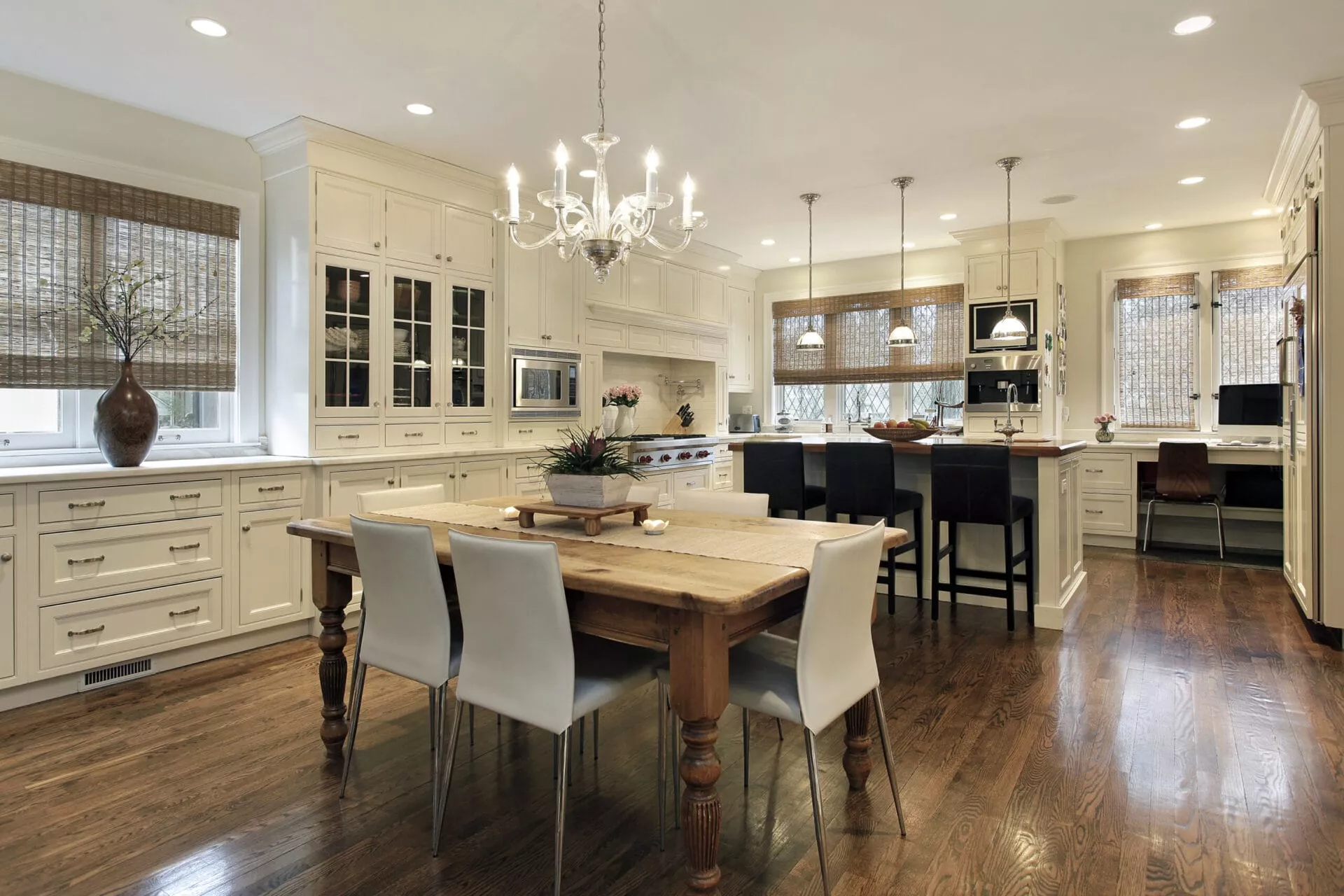
Pendants and chandeliers add style and light over dining or island areas. They give a focal point and brighten up the room.
- Pick a size that fits your space without crowding.
- Choose a style that matches your kitchen’s theme.
- Hang them at the right height for good light and no glare.
- Use bulbs with the right brightness and color for mood.
Recessed Lights
Recessed lights are set into the ceiling. They give even light without taking up space. They work well for general lighting.
| Benefit | Use |
| Space-saving | Good for low ceilings |
| Even lighting | Brightens whole kitchen |
| Minimal look | Fits modern kitchens |
| Energy efficient | Use LED bulbs |
Under-cabinet Lighting
Under-cabinet lights brighten counters and work areas. They help with food prep and add warmth to the kitchen.
Tips for under-cabinet lighting:
- Choose LED strips or puck lights for even light.
- Pick warm or neutral white bulbs for a cozy feel.
- Install switches that are easy to reach.
- Make sure lights do not create shadows on workspaces.
Energy-efficient Options
Choosing energy-efficient lighting helps save money on electricity bills. It also reduces environmental impact.
Kitchen lighting needs to be bright and functional. Energy-efficient options give good light without wasting power.
Led Lighting
LED lights use less energy than traditional bulbs. They last much longer and save you money over time.
LEDs come in many shapes and colors. You can find warm or cool light to fit your kitchen style.
- Consume 75% less energy than incandescent bulbs
- Can last up to 25,000 hours
- Produce less heat, making kitchens cooler
- Available in dimmable options for mood lighting
Smart Lighting Solutions
Smart lights let you control brightness and color from your phone. This helps reduce energy waste.
You can set schedules or use motion sensors. Lights turn off automatically when not needed.
- Control lights remotely via apps
- Use timers to avoid leaving lights on
- Adjust brightness to save power
- Integrate with voice assistants for easy use
Lighting Design Tips
Good kitchen lighting helps you see clearly and makes the room look nice. You can use different lights to make your kitchen bright and inviting.
Choosing the right lights can change how you cook and enjoy your kitchen. Learn simple ways to pick the best lighting design.
Layering Light Sources
Use many types of light in your kitchen to make it look balanced. Combine bright and soft lights for the best effect.
Start with general lighting to light the whole room. Add task lighting over work areas for cooking and cleaning. Use accent lighting to highlight decorations or shelves.
- Ceiling lights for overall brightness
- Under-cabinet lights for counters
- Pendant lights over islands or tables
- Spotlights to focus on art or plants
Balancing Natural And Artificial Light
Let in as much natural light as possible during the day. Natural light makes your kitchen feel fresh and open.
Use artificial lights to fill dark spots or add warmth in the evening. Choose bulbs that match daylight color for a natural look.
- Place windows to let in sunlight
- Use light curtains to soften sunlight
- Pick LED bulbs with daylight color temperature
- Use dimmers to control light levels
Common Mistakes To Avoid
Choosing the right kitchen lighting can be tricky. Many people make simple mistakes that affect how their kitchen looks and feels.
This guide highlights common errors and helps you avoid them for better kitchen lighting.
Overlooking Dimmers
Dimmers let you control light brightness. Without dimmers, lighting can be too harsh or too dull.
- Dimmers create mood lighting for cooking or dining.
- They save energy by reducing light when full brightness is not needed.
- Overlooking dimmers limits flexibility in your kitchen lighting.
Ignoring Color Temperature
Color temperature changes the kitchen’s look. It affects how colors appear and how warm or cool the room feels.
| Color Temperature | Effect in Kitchen |
| 2700K – 3000K | Warm, cozy, good for dining areas |
| 3500K – 4100K | Neutral, bright, best for cooking tasks |
| 5000K – 6500K | Cool, daylight-like, can feel harsh |
:max_bytes(150000):strip_icc()/Margaret-Wright-Photography-Interior-Architectural-Charleston-SC-Photographer-2024-24-e784b3f1297c465bb56a5c6ac24a6f36.jpg)
Credit: www.thespruce.com
Expert Recommendations
Choosing the right kitchen lighting is key to a functional and cozy space. Good lighting helps with cooking and creates a warm atmosphere.
Experts suggest careful planning and personal touches to get the best results for your kitchen lights.
Consulting A Lighting Designer
A lighting designer can create a plan that fits your kitchen size and shape. They know the best spots for task and ambient lights.
- They help select energy-saving bulbs that last longer.
- Designers balance natural light with artificial sources.
- They suggest dimmers and smart controls for convenience.
- Experts ensure the lighting style matches your kitchen’s theme.
- They consider safety, avoiding glare and shadows near cooking areas.
Incorporating Personal Style
Your kitchen lighting should show your taste. Choose fixtures that match your colors and decor.
| Style | Lighting Ideas |
| Modern | Simple LED strips and recessed lights |
| Rustic | Warm pendant lights with wooden accents |
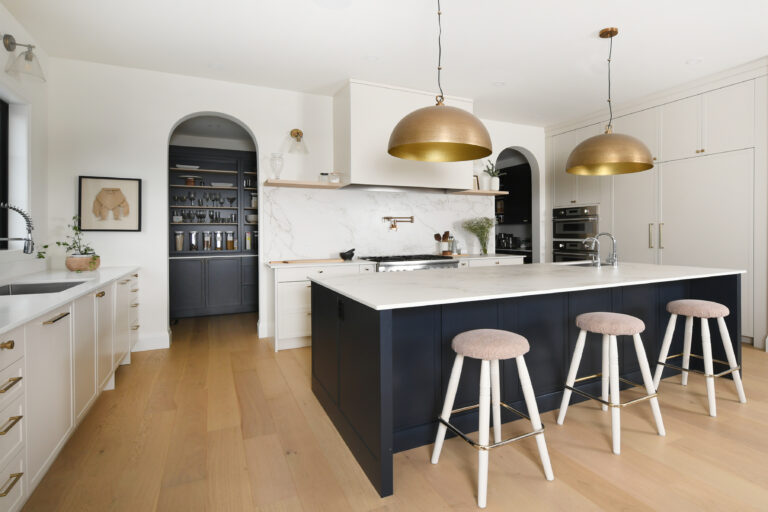
| Classic | Chandeliers and brass fixtures |
| Minimalist | Clean lines with hidden lighting |
Credit: decorcabinets.com
Frequently Asked Questions
What Are The Best Types Of Kitchen Lighting?
The best kitchen lighting types include ambient, task, and accent lighting. Ambient provides overall light. Task lighting focuses on work areas. Accent lighting highlights design features. Combining these creates a functional and stylish kitchen.
How To Choose Energy-efficient Kitchen Lighting?
Select LED bulbs for energy efficiency. They use less power and last longer. Also, consider dimmable options to control brightness and save energy. Energy-efficient lighting reduces electricity bills and environmental impact.
Where Should Kitchen Lighting Be Placed?
Place ambient lighting on the ceiling for general illumination. Task lighting should be above countertops and sinks. Accent lights can highlight cabinets or artwork. Proper placement ensures a well-lit and practical kitchen space.
What Color Temperature Suits Kitchen Lighting Best?
Choose a color temperature between 2700K and 4000K. Warm light (2700K) creates a cozy feel. Neutral white (3500K-4000K) enhances visibility and color accuracy. This range balances comfort and functionality in the kitchen.
Conclusion
Choosing the right kitchen lighting makes a big difference. It helps with cooking, cleaning, and sets the mood. Think about the style, brightness, and energy use. Mixing different lights works best for any kitchen. Take your time to pick what fits your space and needs.
Good lighting makes your kitchen safer and more comfortable. Enjoy your well-lit kitchen every day!