
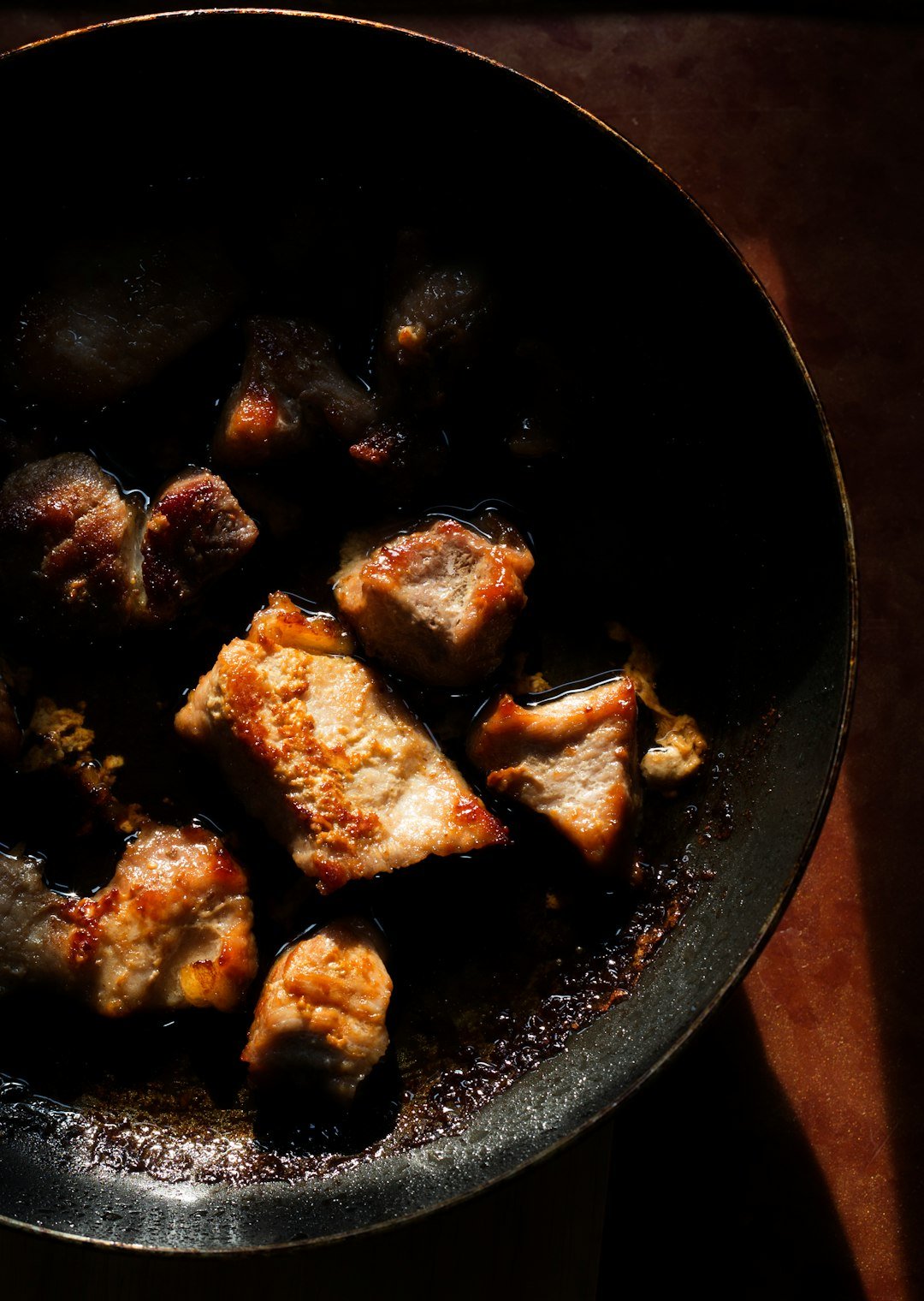
When it comes to cooking the perfect steak or juicy piece of chicken, the right frying pan can make all the difference. You want a pan that heats evenly, holds high temperatures, and gives your meat that beautiful, flavorful sear.
But with so many options out there, how do you choose the best frying pan for searing meat? You’ll discover the top picks that will help you unlock restaurant-quality results right in your kitchen. Get ready to upgrade your cooking game and impress everyone at the dinner table.
Keep reading—you won’t want to miss these must-have pans.
:max_bytes(150000):strip_icc()/All-Clad-D3-stainless-3-ply-bonded-cookware-saute-pan-with-lid-3-quart-grace-kelly-06-027f2b3de9ae4352b74a3f71d793ba8e.jpg)
Credit: www.seriouseats.com
Importance Of A Good Frying Pan
A good frying pan makes cooking easier and tastier. It helps cook meat evenly and keeps juices inside.
Choosing the right pan is key for searing meat perfectly. The pan’s quality affects heat and flavor.
Heat Distribution
Good frying pans spread heat evenly across the surface. This stops hot spots that burn meat.
Even heat helps cook meat at the right temperature for a nice crust and juicy center.
Material Quality
Materials like cast iron or stainless steel hold heat well. They also last longer than cheap pans.
- Cast iron offers great heat retention
- Stainless steel pans resist rust and damage
- Non-stick pans are easy to clean but less durable
Size And Depth
Choose a pan size that fits your cooking needs. Too small pans crowd meat and reduce searing.
| Pan Size | Best Use |
| 8 inches | Small portions, quick searing |
| 10-12 inches | Family meals, larger cuts |
| Deep pans | Cooking with sauces or liquids |
Durability And Maintenance
A strong pan resists warping and scratching. It stays flat for good contact with the stove.
Take care of your pan by:
- Cleaning it gently after each use
- Seasoning cast iron to keep it non-stick
- Avoiding metal utensils on non-stick surfaces

Credit: www.lakeland.co.uk
Key Features For Searing Meat
Searing meat requires a frying pan that holds heat well. It also needs to be strong and have the right surface. These features help create a good crust and keep the meat juicy inside.
Choosing a pan with the right qualities makes cooking easier and improves taste. Here are the key features to look for in frying pans for searing meat.
Heat Retention
Heat retention means the pan stays hot even when you add cold meat. This helps to form a nice crust quickly. A pan that loses heat will cook unevenly and not sear well.
Good heat retention keeps the temperature steady. This prevents the meat from sticking and allows it to brown properly.
Material Durability
The pan should be strong enough to last for years. Durable materials resist warping and damage from high heat. This ensures the pan stays flat and heats evenly.
Materials like cast iron and stainless steel are known for their durability. They can handle high temperatures and rough use without breaking down.
Surface Texture
The surface of the pan affects how meat cooks and sticks. A smooth surface helps meat brown evenly. A slightly rough surface can create better sear marks.
Non-stick coatings can help prevent sticking but may not produce as good a crust. Seasoned cast iron offers a natural non-stick surface with good texture.
Top Frying Pan Materials
Choosing the right frying pan affects how well you sear meat. Different materials offer unique benefits for cooking.
Understanding common frying pan materials helps you pick one that fits your kitchen needs and cooking style.
Cast Iron
Cast iron pans heat evenly and keep heat well. They create a strong sear and develop a natural non-stick surface over time.
- Heavy and durable
- Requires seasoning to prevent rust
- Great for high-heat cooking
- Needs careful cleaning and drying
Stainless Steel
Stainless steel pans do not react with food. They are great for browning meat and making pan sauces.
| Feature | Benefit |
| Non-reactive surface | Prevents flavor changes |
| Durable and scratch-resistant | Lasts for years |
| Requires oil or butter | Prevents sticking |
| Heats unevenly alone | Often layered with aluminum |
Carbon Steel
Carbon steel pans combine the best of cast iron and stainless steel. They heat fast and develop a non-stick surface with use.
Advantages of Carbon Steel:
- Lighter than cast iron
- Quick heat response
- Good for searing and sautéing
- Needs seasoning and care
Best Cast Iron Pans
Cast iron pans are great for searing meat. They hold heat well and cook evenly.
Choosing the right cast iron pan can improve your cooking experience. Look for pans that suit your needs and style.
Pre-seasoned Options
Pre-seasoned cast iron pans come ready to use. They have a layer of oil baked into the surface.
- Save time on seasoning before first use
- Offer some non-stick properties right away
- Require less oil during cooking
- May need occasional re-seasoning for best results
Maintenance Tips
Proper care keeps cast iron pans working well for years. Avoid rust and damage with simple steps.
| Care Tip | Description |
| Clean After Use | Wash with warm water and a soft brush. Avoid soap if possible. |
| Dry Thoroughly | Use a towel or heat the pan to remove all moisture. |
| Oil Lightly | Apply a thin layer of cooking oil to the surface after drying. |
| Store Properly | Keep in a dry place. Avoid stacking with other pans without protection. |
Recommended Stainless Steel Pans
Stainless steel pans are great for searing meat. They hold heat well and give a nice crust.
Choosing the right pan helps you cook meat evenly and keep its juices inside.
Clad Construction
Clad pans have layers of metal bonded together. Usually, stainless steel is combined with aluminum or copper.
This design spreads heat evenly. It stops hot spots that burn your meat.
- Stainless steel outside for durability
- Aluminum or copper core for fast heat
- Even heat distribution for perfect searing
- Lasts longer than single-layer pans
Non-stick Alternatives
Non-stick pans make cooking and cleaning easier. They need less oil to sear meat.
But they may not get as hot as stainless steel pans. They can also wear out faster.
- Good for delicate cuts of meat
- Use low to medium heat
- Avoid metal utensils to protect the surface
- Choose ceramic or PTFE coatings for durability
Carbon Steel Pan Favorites
Carbon steel pans are a popular choice for searing meat. They heat up quickly and hold high temperatures.
These pans develop a natural non-stick surface with use. Many cooks prefer them for their durability and versatility.
Pros And Cons
Carbon steel pans have many benefits but also some drawbacks. Knowing these helps you decide if they fit your kitchen.
- Pros:Heats evenly and fast, great for high heat cooking
- Pros:Durable and long-lasting with proper care
- Pros:Develops a natural non-stick surface over time
- Cons:Requires seasoning to prevent rust
- Cons:Can react with acidic foods if not well-seasoned
- Cons:Needs hand washing and drying to avoid damage
Seasoning Process
Seasoning a carbon steel pan protects it from rust and adds a non-stick layer. The process is simple but important.
Start by cleaning the pan with warm water and soap. Dry it completely before heating.
- Heat the pan on medium heat until warm
- Apply a thin layer of cooking oil all over the inside surface
- Heat the pan until the oil starts to smoke lightly
- Let the pan cool, then wipe off excess oil
- Repeat the oiling and heating steps 2-3 times for best results
Budget-friendly Choices
Finding the best frying pan for searing meat does not need to be expensive. Many affordable options offer good heat control and durability. These pans help you cook tasty meat without spending too much.
Choosing the right pan on a budget means looking for value and quality. This guide covers brands and how to balance cost with performance.
Affordable Brands
Some brands offer frying pans that work well for searing meat at low prices. These brands use materials like stainless steel and cast iron, which last long and heat evenly.
- T-fal: Known for nonstick pans with good heat distribution.
- Lodge: Offers cast iron pans that are sturdy and budget-friendly.
- Tramontina: Provides stainless steel pans with great cooking surfaces.
These brands balance cost and quality to help you get good results without overspending.
Quality Vs. Price
When buying a frying pan, price does not always mean better quality. Some affordable pans heat well and last long. Others may wear out fast or cook unevenly.
Look for pans with thick bottoms and sturdy handles. These features improve cooking and safety. Nonstick surfaces make cleanup easier but may wear out faster than stainless steel or cast iron.
| Type | Price Range | Durability | Heat Control | Best For |
|---|---|---|---|---|
| Cast Iron | $$ | High | Excellent | Searing, frying |
| Stainless Steel | $-$$ | Medium-High | Good | Searing, browning |
| Nonstick | $ | Low-Medium | Fair | Light frying, easy cleanup |

Credit: www.amazon.ca
Premium Frying Pan Picks
Choosing the right frying pan helps sear meat perfectly. Premium pans offer better heat and build quality.
Investing in a high-quality pan can improve cooking results and last for years.
Luxury Brands
Luxury brands craft frying pans with top materials. These pans provide even heat and excellent durability.
- Made from heavy-gauge stainless steel or cast iron
- Non-stick coatings that last longer
- Ergonomic handles for safe grip
- Elegant designs that fit any kitchen style
Long-term Investment
Buying a premium frying pan is a smart investment. It saves money over time by lasting longer.
| Feature | Benefit |
| Durability | Can be used for years without damage |
| Heat Distribution | Ensures even cooking and better searing |
| Maintenance | Easy to clean and maintain with proper care |
| Value | Retains value and performance over time |
Caring For Your Frying Pan
A good frying pan helps you cook meat with a perfect sear. Taking care of your pan keeps it working well for years. Proper care stops damage and improves cooking results.
Cleaning and storing your frying pan the right way is important. These simple steps keep your pan safe and ready to use anytime.
Cleaning Techniques
Clean your frying pan after every use to keep it in good shape. Use warm water and mild soap to remove food. Avoid harsh scrubbers that can scratch the surface.
If food sticks, soak the pan in warm water for a few minutes before washing. Dry it well to prevent rust, especially if it is cast iron or carbon steel.
- Use a soft sponge or cloth for cleaning
- Avoid metal scrubbers or steel wool
- Do not put non-stick pans in the dishwasher
- Dry pans completely before storing
- For cast iron, apply a thin layer of oil after drying
Storage Tips
Store your frying pan in a dry place to avoid moisture damage. Keep pans separate or use pan protectors to stop scratches.
Hang pans by their handles if you can. This saves space and lets air flow around the pan. Avoid stacking pans tightly to keep their surfaces safe.
- Store in a dry cabinet or shelf
- Use pan protectors or cloth between pans
- Hang pans to save space and air them out
- Keep lids separate to prevent moisture buildup
User Reviews And Feedback
Choosing the right frying pan for searing meat depends a lot on real user experiences. Many buyers share their honest thoughts after using these pans for cooking.
This section collects feedback from different customers. It helps to understand which pans perform well and what issues to expect.
Customer Experiences
Users report that heavy pans with a thick base sear meat evenly and keep heat well. Some noticed that non-stick pans made flipping easy, but the coating wore off after months.
- Cast iron pans give a great crust but need seasoning and care.
- Stainless steel pans heat quickly and are easy to clean.
- Hard-anodized pans balance durability and non-stick features.
- Aluminum pans heat fast but sometimes cause uneven cooking.
Ratings And Recommendations
Many reviewers rate pans on heat retention, ease of cleaning, and durability. Below is a table showing average user ratings for popular frying pans.
| Frying Pan Model | Heat Retention | Ease of Cleaning | Durability | Overall Rating |
|---|---|---|---|---|
| Cast Iron Classic | 9/10 | 6/10 | 10/10 | 8.3/10 |
| Stainless Steel Pro | 8/10 | 8/10 | 7/10 | 7.7/10 |
| Non-Stick Hard Anodized | 7/10 | 9/10 | 7/10 | 7.7/10 |
| Aluminum Quick Heat | 6/10 | 7/10 | 6/10 | 6.3/10 |
Frequently Asked Questions
What Is The Best Material For Frying Pans To Sear Meat?
Cast iron and stainless steel are best for searing meat. They retain heat well and create a perfect crust. Nonstick pans don’t sear as effectively due to lower heat tolerance.
How Do I Choose The Right Size Frying Pan?
Choose a pan that fits the amount of meat you cook. A 10-12 inch pan is ideal for searing steaks. It provides enough surface area for even cooking without overcrowding.
Can I Use Nonstick Pans For Searing Meat?
Nonstick pans are not ideal for searing meat. They can’t withstand high heat needed for a good sear. Cast iron or stainless steel pans are better choices.
How Important Is Pan Heat Retention For Searing?
Heat retention is crucial for searing meat. A pan that holds heat well creates a consistent, crispy crust. Cast iron excels in heat retention compared to other materials.
Conclusion
Choosing the right frying pan makes searing meat easier and better. Cast iron and stainless steel pans work well for a nice crust. A heavy pan holds heat and cooks meat evenly. Clean your pan properly to keep it in good shape.
Good tools help you cook tasty meals every time. Try different pans to find what suits you best. Enjoy cooking and serve juicy, flavorful meat to your family. Simple steps lead to great results in your kitchen.