
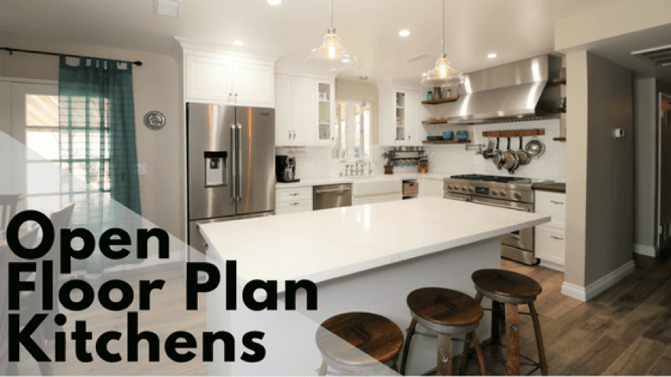
Are you dreaming of a kitchen that feels spacious, bright, and inviting? Designing a kitchen with an open layout can transform your home into a lively hub where cooking, dining, and socializing come together effortlessly.
But how do you create a space that’s both functional and stylish without losing that cozy kitchen vibe? In this guide, you’ll discover simple yet powerful tips to design an open kitchen that suits your lifestyle perfectly. Keep reading to learn how to make your kitchen the heart of your home.
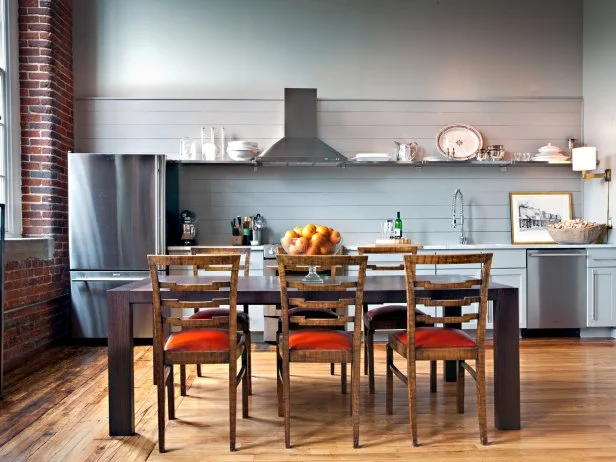
Credit: www.hgtv.com
Benefits Of An Open Kitchen Layout
An open kitchen layout removes walls and barriers. It creates a large, shared space for cooking and living.
This design style makes kitchens feel bigger and more connected to the rest of the home.
Improves Social Interaction
Open kitchens allow people to talk while cooking or eating. Family members and guests can chat without barriers.
This design helps hosts stay involved with guests during meal preparation.
Enhances Natural Light
Removing walls lets sunlight flow through the space. This makes the kitchen brighter and more welcoming.
A brighter kitchen looks clean and fresh. It also saves energy during the day.
Creates A Spacious Feel
Open layouts make small kitchens feel larger. The space flows into dining and living areas smoothly.
This openness helps avoid a cramped or cluttered look.
Improves Functionality
Without walls, it is easier to move between kitchen and other spaces. This improves efficiency during cooking and cleaning.
Open layouts allow better placement of furniture and appliances for smooth workflow.
Supports Modern Lifestyle
Many people enjoy multitasking at home. Open kitchens help parents watch kids while cooking.
The layout fits well with casual dining and entertaining guests.
Maximizing Space In An Open Kitchen
Open kitchens create a spacious and airy feel. Using space well makes cooking easier and keeps the area neat.
Good design helps fit all kitchen needs without clutter. It also makes the kitchen look bigger and more inviting.
Smart Storage Solutions
Storage is key in an open kitchen. Use cabinets and shelves that keep items out of sight but easy to reach.
Choose storage that fits your kitchen tools and food. This helps keep counters clear and space open.
- Install pull-out drawers for pots and pans
- Use vertical shelves to store spices and jars
- Add hooks or racks for utensils and mugs
- Include cabinets that reach the ceiling
- Use baskets or bins inside cabinets for small items
Efficient Work Triangle
The work triangle links the sink, stove, and fridge. Keeping them close saves steps and time.
Arrange these three areas to avoid blocking movement. This keeps cooking smooth and space open.
- Place the sink between the stove and fridge
- Keep the triangle sides between 4 and 9 feet
- Make sure paths are clear and wide
- Use an island to add workspace without breaking the triangle
- Avoid placing major appliances in corners
Choosing The Right Materials And Finishes
Designing a kitchen with an open layout needs careful material choices. The right finishes can improve both look and function.
Focus on surfaces that last long and match your style. This guide covers countertops, flooring, and cabinetry options.
Durable Countertops
Countertops face daily use and spills. Pick materials that resist scratches and stains for an open kitchen.
- Quartz: Non-porous and easy to clean
- Granite: Strong and heat resistant
- Concrete: Customizable and tough
- Laminate: Budget-friendly and comes in many colors
Flooring Options
Flooring should handle traffic and spills. Choose materials that blend well with other rooms in an open layout.
| Material | Durability | Maintenance | Style |
| Hardwood | Moderate | Requires sealing | Warm and classic |
| Tile | High | Easy to clean | Varied colors and patterns |
| Vinyl | Moderate | Low maintenance | Modern and versatile |
Cabinetry Styles
Cabinets shape the kitchen’s look. Choose finishes that match your open space and resist wear.
Popular cabinet finishes include:
- Matte paint for a modern feel
- Glossy lacquer for brightness
- Natural wood for warmth
- Thermofoil for easy cleaning
Incorporating Functional Islands
Designing a kitchen with an open layout often includes a central island. These islands add function and style. They can serve many purposes and help keep the space organized.
A well-planned island improves workflow and allows for social interaction. It makes the kitchen more inviting and practical.
Seating Arrangements
Adding seating to your kitchen island creates a casual dining spot. It invites family and guests to gather and chat while meals are prepared.
- Choose stools that fit under the island to save space.
- Allow at least 24 inches of space per seat for comfort.
- Use durable and easy-to-clean materials for seating.
- Consider backless stools for a sleek, open look.
Multi-purpose Features
Functional islands often include storage, prep areas, and appliances. They keep everything within reach and reduce clutter.
| Feature | Benefit |
| Built-in sink | Easy food prep and cleanup |
| Extra cabinets | More storage space |
| Cooktop | Allows cooking while facing guests |
| Pull-out trash bin | Keeps waste hidden and accessible |
Lighting Strategies For Open Kitchens
Good lighting makes an open kitchen feel bright and spacious. It helps you see well while cooking and creates a warm atmosphere.
Using different types of lighting together improves both function and style in open kitchens.
Ambient Lighting
Ambient lighting provides overall light for the kitchen space. It should be soft and spread evenly to avoid shadows.
- Ceiling-mounted fixtures like recessed lights work well.
- Use dimmers to adjust light levels for different times of day.
- Natural light from windows adds brightness and warmth.
Task Lighting
Task lighting shines directly on work areas. It helps with chopping, cooking, and cleaning safely.
| Area | Best Lighting Type |
| Kitchen island | Pendant lights |
| Countertops | Under-cabinet LED strips |
| Sink | Adjustable spotlights |
Accent Lighting
Accent lighting highlights design features and adds depth to the kitchen.
Use these accent lighting ideas:
- LED strips inside glass cabinets to show dishware
- Spotlights on artwork or open shelves
- Colored lights to add mood and style
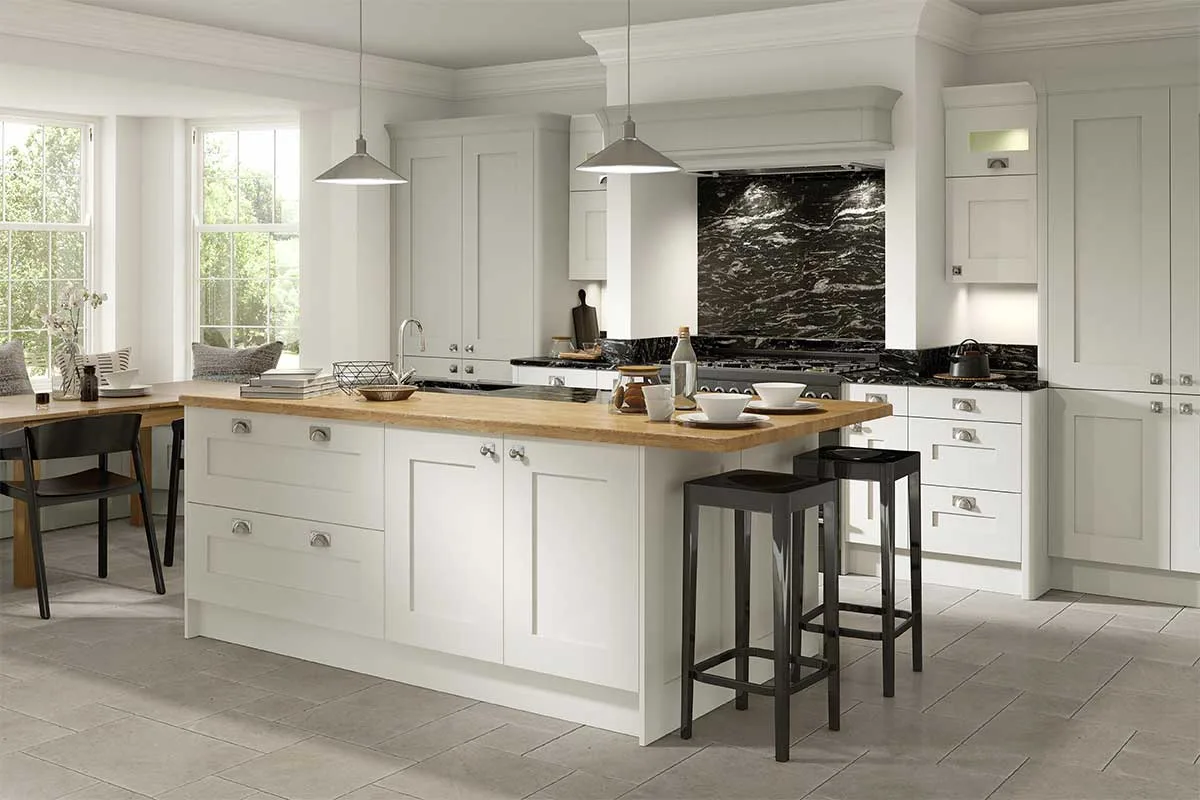
Credit: claremontkitchens.co.uk
Color Schemes And Decor Ideas
Designing a kitchen with an open layout means choosing colors and decor that flow well. The space should feel bright and welcoming.
Picking the right colors and decorations helps create harmony between the kitchen and the rest of the home.
Neutral Tones
Neutral tones like white, beige, and gray make the kitchen look clean and spacious. They also work well with many styles.
Use neutral colors on walls, cabinets, and countertops to keep the space calm and simple.
- Soft white walls create brightness
- Light gray cabinets add modern style
- Beige floors bring warmth
- Natural wood tones add texture
Bold Accents
Bold colors can add excitement to a neutral kitchen. Use them in small areas to avoid overwhelming the space.
Try bright colors for backsplashes, bar stools, or kitchen accessories. These accents make the kitchen stand out.
- Bright red or blue backsplashes
- Colorful pendant lights
- Vibrant rugs or cushions
- Decorative bowls or vases
Personal Touches
Add personal items to make the kitchen feel lived-in and unique. These touches show your style and story.
Photos, artwork, or plants bring life to the space. Use open shelves to display your favorite items.
- Family photos in simple frames
- Small potted herbs or flowers
- Handmade pottery or dishes
- Unique cookbooks or collectibles
Integrating Dining And Living Areas
Designing a kitchen with an open layout means joining the dining and living spaces. This creates a large, shared area for cooking, eating, and relaxing.
Good integration helps the space feel connected and comfortable for everyone. It also makes moving between areas easy and natural.
Seamless Transitions
Use similar colors and materials in the kitchen, dining, and living areas. This creates a smooth flow without sharp breaks.
Flooring is very important. Choose one type of floor that works well in all spaces. Rugs can define areas without blocking the flow.
- Keep wall colors consistent
- Use matching or complementary flooring
- Add rugs to mark dining or living zones
- Use lighting to guide the eye smoothly
Furniture Placement
Arrange furniture to create clear paths between the kitchen, dining, and living spaces. Avoid blocking walkways with large pieces.
Place dining tables near the kitchen for easy serving. Sofas and chairs should face each other to encourage talking and comfort.
- Keep open space for walking
- Use furniture to define each area
- Choose sizes that fit the room well
- Arrange seating to support social interaction
Technology In Open Kitchen Design
Technology plays a big role in open kitchen design. It helps keep the space functional and stylish. Smart devices make cooking easier and keep the kitchen looking neat.
Using the right technology can create a smooth flow in an open kitchen. It blends cooking, dining, and social areas without clutter or noise.
Smart Appliances
Smart appliances bring convenience and control to the open kitchen. They connect to your phone or voice assistants for easy use. You can start your oven remotely or check your fridge’s contents at any time.
- Wi-Fi enabled ovens and microwaves
- Refrigerators with touch screens and cameras
- Smart dishwashers that save water and energy
- Voice-controlled coffee makers and kettles
Innovative Gadgets
Innovative gadgets add fun and function to an open kitchen. Many tools save space and reduce mess. Some gadgets also help with cooking accuracy and speed.
| Gadget | Function | Benefit |
| Touchless Faucets | Turn on/off water with a wave | Keep hands clean and reduce germs |
| Wireless Charging Stations | Charge phones and tablets on the counter | Reduce wires and keep surfaces clear |
| Digital Measuring Cups | Measure ingredients by weight or volume | Improve cooking accuracy |
| Multi-use Cookers | Combine slow cooking, pressure cooking, and more | Save counter space and time |

Credit: www.magnet.co.uk
Frequently Asked Questions
What Are The Benefits Of An Open Kitchen Layout?
Open kitchen layouts enhance social interaction and make spaces appear larger. They improve natural light flow and provide easy access to dining and living areas, creating a seamless, modern living experience.
How To Maximize Storage In An Open Kitchen Design?
Use vertical cabinets and multi-functional furniture to increase storage. Incorporate open shelving to keep essentials accessible while maintaining an airy, organized look without cluttering the open space.
Which Materials Work Best For Open Kitchen Countertops?
Durable, easy-to-clean materials like quartz, granite, and butcher block work well. They combine style and functionality, complementing the open design while withstanding daily use and spills.
How To Separate Kitchen And Living Areas In Open Layouts?
Use kitchen islands, rugs, or different flooring to define spaces. Lighting and furniture placement also help create visual boundaries without blocking the open flow.
Conclusion
Designing an open kitchen layout creates a bright, welcoming space. It helps family and friends connect easily. Choose simple furniture and clear pathways to keep it spacious. Use light colors to make the room feel bigger. Add storage that blends with your style.
Remember, a good layout fits your daily needs. Enjoy cooking and sharing meals in your open kitchen. It brings warmth and joy to your home.