
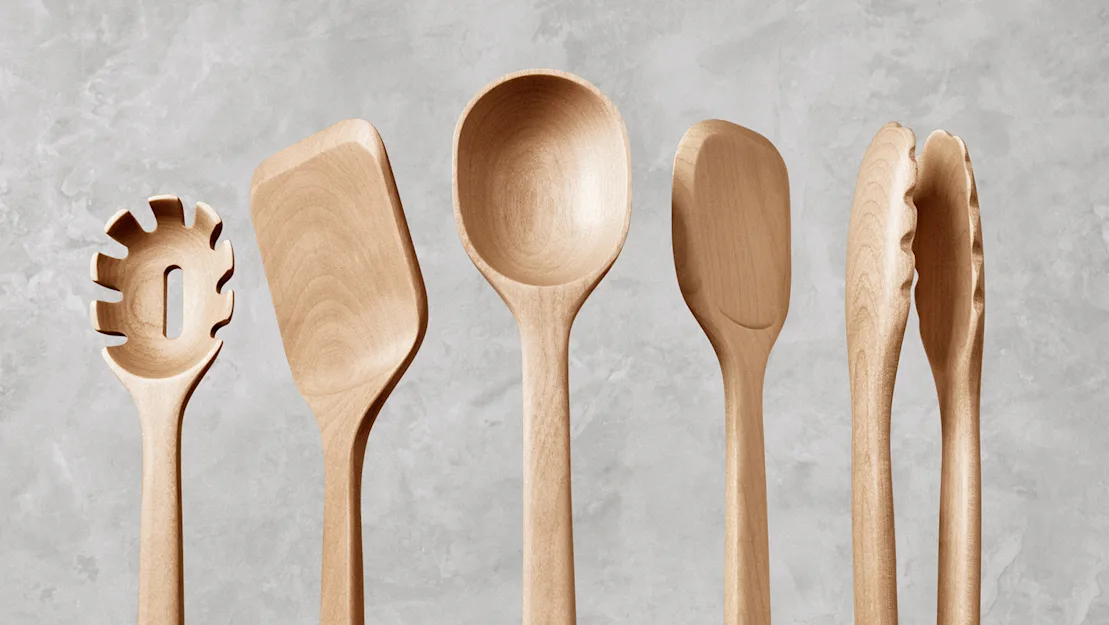
Your wooden kitchen utensils are more than just tools—they’re part of your cooking experience. But keeping them clean can be tricky.
If you don’t clean them the right way, they can absorb stains, odors, and even harmful bacteria. You might be wondering how to protect your utensils while making sure they stay safe and fresh. This guide will show you simple, effective steps to clean your wooden kitchen utensils so they last longer and stay in great shape.
Keep reading to discover easy tips that will make a big difference in your kitchen routine.
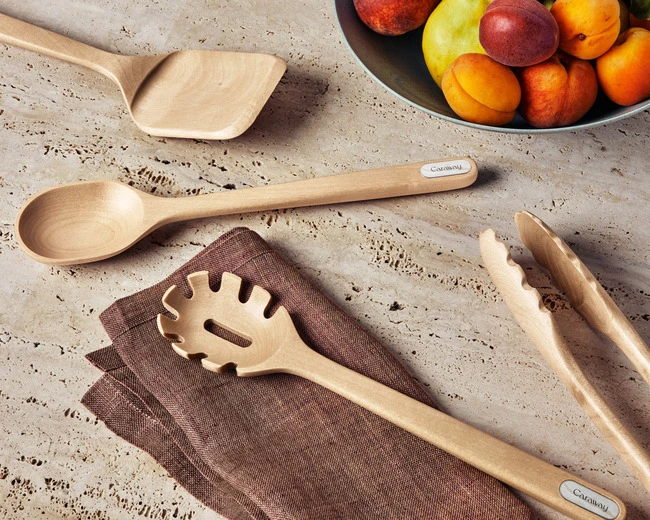
Credit: www.carawayhome.com
Choosing The Right Cleaning Materials
Cleaning wooden kitchen utensils needs care. The right materials keep them safe and last longer.
Using gentle cleaning agents helps protect the wood from damage and cracking.
Natural Cleaning Agents
Natural cleaners like vinegar and baking soda clean well without harming wood. They remove stains and odors safely.
Lemon juice also works as a natural bleach and helps kill germs on wooden utensils.
- White vinegar: disinfects and removes smells
- Baking soda: scrubs away stains gently
- Lemon juice: brightens and cleans naturally
- Warm water: rinses without drying the wood
Avoiding Harsh Chemicals
Harsh chemicals can dry out wood and cause cracks. Avoid bleach and strong detergents on wooden utensils.
These chemicals strip natural oils from wood and shorten the life of your kitchen tools.
- No bleach: it weakens the wood fibers
- No strong detergents: they remove protective oils
- No dishwasher use: heat and detergent damage wood
Daily Cleaning Routine
Wooden kitchen utensils need daily cleaning to stay safe and last longer. Dirt and bacteria can hide in the wood if not cleaned well.
Cleaning them daily keeps them fresh and ready to use. Use simple steps to clean without damaging the wood.
Warm Water And Mild Soap
Use warm water with mild soap to clean wooden utensils. Hot water can crack the wood, so keep it warm, not hot.
Gently scrub the utensils with a soft sponge or cloth to remove food and grease. Avoid harsh chemicals that can harm the wood.
- Fill a bowl with warm water
- Add a small amount of mild dish soap
- Dip a soft sponge and clean the utensils
- Rinse with clean warm water
- Do not soak wooden utensils for too long
Proper Drying Techniques
Dry wooden utensils well after washing. Water left on wood can cause cracks or mold growth.
Use a clean towel to wipe them dry. Let them air dry fully before storing to keep them safe and clean.
- Wipe utensils with a dry towel immediately
- Place them on a drying rack in a well-ventilated area
- Make sure they are completely dry before putting away
- Avoid stacking utensils while wet
Deep Cleaning Methods
Wooden kitchen utensils need regular cleaning to stay safe and last longer. Deep cleaning removes stains and bacteria.
This guide shows simple ways to clean wood using natural ingredients.
Using Vinegar Solutions
Vinegar is a natural cleaner that kills germs on wooden utensils. It also removes odors and stains.
Mix equal parts of white vinegar and water. Soak the utensils for a few minutes, then rinse well.
- Use white vinegar, not apple cider vinegar
- Do not soak for too long to avoid wood damage
- Dry utensils immediately after rinsing
Salt And Lemon Scrub
Salt and lemon make a strong scrub that cleans deep stains and freshens wood.
Sprinkle coarse salt on the utensil, then rub with half a lemon. Rinse and dry well.
- Use coarse salt for better scrubbing
- Lemon juice helps remove odors
- Rinse thoroughly to remove salt and lemon
Removing Stains And Odors
Wooden kitchen utensils can absorb stains and smells from food. Cleaning them well keeps them fresh and safe to use.
Using natural ingredients helps remove stains and odors without harming the wood.
Baking Soda Paste
Baking soda is gentle but effective for cleaning wood. It removes stains and neutralizes bad odors.
Make a paste by mixing baking soda with water. Rub the paste on the utensil’s surface. Let it sit for 10 minutes, then rinse well.
- Mix 3 parts baking soda with 1 part water
- Apply the paste on stains or smelly spots
- Let it sit for 10 minutes
- Rinse with warm water and dry completely
Activated Charcoal
Activated charcoal absorbs odors and helps clean wooden utensils naturally. It is safe and easy to use.
Place a small piece of activated charcoal near the utensils. Let it sit in a closed container overnight to remove smells.
- Use a clean piece of activated charcoal
- Put it in a sealed container with the utensils
- Leave it overnight to absorb odors
- Remove the charcoal before use
Maintaining The Shine
Wooden kitchen utensils need care to keep their shine and last longer. Proper cleaning and conditioning protect the wood from drying out.
Using natural products helps maintain the wood’s natural beauty and durability over time.
Applying Mineral Oil
Mineral oil keeps wooden utensils moisturized and shiny. It soaks into the wood and prevents cracks and dryness.
- Clean the utensil with warm, soapy water and dry it well.
- Apply a small amount of mineral oil to a clean cloth.
- Rub the oil evenly over the surface of the wood.
- Let the oil soak in for several hours or overnight.
- Wipe off any extra oil with a dry cloth.
Beeswax Conditioning
Beeswax forms a protective layer that seals the wood and adds shine. It works well with mineral oil for deep conditioning.
| Beeswax Conditioning Steps | Purpose |
|---|---|
| Warm a small amount of beeswax until soft | Makes it easier to apply smoothly |
| Mix beeswax with mineral oil in a 1:4 ratio | Creates a nourishing conditioning paste |
| Use a cloth to rub the mixture on the utensil | Seals and protects the wood surface |
| Let the utensil sit for a few hours | Allows deep absorption |
| Buff with a clean cloth to finish | Adds a natural shine |
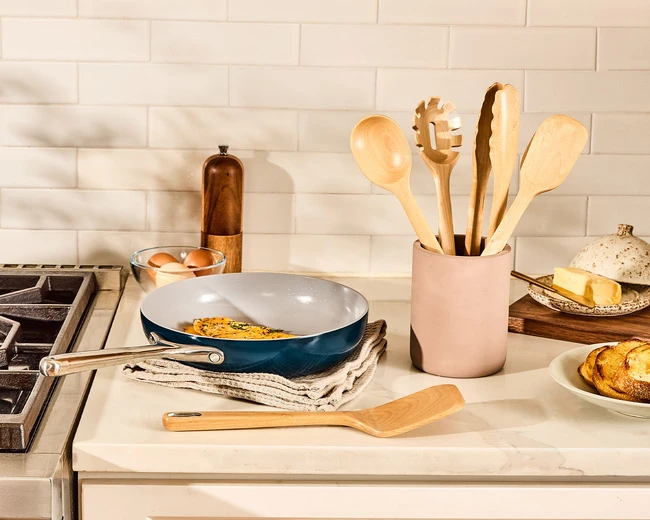
Credit: www.carawayhome.com
Storage Tips For Longevity
Wooden kitchen utensils can last many years with the right care. Proper storage helps keep them strong and clean.
Storing utensils correctly stops damage and keeps them ready to use. Pay attention to moisture and arrangement.
Avoiding Excess Moisture
Moisture causes wood to crack and grow mold. Keep wooden utensils dry before storing them.
- Dry utensils completely with a towel after washing
- Air dry in a well-ventilated area before storage
- Avoid placing utensils near sinks or wet areas
- Do not store utensils in airtight containers that trap moisture
Proper Utensil Arrangement
Arranging utensils well prevents damage and makes them easy to find. Use storage that allows air flow.
| Storage Method | Benefits |
| Open utensil holder | Air circulates, keeps utensils dry |
| Drawer with divider | Keeps utensils organized, prevents scratches |
| Wall-mounted rack | Saves space, allows utensils to hang freely |
| Wooden utensil rack | Matches utensils, gentle on wood |
Common Mistakes To Avoid
Wooden kitchen utensils need special care to last longer. Cleaning them the wrong way can cause damage. Avoiding common mistakes helps keep your utensils safe and clean.
This guide explains two common mistakes people make when cleaning wooden utensils. Learning what to avoid protects your kitchen tools.
Dishwasher Use
Putting wooden utensils in the dishwasher can harm them. The high heat and strong water pressure can cause wood to crack or warp.
Detergents used in dishwashers are often too harsh for wood. This can strip the natural oils and make utensils dry and brittle.
- Wood can split or crack from heat and water pressure.
- Strong detergents remove oils and damage the surface.
- Repeated dishwasher cycles shorten the utensil’s life.
- Hand washing with mild soap is safer for wooden tools.
Prolonged Soaking
Soaking wooden utensils in water for a long time is harmful. Wood absorbs water and swells, which can lead to cracks and warping.
Leaving wooden utensils wet for hours can also cause mold or mildew growth. This makes the utensils unsafe and smelly.
- Wood swells and cracks after long water exposure.
- Prolonged moisture causes mold and bad odors.
- Dry utensils immediately after washing with a towel.
- Use quick hand washing and avoid soaking.
Credit: thrivingsustainably.com
Frequently Asked Questions
How Do I Properly Clean Wooden Kitchen Utensils?
Clean wooden utensils by hand using mild soap and warm water. Avoid soaking them to prevent cracking. Dry immediately with a towel to maintain their quality and longevity.
Can I Put Wooden Utensils In The Dishwasher?
No, avoid dishwashers. The heat and water can warp and crack wooden utensils. Hand wash only for better care and durability.
How Often Should I Oil Wooden Kitchen Utensils?
Oil your wooden utensils once a month or when they look dry. Use food-safe mineral oil to prevent cracking and maintain smooth texture.
What’s The Best Way To Remove Odors From Wooden Utensils?
Remove odors by rubbing utensils with lemon juice or baking soda paste. Rinse well and dry immediately to keep them fresh and odor-free.
Conclusion
Cleaning wooden kitchen utensils takes care and attention. Use warm water and mild soap for washing. Avoid soaking wood to stop it from cracking. Dry utensils well with a clean towel. Regular oiling keeps wood smooth and strong. Clean tools last longer and stay safe for food.
Keep these tips in mind for daily care. Your wooden utensils will look nice and work well. Simple steps make a big difference in kitchen hygiene. Take a little time, enjoy the results every day.