
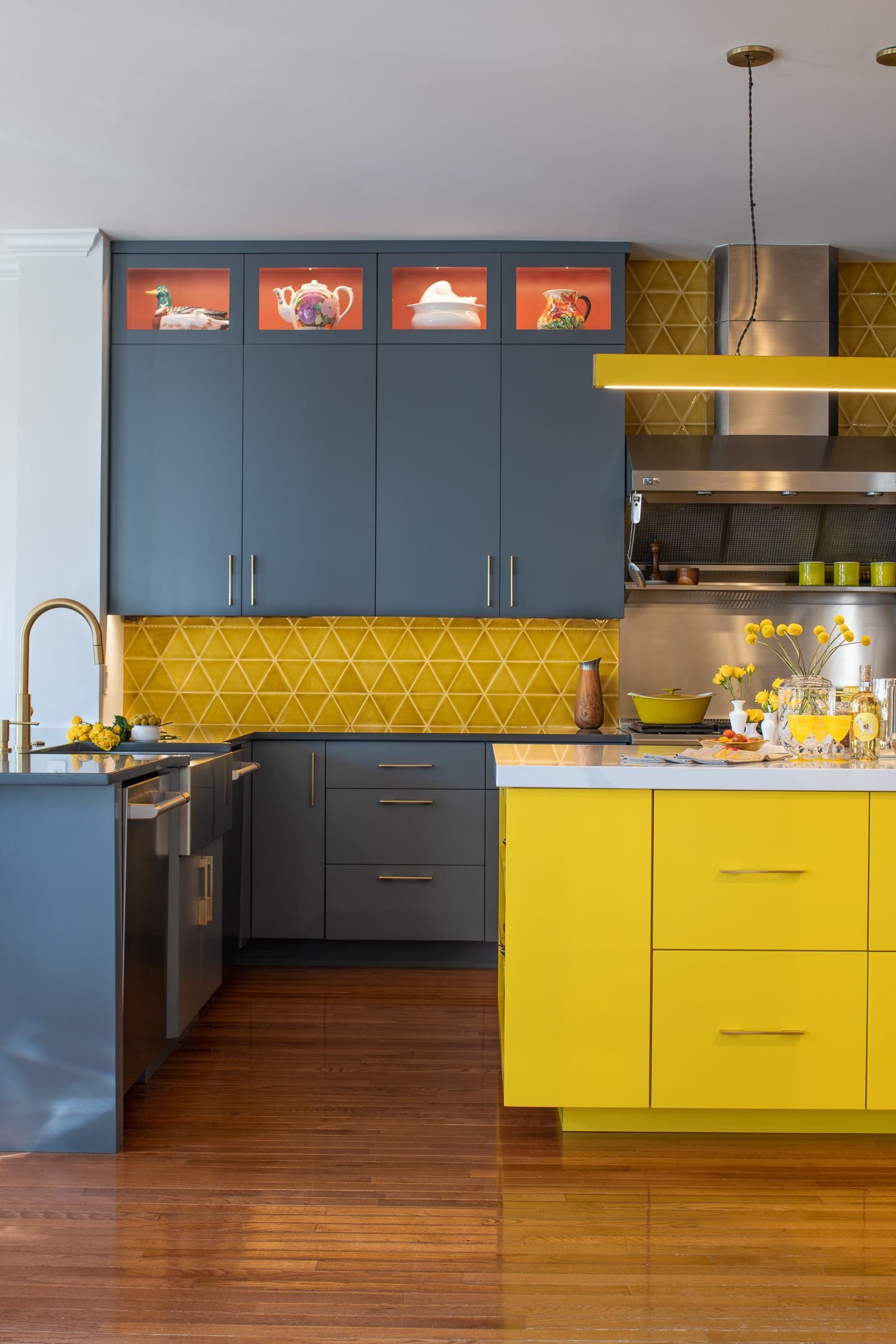
Your kitchen is more than just a place to cook—it’s where memories are made and style shines through. Adding accent colors can transform your space from ordinary to extraordinary, but it’s easy to get it wrong.
Are you ready to learn simple, effective tips that will help you choose and use accent colors to make your kitchen pop? Keep reading, and you’ll discover how a few smart color choices can bring warmth, personality, and a fresh vibe to your kitchen without overwhelming your senses.
Let’s make your kitchen a space you truly love.

Credit: www.magnet.co.uk
Choosing The Right Accent Colors
Accent colors add personality to your kitchen. They highlight features and create a mood.
Picking the right colors helps your kitchen look balanced and inviting. Think about your style and lighting.
Consider Your Kitchen’s Base Colors
Look at the main colors in your kitchen. These include walls, cabinets, and flooring. Accent colors should complement them.
Choose Colors That Match Your Style
Think about the style you want. Bold colors work well in modern kitchens. Soft tones fit traditional designs.
Use Color Theory To Guide You
Use a color wheel to find good accent colors. Choose colors that are opposite or next to your base color for contrast or harmony.
- Complementary colors: opposite on the wheel for strong contrast
- Analogous colors: next to each other for soft blending
- Triadic colors: three colors evenly spaced for balance
Test Colors In Your Kitchen Lighting
Light changes how colors look. Check your accent colors in natural and artificial light before deciding.
Balance Bold And Neutral Colors
| Accent Type | Effect |
|---|---|
| Bold Colors | Draw attention and create energy |
| Neutral Colors | Calm the space and balance bold colors |
Incorporating Bold Hues
Using bold accent colors in kitchens can add energy and style. These colors create a lively and inviting space.
Bold hues make your kitchen stand out. Use them carefully to balance the overall look.
Pick One Bold Color
Choose one strong color for accents. This keeps the kitchen from feeling too busy or overwhelming.
Use this color on small items like dish towels, vases, or chairs to create pops of color.
Balance Bold Colors With Neutrals
Pair bold hues with neutral colors like white or gray. This helps the bold color stand out without clashing.
Neutral tones give your eyes a place to rest and make the kitchen feel calm and clean.
Use Bold Colors On Cabinets Or Walls
Paint cabinets or one wall with a bold color to create a strong focal point. This adds personality to the room.
Keep other surfaces simple to avoid clashing or overloading the space.
Add Bold Color With Accessories
Use bold colored accessories like mugs, rugs, or light fixtures. These small touches add color without a big commitment.
Changing accessories is easy if you want to update the color later.
Consider The Kitchen’s Lighting
Bold colors look different under various lighting. Test your chosen color in natural and artificial light.
Good lighting helps bold hues appear vibrant and inviting, not dull or harsh.
Subtle Color Touches
Accent colors can make your kitchen feel lively without being too bold. Using small touches of color keeps the space calm and inviting.
Subtle colors add personality and style. They highlight details without overwhelming the design.
Add Color With Kitchen Accessories
Small items like towels, bowls, or jars bring color in simple ways. They are easy to change with seasons or trends.
- Use pastel or muted tones for a soft look
- Place colorful utensils in clear containers
- Choose patterned dish towels with accent colors
Paint Inside Open Shelves
Painting the back of open shelves adds a splash of color. It creates a subtle backdrop for your dishes and decor.
Use light shades or gentle hues that blend with your kitchen style. This adds interest without strong contrast.
Use Colored Grout Lines
Colored grout between tiles adds a hidden pop of color. It highlights the tile pattern in a subtle way.
Soft gray, light blue, or cream grout works well with neutral tiles. It keeps the kitchen feeling bright and fresh.
Choose Softly Colored Lighting Fixtures
Lighting with colored glass or shades adds gentle color touches. It also changes the kitchen mood with warm or cool light.
- Pick fixtures with pastel glass for a soft glow
- Match light colors to other subtle accents
- Use dimmable lights to control color strength
Incorporate Subtle Color In Backsplash
Use soft-colored tiles or patterns in the backsplash area. This adds color without making it the main focus.
Choose muted blues, greens, or blush shades to keep a calm kitchen look. This makes the backsplash a gentle accent.

Credit: www.magnet.co.uk
Using Accent Walls
An accent wall can bring life to your kitchen. It adds a splash of color without overwhelming the room.
Choosing the right wall and color helps create a cozy, stylish space. It highlights parts of your kitchen.
Picking The Right Wall
Choose a wall that naturally draws attention. It might be the one behind your stove or sink.
This wall should be visible from other rooms or areas. It creates a focal point for your kitchen design.
Choosing Accent Colors
Pick a color that matches your kitchen’s style and existing palette. Bright colors work well in neutral kitchens.
- Use blue or green for a calm feel
- Try red or orange for energy and warmth
- Consider yellow for a cheerful touch
- Dark shades add depth and drama
Balancing Your Kitchen Design
Make sure the accent wall color balances with cabinets and countertops. Avoid clashing colors.
| Kitchen Element | Suggested Accent Colors | Colors to Avoid |
| White Cabinets | Bold blues, greens, or reds | Beige or pale pastels |
| Wood Cabinets | Earth tones like olive or rust | Bright neons or cool grays |
| Gray Cabinets | Yellow, teal, or warm oranges | Dark browns or dull greens |
Adding Texture And Patterns
Use texture or patterns on your accent wall to add interest. This can be paint techniques or wallpaper.
Tip:Try a chalkboard paint on the accent wall for notes and recipes.
Accessorizing With Color
Accent colors bring life to kitchen spaces. They add personality without major changes.
Using small accessories with bright colors can make a big impact. These touches are easy to change.
Choose Colorful Small Appliances
Small appliances like toasters, kettles, or mixers can add a splash of color. Pick hues that match or contrast your kitchen walls or cabinets.
Add Colorful Dishware And Utensils
Display plates, bowls, or mugs in accent colors on open shelves. Use colorful utensils as part of your countertop decor.
Use Textiles To Add Warmth
Bright towels, rugs, and curtains can bring soft color to the kitchen. These items are easy to swap with seasons or trends.
Place Plants In Colorful Pots
Green plants freshen the space. Choose pots in accent colors to add extra style and charm.
- Choose pots in red, blue, or yellow for bold accents
- Use pastel-colored pots for a soft look
- Match pot colors to other kitchen accessories
- Place plants on windowsills or open shelves
Incorporate Colorful Storage Containers
Use jars, canisters, and bins in accent colors. These keep your kitchen tidy and add visual interest.
| Accessory Type | Color Ideas | Placement |
| Small Appliances | Bright Red, Turquoise | Countertops |
| Dishware | Orange, Green | Open Shelves |
| Textiles | Yellow, Blue | Near Sink or Stove |
| Plant Pots | Pastels, Bold Colors | Windowsill |
| Storage Containers | Clear with Colored Lids | Pantry or Counter |

Credit: www.magnet.co.uk
Color In Kitchen Appliances
Using accent colors in kitchen appliances can change the look of your kitchen. Colorful appliances add style and personality.
Choosing the right color helps your kitchen feel bright and inviting. It also makes appliances stand out or blend in.
Pick A Color That Matches Your Kitchen
Select appliance colors that go well with your kitchen walls and cabinets. This keeps the space balanced and nice to look at.
Soft colors work well in calm kitchens. Bright colors fit kitchens with simple designs.
Use Appliances As Focal Points
Choose bold colors for appliances if you want them to stand out. This draws attention and adds fun to the kitchen.
Red, blue, or green appliances can become the room’s main feature. Keep other colors simple to avoid clutter.
Mix And Match Colors Carefully
You can combine different colored appliances if the colors work well together. This adds interest without chaos.
- Use colors from the same family for harmony
- Pick one main color and a smaller accent color
- Avoid too many bright colors in one space
Think About Appliance Size And Placement
Large appliances in bright colors can dominate a kitchen. Use softer colors for big items to keep balance.
Small appliances like toasters or mixers are good for adding pops of color. Place them where they can be seen.
Consider Timeless Colors
Neutral colors like black, white, or stainless steel never go out of style. They fit many kitchen designs.
Use these colors for large appliances. Add small colorful pieces to update the look easily later.
Balancing Neutrals And Accents
Accent colors can bring life to a neutral kitchen. They add personality without overwhelming the space.
Finding the right balance between neutrals and accents helps create a calm and stylish kitchen.
Start With A Neutral Base
Use soft whites, grays, or beige as the main colors. These colors make the kitchen feel open and bright.
A neutral base lets your accent colors stand out without clashing.
Choose One Or Two Accent Colors
Pick one or two bold colors to highlight. Too many accents can make the kitchen look busy.
- Red or orange for warmth
- Blue or green for calmness
- Yellow for a cheerful touch
Use Accents In Small Areas
Add accent colors to small kitchen parts. Think about chairs, backsplashes, or cabinet handles.
This approach keeps the kitchen balanced and not too bright.
Repeat Accent Colors Sparingly
Repeat your accent colors in a few spots. This creates harmony and a flow in the kitchen.
- Accent wall paint
- Decorative items like bowls or vases
- Textiles such as towels or rugs
Balance Light And Dark Tones
Mix light neutrals with darker accent colors for contrast. This makes the colors pop.
Try a dark accent on a light wall or light accents on dark cabinets.
Consider The Kitchen’s Lighting
Natural and artificial light affect how colors look. Check your accents in different lights.
Bright light makes colors clearer. Soft light can mute bold accents.
Seasonal Color Variations
Accent colors in the kitchen can change with the seasons. This keeps your space fresh and lively all year.
Using seasonal colors helps you create moods that fit the time of year. It also makes your kitchen feel cozy and inviting.
Spring And Summer Colors
In spring and summer, choose bright and light colors. These colors bring energy and a fresh feel to the kitchen.
- Soft greens
- Sunny yellows
- Light blues
- Coral or peach tones
Fall And Winter Colors
Use warm and deep colors in fall and winter. These shades add warmth and comfort during cold months.
- Burnt orange
- Rich reds
- Deep browns
- Dark greens
Mixing Seasonal Colors
You can blend colors from different seasons to suit your style. Balance bright and warm tones for a unique look.
| Season | Accent Colors |
| Spring | Light green, soft pink, pale yellow |
| Summer | Bright blue, coral, sunny yellow |
| Fall | Burnt orange, deep red, mustard |
| Winter | Dark green, rich brown, burgundy |
Diy Color Projects
Using accent colors in your kitchen can change the whole look. You can do many DIY projects to add color easily.
These projects are simple and affordable. They help you create a bright and cheerful kitchen space.
Paint Cabinets And Drawers
Painting cabinets or drawer fronts is a quick way to add an accent color. Choose a color that matches your style and kitchen decor.
Add Colorful Backsplash Tiles
Installing colorful tiles behind your sink or stove adds a splash of color. You can use peel-and-stick tiles for an easy DIY option.
Use Colorful Accessories
Small items like dish towels, rugs, and containers can bring in accent colors. They are easy to change and clean.
- Bright dish towels
- Colorful rugs or mats
- Decorative jars or containers
- Vases or bowls with bold colors
- Colored small appliances
Create A Colorful Open Shelf Display
Open shelves let you show off your colorful dishes and cups. Arrange items by color to make a fun display.
Paint Kitchen Walls Or An Accent Wall
A fresh coat of paint on one wall can add a strong accent color. Pick a wall that catches the eye, like behind the dining table.
Frequently Asked Questions
What Are The Best Accent Colors For Kitchen Walls?
The best accent colors for kitchen walls include soft blues, vibrant reds, and warm yellows. These colors create a lively and inviting atmosphere while complementing neutral cabinets and countertops.
How Do Accent Colors Enhance Kitchen Design?
Accent colors add visual interest and depth to kitchen spaces. They highlight specific areas, create focal points, and bring personality to an otherwise neutral room.
Where Should I Apply Accent Colors In My Kitchen?
Apply accent colors on backsplashes, cabinet doors, kitchen islands, or accessories. These spots draw attention and balance the overall kitchen color scheme effectively.
Can Accent Colors Affect Kitchen Mood And Lighting?
Yes, accent colors influence mood and lighting. Warm colors create a cozy feel, while cool tones promote calmness. Proper lighting enhances these effects.
Conclusion
Accent colors bring life and charm to any kitchen space. Choose shades that match your style and mood. Use them on small items like towels or big areas like walls. Balance is key to avoid overwhelming the room. Experiment with different tones to find what feels right.
A well-placed accent color can make your kitchen inviting and fresh. Enjoy creating a space that reflects your personality and taste. Simple changes can brighten your kitchen every day.