
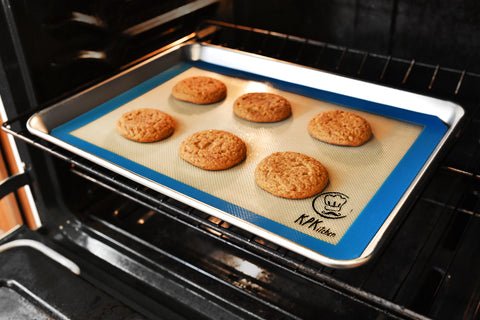
Are you tired of sticky messes and uneven cooking results? Silicone mats might just be the kitchen tool you didn’t know you needed.
They’re easy to use, heat-resistant, and can save you time and effort. Imagine baking cookies without greasing the tray or rolling dough without it sticking to your counter. If you want to get the most out of your silicone mats and make cooking simpler and cleaner, keep reading.
This guide will show you exactly how to use silicone mats to transform your kitchen experience.

Credit: www.amazon.ca
Benefits Of Silicone Mats
Silicone mats are useful tools in the kitchen. They help with cooking and baking tasks.
These mats offer many advantages that make cooking easier and cleaner.
Non-stick Surface
Silicone mats have a smooth surface that food does not stick to. This means you can cook or bake without using extra oil or butter.
- Easier to remove baked goods without breaking them
- Less mess to clean up after cooking
- Reduces the need for grease or sprays
Temperature Resistance
These mats can handle very high and low temperatures safely. They work well in ovens, microwaves, and freezers.
| Temperature Range | Use Cases |
| -40°F to 480°F (-40°C to 250°C) | Baking, freezing, microwave cooking |
| Heat safe and flexible | Easy to handle after heating or cooling |
Eco-friendly And Reusable
Silicone mats can be used many times without wearing out. This reduces waste compared to disposable liners or foil.
- Made from durable material that lasts for years
- Easy to clean and store for repeated use
- Reduces plastic and paper waste in the kitchen
Credit: consumersiliconeproducts.com
Choosing The Right Silicone Mat
Silicone mats are useful for cooking and baking. Picking the right mat helps you get the best results.
Think about size, thickness, and color before buying a silicone mat. These factors affect how well the mat works.
Size And Shape Considerations
Choose a silicone mat size that fits your baking tray or workspace. A mat too big or small will not work well.
Look at the shape of your pans. Silicone mats come in round, square, and rectangular shapes to match.
- Measure your baking sheet before buying
- Match the mat shape to your pan shape
- Use larger mats for bigger trays
- Smaller mats work well for small tasks
Thickness And Durability
Thickness affects how the mat heats and lasts over time. Thicker mats last longer and resist damage.
Thin mats heat faster but can tear easily. Choose thickness based on how often you will use the mat.
- Thicker mats are best for heavy use
- Thin mats work well for light baking
- Check if the mat is tear-resistant
- Look for mats that handle high temperatures
Color And Design Options
Silicone mats come in many colors and designs. Pick one you like and that fits your kitchen style.
Bright colors help find the mat easily. Simple designs suit any kitchen and hide stains better.
- Choose bright colors for easy spotting
- Pick dark colors to hide stains
- Simple designs blend with kitchen decor
- Fun patterns add personality to baking
Preparing Silicone Mats For First Use
Silicone mats are great tools for baking and cooking. Before you use them for the first time, you need to prepare them properly. This helps keep your food safe and your mat in good shape.
Follow simple steps to clean, dry, and store your silicone mats. This guide will show you how to do it right.
Cleaning And Sanitizing
Before first use, wash your silicone mat to remove dust and residues. Use warm water and mild soap. Avoid harsh chemicals or abrasive sponges.
- Rinse the mat under warm water.
- Apply mild dish soap gently with a soft cloth.
- Scrub softly to clean all surfaces.
- Rinse well to remove all soap.
- Sanitize by soaking in a vinegar solution (1 part vinegar to 3 parts water) for five minutes.
- Rinse again with clean water.
Drying And Storage Tips
Dry your silicone mat completely to avoid mold or odor. Proper storage keeps it flat and ready to use.
| Drying Method | Storage Tip |
| Air dry on a flat surface | Store flat or rolled, not folded |
| Use a clean towel to pat dry | Keep away from sharp objects |
| Ensure no moisture remains before storing | Store in a cool, dry place |
Cooking Techniques With Silicone Mats
Silicone mats are great tools for many cooking methods. They provide a non-stick surface for easy food release.
Using silicone mats can reduce the need for oils and make cleaning easier. They work well in ovens and on baking sheets.
Baking Pastries And Bread
Silicone mats help pastries and bread bake evenly. They stop dough from sticking and keep bottoms from burning.
- Roll dough directly on the mat to avoid sticking.
- Place pastries on the mat for even heat distribution.
- Use the mat to shape bread and prevent mess.
- Clean the mat with warm water after baking.
Roasting Vegetables
Roasting vegetables on silicone mats keeps them from sticking. It also helps them cook evenly without burning.
| Vegetable | Recommended Oven Temp | Roasting Time |
| Carrots | 400°F (200°C) | 25-30 minutes |
| Brussels Sprouts | 425°F (220°C) | 20-25 minutes |
| Potatoes | 425°F (220°C) | 30-35 minutes |
Cooking Fish And Meat
Silicone mats keep fish and meat from sticking to trays. They allow juices to stay in the meat for better flavor.
- Place fish or meat on the mat before cooking.
- Use the mat to catch drips and reduce cleanup.
- Do not cut directly on the mat to avoid damage.
- Let cooked food rest on the mat to keep it warm.
Maintaining Your Silicone Mats
Silicone mats are useful in the kitchen for baking and cooking. Keeping them clean and safe helps them last longer.
Learn how to clean, protect, and store your silicone mats the right way.
Cleaning After Use
Wash your silicone mat soon after using it. Warm water and mild soap work well to remove food.
Do not use harsh scrubbers that can damage the surface. Let the mat air dry or dry with a soft cloth.
- Use warm soapy water
- Rinse thoroughly
- Dry completely before storing
- Avoid steel wool or rough sponges
Avoiding Damage
Keep your silicone mat away from sharp objects that can cut or tear it. Also, avoid direct heat from open flames.
Do not fold the mat tightly. This can cause cracks or permanent creases that reduce its lifespan.
- Keep away from knives and sharp tools
- Do not place on stovetop burners
- Store flat or rolled loosely
- Avoid folding tightly
Long-term Storage Solutions
Store your silicone mats in a dry, cool place away from sunlight. This prevents discoloration and damage.
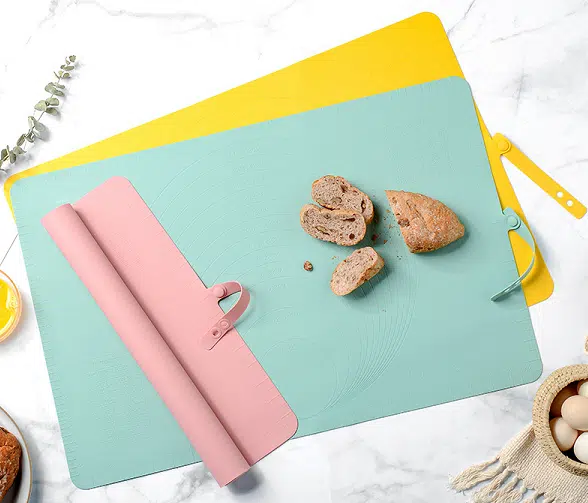
Roll the mats gently instead of folding to keep their shape. Use a drawer or a flat shelf for storage.
- Keep in a cool, dry area
- Avoid direct sunlight
- Roll gently to store
- Use a flat drawer or shelf
Innovative Uses Beyond Cooking
Silicone mats are not just for baking. They have many uses in daily life. These mats can help in crafting, protecting surfaces, and even in freezing food.
Here are some creative ways to use silicone mats beyond cooking. These ideas make them useful in many parts of your home.
Crafting And Diy Projects
Silicone mats provide a smooth, non-stick surface for many crafts. They keep your workspace clean and make cleaning easy. You can use them for painting, gluing, or working with clay.
- Use as a base for hot glue gun projects to catch drips.
- Roll out clay or dough without sticking.
- Protect tables when using paint or markers.
- Dry small craft parts without losing them.
- Create a heat-resistant surface for ironing small fabric pieces.
As A Surface Protector
Silicone mats are great for protecting surfaces from scratches, spills, and heat. You can place them under hot pots or craft tools to keep tables safe.
| Use | Benefit |
| Under hot pots | Prevents heat damage to counters |
| Under cutting boards | Keeps board from slipping |
| Under craft tools | Protects surfaces from glue and paint |
| On desks | Stops scratches from office supplies |
In The Freezer Or Refrigerator
Silicone mats help organize and protect food in cold storage. They keep items from sticking together and make cleanup easy.
Try these ideas for using silicone mats in your fridge or freezer:
- Place under ice cube trays to catch spills.
- Use as a liner for freezer shelves to stop frozen drips.
- Wrap around delicate fruits to protect from bruising.
- Separate stacked frozen foods to prevent sticking.
Credit: consumersiliconeproducts.com
Frequently Asked Questions
What Are Silicone Mats Used For In Cooking?
Silicone mats provide a non-stick surface for baking and cooking. They replace parchment paper and grease, making cleanup easy. They evenly distribute heat for consistent cooking results.
How Do You Clean Silicone Mats Properly?
Clean silicone mats with warm soapy water after use. Avoid abrasive scrubbers to prevent damage. They are also dishwasher safe for convenient cleaning.
Can Silicone Mats Withstand High Oven Temperatures?
Yes, silicone mats can safely withstand temperatures up to 480°F (250°C). This makes them suitable for most baking and roasting tasks without melting or warping.
Are Silicone Mats Reusable And Eco-friendly?
Silicone mats are reusable, reducing the need for disposable parchment paper. They are durable and eco-friendly, helping minimize kitchen waste over time.
Conclusion
Silicone mats make cooking and baking easier and cleaner. They prevent food from sticking and save you time on washing dishes. You can reuse them many times, which helps reduce waste. Just place the mat on your tray or counter and enjoy mess-free meals.
Try using silicone mats for baking cookies, rolling dough, or roasting vegetables. They work well in the oven and are easy to clean. Small changes like this can make your kitchen tasks more fun and less stressful. Give silicone mats a try and see the difference yourself.