
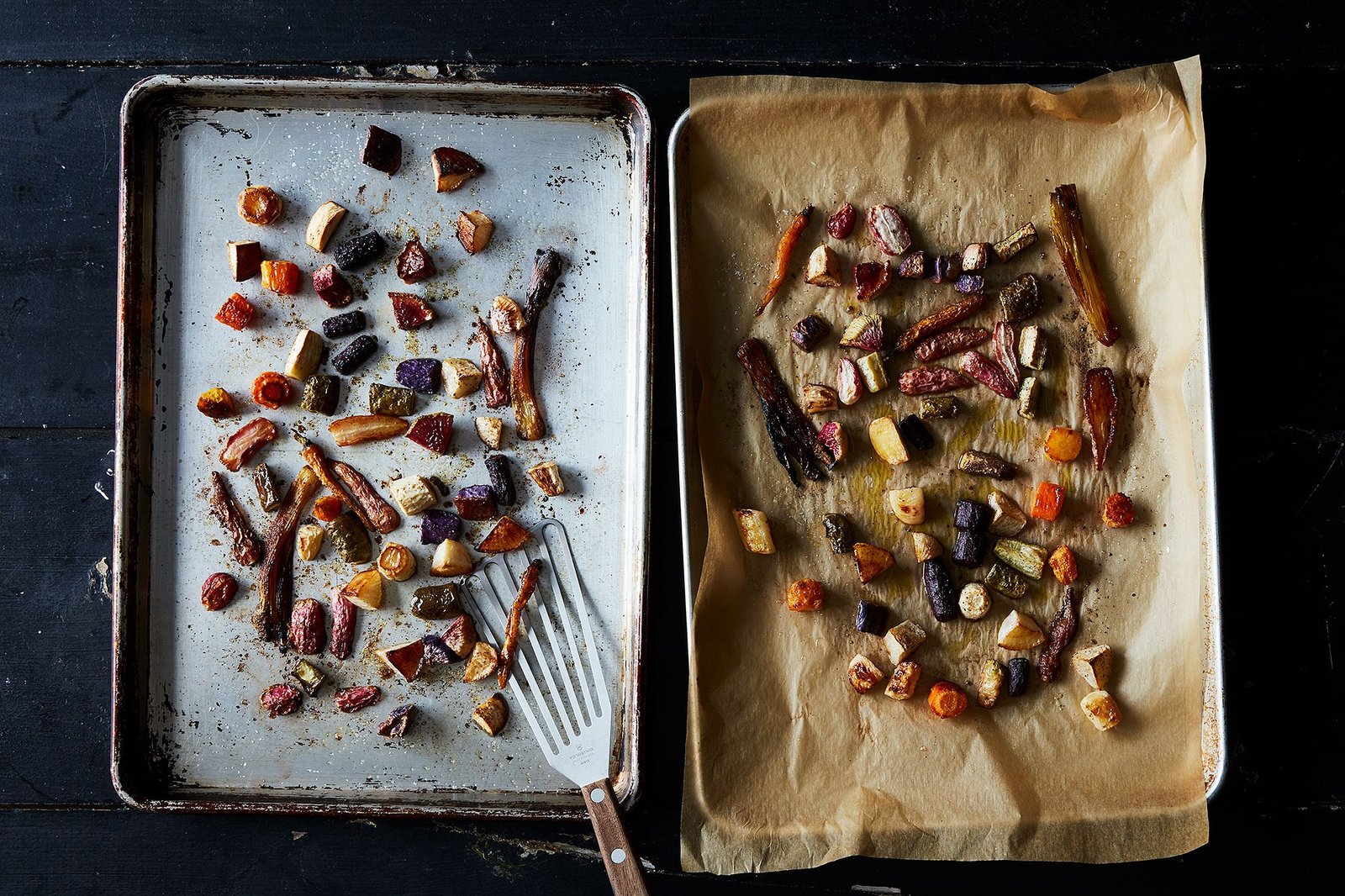
Are you tired of unevenly cooked, soggy vegetables that never turn out quite right? The secret to perfect roasted veggies lies not just in your recipe, but in the roasting tray you choose.
Picking the right roasting tray can make a huge difference in how your vegetables roast—crisp on the outside, tender on the inside, and bursting with flavor. You’ll discover simple tips to find the ideal tray that fits your cooking style and helps you create mouthwatering dishes every time.
Keep reading to unlock the key to roasting success!
Credit: www.thekitchn.com
Types Of Roasting Trays
Choosing the right roasting tray can affect how your vegetables cook. Different trays offer unique benefits for heat distribution and cleanup. Knowing these types helps you pick the best one for your kitchen.
This guide explains four common types of roasting trays. Each type suits certain cooking styles and needs.
Metal Trays
Metal trays heat quickly and cook vegetables evenly. They are durable and often affordable. Some have non-stick coatings for easy cleaning.
Metal trays work well for high-temperature roasting and browning. They can handle strong heat without damage.
Ceramic Trays
Ceramic trays heat slowly but keep the heat steady. They add a rustic look to your kitchen and are easy to clean. Ceramic trays are good for gentle roasting.
- Hold heat well for even cooking
- Do not react with acidic foods
- Often safe for oven and table use
- Can be heavier and more fragile
Glass Trays
Glass trays let you see the food as it cooks. They heat evenly but need care to avoid sudden temperature changes. Glass is non-reactive and easy to clean.
| Feature | Metal Trays | Ceramic Trays | Glass Trays | Silicone Trays |
|---|---|---|---|---|
| Heat Conductivity | High | Medium | Medium | Low |
| Weight | Light | Heavy | Medium | Light |
| Durability | High | Medium | Fragile | Medium |
| Cleaning Ease | Easy | Easy | Easy | Very Easy |
| Non-stick | Sometimes | No | No | Yes |
Silicone Trays
Silicone trays are flexible and non-stick. They are easy to clean and store. Silicone works well for gentle roasting and baking but may not brown food as well.
These trays are heat resistant but can bend if not supported. They are good for small portions and easy food release.
Size And Capacity Considerations
Choosing the right roasting tray size helps cook vegetables evenly. It also affects how many servings you can prepare at once.
Think about how many people you usually cook for. This guides you to pick a tray that fits your needs.
Small Trays For Single Servings
Small trays are perfect for one person or a light meal. They heat up quickly and are easy to clean.
- Dimensions usually under 9×13 inches
- Ideal for roasting a few vegetables or small portions
- Fits easily in small ovens or toaster ovens
- Best for quick meals or snacks
Medium Trays For Family Meals
Medium trays suit families of three to five people. They offer enough space for multiple vegetable types.
| Tray Size | Typical Dimensions | Capacity |
| Medium Tray | 13×9 to 15×10 inches | 4 to 6 servings |
| Small Tray | Under 9×13 inches | 1 to 2 servings |
| Large Tray | Over 15×10 inches | 6+ servings |
Large Trays For Gatherings
Large trays help cook for many people at once. They spread heat evenly for big batches of vegetables.
Here are tips for using large trays:
- Use trays larger than 15×10 inches
- Don’t overcrowd the tray to avoid uneven cooking
- Make sure your oven can fit the tray size
- Perfect for parties and holiday meals
Material And Heat Conductivity
Choosing the right roasting tray affects how your vegetables cook. The tray’s material impacts heat flow and cooking time.
Good heat conductivity helps vegetables roast evenly. Different materials conduct heat in different ways.
Conductivity Of Different Materials
Each roasting tray material has a unique ability to conduct heat. This changes how fast and evenly your vegetables cook.
| Material | Heat Conductivity | Common Uses |
|---|---|---|
| Aluminum | High | Lightweight trays and foil pans |
| Stainless Steel | Low to Medium | Durable baking sheets |
| Ceramic | Low | Decorative roasting dishes |
| Cast Iron | Medium | Heavy-duty pans |
| Non-stick Coated Metal | Medium to High | Easy clean trays |
Impact On Roasting Evenness
Heat conductivity affects how evenly heat spreads across the tray. This changes how well your vegetables roast.
- High conductivity materials heat quickly and spread heat evenly.
- Low conductivity materials heat slowly and may cause hot spots.
- Even heat helps vegetables cook at the same rate.
- Uneven heat can burn some parts and leave others undercooked.
- Heavy materials keep heat steady but take longer to warm up.
Credit: www.epicurious.com
Non-stick Versus Traditional Trays
Choosing the right roasting tray for vegetables affects how well they cook. Some trays have non-stick coatings, while others use traditional metal surfaces. Each type changes how food cooks and cleans up.
Think about how often you roast vegetables and what you want in ease and durability. This guide compares non-stick and traditional trays to help you decide.
Benefits Of Non-stick Coatings
Non-stick trays stop food from sticking during roasting. This makes it easy to cook vegetables evenly without using much oil. The food also slides off the tray quickly.
Cleaning non-stick trays is fast and simple. Most times, just warm water and soap remove leftover bits. This saves time and effort in the kitchen.
- Less oil needed for cooking
- Easy food release
- Quick and simple cleaning
- Good for delicate vegetables
Durability Of Traditional Surfaces
Traditional trays often have a plain metal surface like stainless steel or aluminum. These trays can handle high heat and last for many years. They do not have a coating that can wear off.
Traditional trays may need more oil to stop vegetables from sticking. Cleaning might take longer because food can stick to the surface. But they are strong and resistant to scratches.
- High heat resistance
- Long-lasting without coating wear
- Can handle metal utensils
- May need more oil when cooking
Depth And Edge Design
Choosing the right roasting tray for vegetables is important. The tray’s depth and edge design affect cooking results and ease of use.
Different trays work best for different types of vegetables and cooking styles. Understanding these features helps you pick the best tray.
Shallow Trays For Quick Roasting
Shallow trays heat up fast. They allow vegetables to roast quickly and get crispy edges.
These trays work well for small or thin vegetables like asparagus or sliced peppers. The shallow depth helps moisture evaporate fast.
- Faster cooking time
- Crispier texture
- Easy to check vegetables
Deep Trays For Juicier Vegetables
Deep trays hold more moisture around the vegetables. This helps keep them juicy and tender.
They are good for larger or denser vegetables like potatoes or carrots. The extra space catches drippings and prevents drying out.
- Retains vegetable juices
- Prevents burning
- Holds more vegetables
Edge Features For Easy Handling
Edges on roasting trays make handling safer and easier. Look for trays with rolled or raised edges.
These edges help prevent spills and provide a better grip when moving hot trays in and out of the oven.
- Raised edges keep food inside
- Rolled edges protect hands from heat
- Handles or grips improve control

Credit: www.favfamilyrecipes.com
Special Features To Consider
Choosing the right roasting tray for vegetables makes cooking easier. Certain features add value and improve results.
Look for trays that fit your cooking style and the type of vegetables you roast most often.
Integrated Racks
Integrated racks keep vegetables elevated above the tray. This allows heat to circulate evenly.
Racks help vegetables roast without sitting in their juices, making them crispier.
Removable Dividers
Removable dividers separate different vegetables in one tray. This stops flavors from mixing.
- Keep strong flavors apart
- Cook different vegetables at once
- Make cleaning easier
Adjustable Sizes
Adjustable trays fit different oven sizes and cooking amounts. This feature adds flexibility.
| Feature | Benefit |
|---|---|
| Small size | Roast small batches or fewer vegetables |
| Large size | Cook large amounts at once for family meals |
| Expandable sides | Adjust tray size to fit your oven or recipe needs |
Cleaning And Maintenance Tips
Keeping your roasting tray clean helps keep your vegetables tasty and safe. Proper care also makes your tray last longer.
Use the right cleaning methods based on the tray material. This prevents damage and keeps it looking new.
Ease Of Cleaning By Material
Different materials need different cleaning care. Some are easier to clean than others. Here is a quick guide:
- Non-stick trays:Wash gently with warm soapy water using a soft sponge.
- Stainless steel trays:Use a scrub brush to remove stuck food and avoid harsh chemicals.
- Ceramic trays:Soak in warm water before cleaning to avoid scratches.
- Cast iron trays:Avoid soap; wipe with a damp cloth and dry immediately.
Long-term Care For Longevity
| Material | Care Tips |
| Non-stick | Do not use metal utensils. Avoid high heat. |
| Stainless Steel | Dry immediately to prevent rust. Polish occasionally. |
| Ceramic | Handle carefully to avoid chips. Use mild detergents. |
| Cast Iron | Season regularly with oil. Store in a dry place. |
Budget-friendly Options
Choosing the right roasting tray for vegetables does not have to be costly. Many trays offer good performance without a high price tag.
It is important to find a tray that fits your budget and still cooks vegetables evenly and safely.
Affordable Choices Without Compromise
Look for trays made of durable materials like aluminum or stainless steel. These materials last long and distribute heat well.
- Aluminum trays are lightweight and heat quickly.
- Stainless steel trays resist rust and are easy to clean.
- Non-stick coatings help reduce oil use and cleanup time.
- Check for trays with raised edges to prevent spills.
Balancing Cost And Quality
| Material | Price Range | Durability | Heat Distribution |
| Aluminum | Low | Moderate | Good |
| Stainless Steel | Medium | High | Moderate |
| Non-stick Coated | Medium | Moderate | Good |
| Ceramic | High | High | Excellent |
Focus on trays that suit your cooking habits. A good balance of price and quality ensures satisfaction over time.
Frequently Asked Questions
What Materials Are Best For Roasting Trays?
The best roasting trays are made from heavy-duty materials like stainless steel, cast iron, or aluminized steel. These materials ensure even heat distribution and durability. Non-stick coatings help with easy cleaning and prevent vegetables from sticking during roasting.
How Does Tray Size Affect Vegetable Roasting?
Tray size impacts how evenly vegetables cook. A larger tray prevents overcrowding, allowing hot air circulation and even roasting. Overcrowded trays cause steaming instead of roasting, resulting in soggy vegetables. Choose a tray that fits your oven and the amount of vegetables.
Can Non-stick Trays Withstand High Oven Temperatures?
Most non-stick trays can handle temperatures up to 450°F (232°C). However, always check manufacturer guidelines to avoid damage. For high-heat roasting, consider cast iron or stainless steel trays without coatings, as they tolerate higher temperatures better.
Are Roasting Trays Dishwasher Safe?
Many roasting trays are dishwasher safe, especially stainless steel and some non-stick types. However, hand washing extends tray life and maintains non-stick coatings. Always follow care instructions to preserve tray quality and performance.
Conclusion
Choosing the right roasting tray makes cooking vegetables easier and tastier. A good tray helps heat spread evenly and prevents sticking. It also fits your oven size and the amount you cook. Think about material, size, and shape to match your needs.
The right tray saves time and brings out the best flavors. Small changes in tools can improve your cooking experience. Start with these tips and enjoy your roasted vegetables more often.