
Baking a perfect pie can be tricky, especially when you want it to cook evenly from crust to filling. Have you ever pulled a pie from the oven only to find one side burnt while the other is undercooked?
That’s frustrating—and it can ruin your whole dessert. But what if you could avoid this common problem every time you bake? You’ll discover simple, effective tips to help you bake pies evenly, ensuring a golden crust and a perfectly cooked filling.
Keep reading, and your next pie will impress everyone at the table.
Choosing The Right Ingredients
Baking pies evenly needs good ingredients. The right choices help the crust and filling cook well.
Pay attention to flour, butter, and sugar. These affect the texture and taste of your pie.
Selecting The Best Flour
Use flour with the right protein level. This makes your crust flaky or tender.
All-purpose flour works well for most pies. It balances strength and softness.
- All-purpose flour: good for crisp crusts
- Pastry flour: makes a softer, lighter crust
- Bread flour: too strong, avoid for pies
Importance Of Cold Butter
Cold butter helps create flaky layers in pie crust. It melts slowly during baking.
Use butter straight from the fridge. Cut it into small pieces before mixing.
- Keep butter chilled until use
- Small butter chunks create pockets in dough
- These pockets steam and make flakiness
Using The Right Sugar
Sugar adds sweetness and affects crust color. Use the type that fits your pie style.
Granulated sugar is common for pie dough. Powdered sugar can make crust tender but less crisp.
- Granulated sugar: adds crunch and sweetness
- Powdered sugar: creates soft, crumbly crust
- Brown sugar: adds moisture and flavor, use in fillings
Preparing Your Dough
Making pie dough is the first step to baking a perfect pie. The dough must be soft but firm enough to hold its shape.
Good dough helps your pie bake evenly and taste delicious. Take time to prepare it well.
Achieving The Right Consistency
Pie dough should feel cool and slightly sticky, but not wet. If it is too dry, the pie will crack.
Mix the flour and fat just until combined. Overmixing makes the dough tough.
- Use cold butter or shortening
- Add water little by little
- Stop mixing when dough holds together
Resting The Dough
Resting the dough keeps it from shrinking while baking. It also helps the gluten relax.
Wrap the dough in plastic and chill it in the fridge for at least 30 minutes before rolling.
- Prevents tough pie crust
- Makes dough easier to roll
- Improves texture and flavor
Rolling Out The Dough
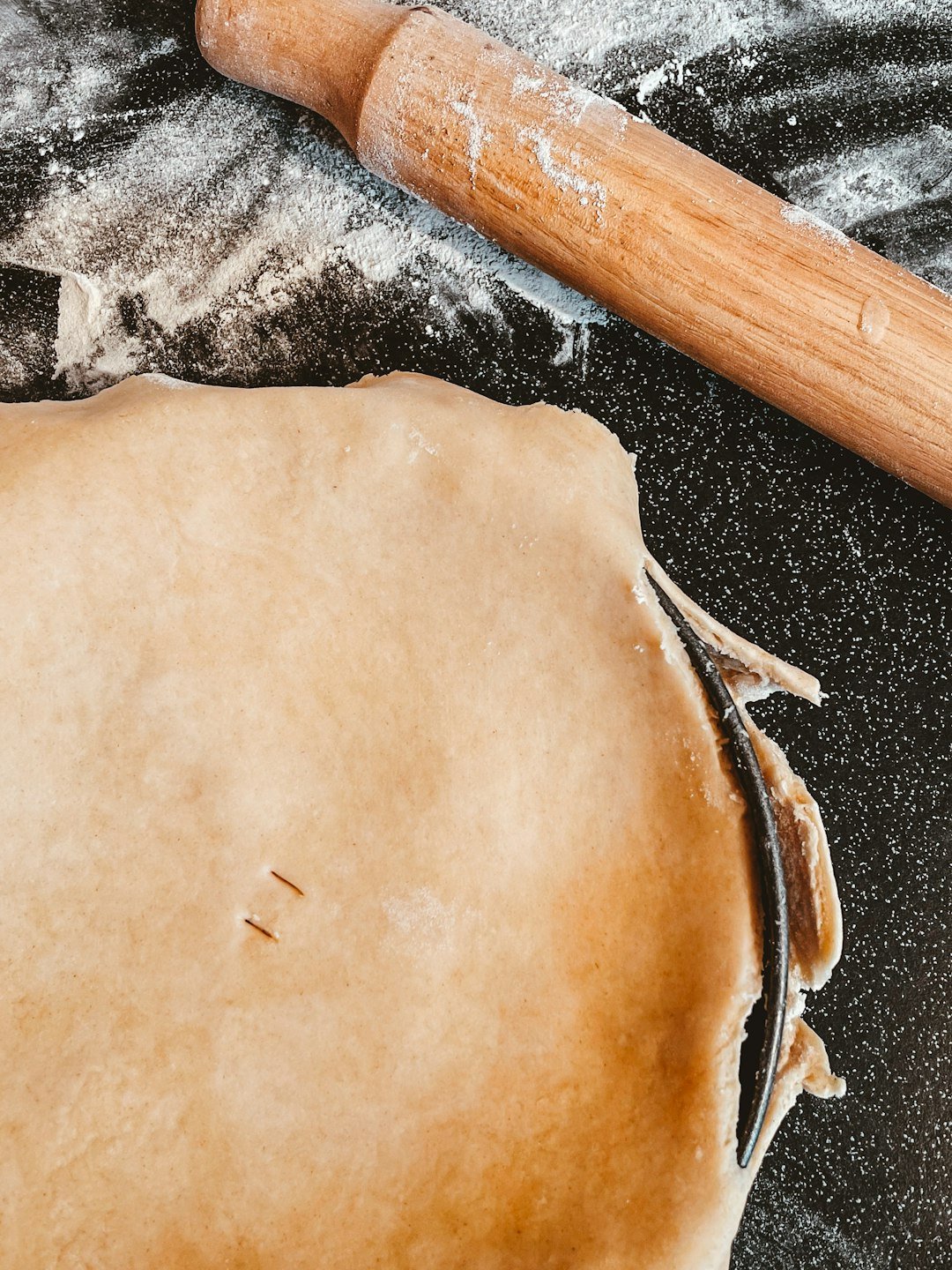
Rolling out pie dough evenly is key to baking a perfect pie. It helps the crust cook at the same rate and prevents burning or undercooking.
Using the right tools and techniques can make rolling the dough easier and more consistent. This guide covers ways to keep the dough even and stop it from sticking.
Techniques For Even Thickness
Keeping the dough at a uniform thickness ensures the pie crust cooks evenly. Uneven dough can cause thin spots to burn or thick spots to stay raw.
- Chill the dough before rolling to make it firm and easier to handle.
- Roll from the center outwards, turning the dough a quarter turn after each roll.
- Use rolling pin guides or thickness rings to measure dough height.
- Check thickness with a ruler to keep it consistent, around 1/8 inch is common.
- Roll gently to avoid stretching the dough, which can cause shrinking during baking.
Preventing Sticking
Sticking dough can tear or become uneven. Prevent this by preparing your work surface and tools properly.
| Method | How It Helps |
| Light flour dusting | Stops dough from sticking to the board and rolling pin |
| Chilling dough | Makes dough less sticky and easier to handle |
| Using parchment paper | Roll dough between sheets to avoid contact with surfaces |
| Rolling pin cover | Prevents dough from sticking to the pin |
Credit: www.wyseguide.com
Pre-baking Techniques
Baking pies evenly requires careful preparation. Pre-baking techniques help avoid soggy crusts and uneven cooking.
Using the right methods before adding filling ensures a crisp, golden crust. Two important steps are blind baking and using pie weights.
Blind Baking Essentials
Blind baking means baking the pie crust without filling. This step prevents the crust from becoming soggy during baking.
- Chill the dough before baking to keep its shape.
- Prick the crust with a fork to release steam.
- Line the crust with parchment paper or foil.
- Fill the lined crust with pie weights or dried beans.
- Bake until the edges turn light golden.
Using Pie Weights
Pie weights keep the crust flat and prevent bubbling. They help the crust bake evenly and hold its shape.
| Type of Pie Weight | Details |
| Metal Beads | Reusable and conduct heat well for even baking. |
| Dried Beans | Cheap option but cannot be eaten after use. |
| Rice | Good for multiple uses but must be stored dry. |
| Foil Balls | Easy to make and shape to fit the crust. |
Creating The Perfect Filling
The filling is the heart of any good pie. It must taste great and hold together well.
Even baking needs a filling that cooks evenly and tastes balanced. This helps you bake pies perfectly.
Balancing Flavors
A good pie filling has a mix of sweet, tart, and spices. This mix keeps the pie interesting.
Use fresh fruits and adjust sugar to avoid too much sweetness. Add a pinch of salt to enhance flavors.
- Use ripe fruits for natural sweetness
- Add lemon juice to balance sweetness
- Include spices like cinnamon or nutmeg
- Salt helps bring out other flavors
Ensuring Even Distribution
Spread the filling evenly in the pie crust. This helps the pie bake at the same rate everywhere.
Mix ingredients well to avoid clumps. Cut large fruit pieces into smaller chunks for even cooking.
- Stir filling until smooth and combined
- Chop fruits into similar sizes
- Fill pie crust evenly without overfilling
- Press filling gently to remove air pockets

Credit: www.winstonpies.com
Baking For Evenness
Baking a pie evenly helps it cook through and taste better. Uneven baking can cause some parts to burn while others stay raw.
Controlling oven temperature and placing the pie correctly are key to even baking. These tips will help you get a perfect pie every time.
Temperature Control
Keep the oven at the right temperature to avoid overcooking or undercooking. Too hot makes the crust burn, too cool leaves the inside raw.
Use an oven thermometer to check your oven’s real temperature. Adjust the heat if it runs too hot or too cold.
- Preheat the oven fully before baking
- Set temperature according to your recipe
- Lower heat for longer baking to cook inside well
- Avoid opening the oven door too often
Positioning In The Oven
Place the pie in the center of the oven for even heat flow. The middle rack usually gives the best results.
Avoid placing the pie too close to the top or bottom. This can cause the crust to burn or the filling to cook unevenly.
- Use the middle rack for balanced heat
- Leave space around the pie for air to circulate
- Rotate the pie halfway through baking for uniform color
- Avoid overcrowding the oven with other dishes
Troubleshooting Common Issues
Baking pies evenly can be tricky for many bakers. Small mistakes often cause soggy bottoms or overbaked edges.
This guide will help you fix these problems. You will learn simple tips to bake pies with perfect texture and taste.
Avoiding Soggy Bottoms
Soggy pie bottoms happen when the crust does not bake fully or the filling is too wet. You can prevent this with a few tricks.
- Preheat your oven well before baking.
- Use a metal or glass pie dish for better heat conduction.
- Blind bake the crust for 10-15 minutes before adding the filling.
- Brush the crust with egg wash or melted butter to create a moisture barrier.
- Drain excess liquid from fruit fillings before adding them to the crust.
- Use thickening agents like flour or cornstarch in the filling.
Preventing Overbaking
Overbaking dries out your pie and burns the crust. To avoid this, watch the baking time and temperature closely.
| Problem | Cause | Fix |
| Burnt crust edges | Oven too hot or baking too long | Cover edges with foil after 20 minutes |
| Dry filling | Overbaked pie | Check pie 5 minutes before end time |
| Uneven baking | Oven hot spots | Rotate pie halfway through baking |

Credit: cookingwithcassandra.com
Finishing Touches
Adding finishing touches to your pie helps it look and taste better. Simple steps can make your pie shine.
Two important finishing touches are glazing techniques and decorative edges. Both improve the pie’s appearance and texture.
Glazing Techniques
Glazing gives your pie a nice shine and color. It also helps the crust stay crisp and golden brown.
- Brush beaten egg over the crust for a glossy finish.
- Use milk or cream for a soft, light brown color.
- Sprinkle sugar on top after glazing for extra crunch and sparkle.
- Apply a thin layer of melted butter after baking for a rich look.
Decorative Edges
Decorative edges make your pie look special. They also help seal the crust well.
| Edge Style | Description |
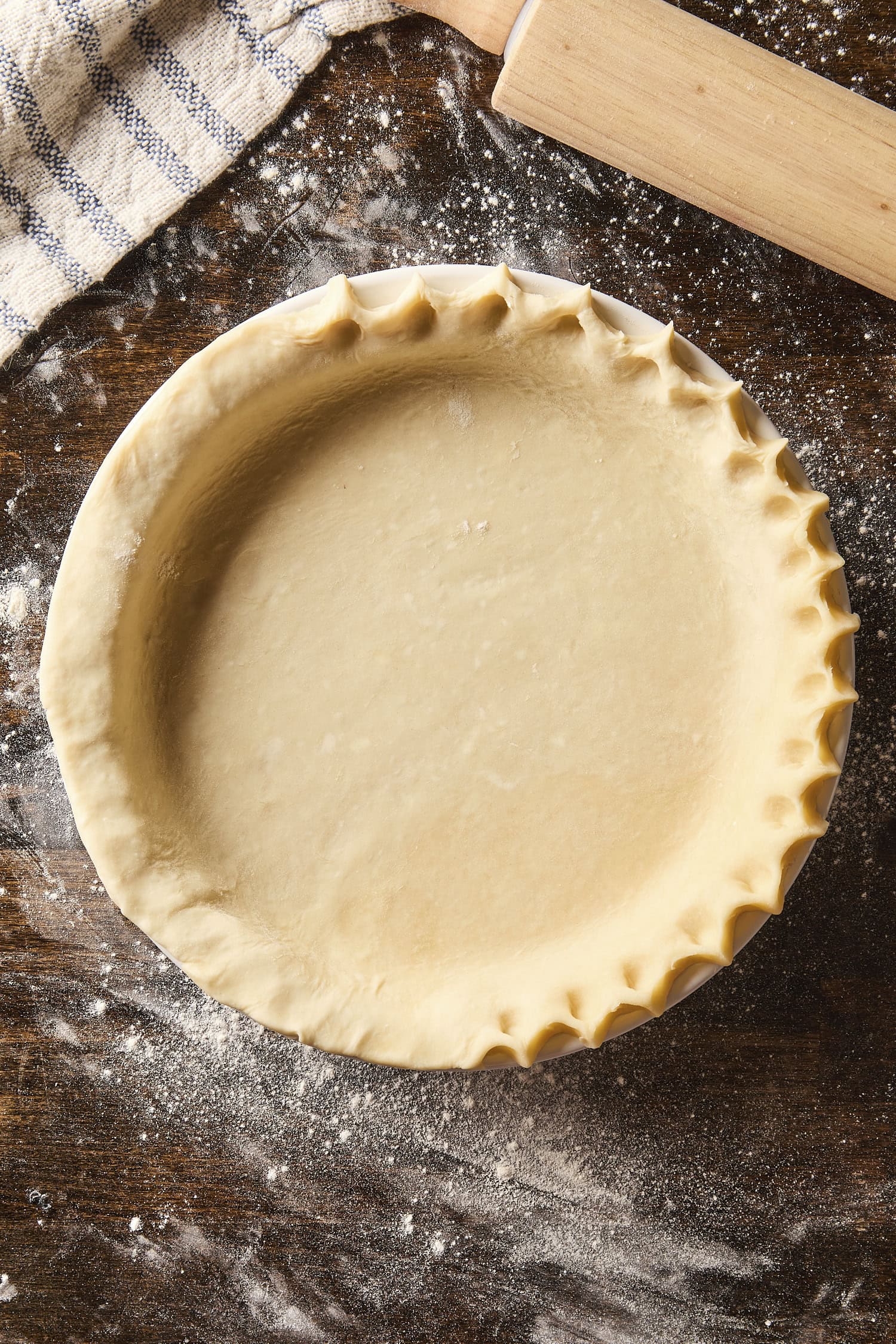
| Fluted Edge | Pinch the dough between fingers to create wavy patterns. |
| Crimped Edge | Press dough edges with a fork for a simple design. |
| Braided Edge | Weave thin strips of dough around the crust. |
| Rope Edge | Twist dough ropes and press around the rim. |
Frequently Asked Questions
How Do I Prevent Pie Crust From Burning?
Use a pie shield or aluminum foil to cover crust edges. This protects them from direct heat. Also, bake pies on a lower oven rack for even heat distribution.
Why Is My Pie Crust Unevenly Baked?
Uneven baking often happens due to inconsistent oven temperature or placement. Rotate the pie halfway through baking. Ensure the oven is fully preheated for consistent heat.
What’s The Best Oven Temperature For Even Pie Baking?
Bake pies at 350°F to 375°F for even cooking. Avoid temperatures that are too high to prevent burning. Moderate heat cooks filling and crust uniformly.
How Can I Avoid Soggy Pie Bottoms?
Pre-bake (blind bake) the crust for a few minutes before adding filling. Use a metal pie plate for better heat conduction. This helps crisp up the bottom crust.
Conclusion
Baking pies evenly takes attention and a few simple steps. Use the right oven temperature and place the pie properly. Check the crust color and rotate the pie if needed. Avoid overfilling to help cook the inside well. These tips help you bake pies that look and taste great.
Enjoy your baking and share your delicious pies with others. Practice makes perfect, so keep trying and have fun.