
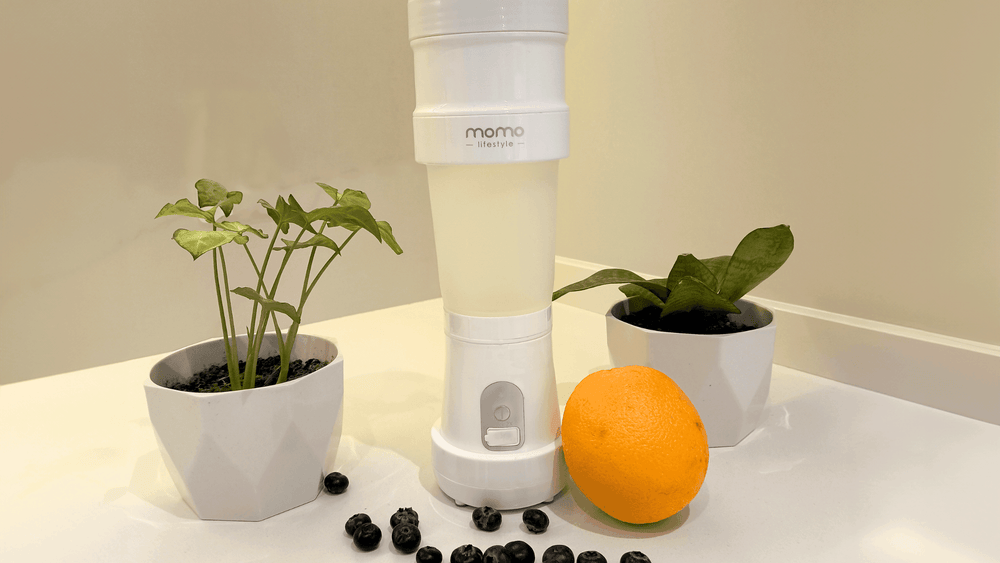
Your blender works hard to keep your smoothies, soups, and sauces perfectly mixed. But when was the last time you gave it a deep, natural clean?
If you want your blender to stay fresh, last longer, and avoid harmful chemicals, this guide is for you. You’ll discover simple, natural ways to clean every part of your blender thoroughly—quickly and easily. Keep reading, and your blender will thank you with every blend!

Credit: shop.ttkprestige.com
Natural Cleaning Ingredients
Cleaning your blender naturally keeps it safe and fresh. You avoid harsh chemicals that might harm your health.
Some simple ingredients can help remove stains and odors. These items are easy to find in your kitchen.
Baking Soda
Baking soda is great for scrubbing and deodorizing. It gently removes stuck-on food and neutralizes smells.
White Vinegar
White vinegar works as a natural disinfectant. It breaks down grease and kills bacteria in your blender.
Lemon Juice
Lemon juice cleans and freshens your blender. Its acid helps remove stains and leaves a clean scent.
Salt
Salt acts as a natural scrub. It scrapes away residue without scratching the blender’s surface.
Combination Tips
- Sprinkle baking soda inside the blender jar.
- Add a little water and swirl it around.
- Pour in white vinegar to create fizz.
- Let it sit for a few minutes to loosen dirt.
- Use lemon juice and salt to scrub any leftover stains.
- Rinse the blender well with warm water.
| Ingredient | Purpose | How to Use |
| Baking Soda | Deodorizes and scrubs | Sprinkle and scrub |
| White Vinegar | Disinfects and dissolves grease | Mix with water and soak |
| Lemon Juice | Removes stains and freshens | Apply with salt and scrub |
| Salt | Scrubs gently | Use with lemon juice |

Credit: branchbasics.com
Initial Rinse Process
Cleaning your blender well starts with an initial rinse. This step removes large food pieces and prevents residue buildup.
Use simple natural ingredients and water to keep the process safe and eco-friendly. This rinse prepares the blender for a deeper clean.
Remove Large Food Particles
Begin by emptying the blender jar of any leftover food. Use a spatula or spoon to scrape out chunks stuck on the sides or bottom.
Use Lukewarm Water
Fill the blender halfway with lukewarm water. Avoid hot water as it can damage some blender parts or seals.
Add Natural Cleaning Agents
Adding natural agents helps break down fats and food residue. Common options include white vinegar, lemon juice, or baking soda.
- Pour 1-2 tablespoons of white vinegar or lemon juice into the water.
- Or sprinkle 1 tablespoon of baking soda for tough stains.
- These ingredients are safe and avoid harsh chemicals.
Blend And Rinse
Secure the lid tightly. Turn the blender on low speed for 30 seconds. This action loosens stuck food and cleans the blades gently.
After blending, pour out the water and rinse the jar with clean water. Repeat if needed until no residue remains.
Check And Clean The Lid And Base
| Part | Cleaning Tip |
| Lid | Rinse under running water and scrub with a soft brush. |
| Base | Wipe with a damp cloth. Avoid water inside the motor area. |
Using Vinegar For Deep Cleaning
Vinegar is a natural cleaner that helps remove stains and odors from your blender. It breaks down tough residue without harsh chemicals.
Using vinegar for deep cleaning keeps your blender fresh and safe for food. It is easy and effective.
Prepare The Vinegar Solution
Mix equal parts of white vinegar and water to create a cleaning solution. This mix is strong enough to clean but gentle on your blender parts.
Use cold or room temperature water to avoid damage to the blender jar.
Soak The Blender Parts
Remove the blender blade and lid. Soak them in the vinegar solution for about 15 to 20 minutes. This loosens stuck food and grime.
Do not soak the base or motor part. Only soak removable parts that hold food.
Clean The Blender Jar
Pour the vinegar solution into the blender jar until it covers the blades. Turn the blender on for 30 seconds. The solution cleans hard-to-reach spots.
After blending, let the solution sit for 5 minutes. Then rinse the jar with warm water.
Rinse And Dry Thoroughly
Rinse all parts with warm water to remove vinegar smell and loosened dirt. Dry parts with a clean cloth or air dry.
Make sure all parts are fully dry before reassembling your blender. This prevents mold and bad smells.
Lemon And Baking Soda Technique
Cleaning your blender thoroughly is easy using natural ingredients. Lemon and baking soda work well together to remove stains and odors.
This method is safe for your blender and helps keep it fresh without harsh chemicals.
Prepare The Blender For Cleaning
First, rinse the blender jar with warm water to remove loose food bits. Make sure the lid and blades are attached properly before cleaning.
Use Lemon To Remove Odors
Cut a fresh lemon into small pieces and place them inside the blender. Add enough water to cover the blades. Blend for 30 seconds to let the lemon juice clean and freshen the jar.
Apply Baking Soda For Deep Cleaning
After rinsing out the lemon water, sprinkle baking soda inside the blender. Add a little warm water to make a paste. Use a soft sponge or brush to scrub the inside gently.
- Rinse the blender with warm water.
- Blend lemon pieces with water for 30 seconds.
- Rinse and add baking soda paste.
- Scrub the inside gently with a sponge.
- Rinse thoroughly and dry before use.
Clean The Blender Parts Separately
Remove the lid, blades, and gasket. Wash them with warm soapy water. Use baking soda paste to scrub any stuck stains or odors.
| Part | Cleaning Tip |
|---|---|
| Blender Jar | Use lemon water and baking soda paste |
| Lid | Wash with warm soapy water |
| Blades | Scrub carefully with baking soda paste |
| Gasket | Rinse and scrub gently |
Salt For Stubborn Stains
Cleaning your blender can be tough if stains stick inside. Salt is a natural way to help remove these stubborn marks.
Using salt is safe and gentle. It scrubs without scratching the blender’s surface.
Why Salt Works Well
Salt acts as a mild abrasive. It helps lift stains and food bits from the blender walls. It also absorbs odors that may remain after use.
How To Use Salt To Clean Your Blender
- Fill the blender halfway with warm water.
- Add two tablespoons of coarse salt.
- Secure the lid tightly.
- Turn on the blender and run it for 30 seconds.
- Pour out the salt water and rinse the blender well.
- Use a sponge or brush to wipe any leftover stains.
Tips For Best Results
| Tip | Details |
| Use coarse salt | It scrubs better than fine salt. |
| Don’t forget to rinse | Salt residue can stay if not washed out. |
| Add lemon juice | Helps brighten the blender and remove odors. |
| Clean soon after use | Stains are easier to remove fresh. |

Credit: www.youtube.com
Cleaning The Blender Base
The blender base holds the motor and electrical parts. It should never get wet inside. Cleaning it carefully keeps it safe and working well.
Use natural cleaners to avoid chemicals that may harm the base. A soft cloth and simple ingredients work best for the job.
Unplug The Blender First
Always unplug the blender before cleaning. This stops any chance of electric shock. It also protects the motor from damage.
Wipe The Base With A Damp Cloth
Use a cloth dampened with warm water to clean the base. Gently wipe the outside and control buttons. Avoid letting water seep inside.
- Do not spray water directly on the base
- Use a soft cloth to prevent scratches
- Wring out excess water before wiping
Remove Stains With Vinegar
Mix equal parts white vinegar and water. Dip a cloth into the solution and wring it out. Wipe stains gently to remove grime naturally.
- Vinegar cleans without harsh chemicals
- It also helps remove odors
- Rinse with a damp cloth afterward
Dry The Blender Base Thoroughly
After cleaning, dry the base well with a soft towel. Make sure no moisture stays near openings or buttons. This helps prevent rust and electrical problems.
Clean Around Buttons And Crevices
Use a cotton swab or a soft brush dipped in vinegar solution. Carefully clean tight spots and buttons. This removes hidden dust and dirt.
- Do not soak the swab or brush too much
- Work gently to avoid damaging buttons
- Wipe dry with a clean cloth afterward
Drying And Storing Tips
After cleaning your blender naturally, drying and storing it properly keeps it fresh and safe. Good drying stops bacteria and mold growth.
Storing the blender parts in a clean, dry place helps keep them ready for your next use. Below are key tips for drying and storing.
Drying Blender Parts Thoroughly
Use a clean towel or air dry all blender parts after washing. Make sure the blades and jar are completely dry before storing.
- Remove the blade assembly and dry it carefully.
- Leave the lid and jar open to air dry.
- Avoid stacking parts while wet to prevent moisture buildup.
Best Storage Practices
Store blender parts in a clean, dry cabinet or shelf. Keep pieces separate or loosely assembled to allow air flow.
| Storage Tip | Reason |
| Store jar and lid separately | Prevents moisture and odors |
| Keep blade assembly dry and covered | Protects blades and stops rust |
| Use a clean shelf or drawer | Avoids dirt and contamination |
| Ensure good ventilation | Reduces moisture buildup |
Avoid Common Mistakes
Do not store blender parts while still wet. Moisture causes mold and bad smells. Also, avoid sealing parts in plastic bags.
Regular Maintenance Routine
Keeping your blender clean helps it work well and last longer. A regular cleaning routine removes food leftovers and stops odors.
Using natural ingredients for cleaning is safe and easy. It keeps your blender fresh without harsh chemicals.
Rinse Immediately After Use
Rinsing your blender right after using it stops food from drying inside. This makes cleaning easier later.
Fill the blender halfway with warm water and swirl it around. Pour the water out and wipe the edges.
Clean With Baking Soda And Vinegar
Baking soda and vinegar remove stains and smells naturally. They work well on blender jars and lids.
Sprinkle baking soda inside the blender. Add a little vinegar and watch it bubble. Use a sponge to scrub gently.
- Use 1 tablespoon of baking soda
- Add 2 tablespoons of vinegar
- Let sit for 5 minutes
- Rinse with warm water
Use Lemon Juice For Freshness
Lemon juice cleans and leaves a fresh scent. It breaks down grease and light stains inside the blender.
Mix lemon juice with water and blend it for a few seconds. Rinse well after blending.
Dry And Store Properly
After cleaning, dry all blender parts well. Moisture can cause mold or bad smells.
Store the blender with the lid off or slightly open to keep air flowing. This helps prevent odors.
Frequently Asked Questions
How Do I Clean A Blender Naturally Without Chemicals?
Use warm water, baking soda, and lemon juice. Blend the mixture for 30 seconds. Rinse well and air dry. This removes odors and stains naturally.
What Natural Ingredients Remove Blender Stains Effectively?
Baking soda and white vinegar work best. Sprinkle baking soda inside, add vinegar, and let it fizz. Blend briefly, then rinse thoroughly.
Can I Clean Blender Blades Safely With Natural Methods?
Yes, use a soft brush and warm soapy water. Avoid harsh scrubbers to protect blades. Rinse and dry carefully to prevent rust.
How Often Should I Clean My Blender Thoroughly?
Clean your blender after every use. Deep clean with natural ingredients weekly. This maintains hygiene and extends blender life.
Conclusion
Cleaning your blender naturally keeps it fresh and safe. Use simple ingredients like vinegar and baking soda. They remove stains and odors without chemicals. Clean your blender soon after use for best results. This saves time and stops buildup. A clean blender helps your drinks taste better.
Try these easy steps to keep your blender shining. Natural cleaning is good for you and the environment. Stay consistent, and your blender will last longer. Simple care makes a big difference every day.